Regional Climate Action
Transparency Hub For Central Asia

The Central Asia Regional Environmental Centre (CAREC) team presented the first working version of the RESILAND CA+ regional portal to partners. The online session focused on the proposed structure and key functions of the future platform, which is designed to support regional cooperation, knowledge sharing, and information exchange under the RESILAND CA+ program.
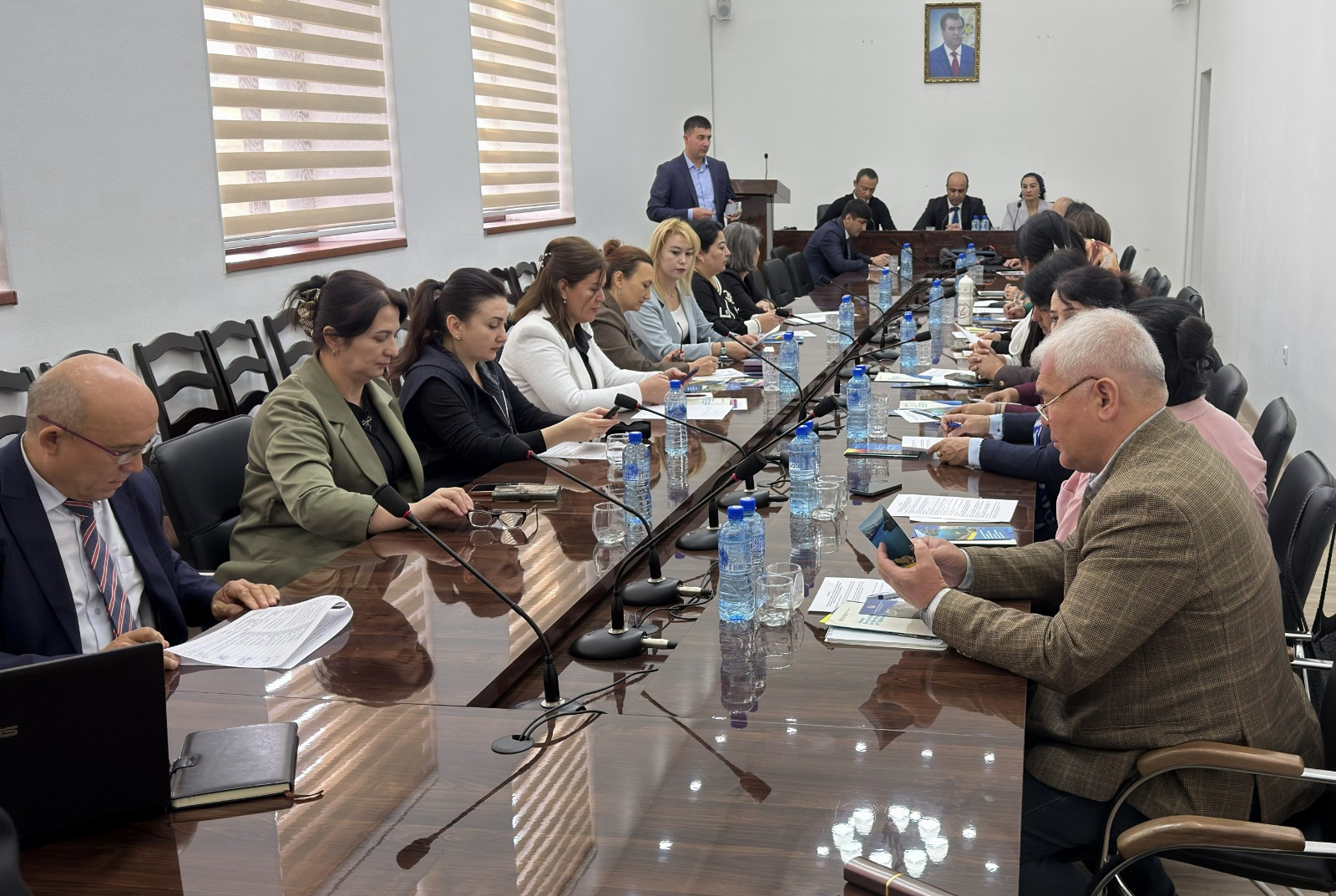
“Methane is not merely one of the components of greenhouse gas emissions. It is also an indicator of how modern, accurate, and effective our environmental monitoring, accounting, and natural resource management systems are,” said Professor Bakhtiyor Pulatov, Rector of the Central Asian University of Environmental and Climate Change Studies (Green University), highlighting the relevance of National Workshop on Strengthening Methane Emissions Monitoring and Assessment in Uzbekistan: National Workshop on Project Results, Lessons Learned, and Future Opportunities held in Tashkent.
“As international experience shows, effective emissions reduction starts with accurate assessment and the availability of reliable data. We need to better understand the sources of emissions, their scale and dynamics, and have the ability to compare different sources of information,” said Alisher Salomov, Adviser to the Chairman of the National Committee on Ecology and Climate Change of the Republic of Uzbekistan, at National Workshop on Strengthening Methane Emissions Monitoring and Assessment in Uzbekistan: National Workshop on Project Results, Lessons Learned, and Future Opportunities held in Tashkent.
Methane accounts for roughly one-third of current global warming, yet the effectiveness of methane mitigation efforts depends on the availability and quality of data. The measurement of methane emissions has historically been challenging due to data and monitoring limitations. Around the world, governments and researchers are combining satellite observations with scientific measurements, industry reporting and national emissions inventories to get a clearer picture of where methane is released and where reductions may be possible. UNEP has found that methane emissions have been underestimated in historical inventories in some cases. The International Energy Agency estimates that the energy sector accounted for nearly 150 million tons of methane emissions in 2025.
Upcoming events
Next events