

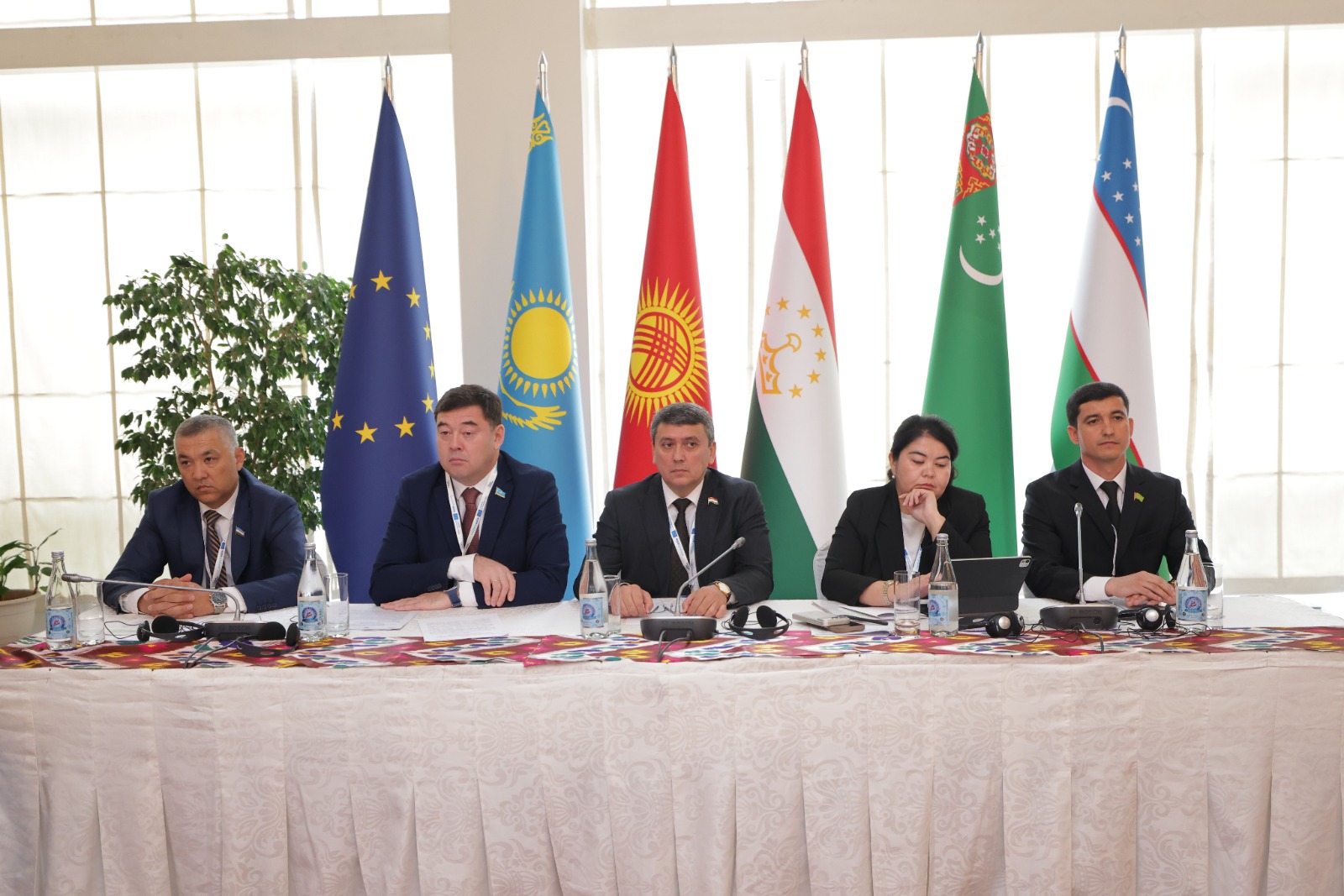
Central Asian countries are moving beyond the traditional understanding of economics and ecology. They are actively researching, creating favourable conditions, and applying approaches that shift their economies onto circular tracks.
Parliamentary representatives from five Central Asian countries acknowledged that today, the circular economy is not about waste collection, but about independence from resource scarcity. Shifting to a closed-loop model of "produce–use–recycle–reuse" will help the region leap forward toward innovative and highly zero-waste businesses.
The need for these changes is evident: today, Central Asia ranks among the regions with high resource intensity and low material productivity in terms of waste generation per unit of GDP. On average across the region, the recycling rate for municipal solid waste barely reaches 10–12% (for comparison, this figure stands at around 45% in EU countries). This inefficiency of the linear model ("take, make, dispose") directly impacts the final product cost for consumers, rapidly fills landfills, and increases the burden on the environment.
What changes have occurred in the region over the past 2 years, what examples of new products and business enterprises are already operating, and what steps need to be taken in the coming years?
This agenda was discussed by parliamentarians, businesses, and experts at the Fourth Regional Dialogue on Circular Economy, held on October 12–13, 2026, in Dushanbe. The meeting was organized with the support of the EU SWITCH-Asia program, the Parliament of the Republic of Tajikistan, and the Regional Environmental Centre for Central Asia (CAREC). As a practical case study, participants examined the experience of sectors such as eco-transport (using the Tajik electric bus manufacturing plant Akia Avesto LLC as an example), as well as resource-efficient solutions in the agribusiness, construction, and recycling industries.
What changes have occurred in the region over the past 2 years, what examples of new products and business enterprises are already operating, and what steps need to be taken in the coming years?
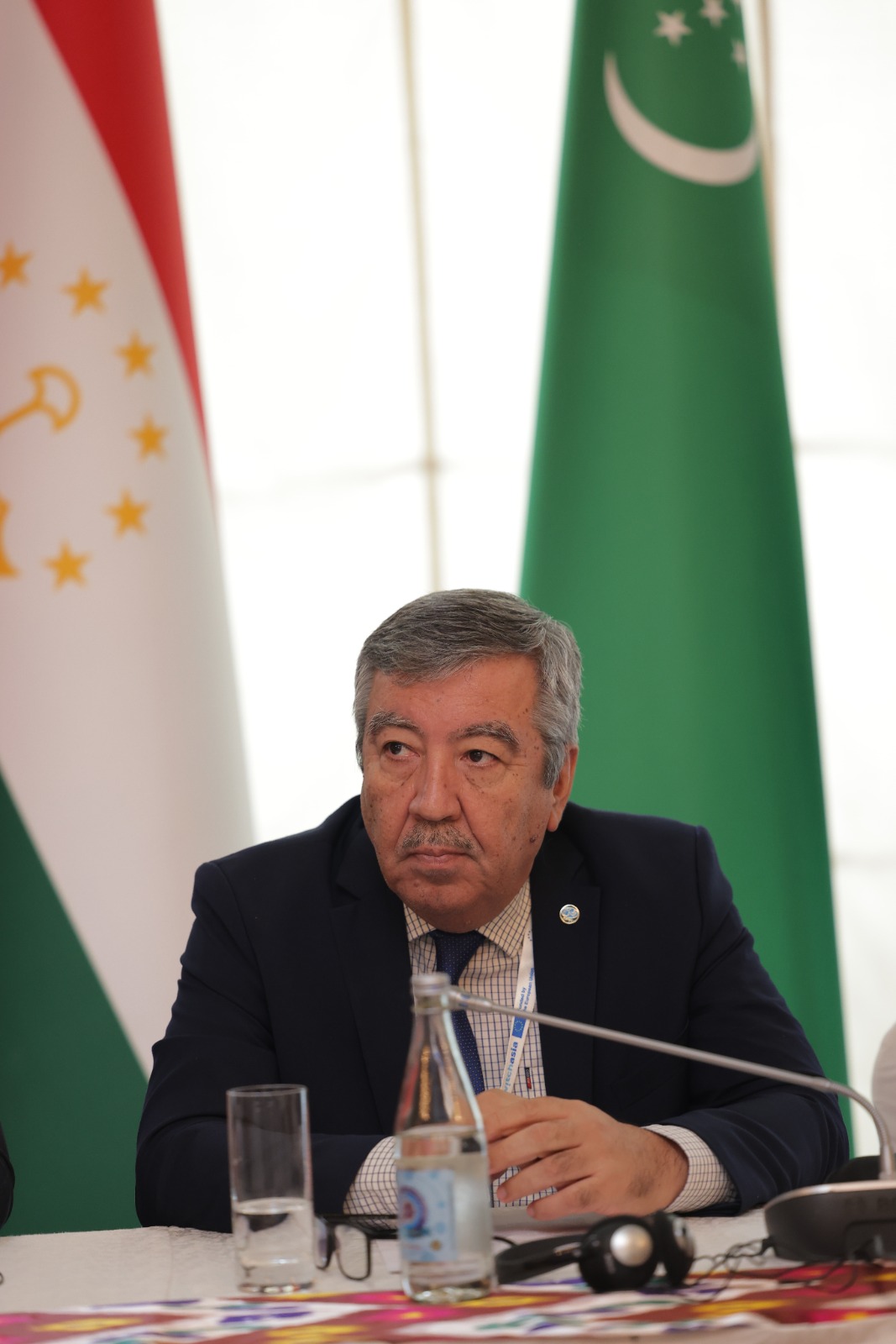
Dr. Batyr Mamedov, Executive Director of CAREC, noted: “We are witnessing a shift in the very attitude toward resources in Central Asia. The circular economy is becoming an integral part of national development strategies and climate plans. Our task is to help businesses and governments transition from theory to practice. CAREC acts as a bridge connecting local environmental initiatives with advanced knowledge and international green financing. This allows us to turn ecological challenges into new economic opportunities, jobs, and income for every country in the region.
The participants identified the transition from concepts to laws as the main step for the coming years: the introduction of green taxonomy, tax incentives, and extended producer responsibility (EPR) mechanisms, which will allow eco-innovations to scale across the entire region.
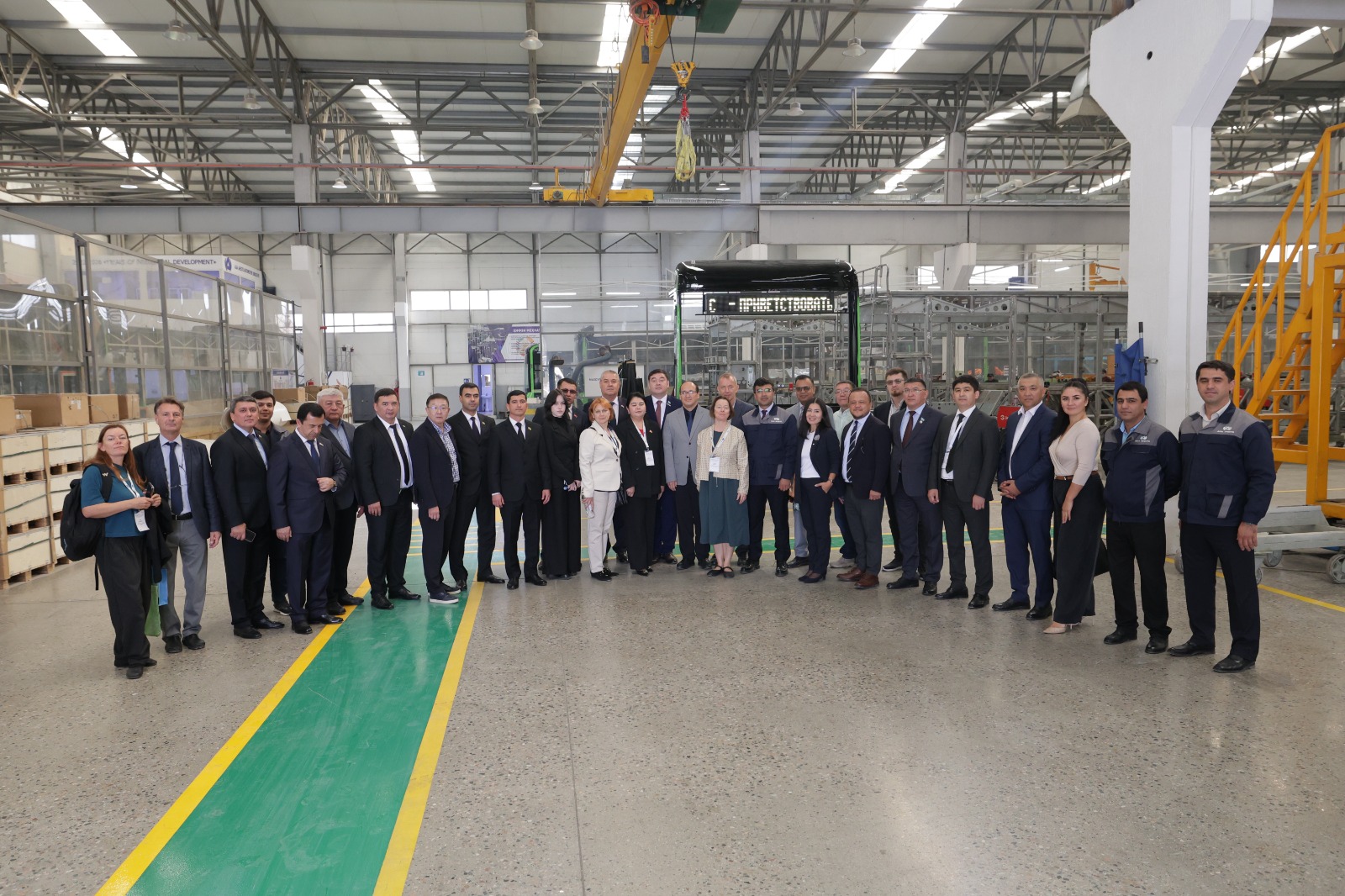
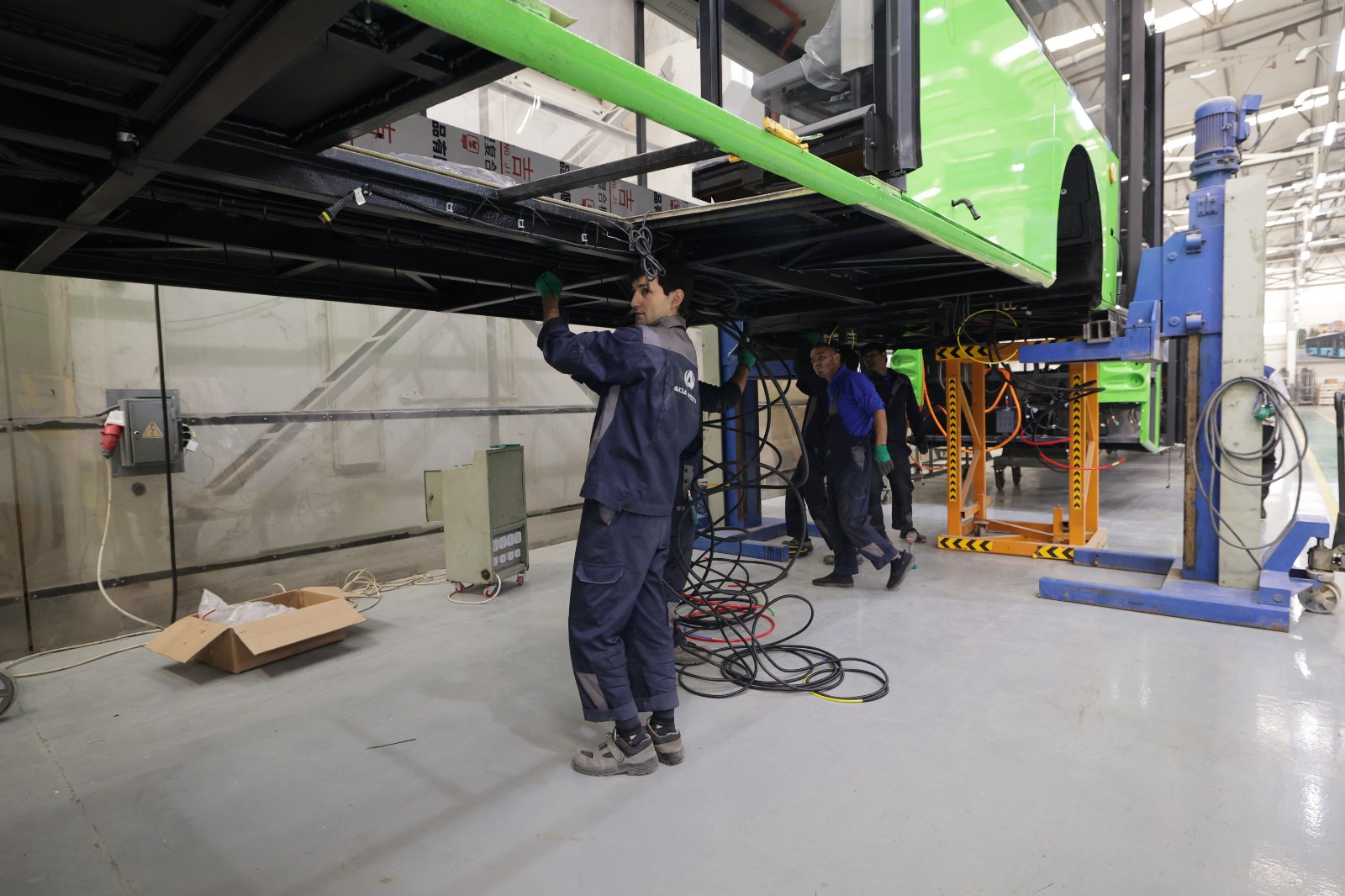
A photo from the Akia Avesto LLC plant (Dushanbe), which manufactures a wide range of electric buses
More news about the project and its implementers can be found via the following links: SWITCH-Asia Official Global Gateway European Union in Kazakhstan The Regional Environmental Centre for Central Asia.
More information about other topics and CAREC projects in Central Asia can be found on the CAREC website.
By Ludmila Kiktenko — Programme Manager, Environmental Management Program, CAREC, lkiktenko@carececo.org
© 2026 The Regional Environmental Centre for Central Asia (CAREC). Reprints, copying, or any other use of these materials is permitted only with an active hyperlink to the original source. This material was prepared with the support of AI tools.
#CircularEconomy #EU4CentralAsia #ClimateAction #ClimateFinance #SCP #CAREC