


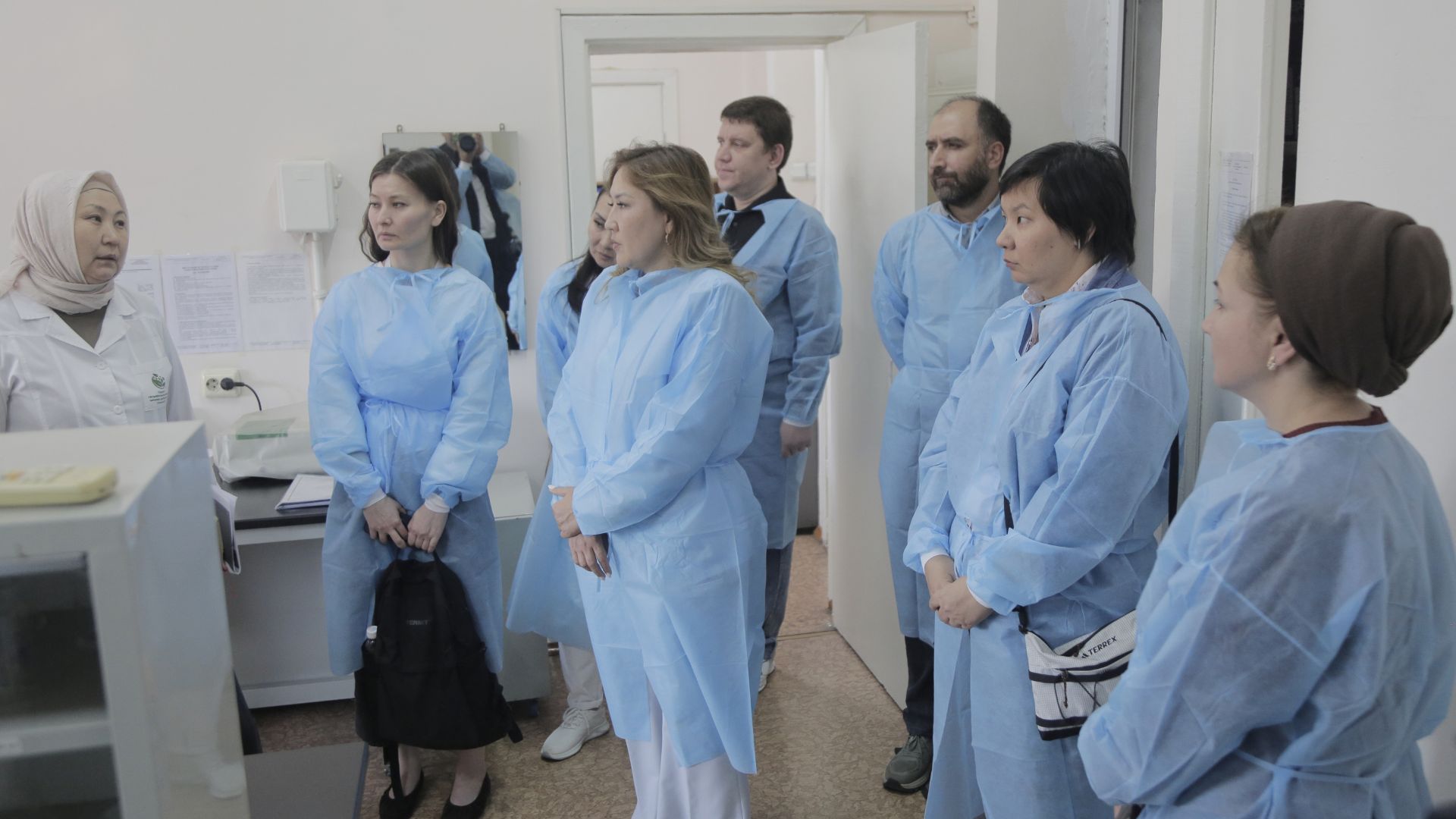
 Laboratory at DPZ&GSEN. The visit allowed participants to assess the state-of-the-art equipment, the scope of diagnostics conducted, and the progress of the systemic modernization across the country's diagnostic infrastructure.
 Virtually all areas of our work are integrated into a single diagnostic network," emphasized Baktygul Ismoilova, Head of the Analytics, Standardization, and Information Analytical Systems (IAS) Department.
Sanitary and bacteriological surveillance remains a primary operational priority. Specialists evaluate the biological safety of water supply sources and natural ecosystems, isolate and identify pathogenic microorganisms, and provide laboratory support for epidemiological investigations into disease outbreaks and foodborne toxic infections.
Special attention is paid to water quality: drinking, mineral, and bottled water samples undergo regular testing. Testing is performed both under state surveillance programs and upon requests from the private sector, enabling early detection of public health risks.
High-Precision Chemical-Analytical Expertise
Chemical and analytical testing focuses on three interconnected areas: environmental quality, human living environments, and consumer product safety. At the national level, the analytical complex monitors compliance with 15 technical regulations of the Eurasian Economic Union (EAEU); testing against an additional 6–7 regulations is regularly conducted across regional laboratories
 Natalya Lymareva, Sanitary and Hygienic Laboratory Research Specialist at DPZ&GSEN, noted: "A critical objective is the detection of residual pharmacological substances in raw food products. If initial screening reveals antibiotic concentrations above permissible thresholds, confirmatory tests are performed using high-performance liquid chromatography (HPLC)."
 The delegation was also shown the operation of the Multiskan photometric analyzer, utilized for the simultaneous detection of four groups of antimicrobial agents. The deployment of high-precision instrumentation ensures rigorous quality verification of food products destined for both domestic consumption and export markets.
Molecular Diagnostics: Roadmap to 2030
Molecular genetic and virological surveillance serves as the core of preventive healthcare. Within the multidisciplinary One Health framework, diagnostic testing is systematically conducted to promptly contain biological threats.
The strategic vision toward 2030 targets the development of a resilient diagnostic ecosystem integrated into the international scientific and operational landscape. The phased roadmap includes:
● Updating and harmonizing the national regulatory framework with international standards;
● Expanding the scope of laboratory accreditation, including methods for detecting genetically modified organisms (GMOs);
● Scaling up PCR and DNA-based testing capabilities for advanced screening of raw food materials;
● Systemic human resource development, continuous staff training, and validation of Standard Operating Procedures (SOPs).
Antimicrobial Resistance Surveillance
The designated national reference laboratory plays a central role in mitigating the spread of resistant pathogens. Kyrgyzstan served as the operational platform for the country’s first practical research study on AMR surveillance, which covered more than 40 healthcare organizations.
The data generated enables detailed mapping of circulating resistant strains, profiling phenotypic and genetic resistance patterns, and formulating evidence-based containment protocols for the wider Central Asian region.
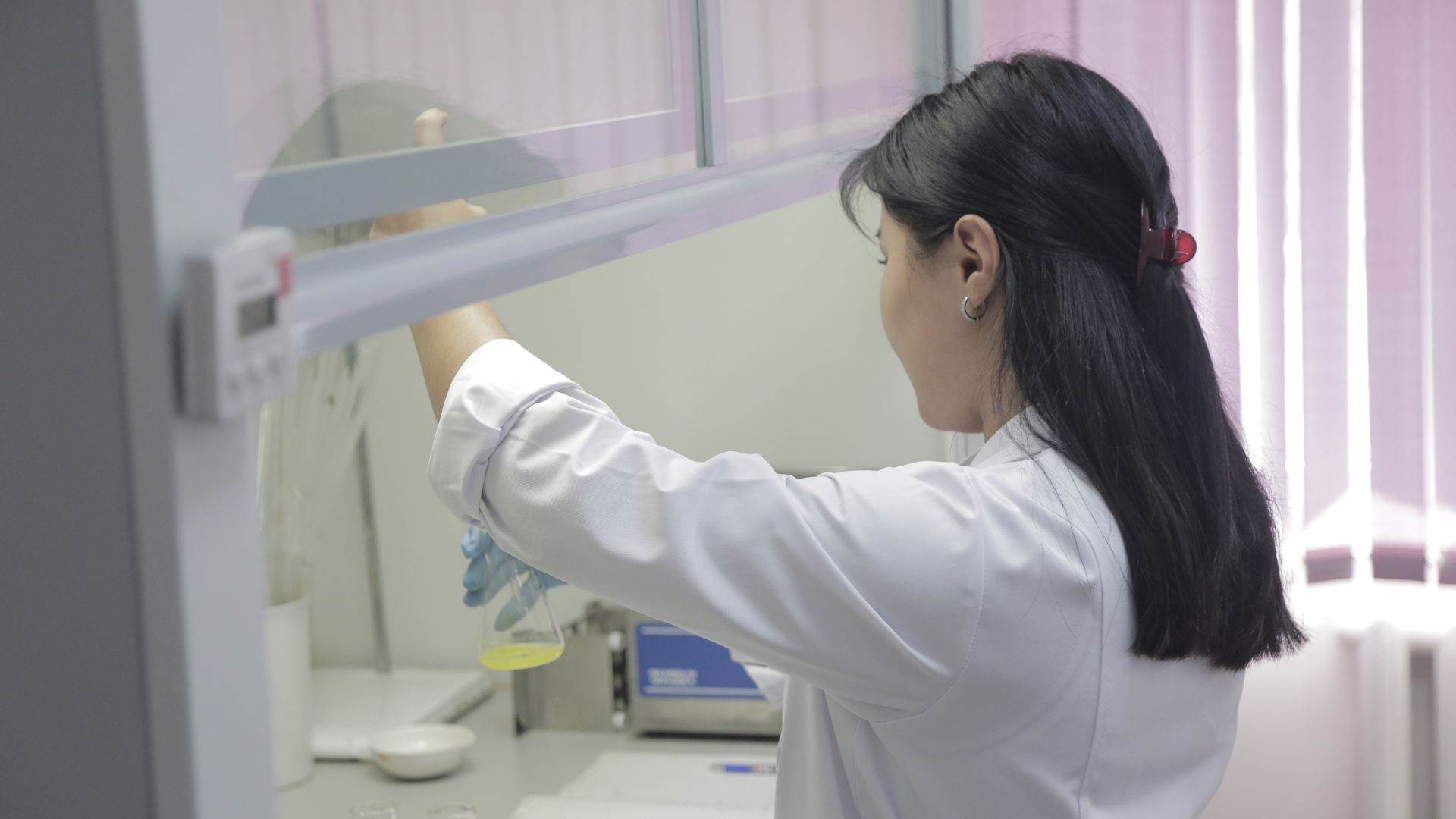 The parasitological screening framework integrates DPZ&GSEN units with over 280 primary healthcare clinical diagnostic laboratories. The lead specialized department has confirmed full compliance with international testing quality standards.
In parallel, digital infrastructure is advancing: laboratory test results are being systematically transitioned into a secure electronic format. Developing a unified digital ecosystem prevents test duplication, expedites data verification, and facilitates rapid information exchange among epidemiologists, clinicians, veterinary authorities, and environmental monitoring specialists.
From Fragmented Testing to Cross-Sectoral Preparedness
The core outcome of recent transformations is a fundamental operational shift from siloed agency checks to an integrated early-warning and response architecture.
Kyrgyzstan's modernized laboratory network translates the cross-sectoral One Health approach into practice: safeguarding human health is inextricably linked to food supply safety, animal welfare, and environmental integrity. The structured advancement of this diagnostic infrastructure provides a reliable shield for early warning and containment of transboundary biological risks across Central Asia.
Shoira Toirova - PR specialist, regional One Health program
Oksana Kravtsova – Coordinator of the CAREC Regional One Health Program, okravtsova@carececo.org