
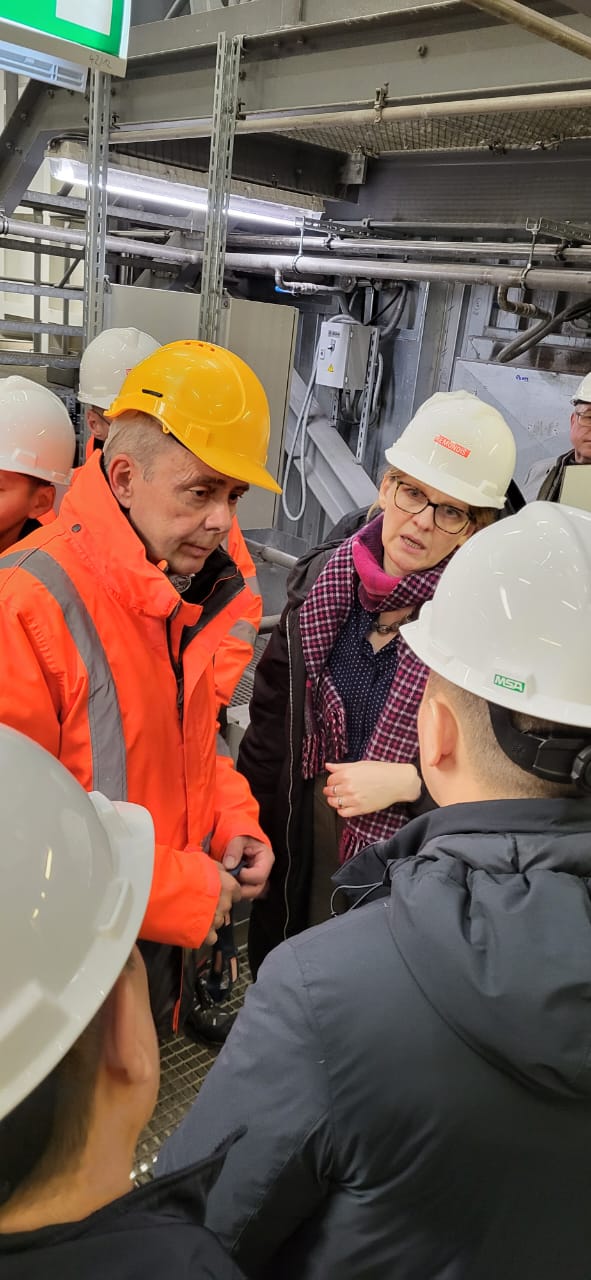
Following the study tour to Germany for Kazakhstani experts on Best Available Techniques (BAT) and the development of BAT reference documents within the project of the Regional Environmental Centre for Central Asia (CAREC), which successfully took place from December 4 to 9, 2025, to familiarize participants with the European Union’s best practices in the waste management sector, we posed several questions to the experts of the German Environment Agency (UBA).
Dr Ling He

- Could you briefly introduce yourself and your professional background in the field of waste management and BAT/BREF implementation?
Since 2015 I have been working for the German Environment Agency in the section “waste technology, waste technology transfer”. In my role as a research and policy officer for development of advanced waste treatment technology, I took part in the European information exchange process to review the BAT reference document for waste treatment and has been supporting the German Federal Ministry for the Environment, Climate Action, Nature Conservation and Nuclear Safety (BMUKN) in the implementation of “BAT Conclusions for Waste Treatment” into German environmental regulation.
My other scientific focuses lie on the chemical-physical treatment of hazardous waste, CCUS (carbon capture, utilization and storage) as well as potential analysis of waste treatment plants in the contribution to sector-coupling.
- What challenges typically arise when countries begin aligning their waste management practices with EU environmental standards?
Countries that begin to align their waste management practices with EU environmental standards typically face challenges relating to technical and infrastructural, financial, social as well as regulatory issues.
The variety and complexity of waste streams can make it challenging for countries to collect accurate data on waste generation, types and composition. However, this data is fundamental to choosing the right technical solutions for waste management. Another major challenge is the lack of efficient waste management infrastructure, including facilities for collection, transportation, sorting, treatment, recycling and disposal. Implementing modern, sustainable waste management systems requires substantial initial investment in infrastructure, equipment, and skilled personnel. This can pose a significant barrier. In terms of the social aspect, raising public awareness and acceptance of the new waste management practices — particularly separate collection and recycling — could be challenging.
To align waste management practices with EU environmental standards (e.g. the Waste Framework Directive, the Industrial Emissions Directive and the Landfill Directive), robust national legislation and effective enforcement mechanisms are required. However, establishing an effective monitoring and reporting system could be challenging, as this forms the basis of environmental compliance and operational performance for waste management facilities.
- Based on your experience, what are the most successful examples of BAT implementation you’ve seen internationally?
The BAT principle has been applied in many countries. More details can be found on the OECD-Website
Dr Hendrik Freitag
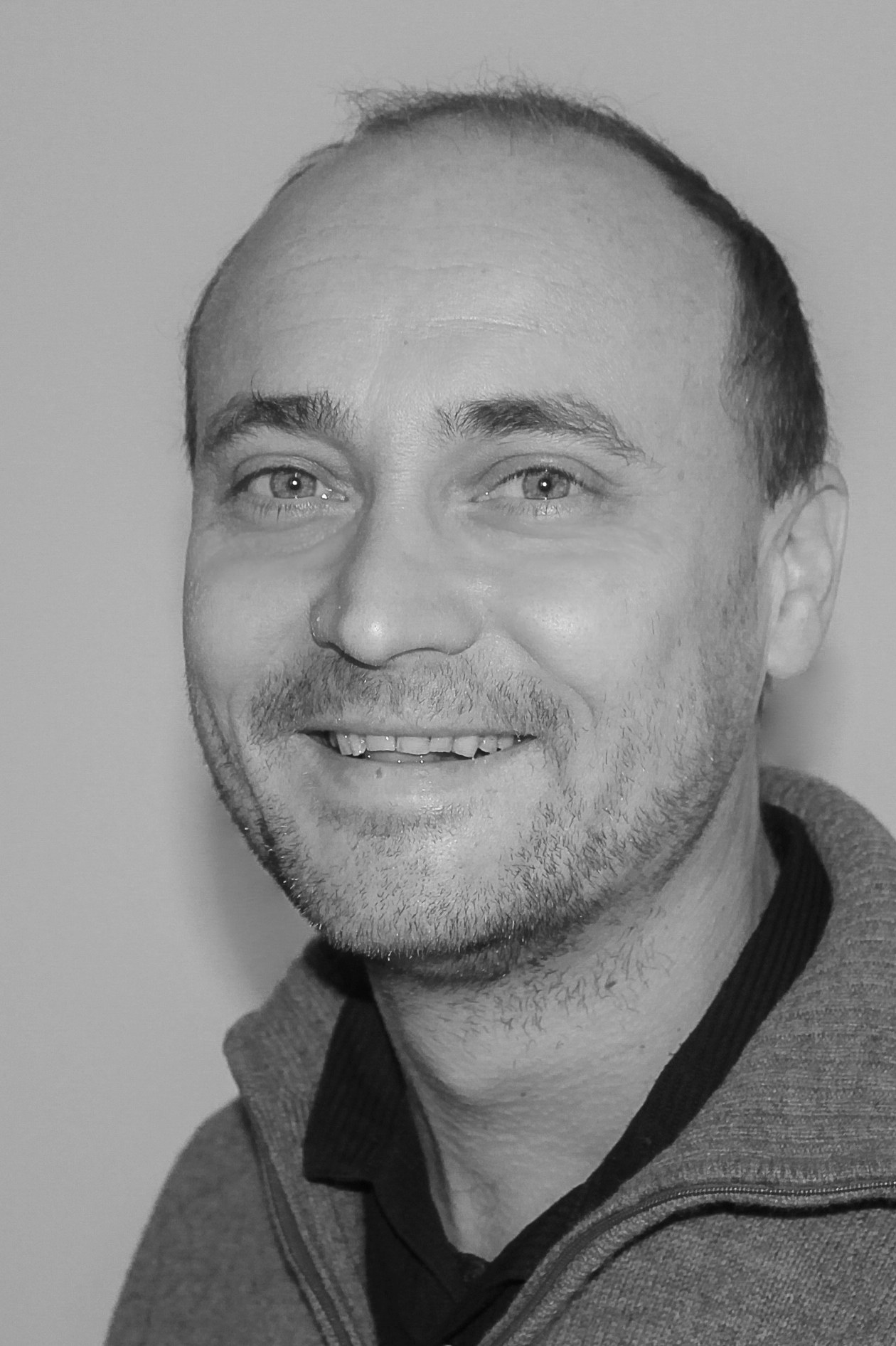
- Could you briefly introduce yourself and your professional background?
I am an academic assistant at the German Environment Agency (Umweltbundesamt) under section “Capacity building, Sustainable resource use, Security “. As head of the Service Unit Advisory Assistance Programme , I coordinate this funding programme of the Federal Environment Ministry and supervise applications and ongoing projects, such as this one, in a broad thematic field of international cooperation to achieve high and comparable environmental standards.
- What motivates you personally to work in international environmental cooperation projects? What message would you like to share with the Kazakhstani partners and the broader audience in Central Asia following this BAT project?
As this study trip has shown, on-site visits and the direct exchange of experiences and knowledge between administrative officials and representatives of industry and interest groups are very useful for the development of regulatory requirements and their implementation. It is important that national and regional characteristics are taken into account and that regulatory processes reflect this. Ultimately, the decisive factors are the feasibility and actual enforcement of environmental standards and the reduction of harmful emissions from industrial processes.
--------
This project is funded by the German Federal Environment Ministry’s Advisory Assistance Programme (AAP) for environmental protection in the countries of Central and Eastern Europe, the Caucasus and Central Asia and other countries neighboring the European Union. It is supervised by the German Environment Agency (UBA). The responsibility for the content of this publication lies with the authors.