
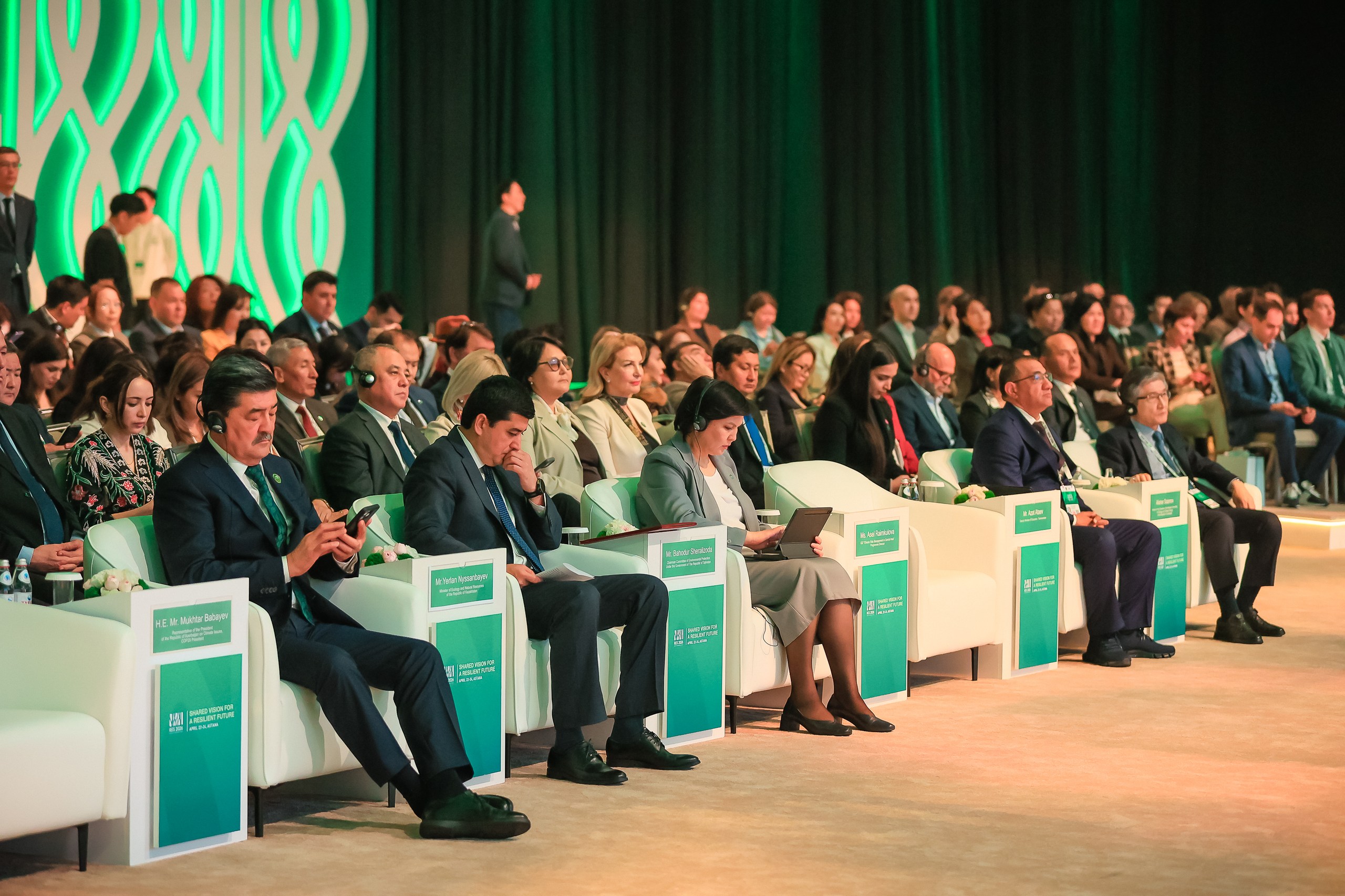
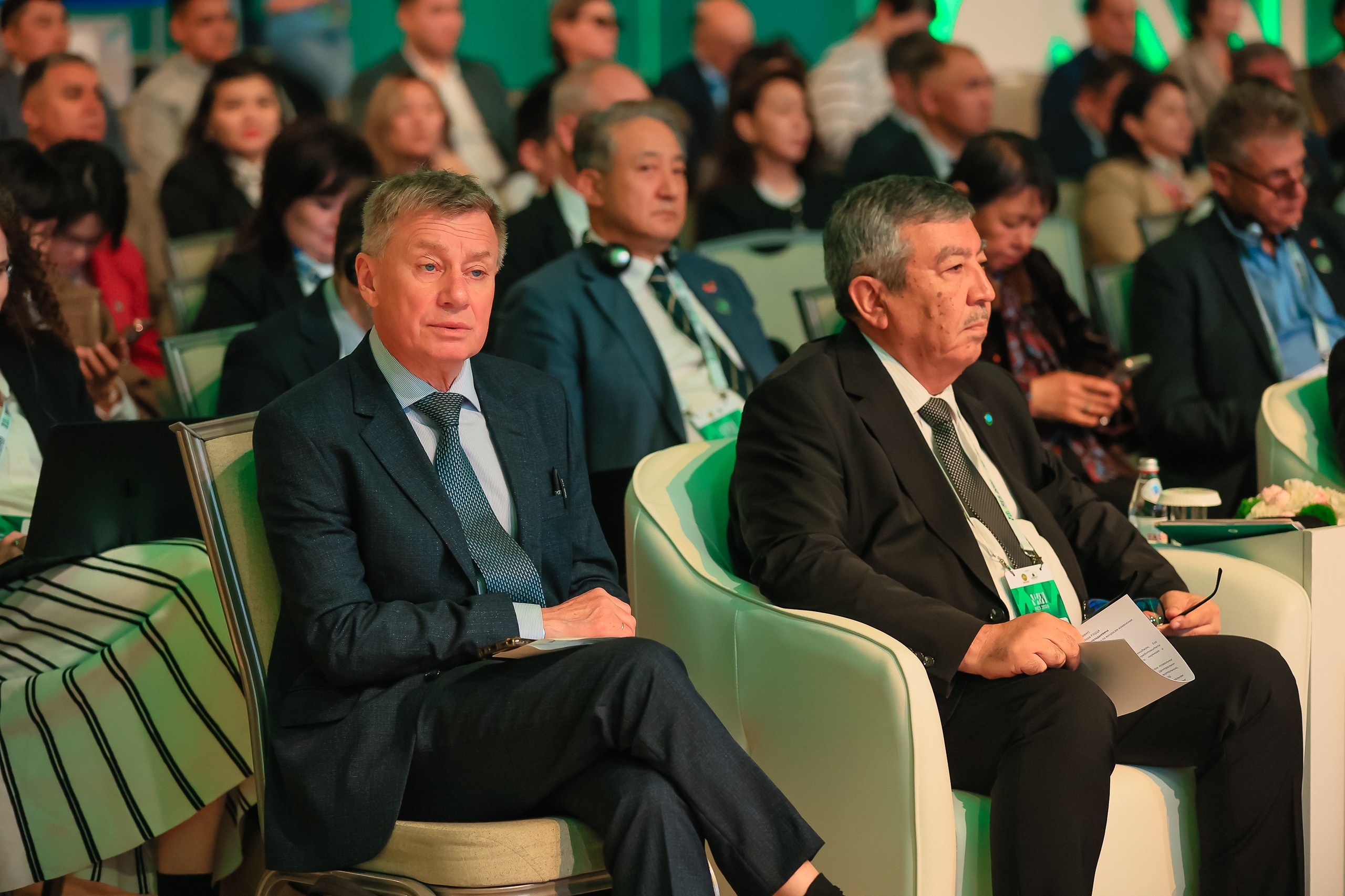
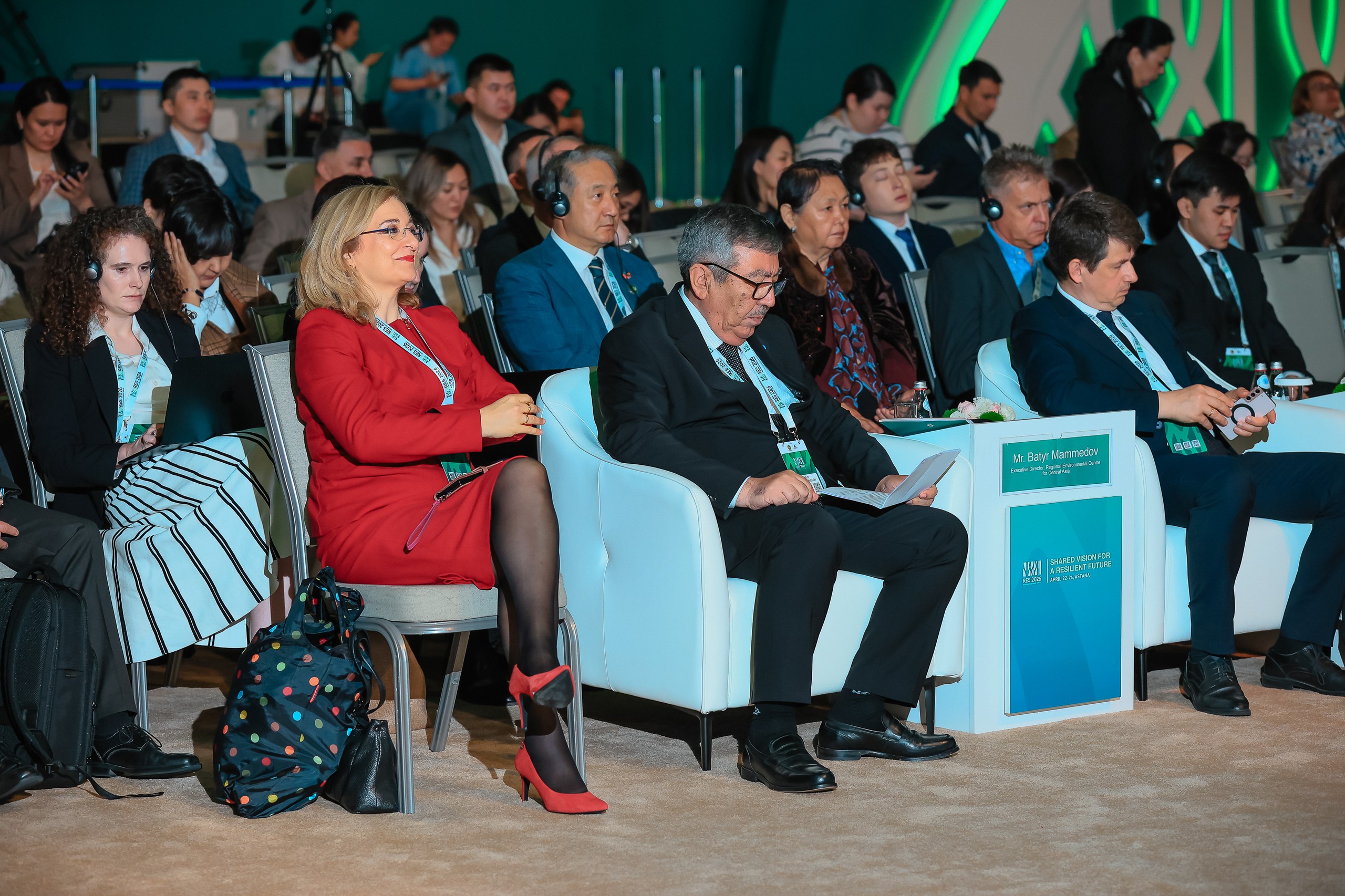
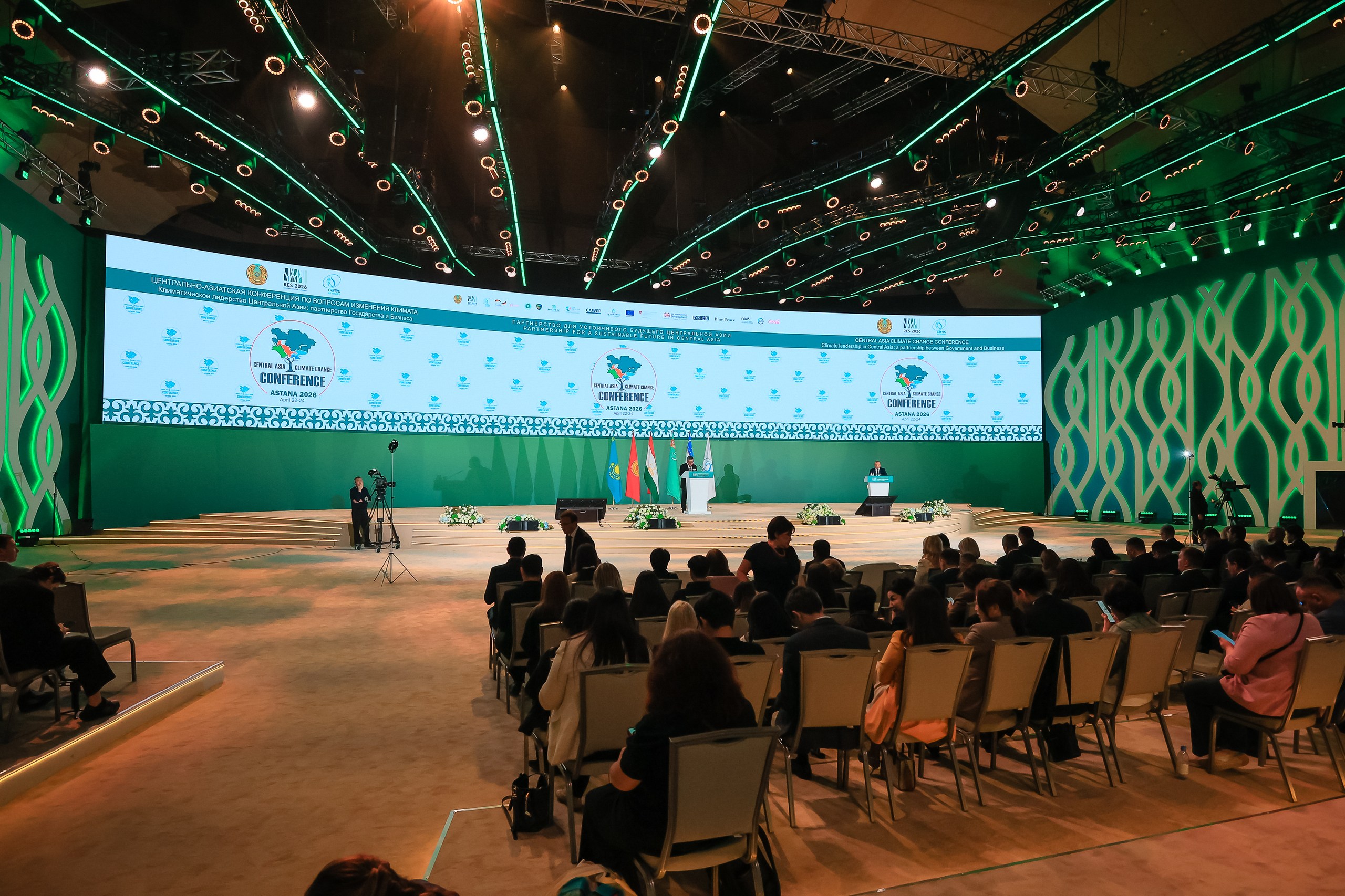
The 8th Central Asia Conference on Climate Change (CACCC-2026) ended in Astana, bringing together regional stakeholders for substantive and results-oriented dialogue.
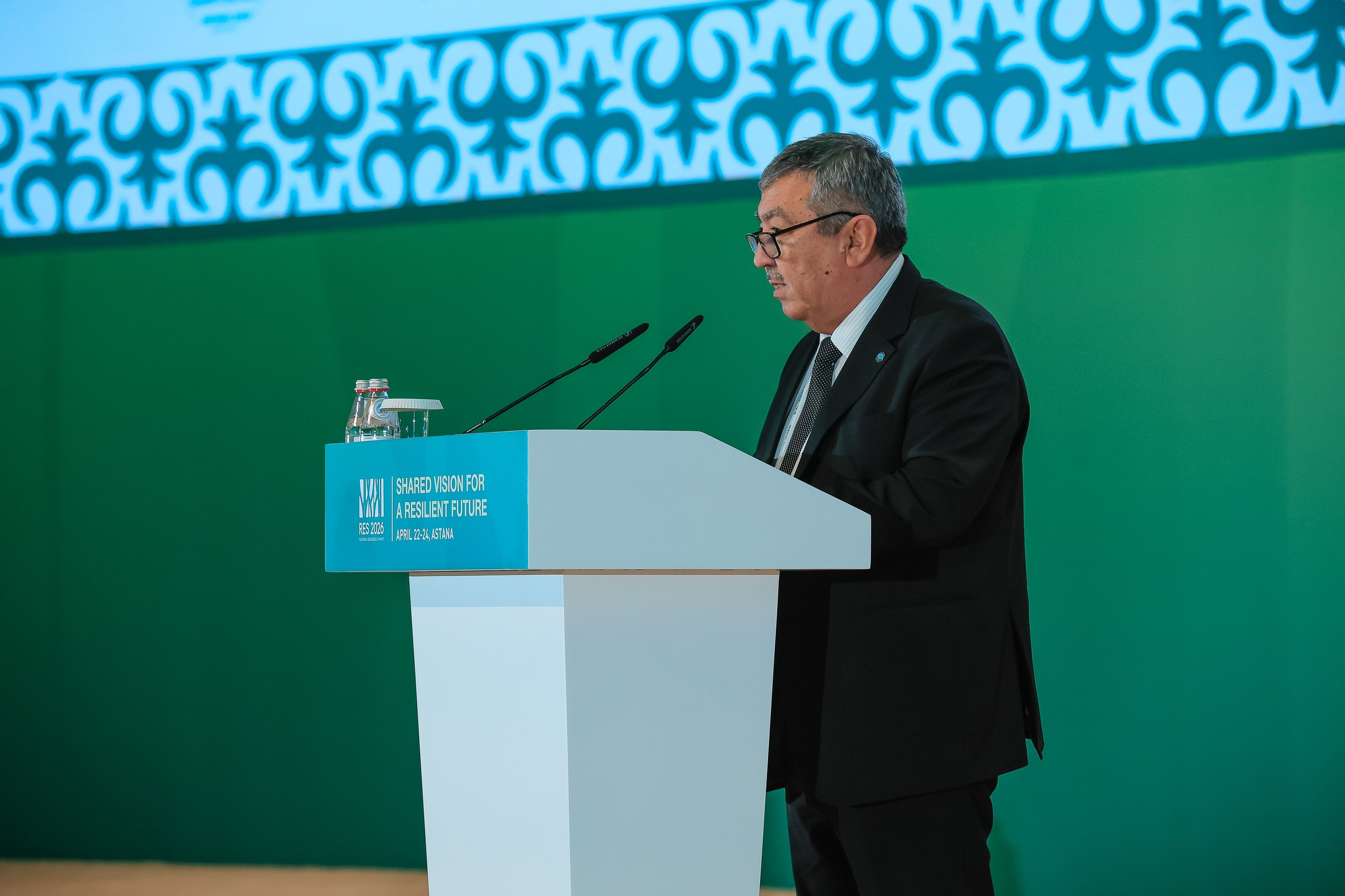
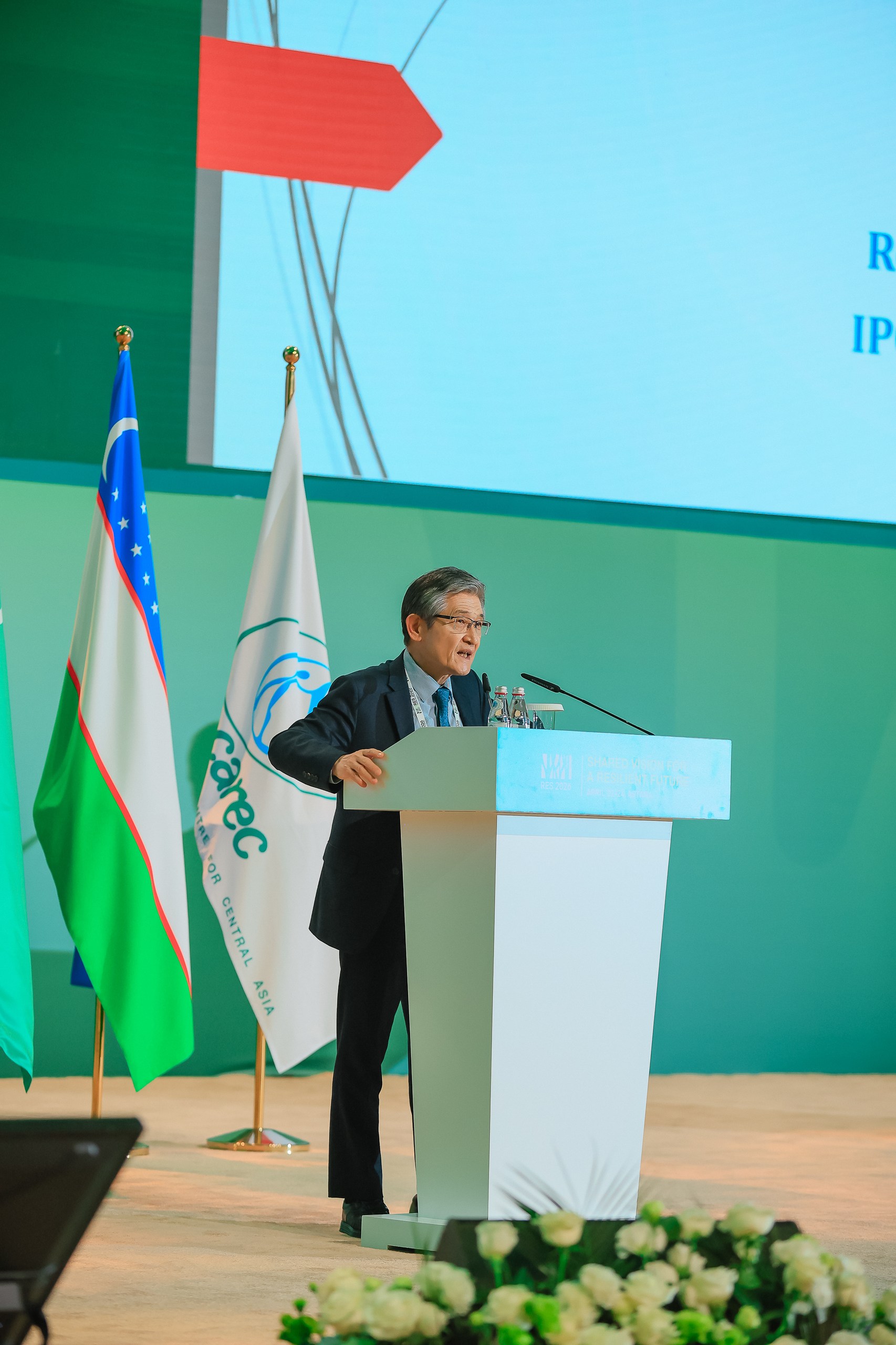
Batyr Mammedov, Executive Director of the Regional Environmental Centre for Central Asia (CAREC), expressed appreciation to all participants for their open and productive engagement.
As noted by Batyr Mammedov, over the three days discussions covered a wide range of topics — from updated climate commitments and the outcomes of COP30 to methane, climate finance, renewable energy, water-energy cooperation, risk management, landscape restoration and sustainable water use.
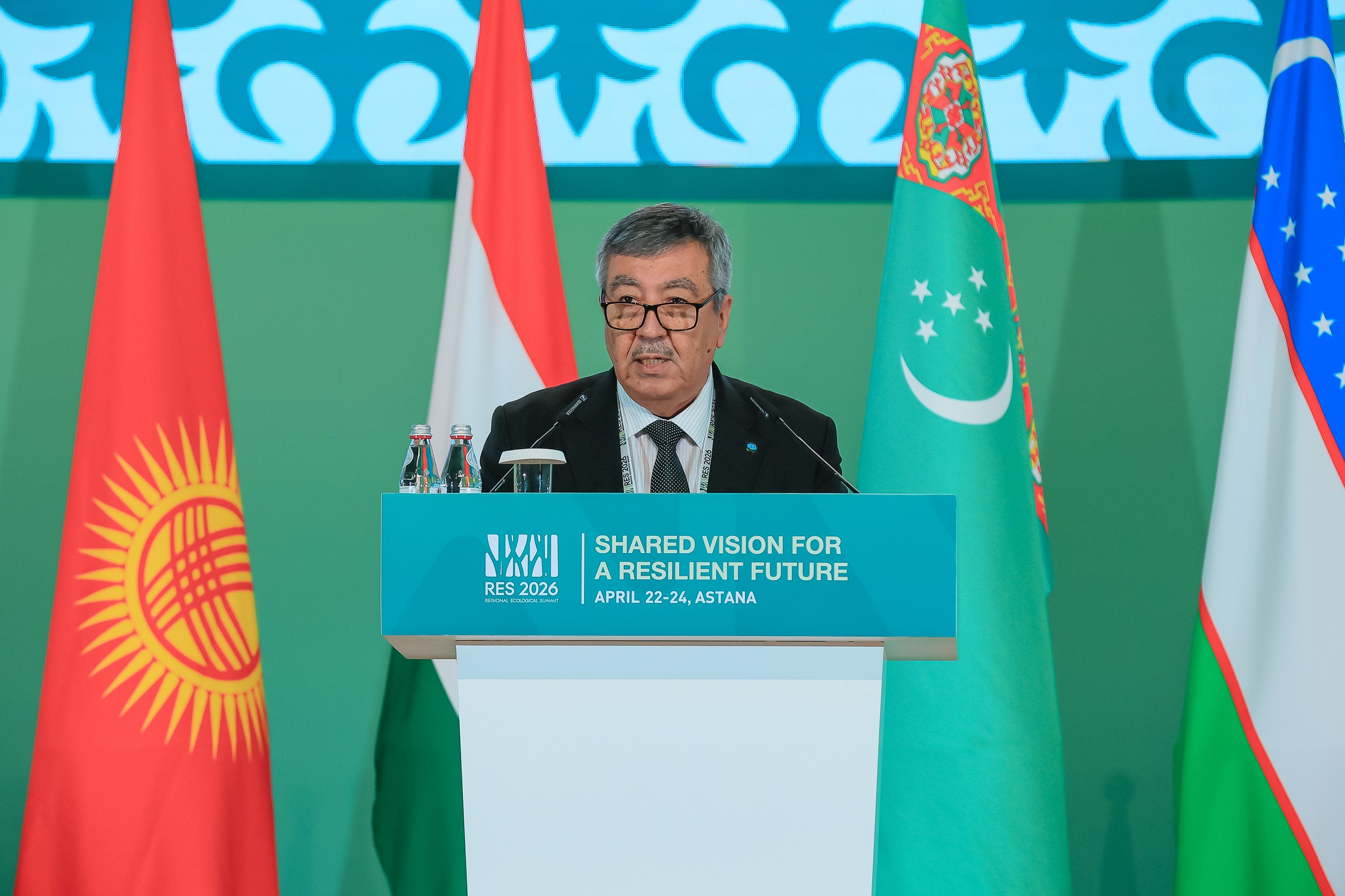
It was emphasized that the region is moving into a phase where the key priority is no longer updating declarations, but their practical implementation through joint initiatives, investments and institutional mechanisms.
Participants highlighted several important trends: Central Asian countries are increasingly viewing the climate agenda as part of their own development and security strategies; at the same time, most challenges require coordinated regional approaches rather than purely national solutions.
The conference demonstrated the region’s readiness to move from discussion to concrete mechanisms — including roadmaps, memoranda, investment projects and engagement with international financial institutions. It was also noted that preparations for COP31 have effectively already begun through the ongoing dialogue in Astana, contributing to more coordinated and practical outcomes.
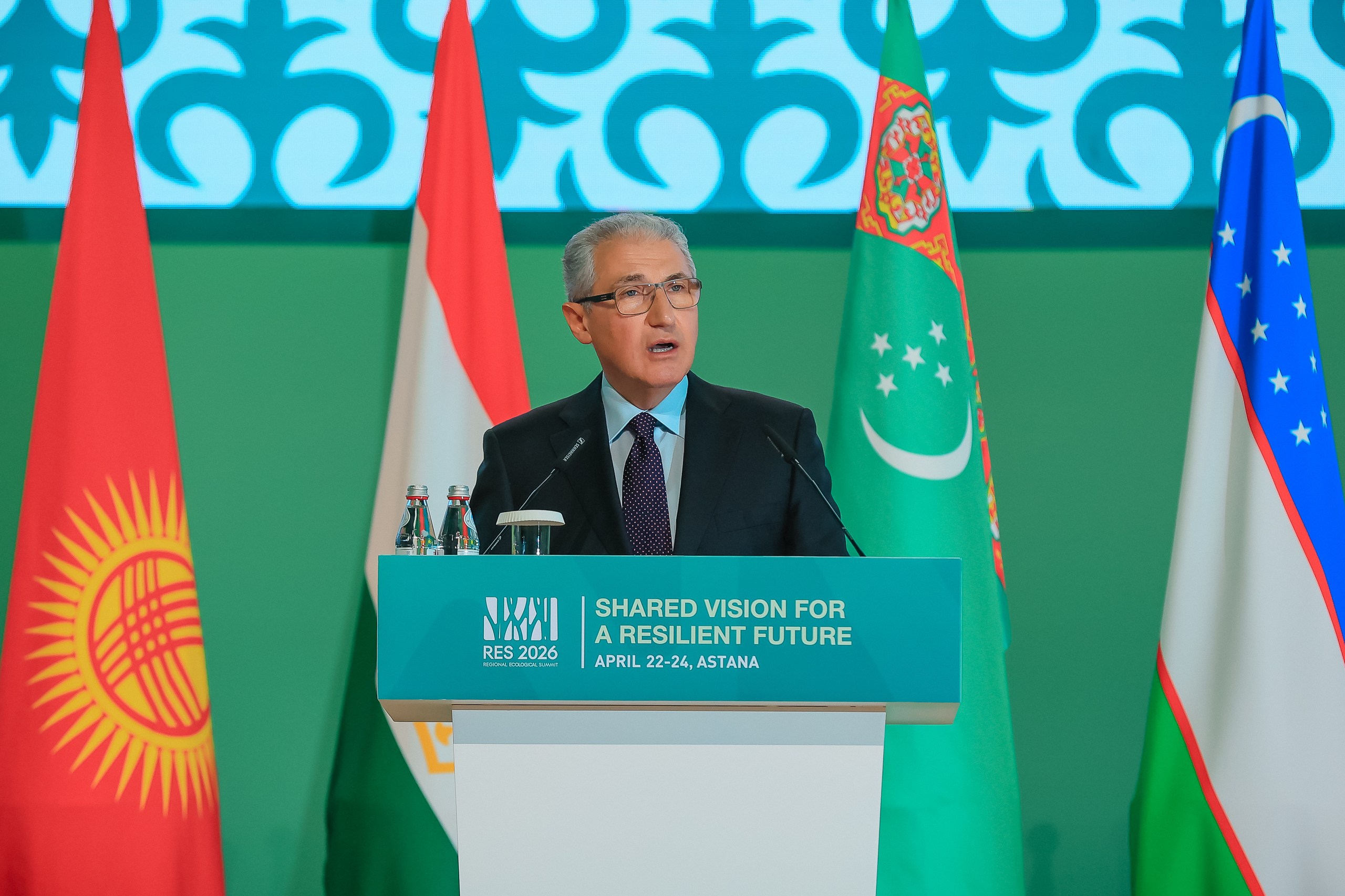
COP29 President and Representative of the President of Azerbaijan on Climate Issues Mukhtar Babayev noted that the importance of regional platforms such as this is growing significantly. “It is precisely here that global commitments are translated into regional realities and where implementation begins to take shape through cooperation, coordination and shared priorities,” he said.
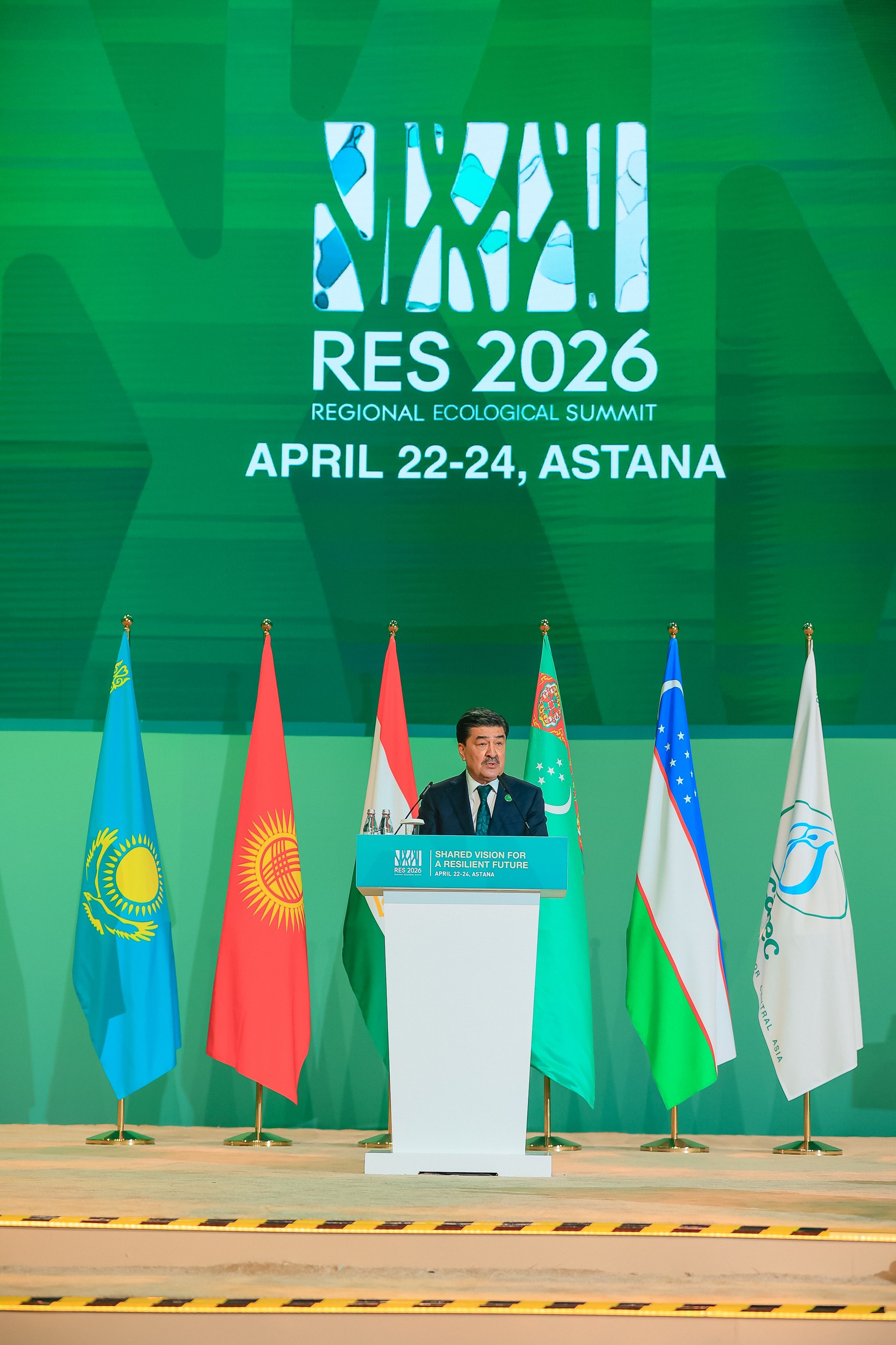
At the closing session of CACCC-2026 titled “Towards COP31,” participants summarized the conference outcomes and outlined next steps for developing a consolidated position of Central Asian countries ahead of the upcoming UN Framework Convention on Climate Change Conference of the Parties.
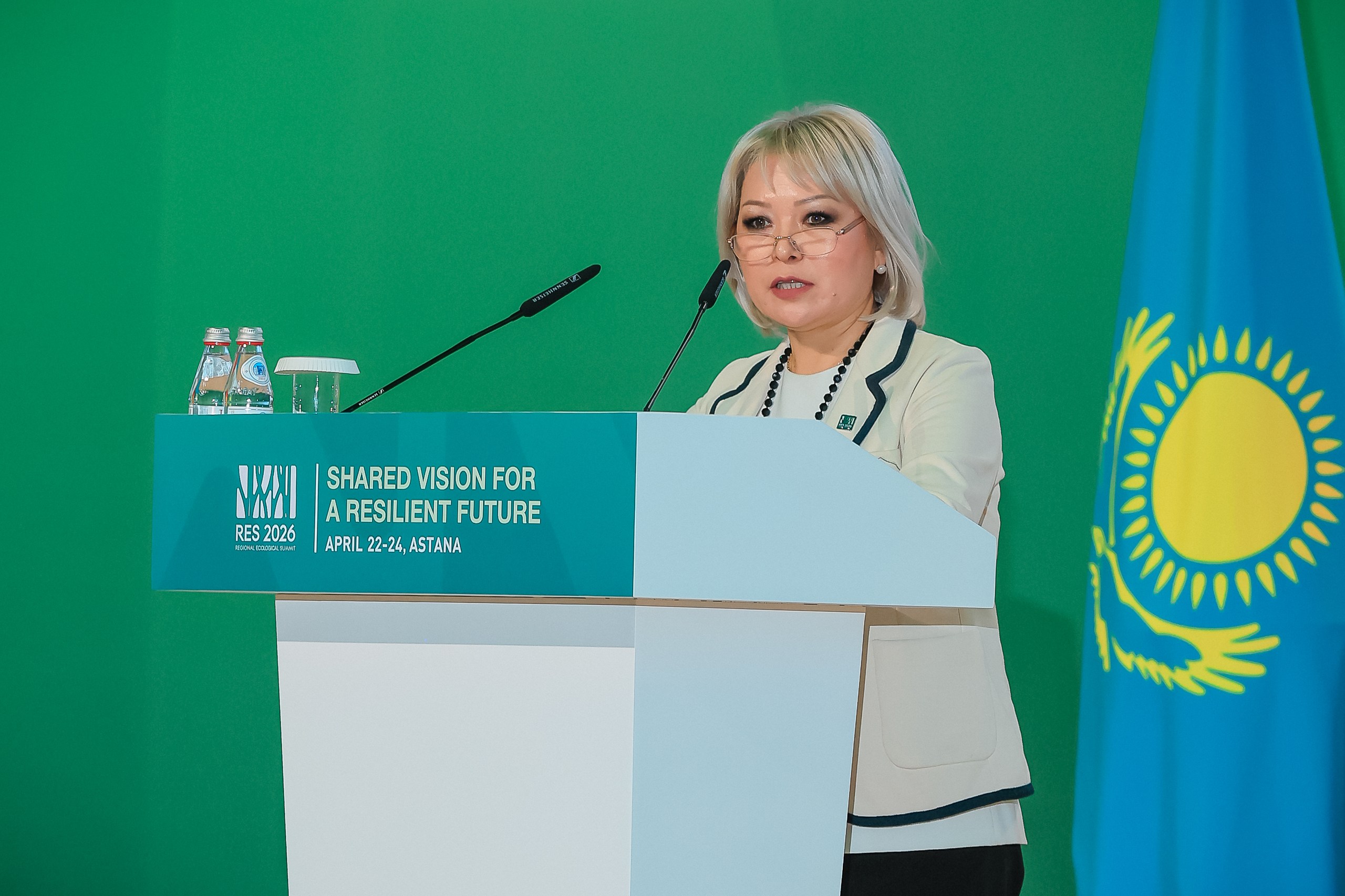
“Over these days, we have once again seen that for Central Asia, climate change is no longer a matter of distant projections — it is a factor directly affecting water, energy, agriculture and infrastructure, public health, and the overall resilience of our development models. For our region, the climate agenda can no longer be treated as a separate environmental issue. It has already become a matter of economic resilience, regional security and the quality of public planning,” said Kazakhstan’s Minister of Ecology and Natural Resources, Yerlan Nysanbayev, in his closing remarks.
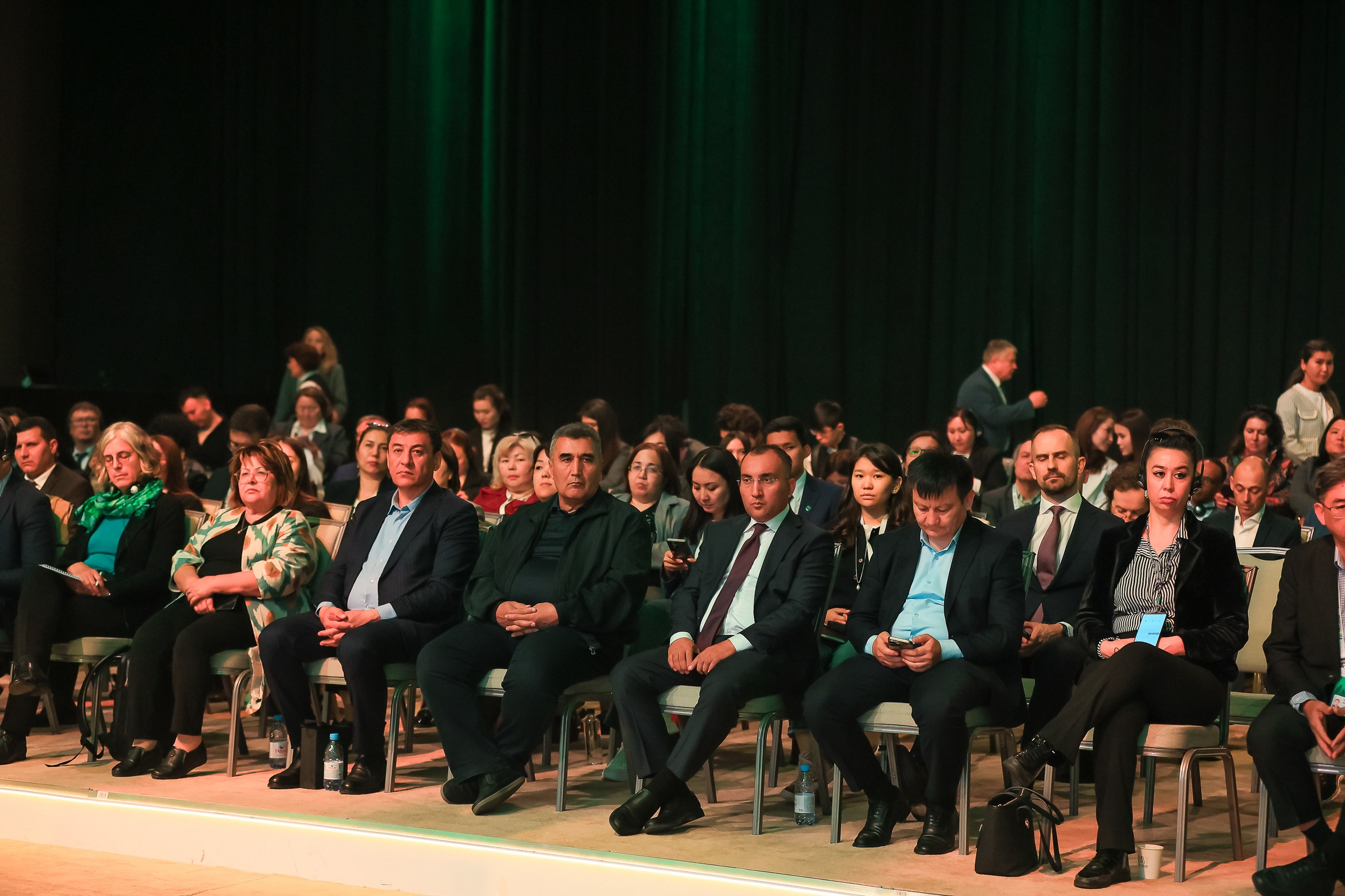
The outcomes of CACCC-2026 reinforced the understanding that the region requires more coordinated approaches on water, adaptation, energy, disaster risk management and resilient infrastructure.
As noted, the conference demonstrated a clear demand for closer exchange of experience across the region. While countries differ in starting conditions and capacities, many of the challenges are similar, suggesting that solutions can be developed through stronger regional cooperation.
“For Kazakhstan, hosting CACCC in Astana alongside the Regional Ecological Summit is of particular importance. It is significant that within one week we were able to bring together a high level of political participation, expert discussion and partner dialogue — this in itself is already a result,” Yerlan Nysanbayev said.
Participants were presented with and approved the final resolution of CACCC -2026, reflecting the key political, institutional and investment outcomes of the conference. Particular attention was given to regional coordination, mobilization of climate finance and the advancement of joint initiatives in sustainable development.
-----------------------------------------------------
CACCC-2026 is hosted by CAREC as part of the Resilient Landscapes in Central Asia (RESILAND CA+) Program of the World Bank, in cooperation with the Central Asia Water and Energy Program (CAWEP), the World Bank, and Deutsche Gesellschaft für Internationale Zusammenarbeit (GIZ) GmbH, with additional valuable support from other programs and partners.
CACCC-2026 Organizational Contacts:
Dilovarsho Dustzoda, Advisor to the CAREC Executive Director – ddustzoda@carececo.org
Azamat Kauazov, CAREC Programme Manager on Climate Change and Sustainable Energy – cacip@carececo.org
Vladimir Grebnev, CAREC Regional Climate Change Specialist – cc_specialist@carececo.org