

On May 29, a national workshop on the development of biosafety policies and guidelines was held in Talas as part of the FAO/GEF project “Implementation of the National Biosafety Mechanism of the Kyrgyz Republic in accordance with the Cartagena Protocol on Biosafety.”
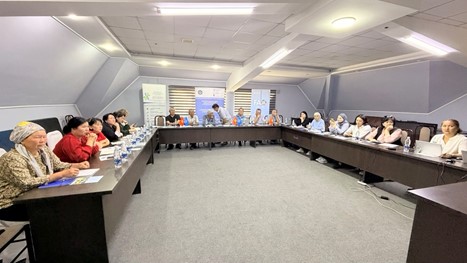
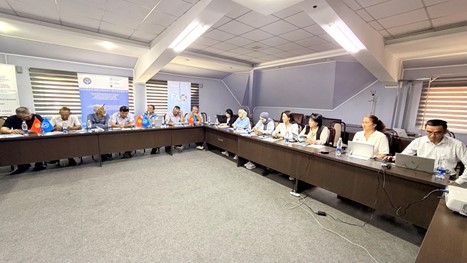
The event brought together representatives of government agencies in the Talas Region, the scientific community, educators, farmers, laboratory specialists, and experts. Participants discussed current issues related to biosafety, the regulation of GMOs, and measures to raise public awareness at the regional level.
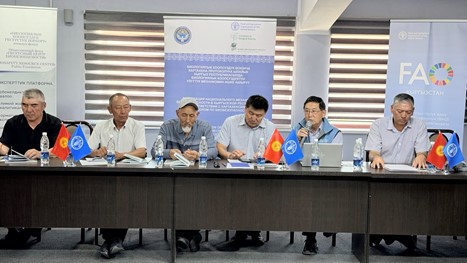
In his opening remarks at the seminar, CAREC expert Abdymital Chyngozoev emphasized the importance of strengthening the national biosafety system and fostering cooperation among government agencies, the expert community, and regional authorities.
Today, biosafety issues are becoming increasingly relevant. As a party to the Cartagena Protocol, Kyrgyzstan must develop effective control mechanisms, raise public awareness, and improve its legislative framework. It is important for the regions to actively participate in this process,” noted Abdymital Chyngozhoev.
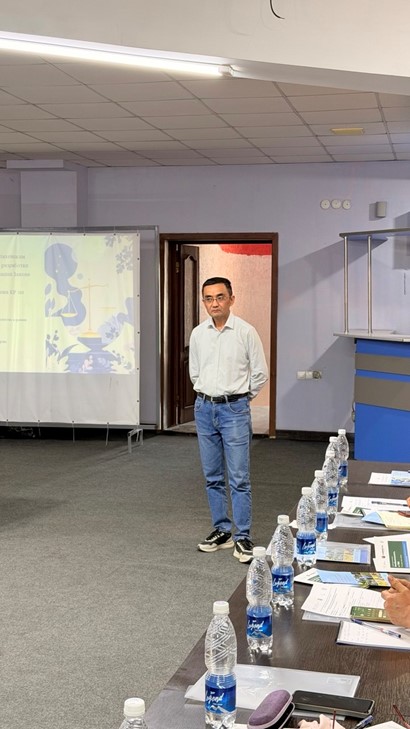
Ermek Kurmankulov, head of the laboratory at the Center for Veterinary Diagnostics and Expertise (CVDE), presented Kyrgyzstan’s experience in the detection and identification of GMOs.
“To ensure biosafety, it’s not just laws that matter, but also the technical infrastructure, trained specialists, and modern equipment. Today, the control and monitoring system is gradually being strengthened,” he said.
The seminar also addressed the socioeconomic aspects of GMO management, as presented in a report by expert Maral Sagynalieva, including issues of sustainable development, gender equality, and social inclusion.
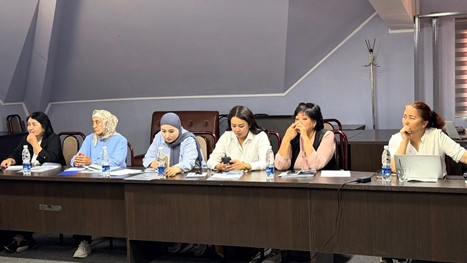
Teachers at educational institutions in the Talas Region emphasized the importance of improving young people’s knowledge of genetics, biotechnology, and biosafety.
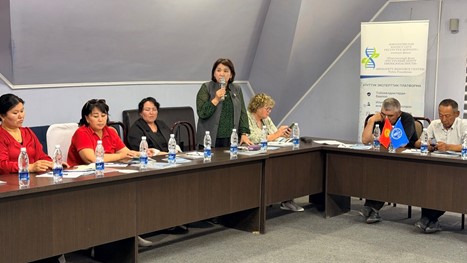
Zamira Tashibekova, Dean of the Faculty of Agribusiness, Bioecology, and Tourism at the Talas Regional Multidisciplinary Institute of the Kyrgyz National University named after J. Balasagyn, noted:
“Today’s youth need to understand how modern technologies are evolving and why biosafety issues are important for the environment, agriculture, and the future of the country. This topic is closely linked to our scientific research in the fields of genetics and biotechnology and is of great importance for sustainable development and food security.”
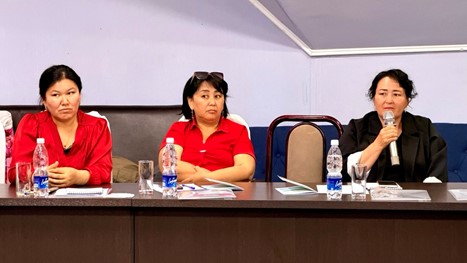
She also emphasized the importance of international cooperation:
“It is particularly important that, with the support of partners such as FAO and the GEF, systematic work is being carried out in our country to develop the legislative framework and strengthen laboratory capacity. This allows us to improve scientific approaches, enhance the training of specialists, and effectively respond to contemporary challenges in the field of biosafety.”
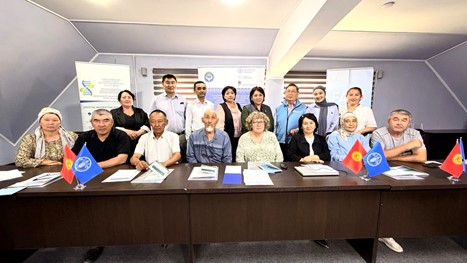
Holding such events helps strengthen the Kyrgyz Republic’s national capacity in the field of biosafety, foster scientific cooperation, and fulfill international obligations under the Cartagena Protocol on Biosafety.