

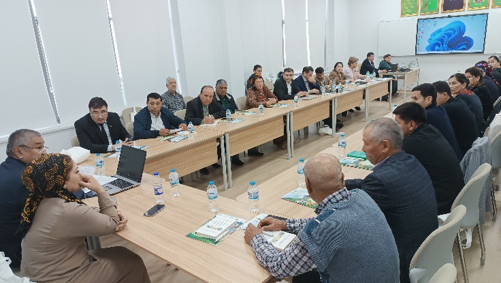
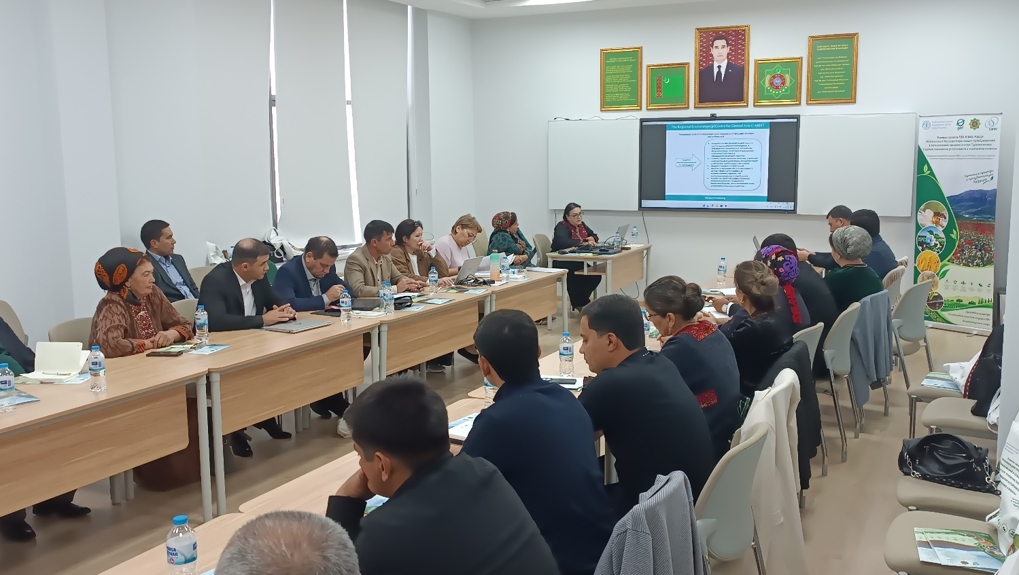
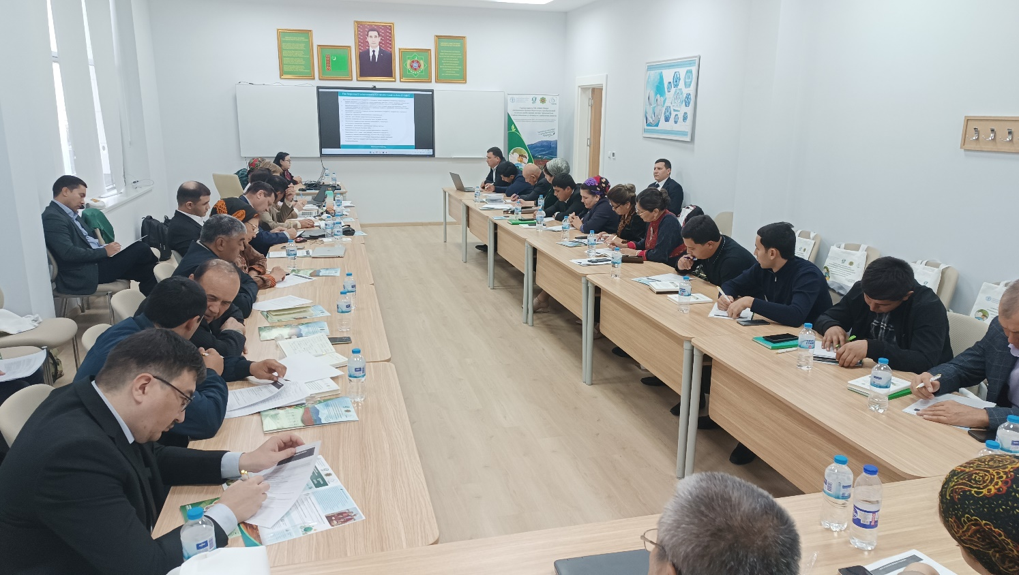
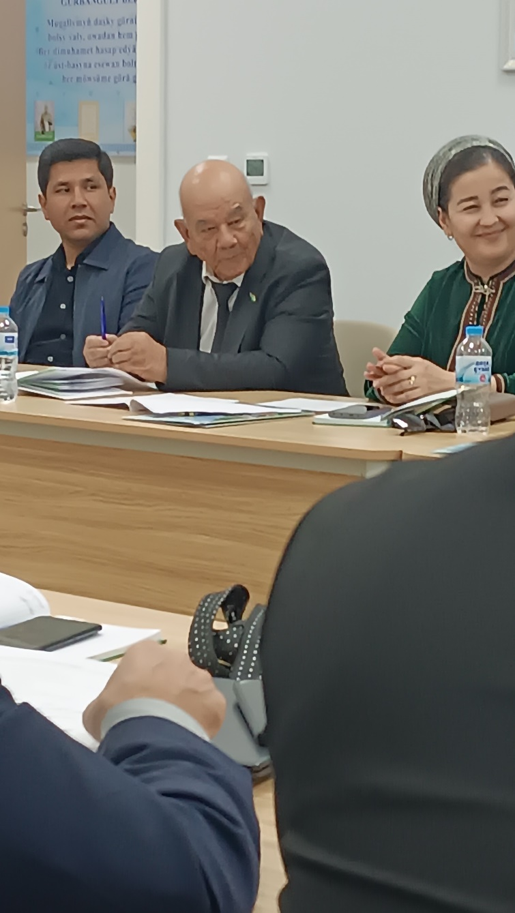
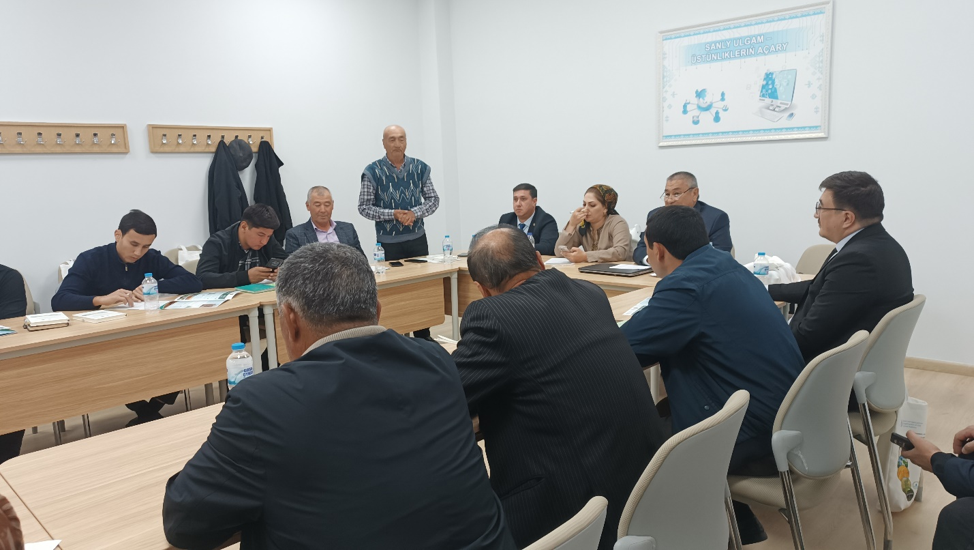
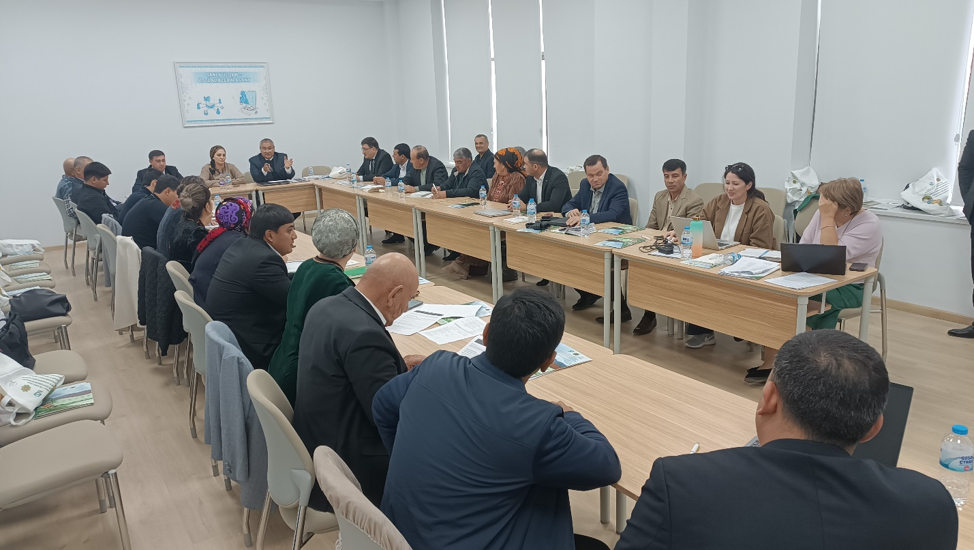
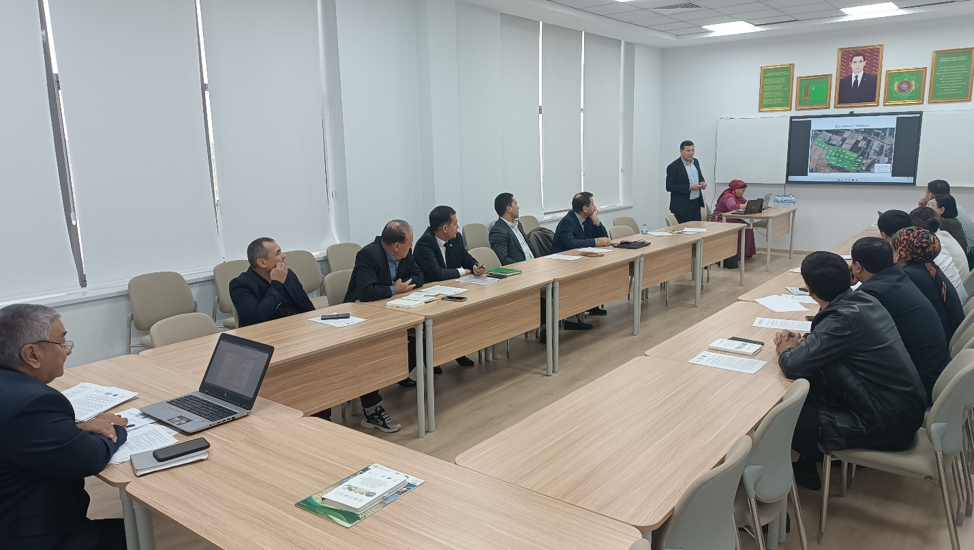
On 27 October, activities continued in Turkmenabat city, where an information seminar was held in the conference hall of the S. Seydi Turkmen State Pedagogical Institute. The event brought together representatives of partner organizations from Lebap velayat and Chardzhev etrap, local executive and local self-government authorities, relevant technical specialists and practitioners, farmers, land tenants, beekeepers and other stakeholders.
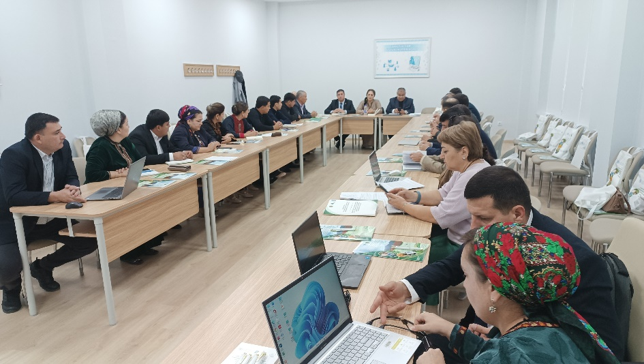
The selection of this region is particularly important for the project’s implementation, as it is at the local level that practical approaches to ecosystem restoration, the sustainable use of natural resources and strengthening the resilience of agricultural production will be piloted and implemented.
During the seminar, participants were introduced to the project’s key areas of focus, taking into account the specific characteristics of Chardzhev etrap in Lebap velayat, mechanisms for cooperation with pilot areas and local communities, as well as priorities related to biodiversity conservation, the sustainable use of water resources, sustainable farming and the development of beekeeping.
Particular attention was given to gender-inclusive participation, the integration of climate considerations into agricultural practices, and the application of Nature-based Solutions to restore degraded lands and maintain ecosystem functions.
“In implementing the project, it is important to take into account the specific characteristics of each area and the existing needs of local communities. Our work will focus on the practical application of Nature-based Solutions, particularly in ecosystem restoration, biodiversity conservation, and the sustainable management of land and water resources. Equally important is establishing cooperation with local specialists and communities to benefit from their experience and ensure their active involvement in the implementation of project activities,” noted Dovlet Jumagulyyev, Project Coordinator for the Implementation of Nature-based Solutions.
The second half of the day was devoted to the first meeting of the Technical Working Group on Biodiversity. Participants discussed the activity plan for the first year of project implementation, cooperation with partners, and the significance of the planned renovation works at the Yerajy cordon and the administrative building of the Repetek State Nature Reserve.
Other topics included the application of Nature-based Solutions for biodiversity conservation and ecosystem restoration in Chardzhev etrap, the involvement of local communities, gender considerations in conservation activities, and the role of agroforestry in maintaining biological diversity.
28 October: Technical Working Groups on Land and Water Resources and Sustainable Agriculture
On 28 October, two additional meetings of the project’s Technical Working Groups were held in Turkmenabat.
The morning session focused on the sustainable management of land and water resources. Discussions centered on improving land-use practices, enhancing water-use efficiency, implementing mini-pilot projects, and restoring wetlands as essential components of natural water resource conservation.
Participants also addressed the social and gender aspects of natural resource management, the importance of engaging local communities, and the prospects for applying integrated approaches to the sustainable management of areas in Chardzhev etrap.
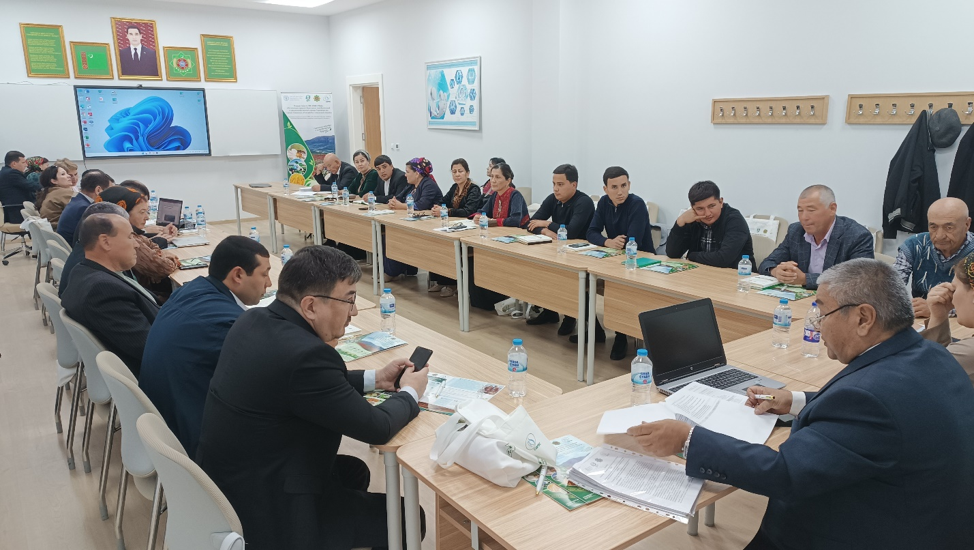
In the afternoon, a meeting of the Technical Working Group on Sustainable Agriculture was held. The main focus was on practical agricultural approaches that contribute to strengthening the resilience of agricultural production to climate change.
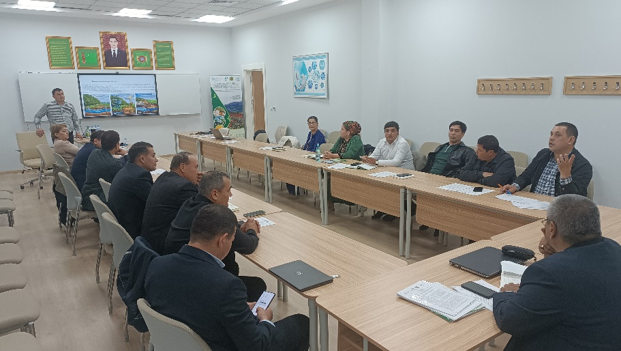
Experts presented regional experience in implementing sustainable agricultural practices and discussed prospects for developing agroforestry, the sustainable management of land and water resources, as well as opportunities for applying Nature-based Solutions (NbS) in the agricultural sector of Chardzhev etrap.
A separate topic focused on assessing the social impact of Nature-based Solutions, including their effects on local communities and opportunities to enhance women's participation in the development of sustainable agricultural practices.
The work of the three Technical Working Groups enabled more focused discussions on individual project components, helped identify priority areas for cooperation among specialists and partners, and provided an opportunity to consider practical tasks for the initial stage of project implementation.
Partnership as the Foundation for Long-Term Results
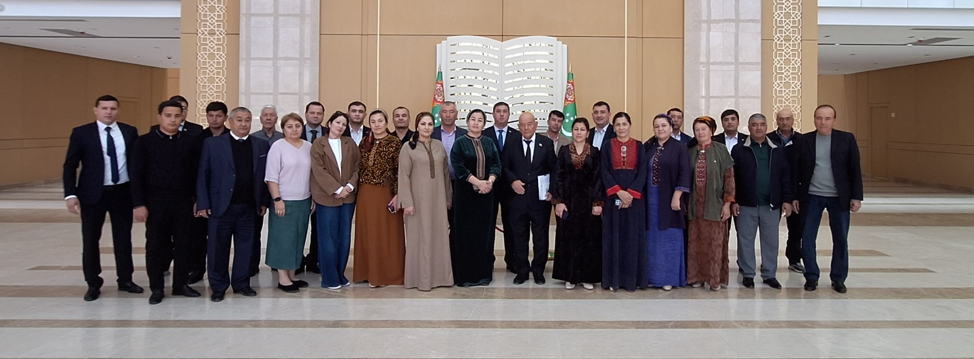
The three days of events marked an important milestone in establishing a common platform for cooperation among government institutions, FAO, CAREC, the expert community, and representatives of local areas.
The seminars and Technical Working Group meetings contributed to a shared understanding of the project’s goals and objectives, facilitated discussions on priorities across each of its components, and helped identify further steps towards the practical implementation of Nature-based Solutions.
Of particular importance is that the discussions went beyond general environmental issues and focused on specific areas of work in the pilot districts, including biodiversity conservation, ecosystem restoration, the sustainable management of land and water resources, and the development of sustainable agriculture.
The GEF-8-FAO-CAREC project aims to contribute to the development of a more sustainable model of interaction between agriculture and natural ecosystems in Turkmenistan. Its further implementation will be based on cooperation among relevant government authorities, international partners, experts and local communities, united by a common goal: preserving the country’s natural potential and strengthening the resilience of the agricultural sector to climate change.
Additional information:
Mergen Kepbanov – Director of the CAREC Project office in Turkmenistan, turkemenistan@carececo.org