

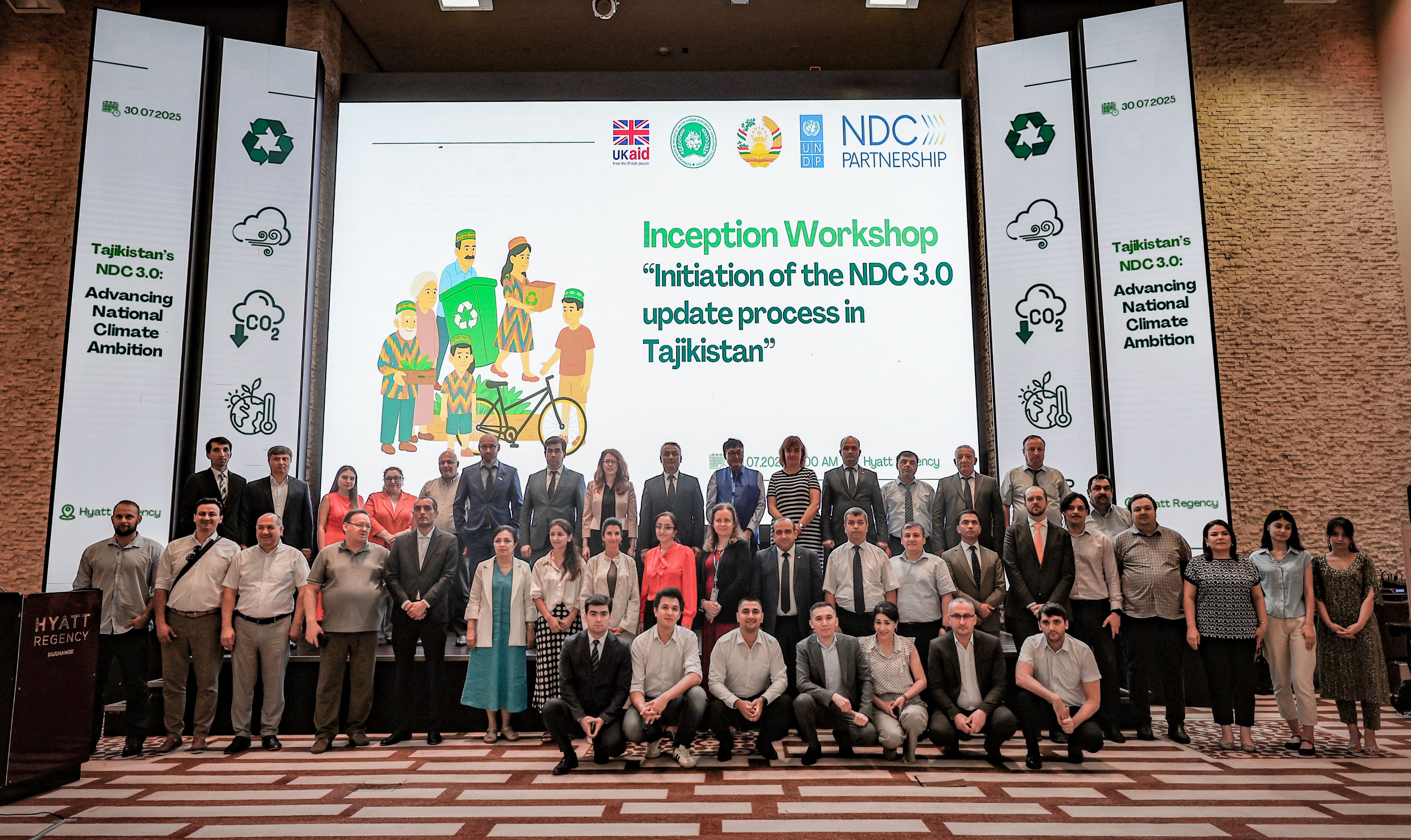
At a national inception workshop held at the Hyatt Regency Dushanbe, Tajikistan, the country formally began updating its Nationally Determined Contribution (NDC) under the Paris Agreement. As reported by Dilovarsho Dustzoda, Climate Change and Sustainable Energy Programme Manager at the Regional Environmental Centre for Central Asia (CAREC).
According to him, the meeting marked the start of the country’s third NDC revision cycle (NDC 3.0), which must be undertaken every five years to raise ambition. The Committee for Environmental Protection (CEP) will lead the process, with technical support from the United Nations Development Programme (UNDP) in Tajikistan through its Climate Promise initiative.
Context and objectives
Tajikistan submitted its updated NDC in October 2021, pledging to reduce greenhouse gas emissions by 40–50 per cent by 2030 compared to 1990 levels, when international support is available, and 30–40 per cent unconditionally. The revised NDC also expanded adaptation measures across the energy, water, agriculture, forestry, and transport sectors. With NDC 3.0 preparations under way, the workshop sought to:
- ensure stakeholders understand the scope and objectives of the revision;
- define roles and responsibilities for government, development partners, academia, civil society and the private sector;
- enhance coordination among the CEP, UNDP and other partners; and
- share international experiences to inform Tajikistan’s approach.
Expected outcomes include a clear roadmap and timeline, defined stakeholder roles and strengthened coordination mechanisms.
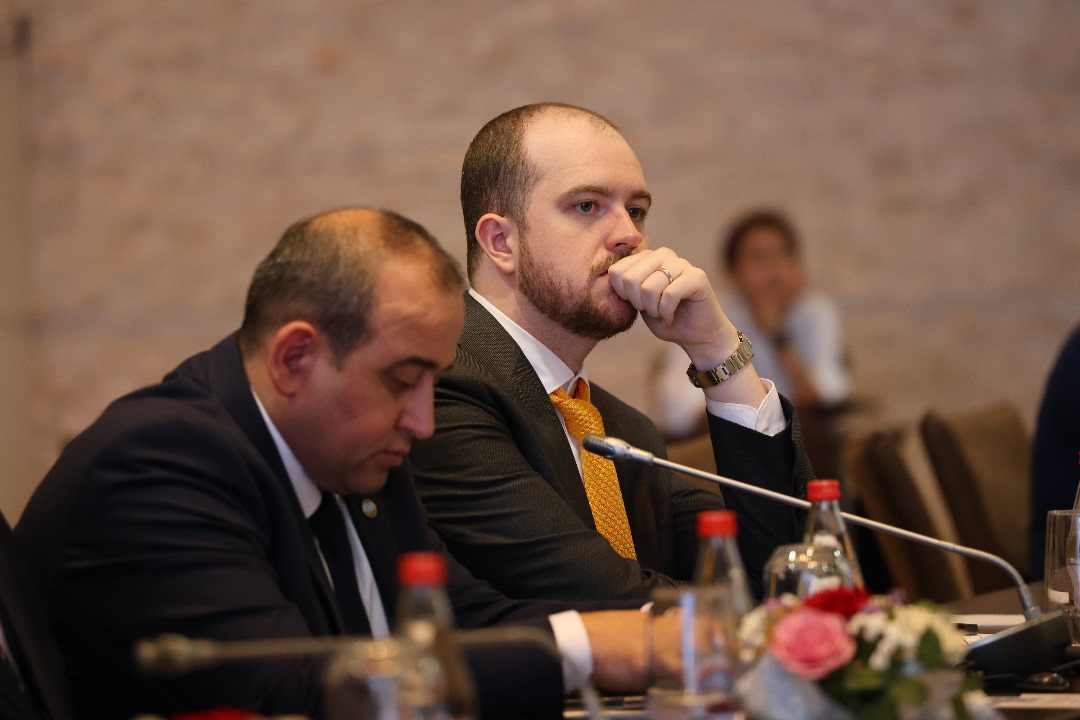
Highlighting Sustainable Consumption and Production
Dilovarsho Dustzoda, Climate Change and Sustainable Energy Programme Manager at the Regional Environmental Centre for Central Asia (CAREC), participated in the workshop and emphasized the importance of integrating sustainable consumption and production (SCP) and circular‑economy principles into Tajikistan’s NDC 3.0. Unsustainable consumption and production patterns are key drivers of the “triple planetary crises” – climate change, biodiversity loss and pollution. Central Asian countries, including Tajikistan, are heavily dependent on resource extraction and face mounting climate-related vulnerabilities, such as water scarcity and extreme weather events. Integrating SCP and circular‑economy approaches into climate policies offers an opportunity to strengthen climate ambition while supporting green economic growth.
Dilovarsho Dustzoda’s intervention drew on the European Union’s SWITCH‑Asia Policy Support Component technical advisory project. The initiative aims to align SCP and circular‑economy principles with climate ambitions across Central Asian countries by:
- conducting rapid assessments of climate policies, SCP priorities and material resource use;
- convening multi‑stakeholder consultations to explore SCP/CE strategies for mitigation and adaptation; and
- developing policy recommendations to strengthen climate ambition;
“Tajikistan’s updated NDC already covers mitigation and adaptation across multiple sectors, but incorporating sustainable resource use and circular‑economy principles can unlock deeper emissions reductions and resilience,” Dilovarsho Dustzoda noted. He encouraged the adoption of SCP/CE targets in sectors such as energy, agriculture, and waste management, and stressed the need for measurable indicators and private-sector engagement.
Stakeholder meetings
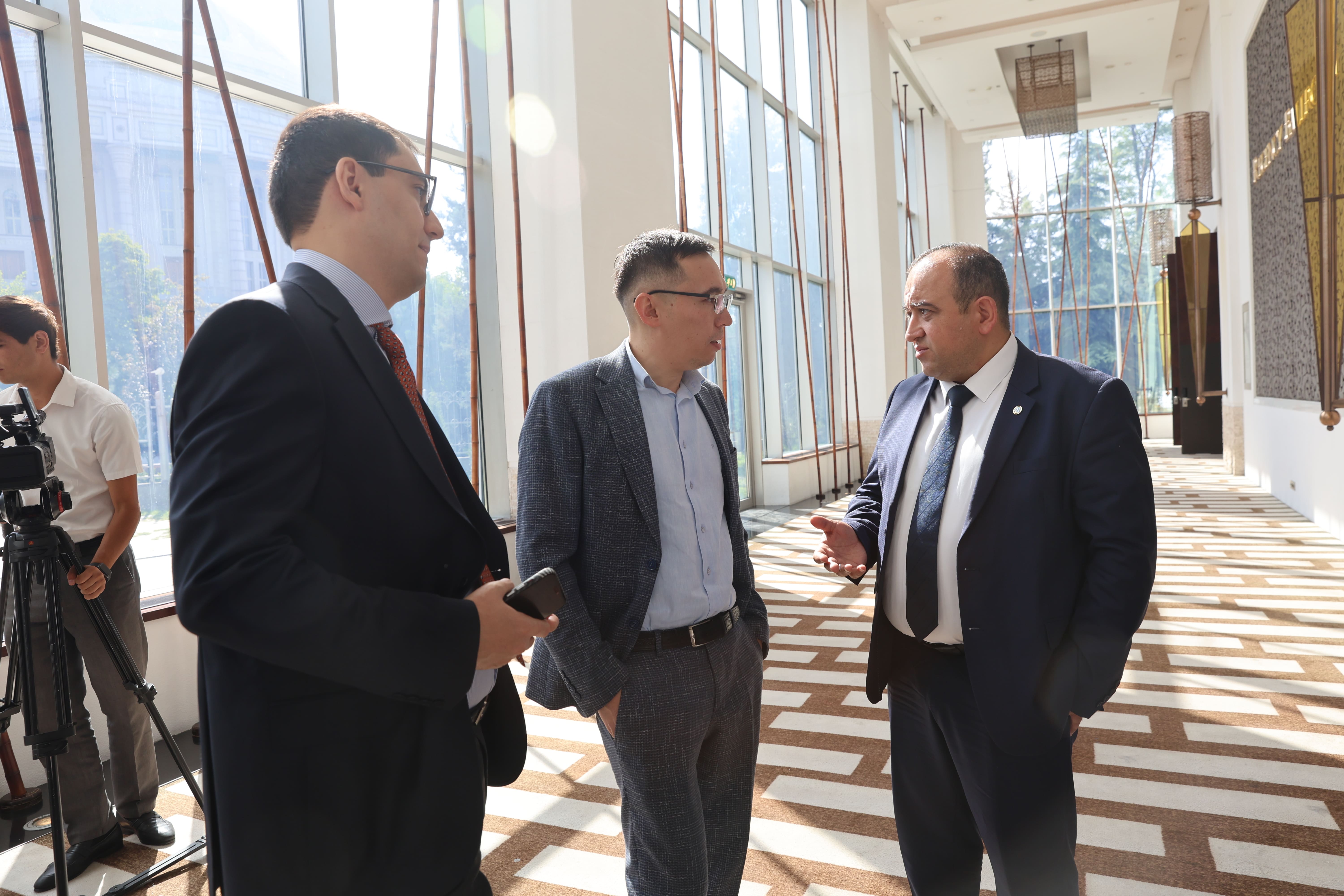
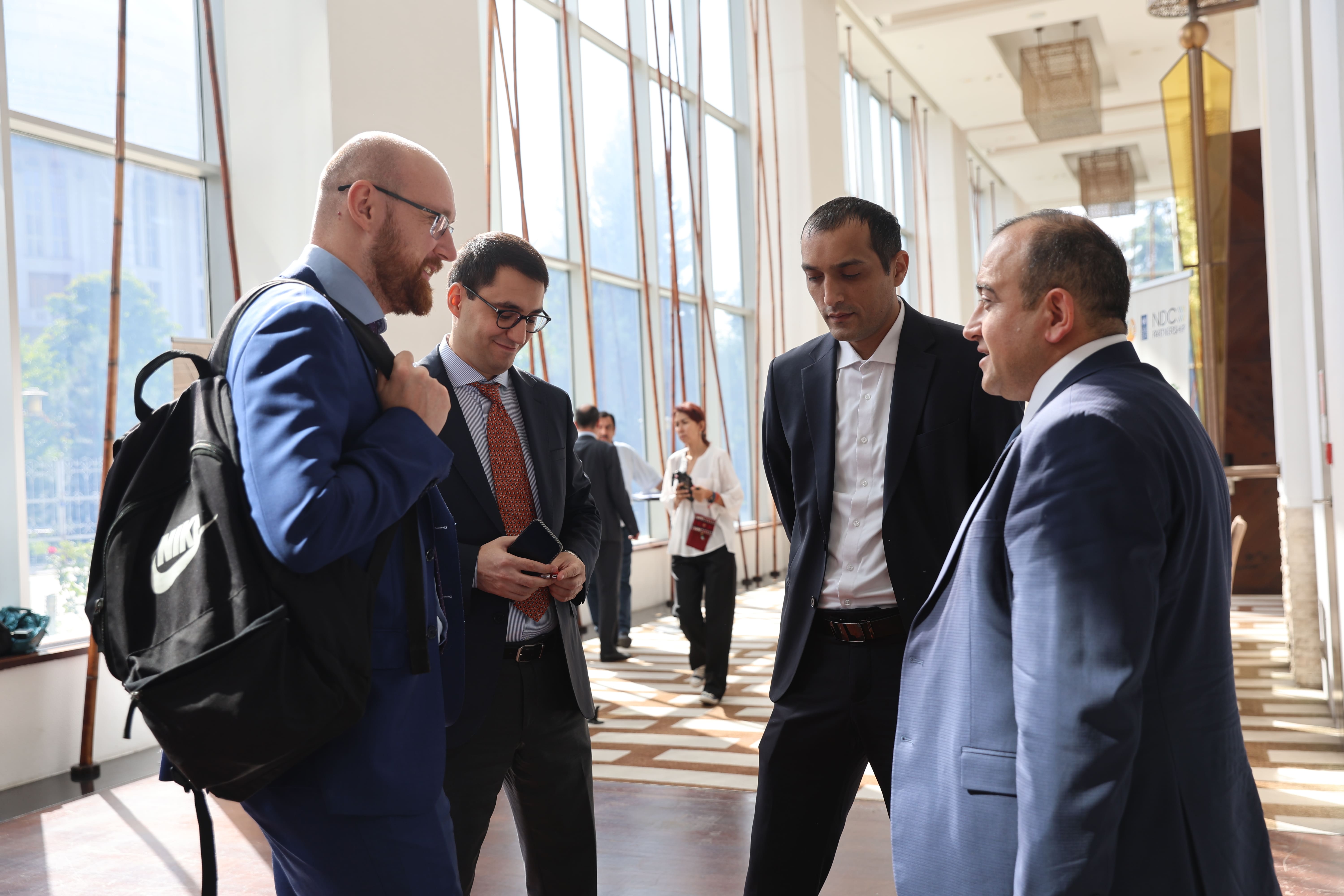
On the sidelines of the workshop, Dilovarsho Dustzoda met with representatives of the NDC Partnership, UNDP Tajikistan, the CEP and several non-governmental organizations to discuss how the technical advisory project can support Tajikistan’s NDC 3.0 development. Discussions focused on tailoring technical assistance to national priorities, building local capacity and ensuring that civil society and business actors are actively engaged in the revision process. The meetings reaffirmed that Tajikistan’s NDC 3.0 update should not only raise emission‑reduction ambition but also embed sustainable consumption and production practices to foster a circular, low-carbon economy.
Looking ahead
The inception workshop marks the following steps in developing a detailed NDC 3.0 work plan, conducting sectoral assessments and continuing stakeholder consultations. By integrating SCP and circular‑economy principles into its climate commitments, Tajikistan aims to deliver more ambitious mitigation and adaptation targets while advancing sustainable development and resource efficiency in line with its international obligations.
Additional information:
Dilovarsho Dustzoda - Climate Change and Sustainable Energy Programme Manager at CAREC, recath_manager@carececo.org