

In 2023, lead exposure caused more than 3.5 million deaths worldwide, primarily due to cardiovascular diseases. According to researchers' estimates, the global burden of disease attributable to lead also amounted to 71.6 million disability-adjusted life years (DALYs) lost to premature death and disability. Children are especially vulnerable: exposure to this toxic metal can disrupt brain development, reduce cognitive abilities, and impair learning. There is no known safe blood lead concentration.
Where is lead found, and why is it all around us?
For decades, lead has been widely used in industry and manufacturing. Today, it can still be found in legacy paint, certain types of ceramic cookware, toys, jewelry, and some cosmetics. It can also leach into drinking water from lead-containing pipes and plumbing fixtures.
A significant contribution to environmental contamination comes from ore mining and processing, metallurgical production, battery recycling, and improper hazardous waste management. Lead-bearing particles settle in soil and dust, contaminating surfaces and grazing lands, and under certain conditions, can enter the food chain.
The hazard lies in the fact that lead does not biodegrade and can persist in the environment for decades. Consequently, the closure of an industrial plant or workshop does not mean the pollution has disappeared. Residual contamination can continue to spread with dust, enter indoor spaces, and serve as an ongoing source of human exposure.
Lead and children's health: Why is the risk higher?
Young children are particularly vulnerable to lead exposure. They frequently put their hands and objects into their mouths, which allows contaminated dust and soil particles to enter their bodies during play. According to the World Health Organization (WHO), children absorb 4 to 5 times as much lead from an ingested dose as adults. Because a child's nervous system is still developing, lead exposure can cause irreversible impairment to brain development, reduced cognitive abilities, and learning difficulties. Furthermore, exposure is not always accompanied by
noticeable symptoms.
Not all old items, paints, or metal pipes necessarily contain hazardous amounts of lead. The presence of the metal and the degree of risk must be confirmed through laboratory testing. If there is reason to suspect lead exposure, the need for a blood test should be discussed with a healthcare provider.
Lead exposure is also a pressing issue for Central Asia. Results from the first national study on blood lead levels among preschool-age children in Kyrgyzstan, presented in 2026, showed that 21% of the 930 children tested had blood lead levels exceeding 5 µg/dL—a threshold requiring the identification and remediation of exposure sources. Importantly, the assessment covered the general pediatric population rather than solely areas with documented industrial contamination. These findings underscore the necessity of systematically identifying potential sources of lead in residential environments, consumer products, soils, and water.
Lead in soil and water: how to halt the spread of contamination
According to the WHO, more than 75% of global lead consumption is dedicated to the manufacturing of lead-acid batteries used in vehicles. Improper handling of end-of-life batteries can lead to soil and groundwater contamination, creating long-term risks for the environment and human health.
To discuss how lead contamination spreads, the complexities of remediating contaminated sites, and the measures needed to address this challenge in Central Asia, we spoke with Vladimir Grebnev, an environmental expert and representative of the Regional Secretariat for the One Health in Central Asia program.

Vladimir, why does lead contamination, particularly the improper handling of end-of-life batteries, pose a long-term threat to the environment?
The combination of lead-bearing waste and acidic electrolyte generated during informal battery dismantling poses a distinct hazard. The bulk of the lead is contained in battery plates and active paste, while the electrolyte consists of sulfuric acid and can carry dissolved metal impurities. When discharged onto soil, acidic runoff can lower soil pH and increase the mobility of lead compounds. As a result, under certain conditions, contamination spreads not only across the surface but also into deeper soil horizons, threatening groundwater resources.
Lead does not naturally biodegrade and can persist in the environment. Consequently, shutting down a plant or workshop does not mean the pollution has been eliminated. It is essential to assess the condition of the soil and, where hydrogeological conditions warrant, the groundwater as well. Laboratory testing makes it possible to determine the extent of contamination and select appropriate site remediation measures.
How deep can lead penetrate into the soil?
There is no single answer in centimeters or meters. Migration depth depends on soil type, pH, the rate and volume of pollutant input, precipitation levels, and aquifer depth.
A 2000 field study by Jensen, Holm, and Christensen at scrap metal recycling facilities demonstrated that heavy metals were detected at depths of up to 80 centimeters at vehicle battery dismantling sites, and at depths of three meters in groundwater within sandy soils. A drop in pH to approximately 3.5 was also recorded at the study sites, which facilitated metal migration.
For Central Asia, local hydrogeological conditions are especially critical. Calcareous soils can partially neutralize acid, whereas sandy soils, fractured bedrock, and shallow water tables can heighten the risk of contaminant transport. However, findings from specific local studies cannot be generalized across the entire region.
Are there confirmed examples of water contamination by lead?
Yes. A 2021 study by Oloruntoba et al. conducted near an informal battery recycling cluster in Ibadan, Nigeria, found lead concentrations in sampled well, borehole, and surface water ranging from 0.12 to 8.8 mg/L. By comparison, the WHO guideline value for lead in drinking water is not to exceed 0.01 mg/L (10 µg/L).
While these data reflect a specific location and do not characterize conditions across Central Asia, they demonstrate why assessments of former battery workshops must include testing of nearby wells, boreholes, and surface watercourses, taking into account groundwater flow directions.
What methods are available for site remediation?
The choice of method depends on lead concentrations, as well as the depth and footprint of the contamination. For smaller sites with high metal concentrations, excavation and disposal of contaminated soil followed by replacement with clean backfill can be applied. This approach physically removes the bulk of the contaminant, but it requires the safe transport and management of hazardous waste.
Across broader areas, engineering capping, chemical stabilization of lead compounds, and specialized soil washing may be utilized. These techniques help reduce metal mobility and population exposure, though they do not always achieve complete removal.
When groundwater is contaminated, pump-and-treat systems or permeable reactive barriers may be required. Vegetative cover can also be established to stabilize surfaces and suppress dust generation. However, phytostabilization does not mean the lead has been removed from the soil; a substantial portion remains in the ground.
Are there examples of successful site remediation, and how long does the process take?
In Kyrgyzstan, remediation was carried out in 2016–2017 at the settlement of Sovetskoye on land contaminated by former lead operations. Approximately 400 metric tons of contaminated soil and tailings sand were excavated and removed. The primary earthworks took about two weeks, though subsequently identified residual hotspots required additional remediation measures.
Another example is the village of Dong Mai in Vietnam, where a comprehensive set of interventions was implemented between 2013 and 2015 to reduce lead exposure stemming from informal battery recycling. Following the capping of contaminated surfaces and supplementary environmental health measures, lead levels in treated residential yard soil dropped significantly. Within one year, the median blood lead level among children under the age of six decreased by 67%.
These examples demonstrate that remediation timelines depend on the extent and nature of the contamination. Primary civil works on small sites can take weeks or months, but site characterization and subsequent environmental monitoring require additional time. Where groundwater is impacted, remediation activities can extend over years.
What measures should Central Asian countries take to tackle this issue?
First and foremost, active and legacy informal collection and dismantling sites for lead-acid batteries must be identified. Soil profiling should then follow to measure lead and associated heavy metals at various depths, evaluate pH and mobile fractions of contaminants, and—where hydrogeological conditions warrant—establish groundwater monitoring.
Publicly available regional studies currently lack sufficient data to reliably determine how widespread electrolyte dumping is or the typical depth of contamination beneath such workshops across all five Central Asian states. Targeted site assessments and inventories are therefore essential.
From a One Health perspective, remediation cannot be deemed complete simply because a workshop has ceased operations or the ground surface appears restored. Verifiable reductions in risks to human health, animal health, and water resources must be confirmed through laboratory testing, alongside measures to prevent secondary contamination. Over the long term, the focus must shift from cleaning up isolated legacy sites to establishing environmentally sound lifecycle management for lead-acid batteries.
Lead in decorative paints: data on Tajikistan
Lead can enter the human body not only through contaminated soil, water, and dust, but also, as noted above, through contact with paints containing this toxic metal. Controlling such sources is especially critical in indoor environments where children live and learn.
According to the Fourth Environmental Performance Review of Tajikistan, prepared by the United Nations Economic Commission for Europe (UNECE) and published in September 2026, a 2016 study of decorative paints revealed lead concentrations exceeding recommended limits in 48 out of 51 tested samples. The review also noted that, as of 2024, Tajikistan had no dedicated regulatory restrictions governing lead content in paints.
While these findings do not reflect the current paint market, they point to the need for up-to-date research and compliance monitoring for products used in residential buildings, schools, and kindergartens. UNECE also recommends assessing lead exposure among children, developing laboratory capacities to test blood lead levels, and tracing the sources of exposure in every identified case.
At the same time, new regulatory mechanisms are gradually emerging across the region. In May 2026, the Eurasian Economic Union adopted a technical regulation on the safety of paints and varnishes, providing for a phased restriction on lead content in paints intended, among other uses, for residential spaces and childcare facilities. Different enforcement timelines have been established for Kazakhstan and Kyrgyzstan. Thus, alongside identifying contamination, the practical implementation of regulatory limits and safety verification of market products become vital priorities.
Environmental studies are underway, but lead data remain an open question
In Tajikistan, environmental monitoring includes soil and waste analyses, as well as ambient air and water quality testing. According to a press release from the Committee for Environmental Protection under the Government of the Republic of Tajikistan for the first half of 2026, 3,820 physicochemical tests were conducted during the reporting period, with 18 soil samples and 168 waste samples collected.
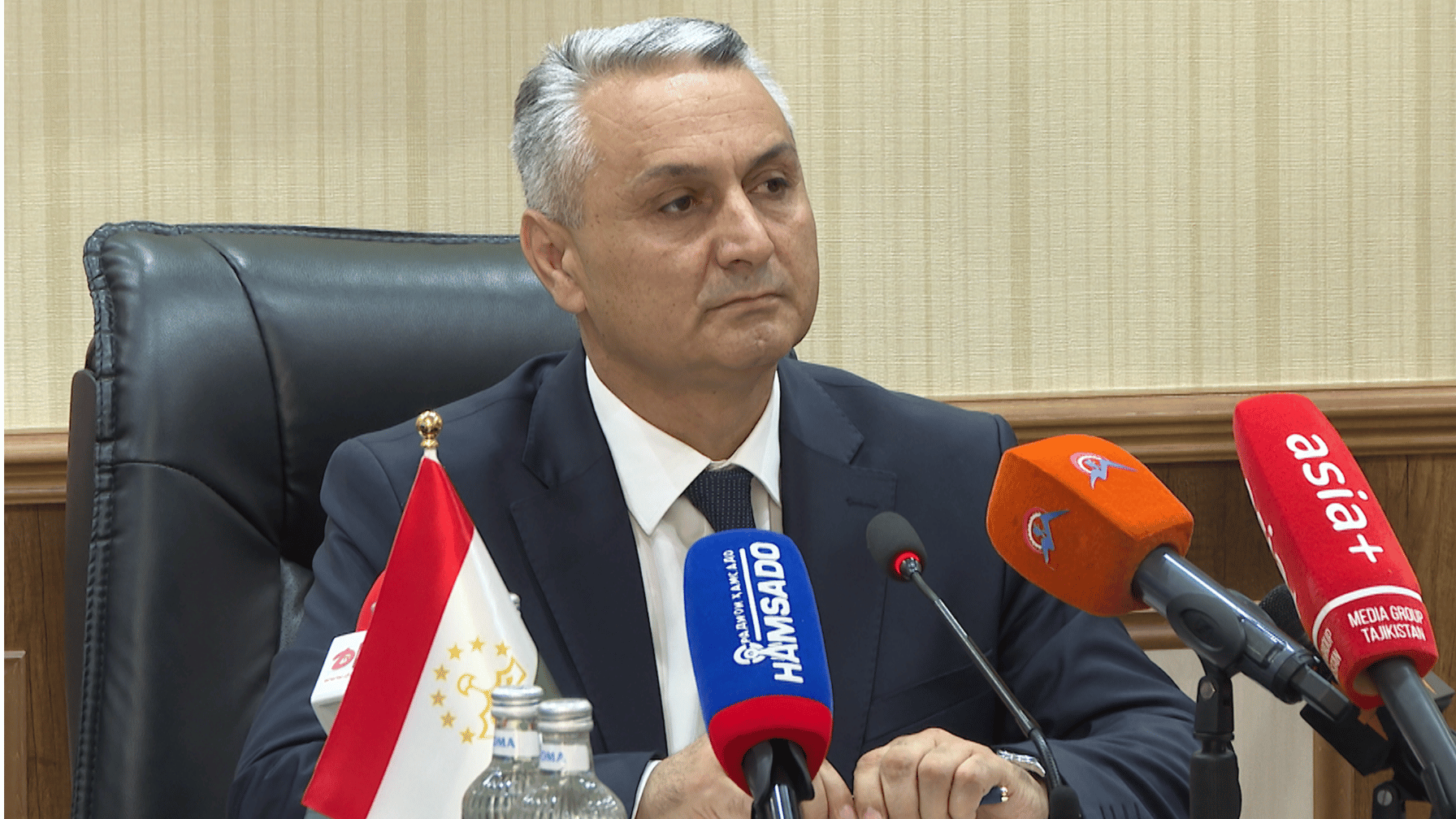
These figures indicate that environmental investigations are taking place. However, the published materials do not specify whether the collected samples were analyzed for lead or what the results of such analyses were. Therefore, based on this press release alone, it is impossible to draw conclusions regarding either the presence or absence of lead contamination across the assessed areas.
It is also important to consider that general ambient air quality indices do not measure lead concentrations in airborne dust particles; dedicated laboratory analyses are required for this purpose. Similarly, the existence of water and soil monitoring does not inherently confirm that this specific toxic metal was tested in the samples.
Consequently, the extent of lead contamination in Tajikistan and its potential impact on human health and the environment warrant further investigation.
Lead can enter the food chain
Lead contamination must be evaluated not only in terms of soil and water conditions, but also in light of its potential impact on livestock and food safety.
Lead dust settling on pastures can be ingested by livestock along with forage grass, feed, and soil particles. Studies conducted outside Central Asia confirm that lead can accumulate in livestock tissues and transfer into animal-source food products. The metal is distributed unevenly: the most pronounced accumulation occurs in bone tissue, the liver, and kidneys, whereas levels in muscle tissue and milk depend on the intensity and duration of exposure. Assessing the safety of livestock products therefore requires laboratory testing, particularly in areas with documented industrial contamination.
For Central Asia, this underscores the necessity of intersectoral collaboration among environmental, sanitary, veterinary, and agricultural authorities. It is crucial not only to identify contaminated sites, but also to determine whether they present risks to human populations through the food supply.
Questions that remain to be answered
How many sites across Central Asia are already contaminated with lead but remain uninvestigated? How well do we understand what is present in the soil, water, and dust where children live and play? How widespread is the contamination of decorative paints, pastures, and food products? And are the countries of the region prepared to join forces not only to identify contamination, but also to prevent its consequences?
For now, there are no definitive answers to these questions. Existing studies demonstrate that the risk of lead exposure cannot be ignored, yet evaluating the scope of the problem requires comparable laboratory data across countries and territories. Whether we can protect the health of current and future generations will depend on the timeliness of such studies and the concrete actions taken in response to their findings.
In place of a conclusion: Recommendations for Prevention!
The danger of lead lies not only in its toxicity, but also in its ability to persist in the environment for extended periods, silently enter the body, and impair children's health. Protecting the public therefore requires more than just identifying contamination; above all, it demands eliminating its sources, monitoring the safety of consumer products and the environment, and coordinating efforts across governmental agencies.
To reduce the risk of lead exposure, regularly wet-mop floors and wipe surfaces with a damp cloth, wash children's hands and toys frequently, and remove outdoor shoes before entering the home. Do not allow children to touch peeling or chipping paint. When renovating older properties, avoid dry scraping or sanding surfaces that may contain lead, as this generates hazardous dust.
Pay close attention to the origin of toys, ceramic tableware, cosmetics, and traditional remedies. If there is reason to suspect contamination of drinking water, soil, or household dust, consult an accredited laboratory. Boiling water does not remove lead.
A balanced diet containing adequate iron, calcium, and vitamin C helps reduce lead absorption, but it cannot replace source elimination. If a child may have been exposed to the metal, consult a physician about testing blood lead levels: lead exposure does not always present with noticeable symptoms.
While household measures help mitigate risks, true health protection requires identifying and eliminating environmental contamination sources. Achieving this requires systematic laboratory surveillance, reliable data on lead concentrations in consumer goods and the environment, and concerted action across environmental, sanitary, veterinary, and agricultural sectors.
This article was prepared for International Lead Poisoning Prevention Week, held on October 18–24, 2026, under the theme "From Detection to Prevention."
This publication was prepared by the Regional Environmental Centre for Central Asia (CAREC) under the Regional "One Health" Program in Central Asia. The program is implemented with financial support from the World Bank and the Pandemic Fund. The author is solely responsible for the content of this publication. The views expressed do not necessarily reflect the official stance of the World Bank or the Pandemic Fund.
Shoira Toirova — PR Specialist, "One Health" Program
For further information:
Oksana Kravtsova — Regional "One Health" Program Coordinator, CAREC, okravtsova@carececo.org