

17 November 2026, Antalya, Türkiye
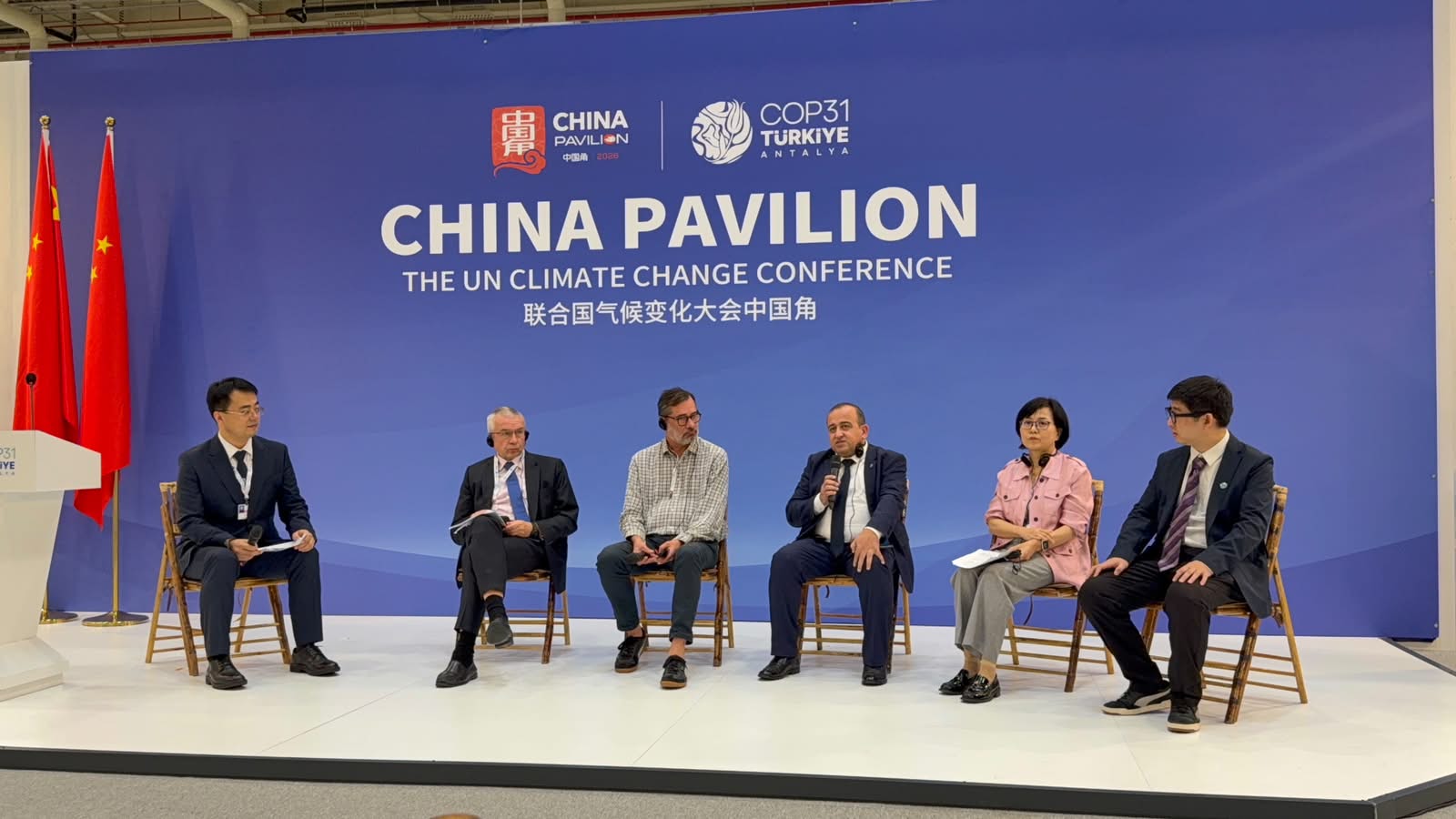
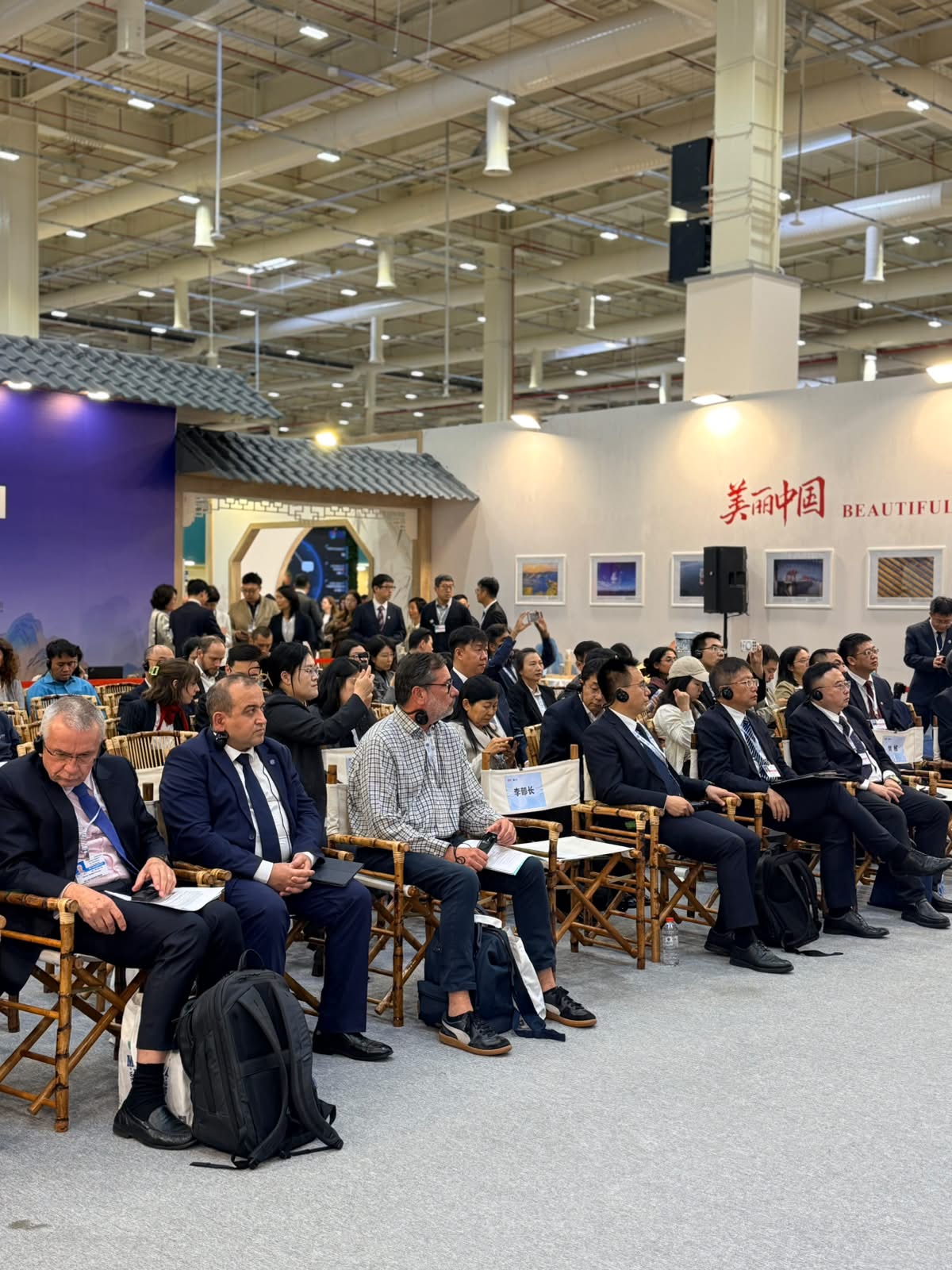
The Regional Environmental Centre for Central Asia (CAREC) participated in the high-level side event “Non-CO₂ Greenhouse Gas Emissions Management,” held on 17 November 2026 at the China Pavilion during the 31st Conference of the Parties to the UN Framework Convention on Climate Change (COP31) in Antalya, Türkiye.
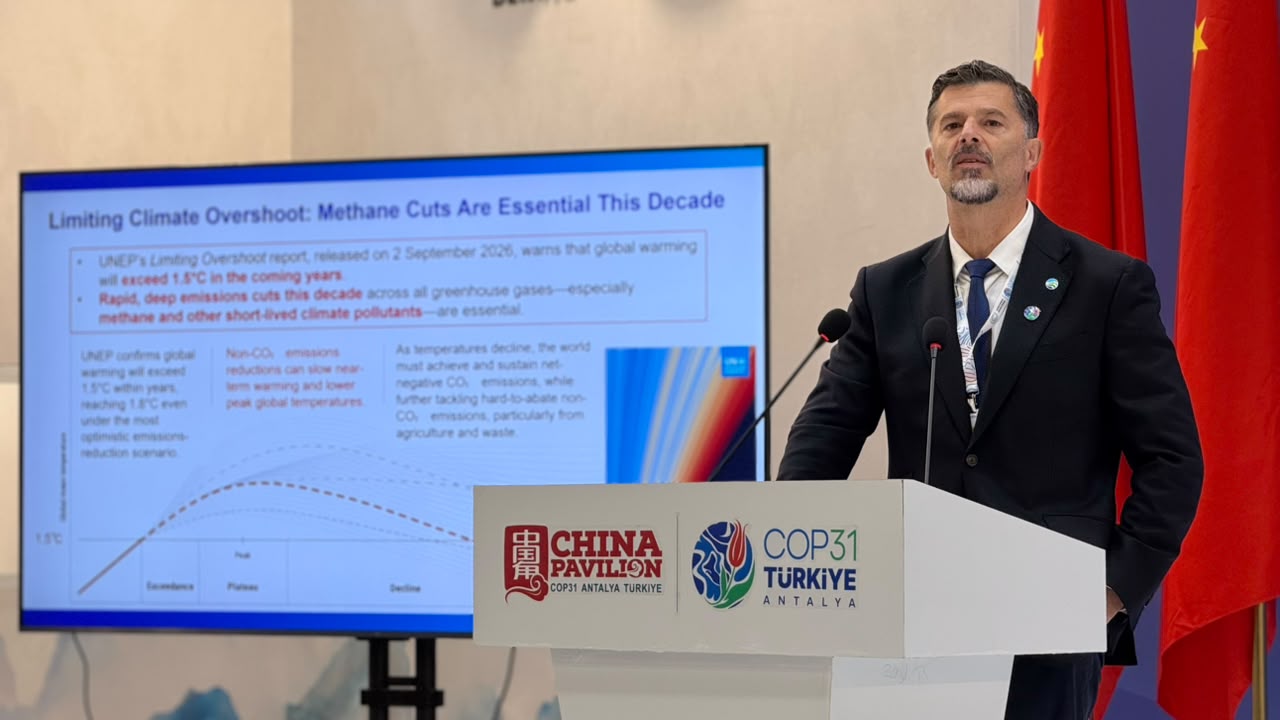
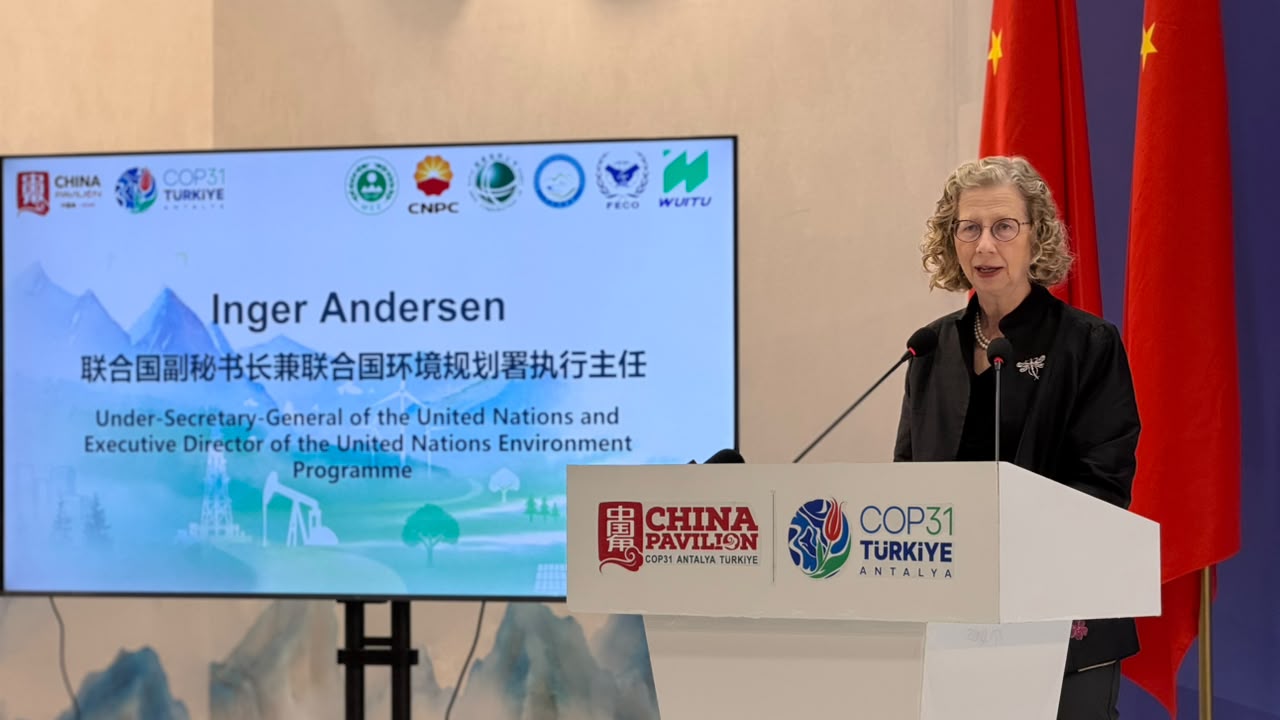
The event, organized under the guidance of the Department of Climate Change of China's Ministry of Ecology and Environment, brought together representatives of governments, international organizations, the oil and gas industry, research institutions, and technical partners to exchange experiences and discuss innovative approaches to monitoring and reducing non-CO₂ greenhouse gas emissions.
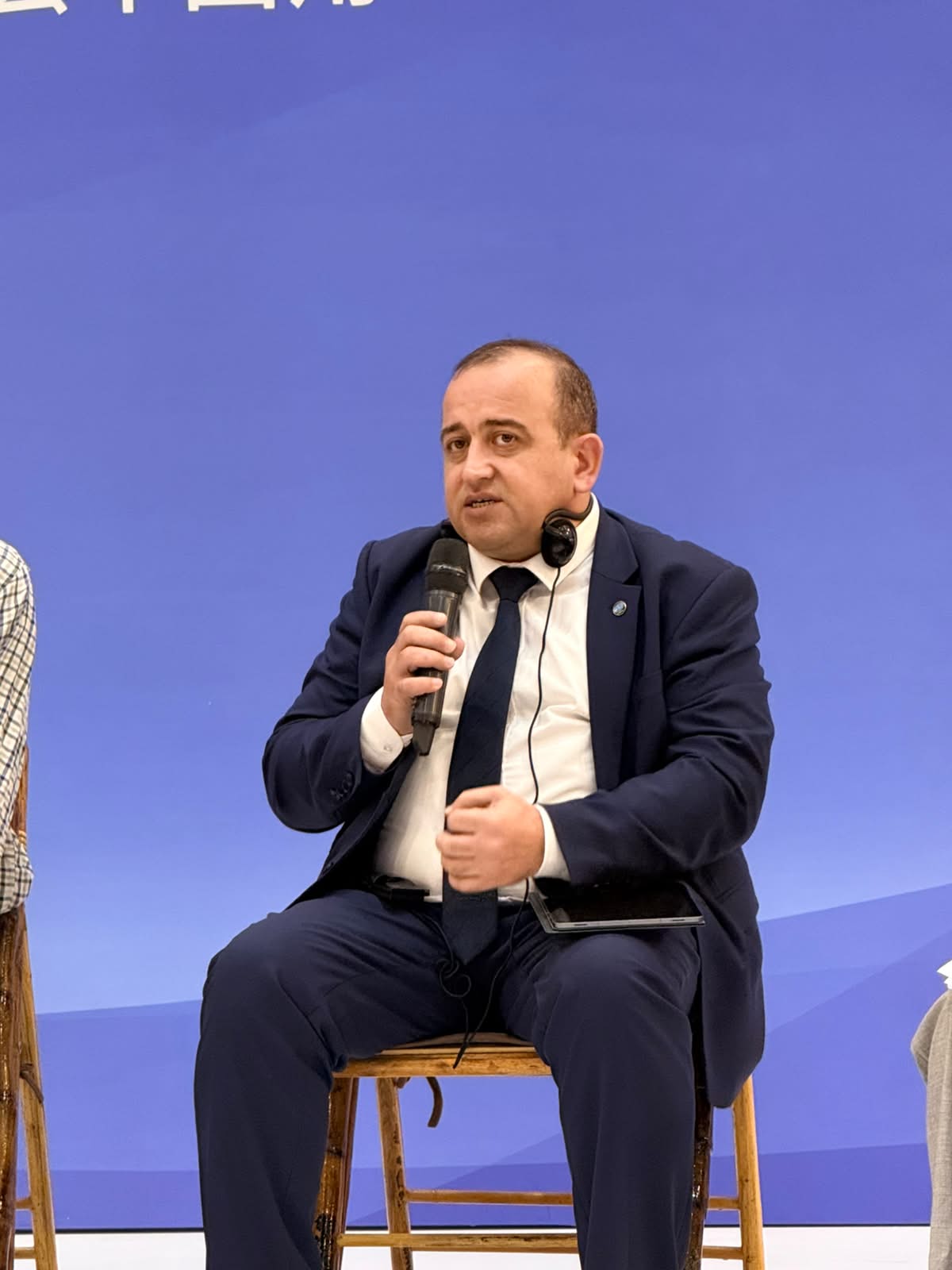
Dilovarsho Dustzoda, Advisor to the Executive Director of CAREC, participated as a panelist in the high-level roundtable discussion “Building the Methane MRV System in the Oil and Gas Industry.” The discussion focused on strengthening methane measurement, reporting, and verification (MRV) systems, improving data reliability, and promoting effective emission reduction measures in the energy sector.
From methane monitoring to practical emission reductions
During the discussion, CAREC highlighted the growing importance of methane mitigation for Central Asia, a region with significant oil and gas resources and extensive energy infrastructure.
While countries across the region are strengthening their methane-related policies, technical capacities, and monitoring approaches, translating available data into practical mitigation measures remains a key challenge.
“The success of methane management should not be measured only by how much data we collect, but by how much methane we actually prevent from entering the atmosphere,” emphasized Dilovarsho Dustzoda.
He noted that satellite observations, direct measurements, and national greenhouse gas inventories should complement each other and provide actionable information for both government authorities and oil and gas operators.
Effective methane management requires not only identifying emission sources but also implementing appropriate technical solutions, engaging industry stakeholders, and verifying the emission reductions achieved.
Reducing methane emissions also offers economic benefits by improving operational efficiency, minimizing natural gas losses, and recovering valuable energy resources.
Strengthening regional cooperation on methane mitigation
CAREC also presented its ongoing efforts to support methane mitigation across Central Asia through the Central Asian Capacity Building for Methane Emission Reduction (CA CBMER) project, implemented with financial support from the Global Methane Hub.
The initiative brings together Kazakhstan, Kyrgyzstan, Tajikistan, Turkmenistan, and Uzbekistan, with Azerbaijan and Mongolia participating as observer countries, to strengthen technical and institutional capacities for methane management.
Key activities include establishing a regional coordination mechanism, organizing technical training, improving methane inventory methodologies, promoting practical approaches to leak detection and repair (LDAR), and identifying opportunities for pilot mitigation projects.
The initiative also facilitates dialogue between governments, oil and gas companies, and international technical partners to support the transition from methane monitoring and assessment towards practical mitigation actions and investment opportunities.
CAREC also highlighted its cooperation with the Environmental Defense Fund (EDF) through the project “Enhancing Uzbekistan’s Methane Inventories” (UzEMI), which focuses on strengthening methane monitoring, reporting and verification (MRV) in Uzbekistan’s oil and gas sector. The project supports the integration of satellite-based observations with national emissions data, improvement of methane inventory methodologies, and development of institutional and technical capacities. This cooperation demonstrates how innovative monitoring technologies and international expertise can contribute to more reliable emissions data, evidence-based policies, and practical methane mitigation measures.
CAREC emphasized the importance of international partnerships, including cooperation with Chinese institutions and companies, to facilitate technology exchange, capacity building, and the introduction of effective methane management solutions tailored to national circumstances.
Advancing practical methane action in Central Asia
The discussion reaffirmed the importance of linking emerging monitoring technologies with national policies, operational practices, and investment mechanisms.
For Central Asian countries, strengthening methane MRV systems represents an important step towards improving climate transparency, supporting national climate commitments, and achieving measurable emission reductions.
Through its regional initiatives and partnerships, CAREC will continue facilitating cooperation among Central Asian countries and international stakeholders to promote effective methane management and accelerate practical action in the oil and gas sector.
Additional information:
Dilovarsho Dustzoda – Advisor to Executive Director / Lead Programme Manager, ReCATH Manager ddustzoda@carececo.org
#CAREC #methane #GMH #EDF #ReCATH #COP31