

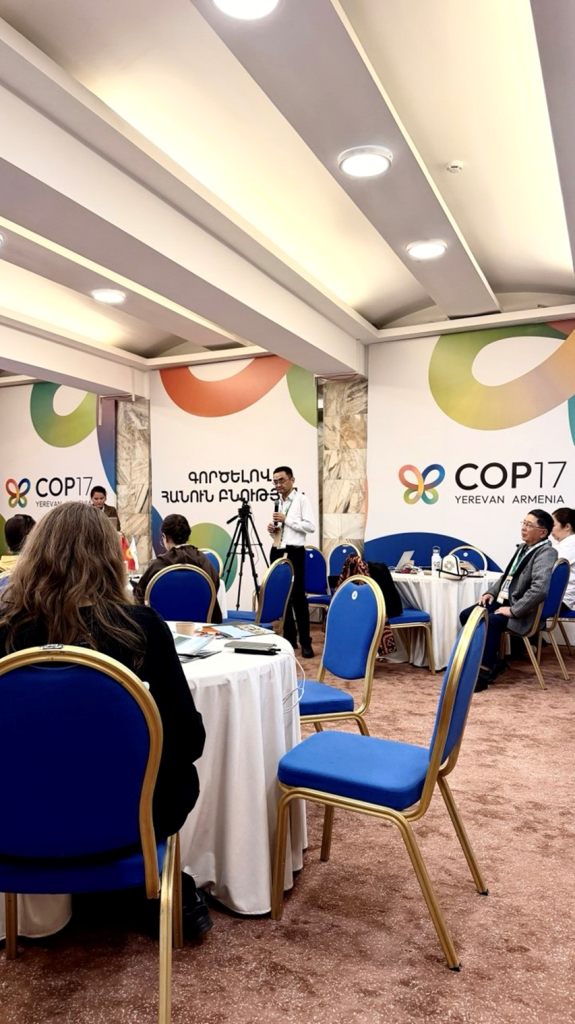
On October 21, 2026, in the Green Zone at COP17 in Yerevan, the Food and Agriculture Organization of the United Nations (FAO) and the Regional Environmental Center for Central Asia (CAREC) held a thematic session “Promoting Transparency and the Use of Participatory Approaches in Biosafety Decision-Making Across All Regions.” Participants were shown informational videos and presented with the results of the FAO/GEF project to strengthen the national biosafety mechanism of the Kyrgyz Republic.
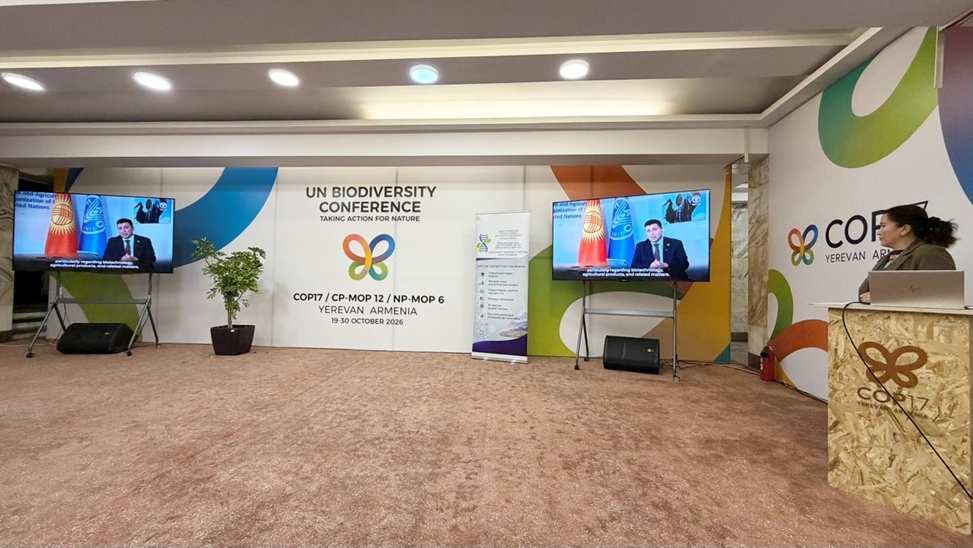
The session was held as part of the FAO/GEF project “Implementation of the National Biosafety Mechanism of the Kyrgyz Republic in accordance with the Cartagena Protocol on Biosafety.”
The program included the screening of an animated short film about genetically modified organisms (GMOs) and a short documentary about the project. These materials help explain biosafety in an accessible way and familiarize the audience with the efforts being made to develop the relevant national system.
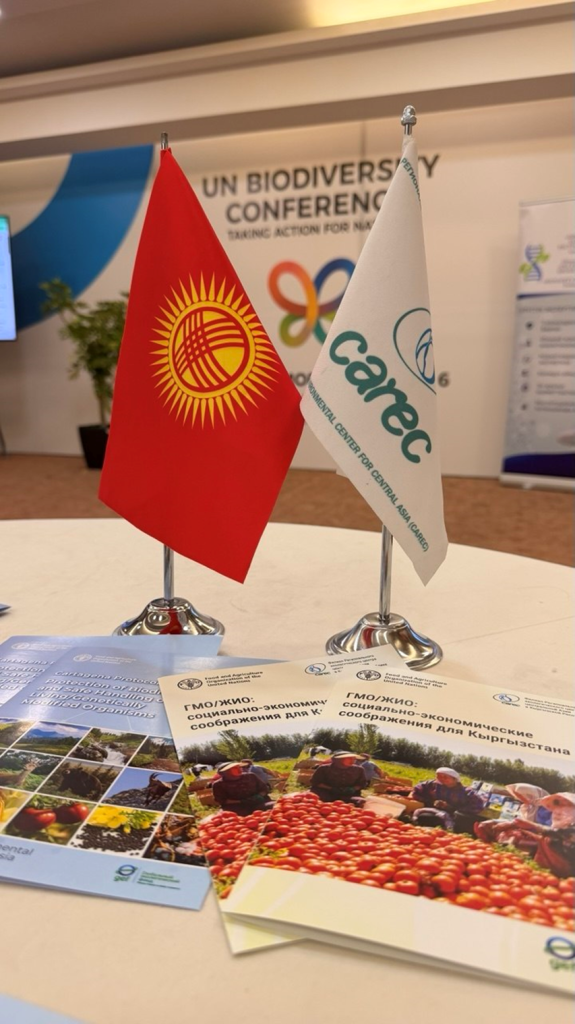
Project Results and Kyrgyzstan’s Experience
MARAL SAGYNALIEVA, a policy expert at CAREC, delivered a presentation titled “Transparency as a Foundation: Kyrgyzstan’s Experience in Establishing a National Biosafety System under the Cartagena Protocol.”
Her presentation focused on the project’s main areas of work: improving legislation and institutional mechanisms, developing laboratory and expert capacity, raising public awareness, and ensuring access to information.
In January 2025, Kyrgyzstan adopted the Law “On Biological Safety.” As part of the project, the capacity of six laboratories has also been strengthened, specialists are being trained, and cooperation is being developed among government agencies, research institutions, and educational organizations
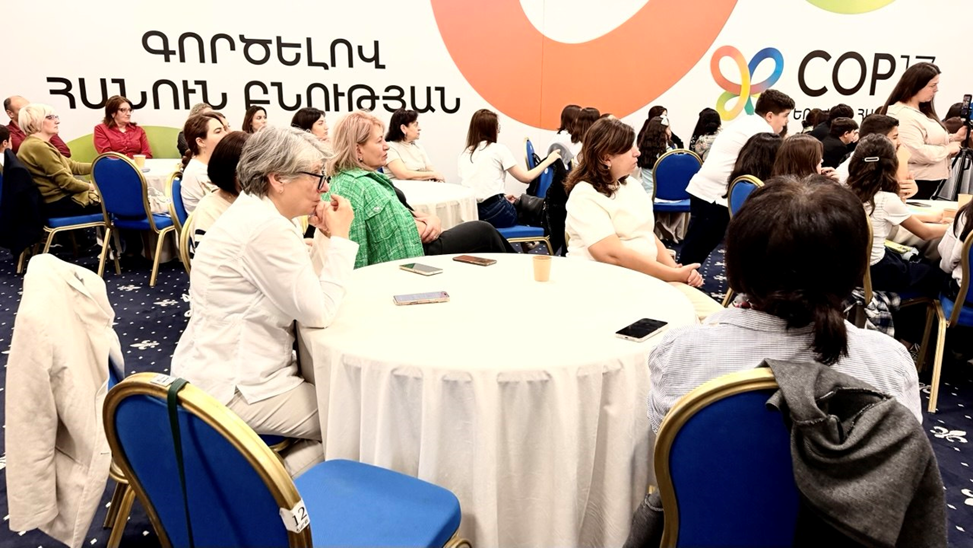
Public outreach remains a key priority. According to the project’s monitoring data as of June 30, 2026, approximately 600 people participated in 13 training sessions, with women accounting for 51% of the participants. The sessions were held in various regions of the country.
To improve access to information on biosafety, the national portal biosafety.kg has been developed and launched, providing access to relevant informational materials. In March 2026, the Biosafety Clearing-House (BCH).
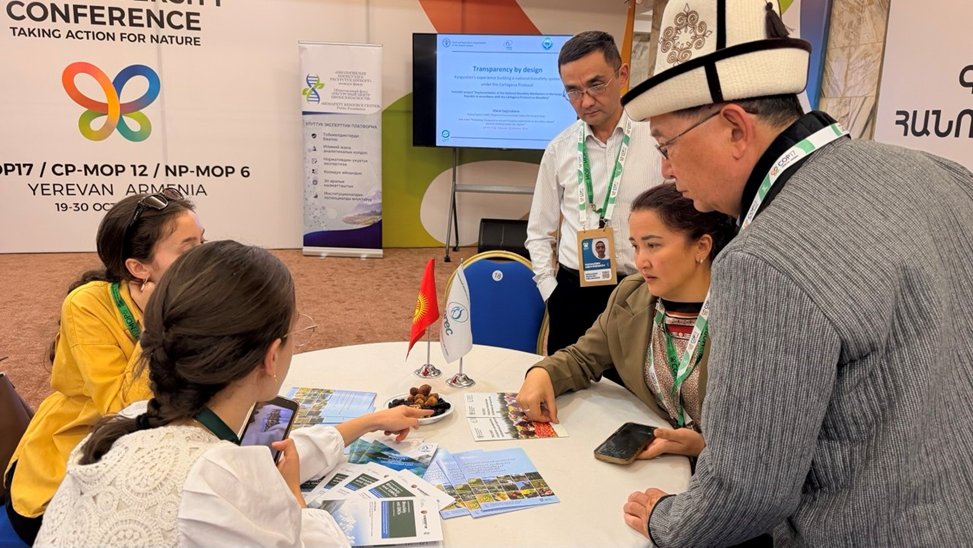
Transparency and public participation are essential prerequisites for biosafety
The presentation of the project’s results at COP17 provided an opportunity to share Kyrgyzstan’s experience with an international audience and to demonstrate a comprehensive approach to developing a national biosafety system.
Access to reliable information, training of specialists, and cooperation between government agencies and the public are essential for making informed decisions regarding biosafety and biodiversity conservation.
With support from the FAO and the GEF, Kyrgyzstan continues to strengthen its national mechanisms for implementing the Cartagena Protocol. Until the project concludes in February 2027, plans call for continued work on the regulatory framework, the launch of a national portal, and the development of mechanisms for public information and participation.
The experience presented here shows that the sustainable development of a biosafety system requires not only legislative and technical solutions, but also an open dialogue between government agencies, experts, and the public.
For more information:
Kuban Matraimov – Director of the Kyrgyz Branch of CAREC, kyrgyzstan@carececo.org