

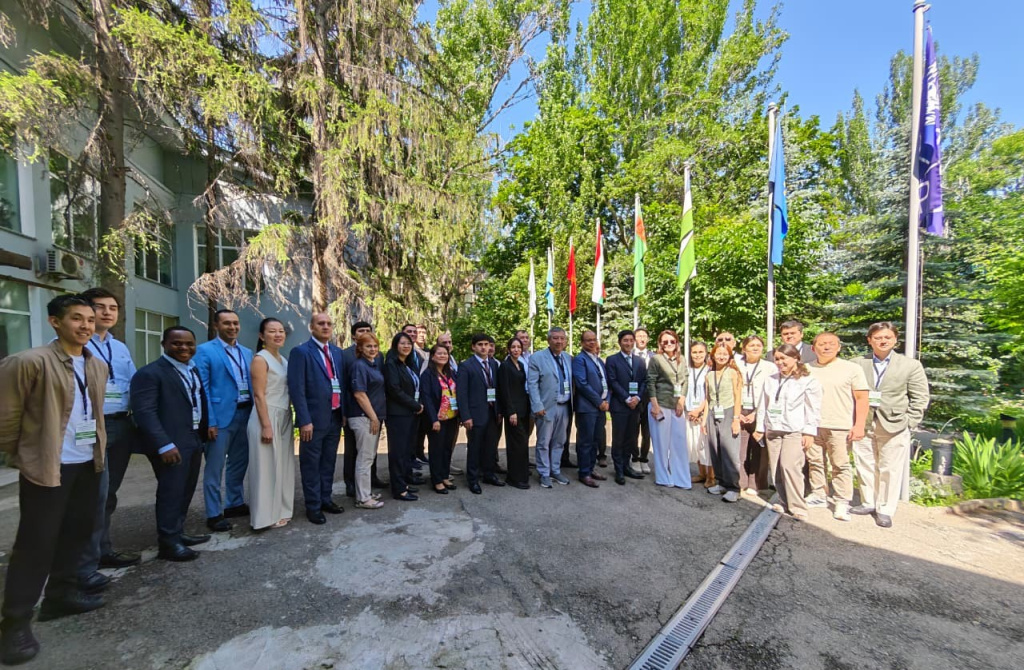
Almaty, Kazakhstan, 9 June 2026 — Climate finance practitioners, government representatives, and development partners from across Central Asia convened in Almaty today for the opening of the four-day Regional Training Workshop on Green Climate Fund (GCF) Concept Note Development, aimed at strengthening countries’ capacity to access and utilize climate finance through the Green Climate Fund.
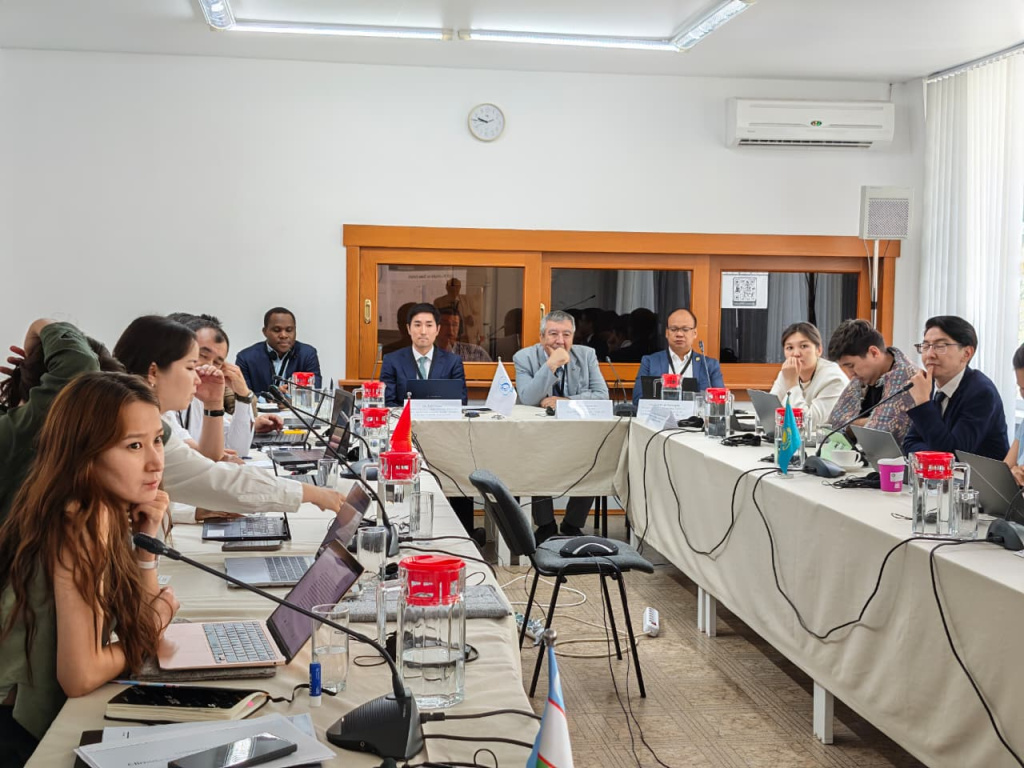
The four-day workshop is being held from 9–12 June 2026. According to the programme, the opening session includes remarks by Dr. Guilberto Borongan, Director of the Regional Resource Centre for Asia and the Pacific (RRC.AP) at the Asian Institute of Technology (AIT).
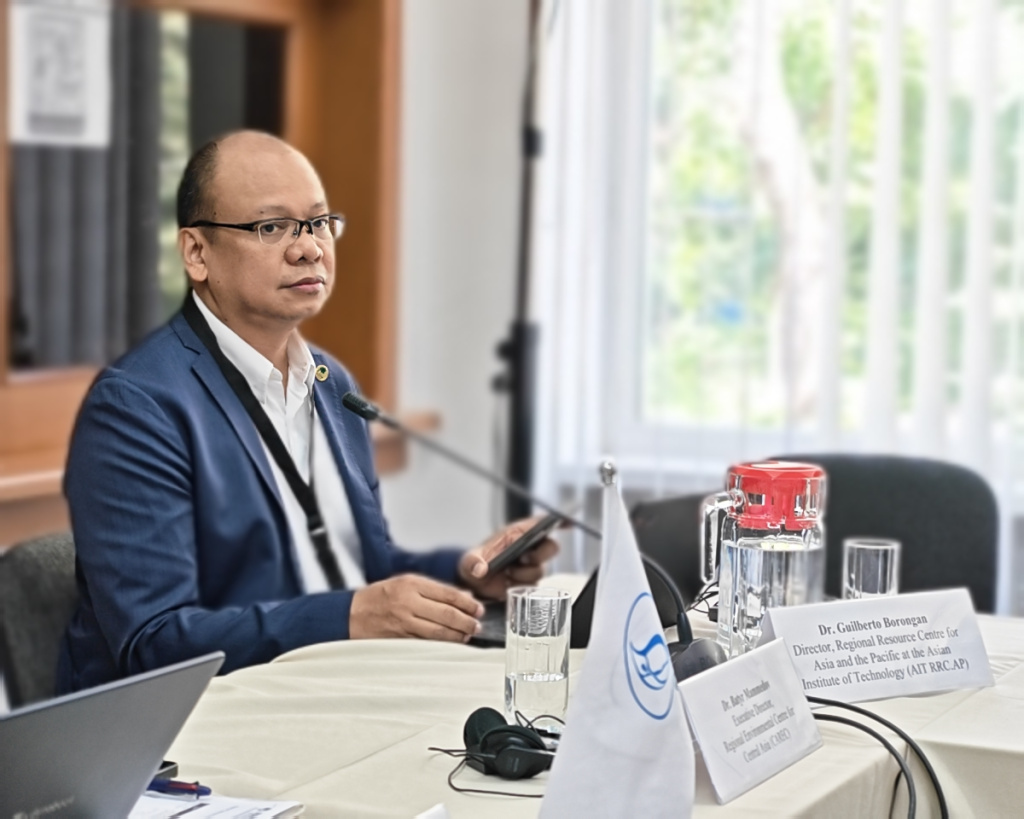
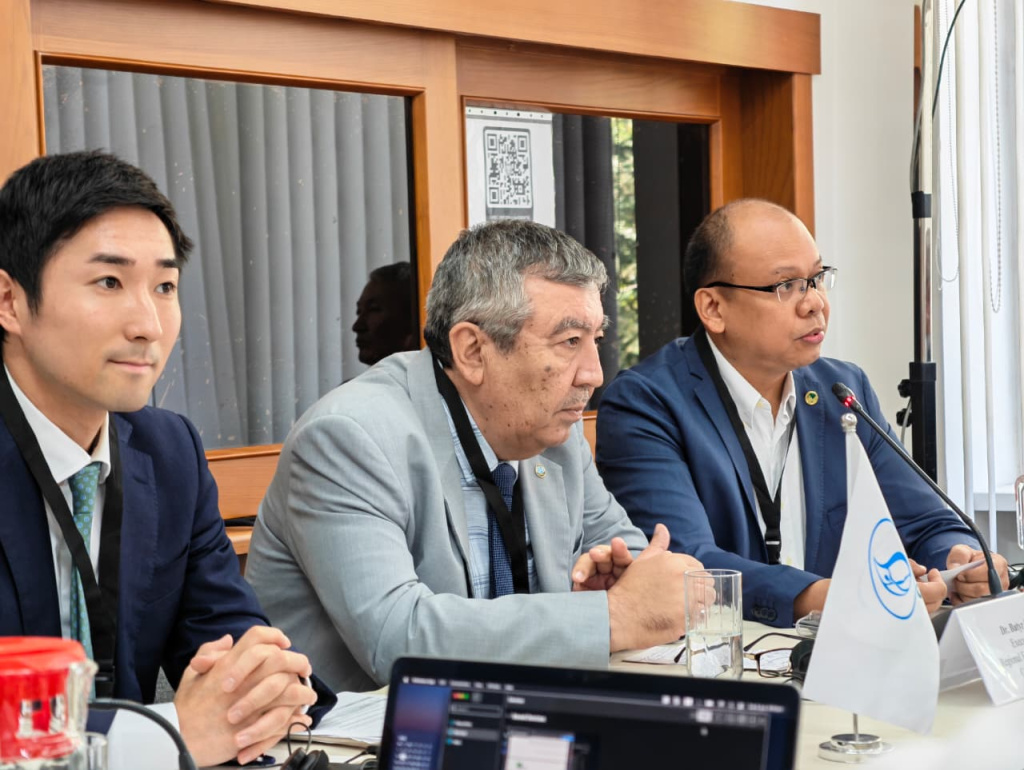
As noted by Dr. Batyr Mammedov, Executive Director of the Regional Environmental Centre for Central Asia (CAREC), Central Asia is most vulnerable to climate change; experts have repeatedly highlighted rising temperatures, declining precipitation levels, and accelerating glacier melt across the region. Dr. Mammedov emphasized that, given climate change as one of the key challenges facing Central Asia, the effective mobilization of climate finance plays a crucial role in implementing sustainable and environmentally focused projects.
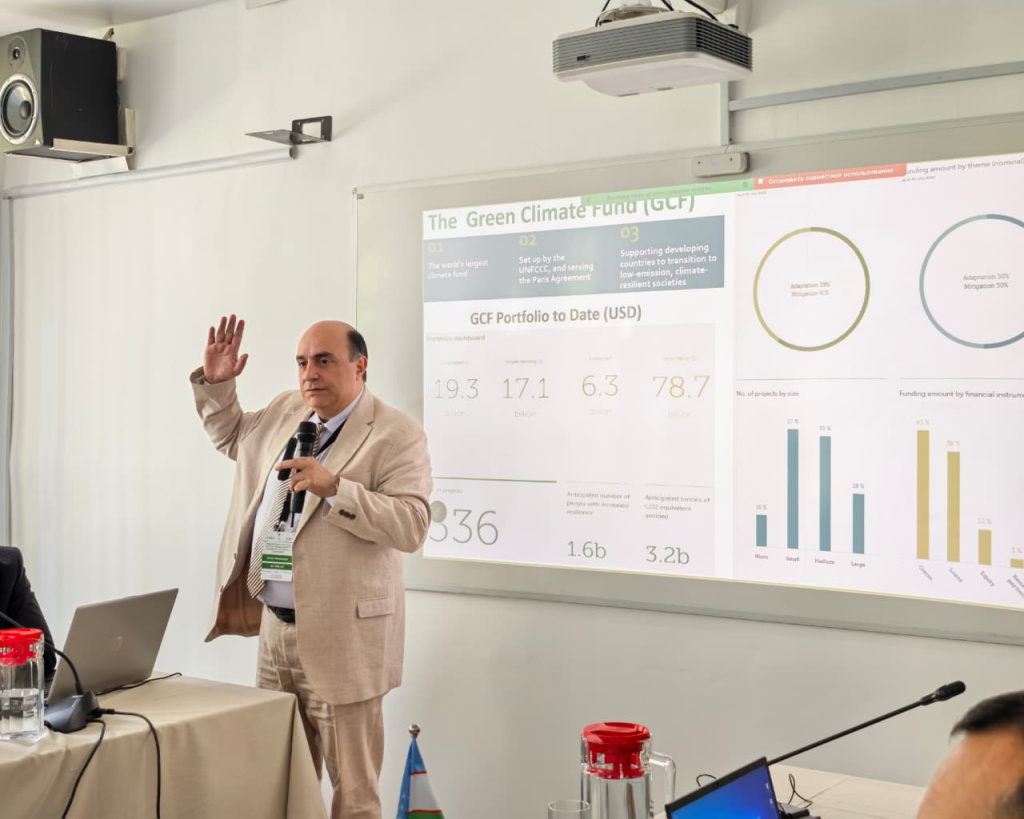
The first day of the workshop focuses on GCF funding models, GCF programming and the project cycle, the Readiness and Preparatory Support Programme (RPSP), the Simplified Approval Process (SAP), and the roadmap for developing a GCF concept note.
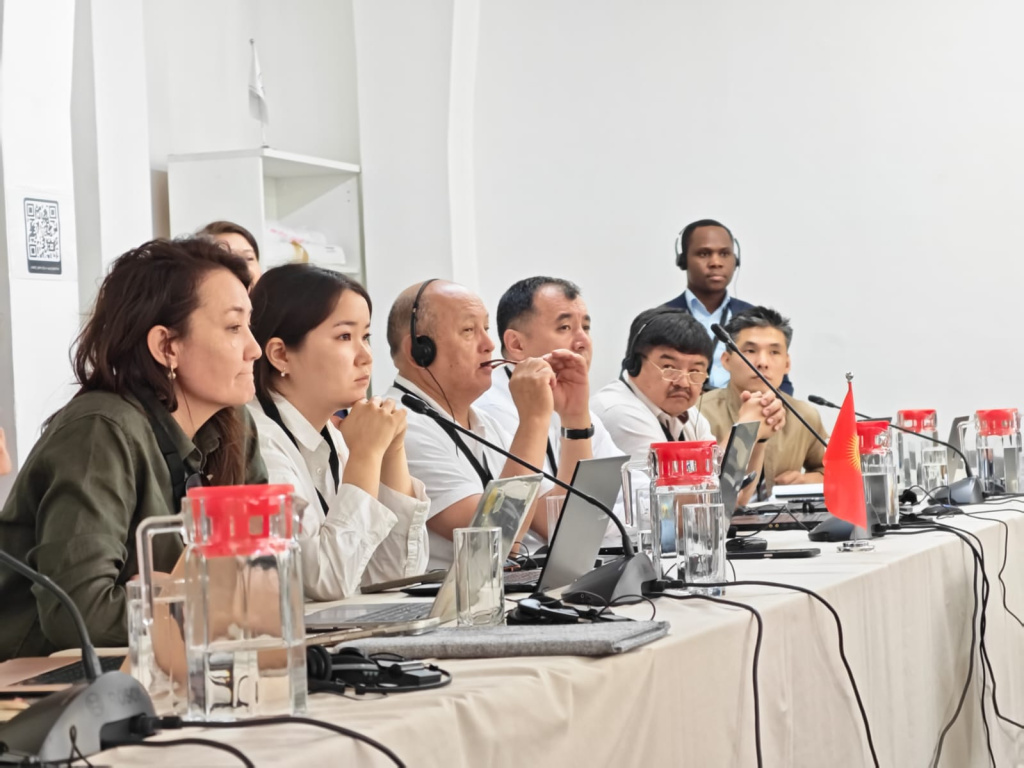
Sessions scheduled for Day 1 include an overview of the workshop objectives and expected outcomes, an introduction to GCF climate funding models and programming, and presentations on the GCF project cycle. Participants are also scheduled to receive information on accessing GCF Readiness and Preparatory Support Programme funding and the GCF Simplified Approval Process.
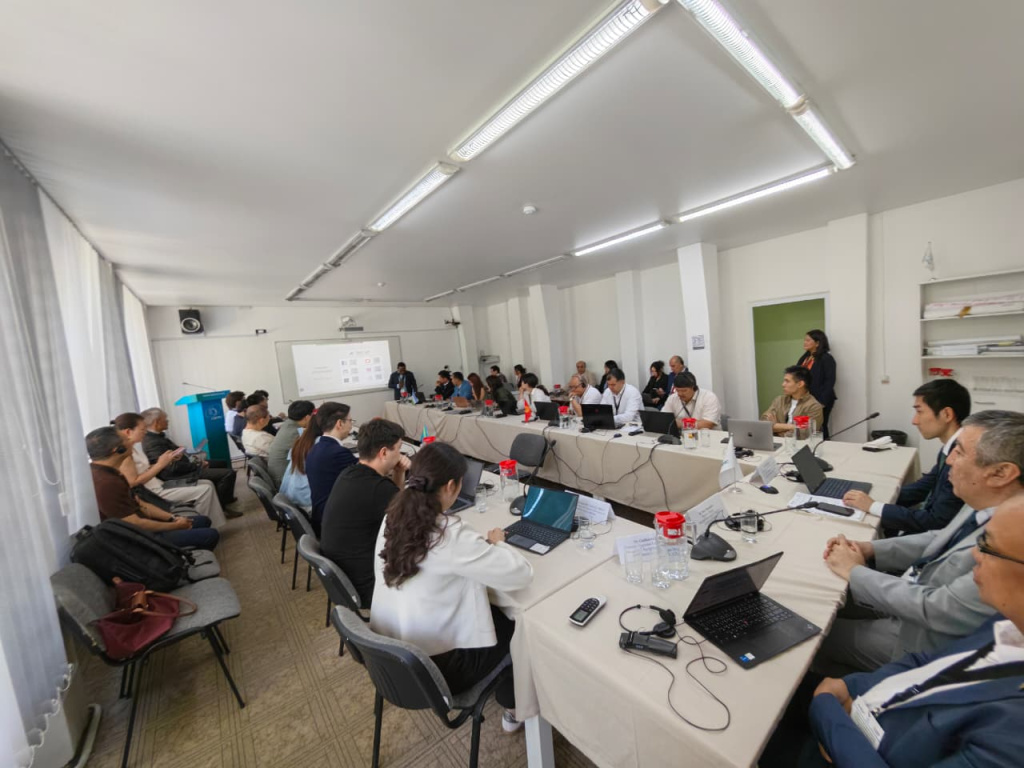
The programme further includes country presentations on national climate finance programming and funding sources, during which participating country teams are expected to introduce project and programme ideas and discuss priority issues to be addressed. The day concludes with a session on the GCF Concept Note Template and a roadmap for concept note development.
On Day 2, the workshop will address key GCF requirements in concept notes and funding proposals, including country ownership, environmental and social safeguards, private sector engagement, sustainability, knowledge sharing, and gender equality and social inclusion mainstreaming.
Participants will also take part in sessions on climate change context analysis, problem and objectives tree methodologies, and related group exercises.
Day 3 is dedicated to developing a Theory of Change and a Logical Framework for GCF concept notes. Planned activities include presentations, practical exercises, and team feedback sessions focused on theory of change development and logframe preparation.
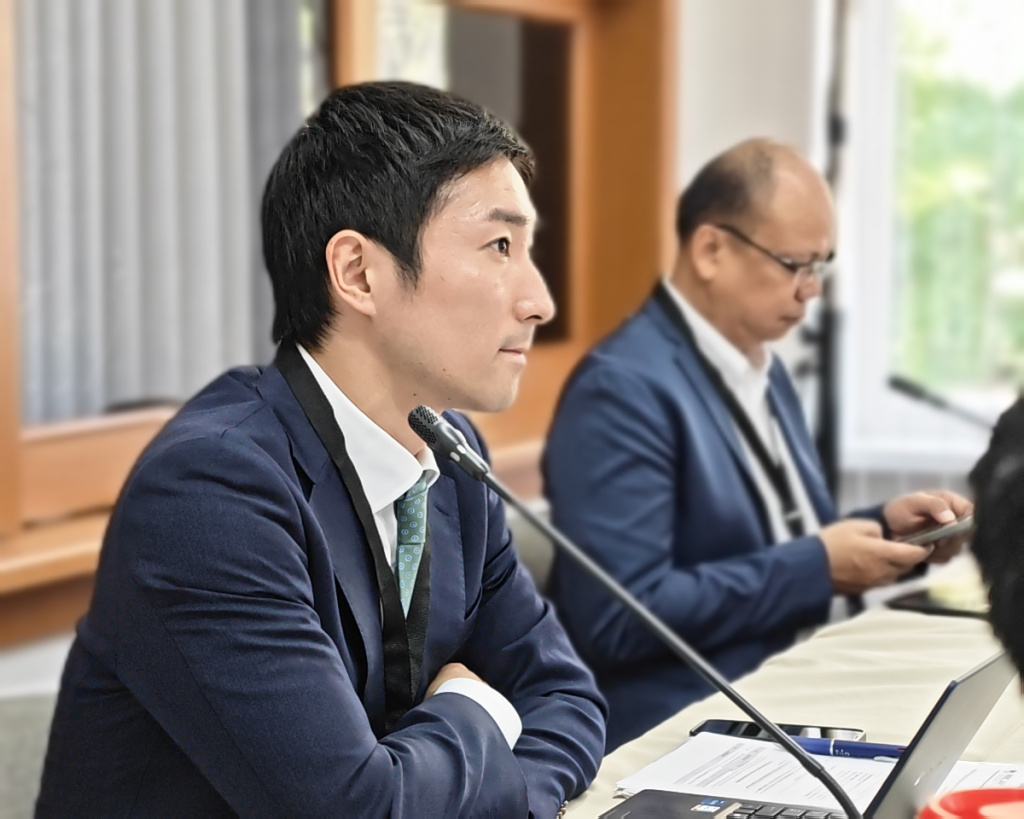
The final day will focus on country group concept note development, PowerPoint presentations of draft concept notes, guidance on online submission of concept notes using Fluxx, post-training evaluation, and a closing session with a certificate award ceremony.
The workshop programme identifies experts from AIT RRC.AP, including Armen Rostomyan, Huno Solomon Kofi Mensah, and Dr. Guilberto Borongan, as resource persons for the technical sessions and group exercises throughout the four-day event.
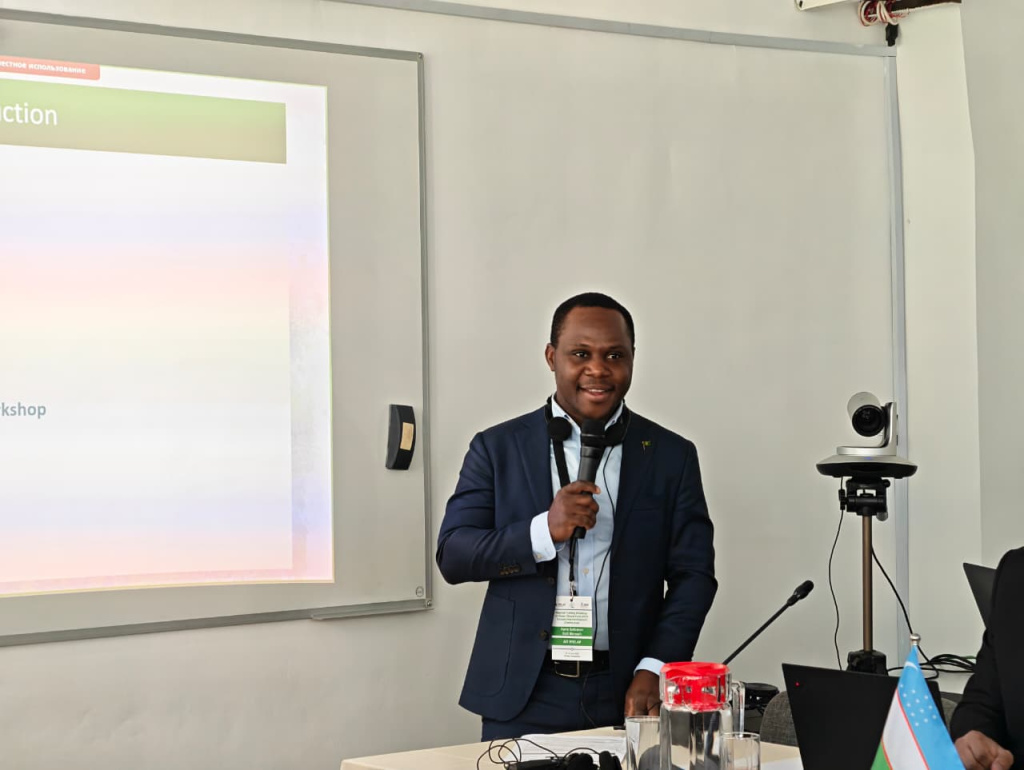
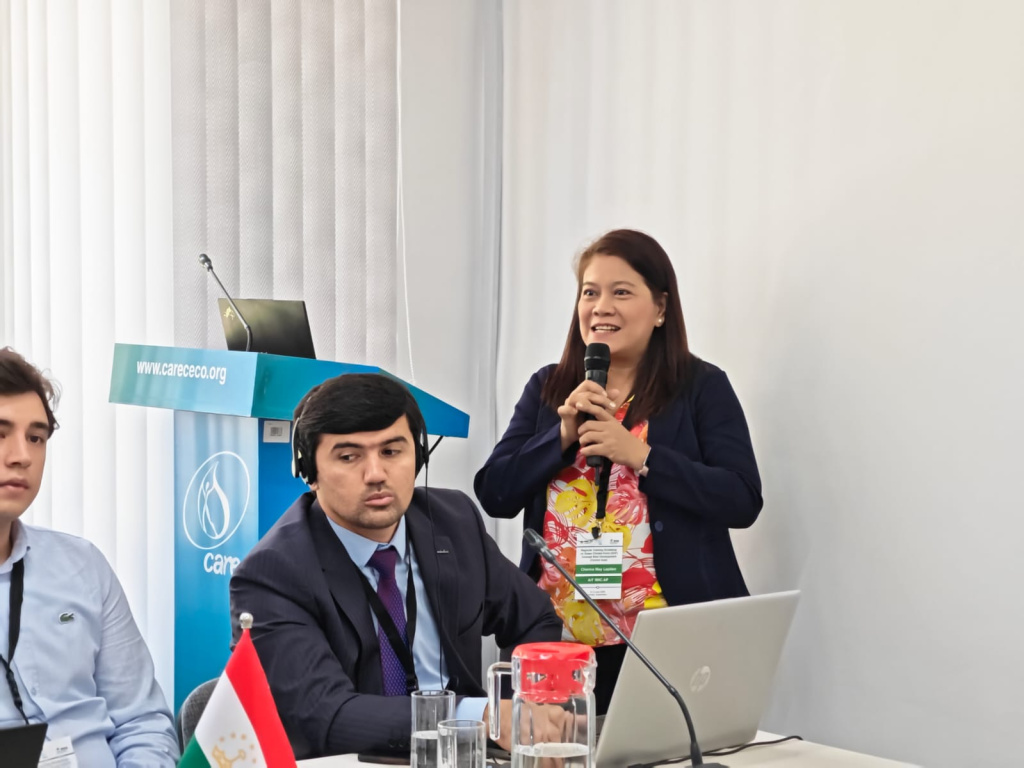
The regional training workshop is organized by the Regional Resource Centre for Asia and the Pacific of the Asian Institute of Technology (AIT RRC.AP), with financial support from the Ministry of the Environment of Japan and in partnership with the Green Climate Fund (GCF) Secretariat and in cooperation with the Regional Environmental Centre for Central Asia (CAREC).