
Central Asia’s water agenda has traditionally focused largely on water quantity and its allocation. However, another issue is becoming increasingly important — the quality of water resources.
Simply increasing the number of samples, laboratory analyses, and monitored parameters does not in itself guarantee improvements in the condition of rivers, lakes, and drinking water sources. Data acquire practical value when they help identify the source of pollution, assess risks, determine priority measures, justify investments, and subsequently verify whether the measures taken have produced the desired results.
It was from this perspective that participants in the September 2026 study tour examined the Swiss experience. The focus was not on individual technologies that could simply be transferred to Central Asia, but rather on the entire water management cycle — from source protection and wastewater treatment to monitoring, scientific analysis, and decision-making.
Drinking Water Starts with Source Protection
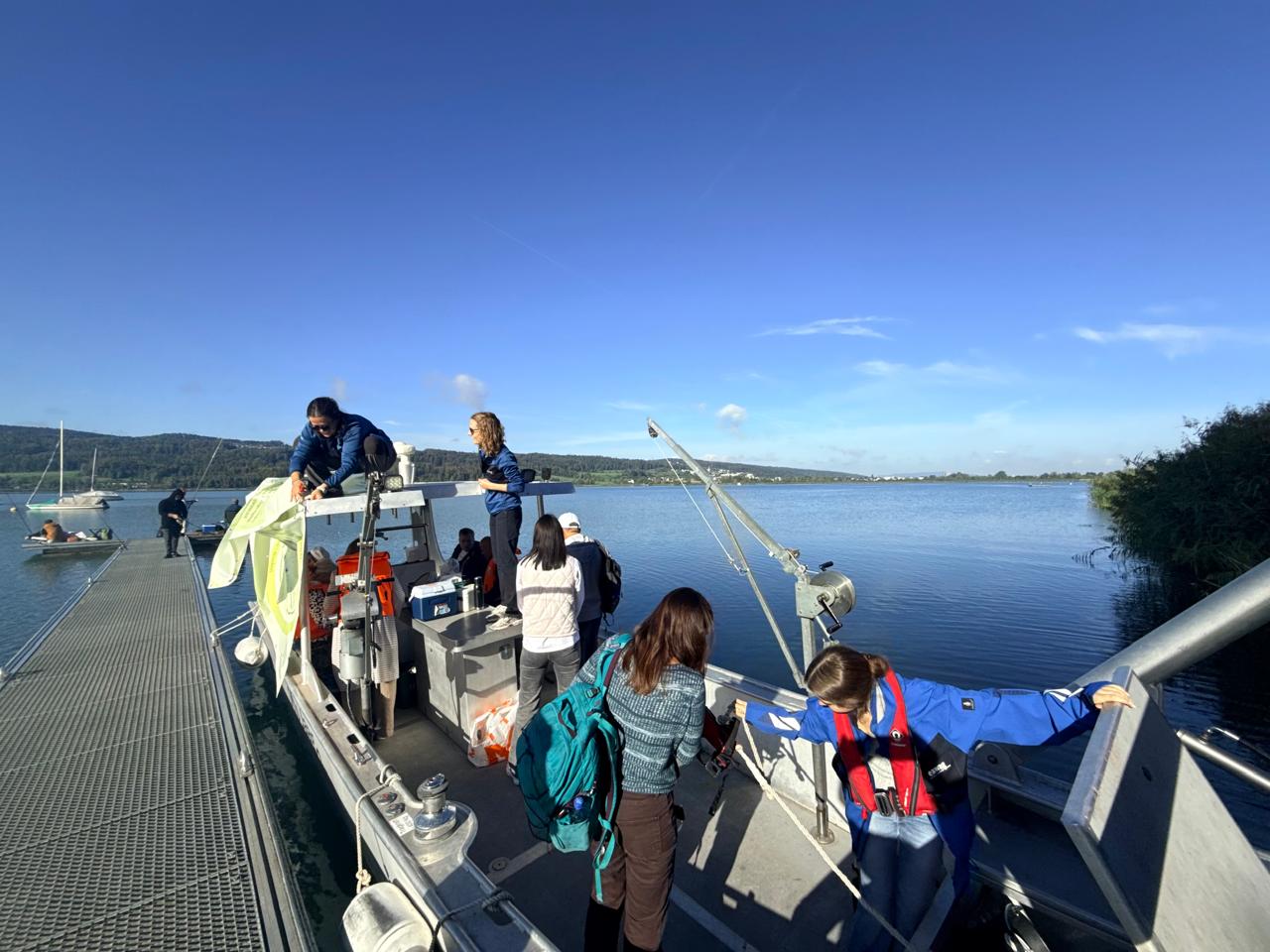 One of the key principles observed by participants in practice in Basel was that drinking water safety must be ensured long before water reaches the consumer.
The Lange Erlen drinking water treatment facility combines engineering solutions with nature-based processes. Following preliminary treatment, river water is directed to designated infiltration areas, where it passes through the soil and aquifer. It is then abstracted through wells and undergoes additional treatment and disinfection before being supplied to the municipal distribution network.
The technological approach is nature-based: the aquifer is regarded simultaneously as a natural filter, a water storage element, and an integral part of a reliable drinking water supply system.
Even more important, however, is the principle of pollution prevention. The better the water source is protected, the fewer resources need to be spent later on addressing the consequences of contamination. This means that greater attention should be paid to protection zones, groundwater conditions, land-use control, and early identification of threats to drinking water sources.
Wastewater as a Resource
At the ARA Birs wastewater treatment plant in Muttenz, participants saw how that municipal infrastructure is gradually evolving from a facility that merely removes pollutants into a system capable of simultaneously treating water, generating energy, and recovering resources for further use.
The plant applies biological treatment processes, uses energy generated from biogas and solar installations, and processes sewage sludge. Electricity and heat produced from biogas and solar energy cover a significant share of the facility’s own energy needs. Following sludge incineration, the resulting ash is considered a potential source of phosphorus for fertiliser production.
The Swiss experience demonstrates the importance of step-by-step modernisation. The first priority is to ensure reliable operation of basic mechanical and biological treatment. The next stage is to improve nitrogen and phosphorus removal where this is genuinely required. Only after that should additional treatment stages, such as the removal of micropollutants, be considered.
Smaller Settlements Require Different Solutions
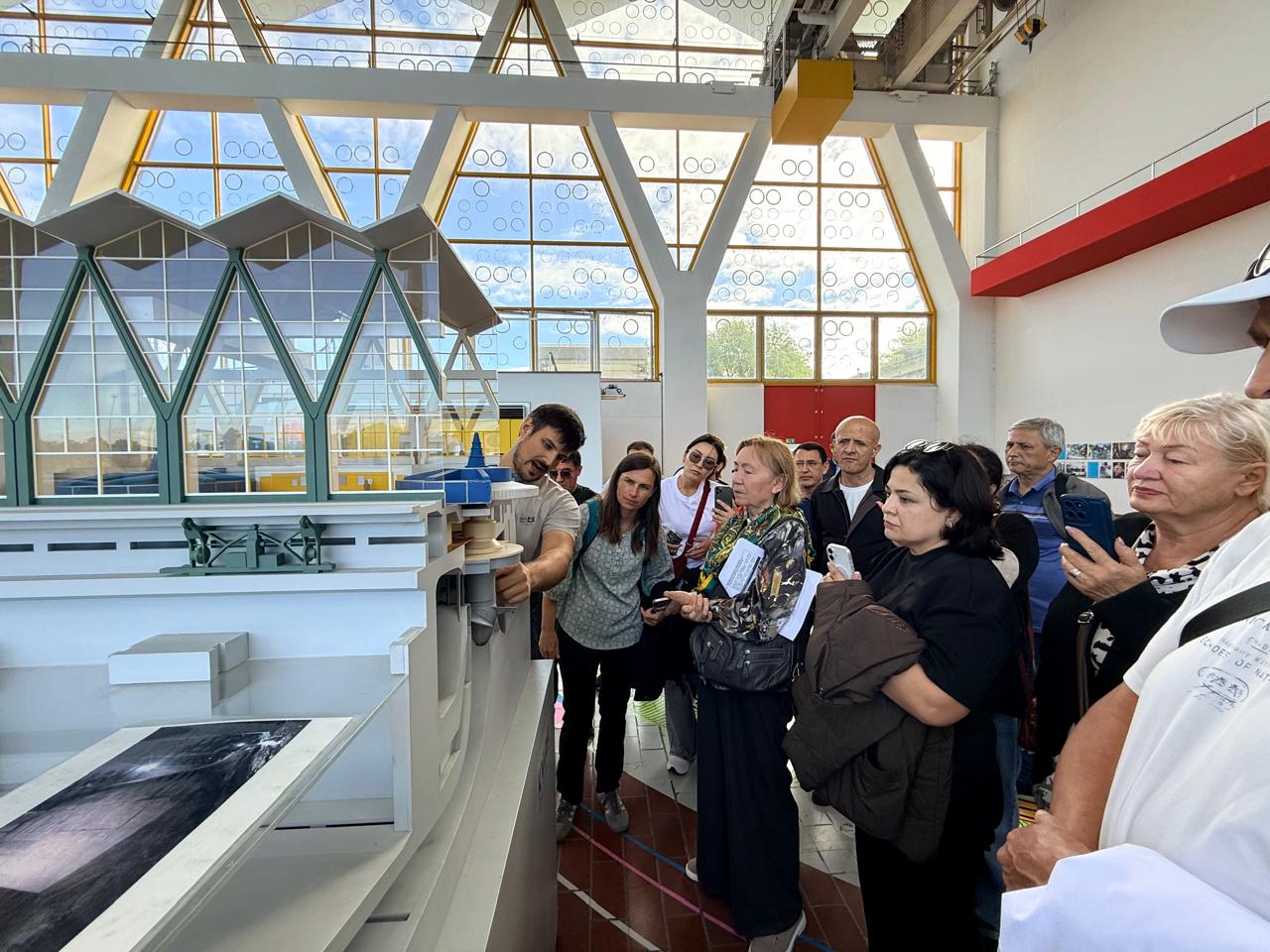
Аs part of the programme, participants learned in France about vertical-flow constructed wetlands, which use natural biological processes to treat wastewater.
Such systems can serve small rural settlements, require relatively simple equipment, and can operate with low energy consumption, including through the use of gravity.
The systems visited are managed in a decentralised manner, with local communities responsible for their maintenance and financial sustainability.
Similar nature-based decentralised technologies have already been piloted in the region. However, their broader application will require an assessment of their effectiveness under different climatic conditions, life-cycle costs, and operational reliability.
Further work on the regulatory framework will also be required: even a promising technology cannot be scaled up if it is not recognised within construction, sanitary, or environmental regulations.
Treating Industrial Pollution Before It Enters the Sewer System
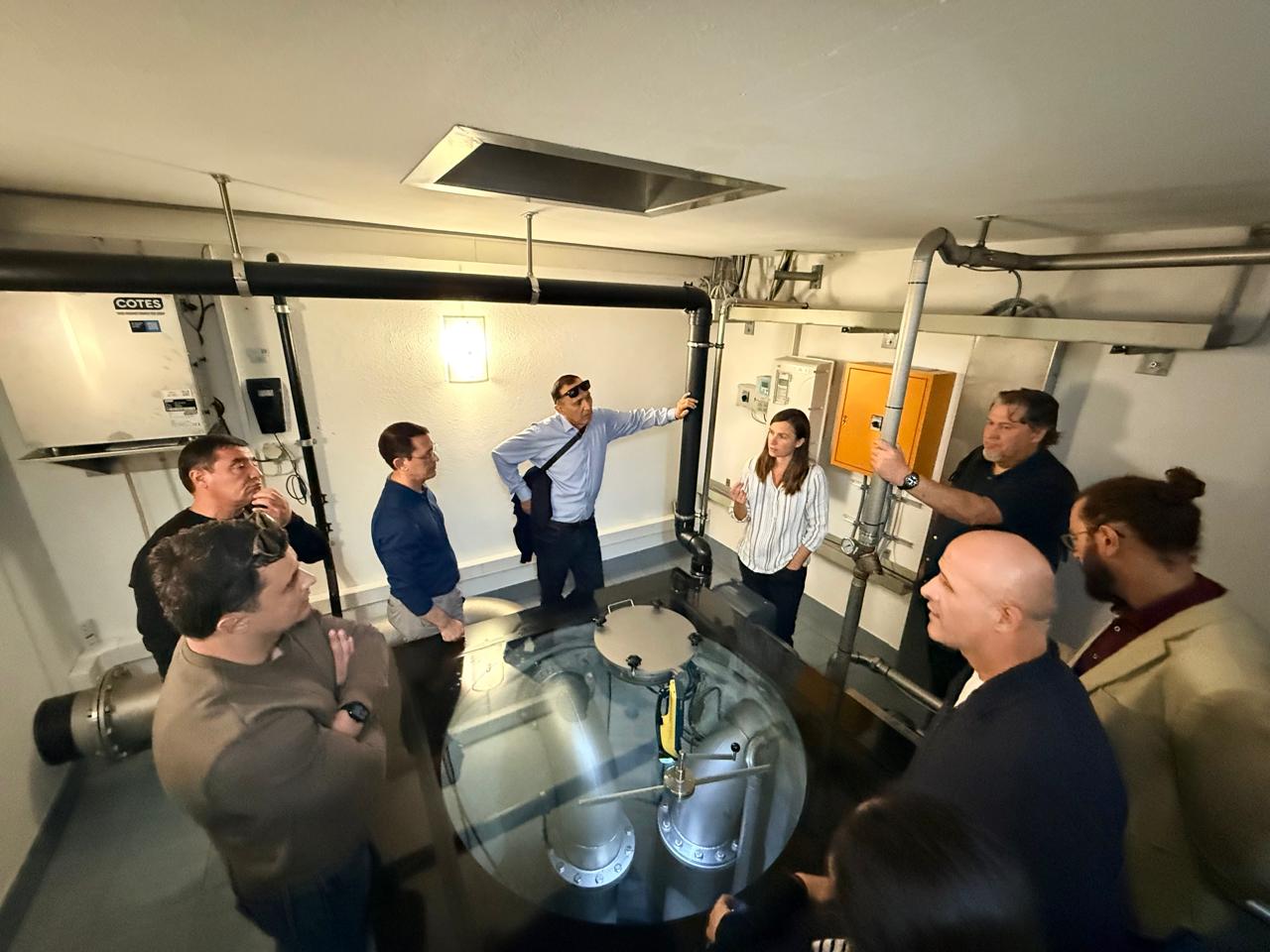 A separate part of the programme focused on industrial wastewater.
At the GETEC PARK industrial hub in Muttenz, participants explored approaches to the chemical and biological treatment of industrial wastewater, as well as technologies for processing and recovering chemical solvents.
One of the most practical principles is not to mix all wastewater streams into a single flow.
Industrial process water, sanitary wastewater, and relatively clean water are separated within the industrial facility itself. The most polluted or hazardous wastewater streams undergo pre-treatment directly at the facility. Non-standard or emergency wastewater can be temporarily retained in dedicated storage tanks until an appropriate and safe treatment or disposal method is identified.
The Swiss experience shows that pollution can be contained directly at the source and that it is often easier and safer to remove pollutants before they enter the municipal sewer network or a natural water body.
However, this requires more than equipment alone. Laboratory control, clear environmental requirements, and a well-defined distribution of responsibilities among industrial enterprises, municipal operators, and public authorities are also essential.
Monitoring: Why Do We Measure?
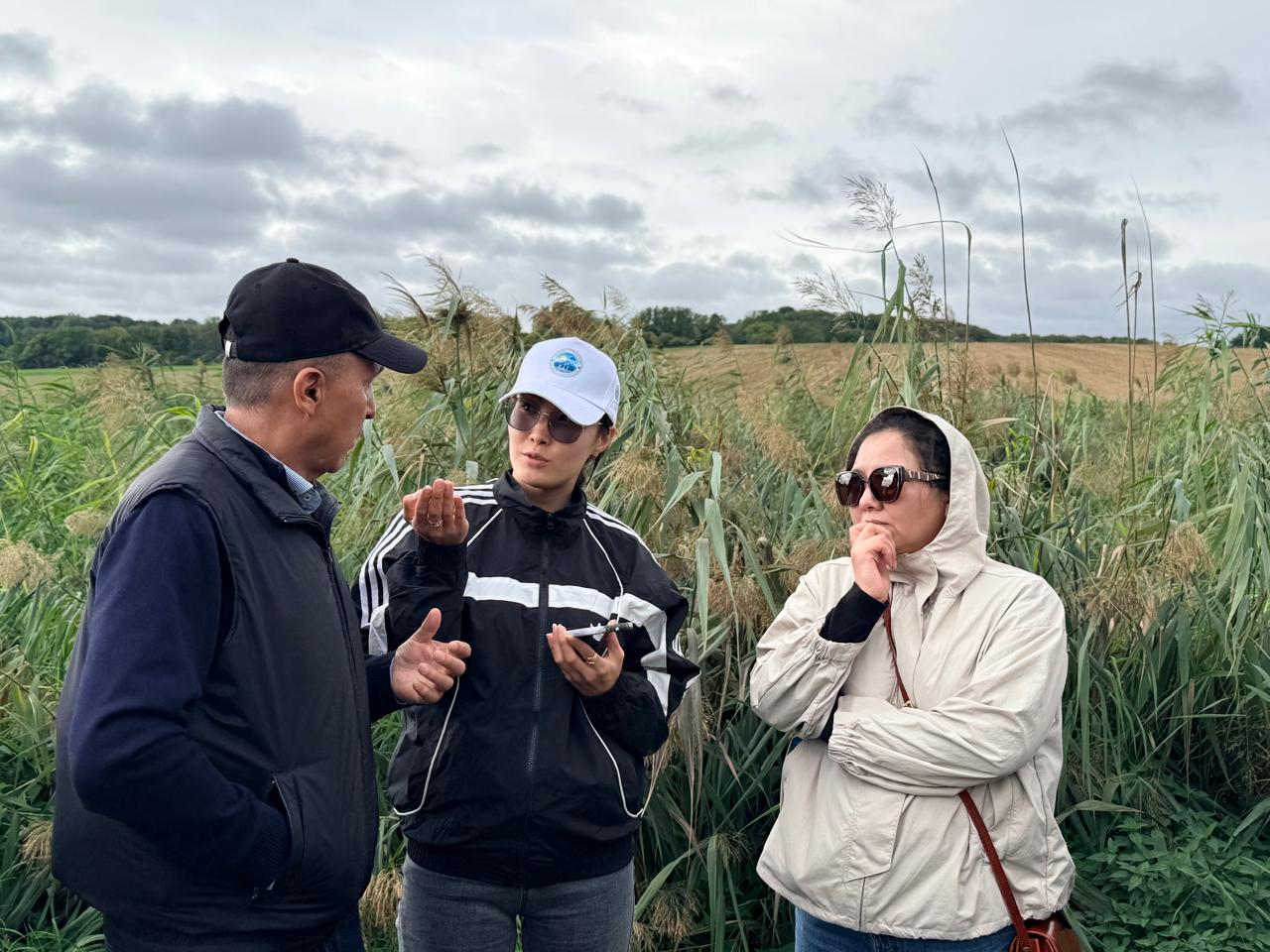 One of the most important methodological conclusions from the study tour concerned the approach to water quality monitoring.
At the Swiss Federal Office for the Environment (FOEN), the delegation learned about the national system for monitoring surface water and groundwater, the distribution of responsibilities between the federal and cantonal levels, the selection of indicators, the use of biological monitoring methods, and the application of monitoring results in management.
The system is based on a division of functions. At the federal level, methodologies are developed, national programmes are coordinated, and overall assessments of water status are carried out. Cantons, or regional authorities, perform a significant proportion of field and laboratory work. Scientific institutions contribute to the development of methods and interpretation of results.
However, the key issue is not the organisational structure itself, but the purpose of monitoring.
The objective is not to create the largest possible database, but to obtain sufficient information to support a specific decision.
Monitoring is used to identify pollution sources and trends, assess risks, determine priorities, and verify the effectiveness of measures taken. For example, persistent exceedances of regulatory thresholds for specific pollutants may provide grounds for revising regulatory decisions.
At the same time, permanent monitoring networks are complemented by targeted studies initiated when new or localised risks emerge.
For Central Asia, this approach is particularly relevant. Where laboratory, human, and financial capacities are limited, the key question may not be “How many parameters can we measure?”, but rather “What data do we need in order to make a decision?”
Chemical Analysis Alone Is No Longer Sufficient
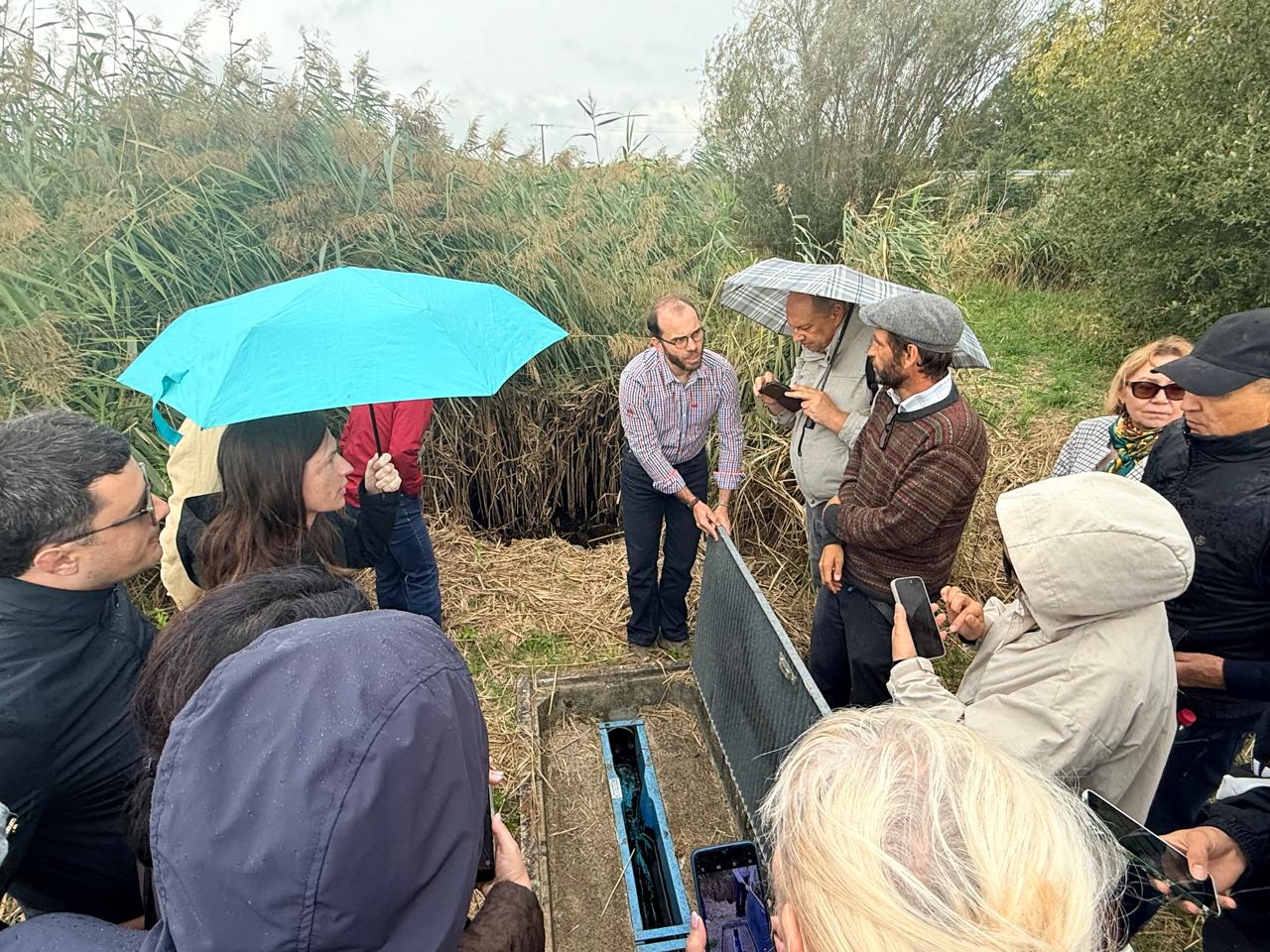 At the Swiss Federal Institute of Aquatic Science and Technology (Eawag), participants were introduced to the development of modern monitoring methods.
Satellite observations can complement traditional monitoring of large lakes, reservoirs, and hard-to-reach mountain areas. Automated platforms make it possible to obtain high-frequency data directly from water bodies. Biological indicators and ecotoxicological methods help assess not only the presence of specific substances in water, but also their impacts on living organisms.
At Lake Greifensee, participants observed the practical application of a monitoring system integrating chemical, biological, and morphological data.
The automated AQUASCOPE plankton visualisation system attracted particular interest. It enables images of organisms to be captured directly in their natural environment and uses machine-learning methods for their subsequent identification.
All of this demonstrates that modern water quality assessment is gradually moving beyond the measurement of individual chemical parameters.
If this experience is applied to Central Asia, one promising direction could be the gradual development of a combined monitoring system in which field measurements and laboratory analyses are complemented by automated stations, biological indicators, satellite data, and modelling.
This does not mean introducing all tools simultaneously. What matters more is identifying which methods can genuinely improve understanding of the condition of a particular water body and support better decision-making.
Universities as a Bridge Between Science and Practice
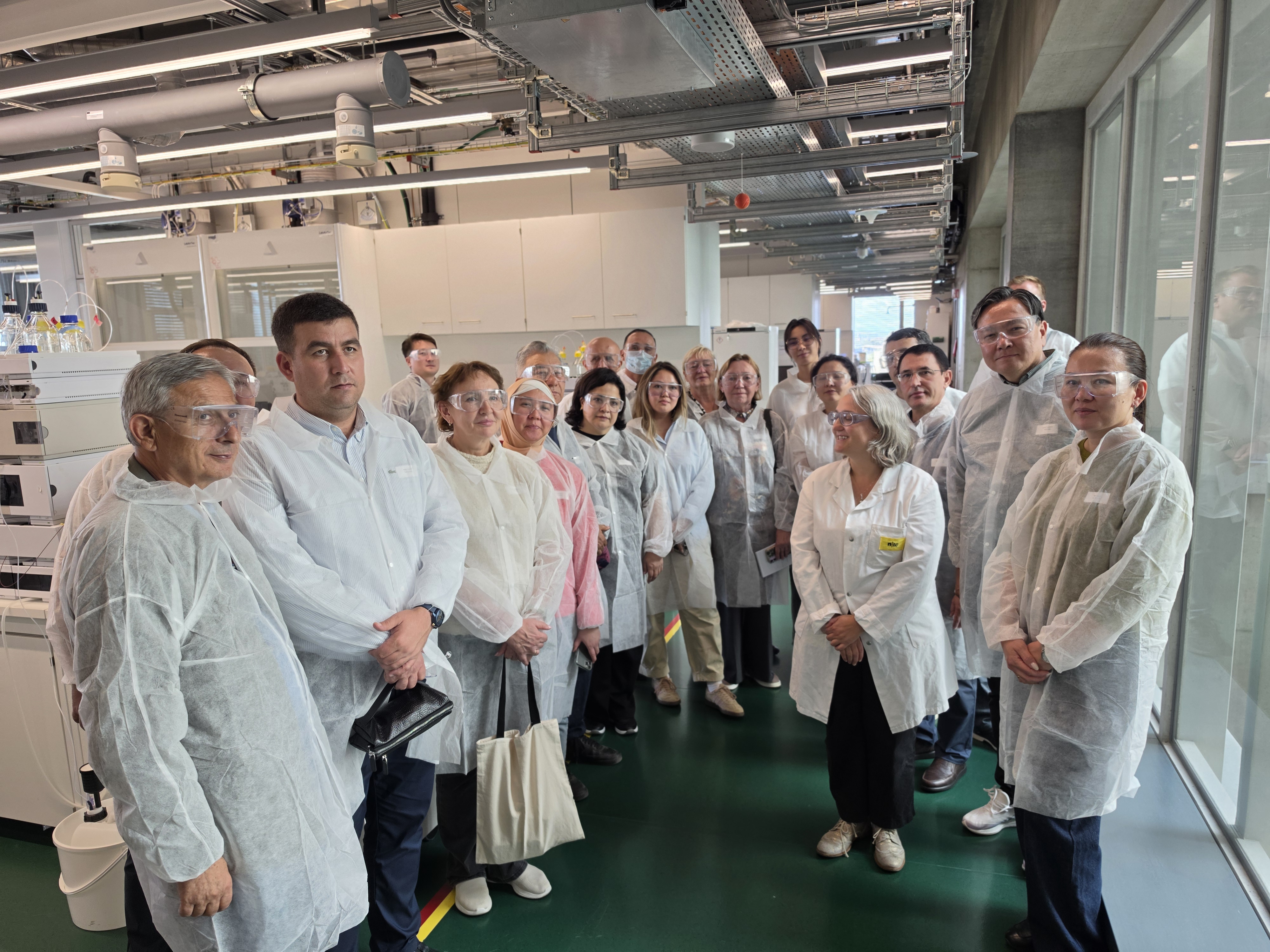 Another aspect explored during the study tour was the role of scientific and educational institutions.
At the University of Applied Sciences and Arts Northwestern Switzerland (FHNW), participants visited drinking water and wastewater quality laboratories and observed how a new technology can progress from a scientific idea and laboratory prototype to a pilot-scale installation.
This approach demonstrates that a university can play a much broader role than simply educating specialists or conducting research. It can serve as a bridge between public authorities, municipal utilities, businesses, and technology developers, helping to test solutions before large-scale implementation and translate scientific findings into practical recommendations.
In the regional context, strengthening such links could become an important condition for modernising education and professional development in the water sector.
Not to Copy, but to Adapt
.jpeg) Switzerland and the countries of Central Asia differ considerably in terms of climate, financial capacities, institutional structures, and the condition of water infrastructure.
Switzerland and the countries of Central Asia differ considerably in terms of climate, financial capacities, institutional structures, and the condition of water infrastructure.
Therefore, the purpose of the study tour was to identify specific elements and approaches within the Swiss water quality management system that could be adapted to national and regional conditions.
The central question of the study tour was: how can information on the status of water resources actually lead to improvements in water management?
For Central Asia, the answer will gradually take shape within the framework of the Regional Working Group on Water Quality (RWG-WQ) through joint pilot projects, adaptation of technologies to local conditions, development of laboratories and professional capacities, and, most importantly, by strengthening the links between those who collect data, those who manage water infrastructure, and those who make decisions.
It is precisely this transition — from monitoring for the sake of monitoring to monitoring for action - that could become one of the most practical outcomes of regional cooperation on water quality.
Additional Information
The study tour to Switzerland took place on 14–18 September 2026 under the regional Blue Peace Central Asia Initiative (2025–2029). It was organised by the Regional Environmental Centre for Central Asia (CAREC) in cooperation with the University of Applied Sciences and Arts Northwestern Switzerland (FHNW), under the overall coordination of the International Union for Conservation of Nature (IUCN).
The main objective of the study tour was to strengthen the capacity of the Regional Working Group on Water Quality (RWG-WQ), promote professional exchange, and jointly explore best practices of Swiss institutions in the areas of water quality management and Water, Sanitation and Hygiene (WASH).
The Blue Peace Central Asia Initiative expresses its appreciation to colleagues from the United Nations Economic Commission for Europe (UNECE) for their expert and substantive contribution to the study tour programme.
Irina Yugay, Project Manager, Water Initiative Supports Programme, i.yugay@carececo.org