

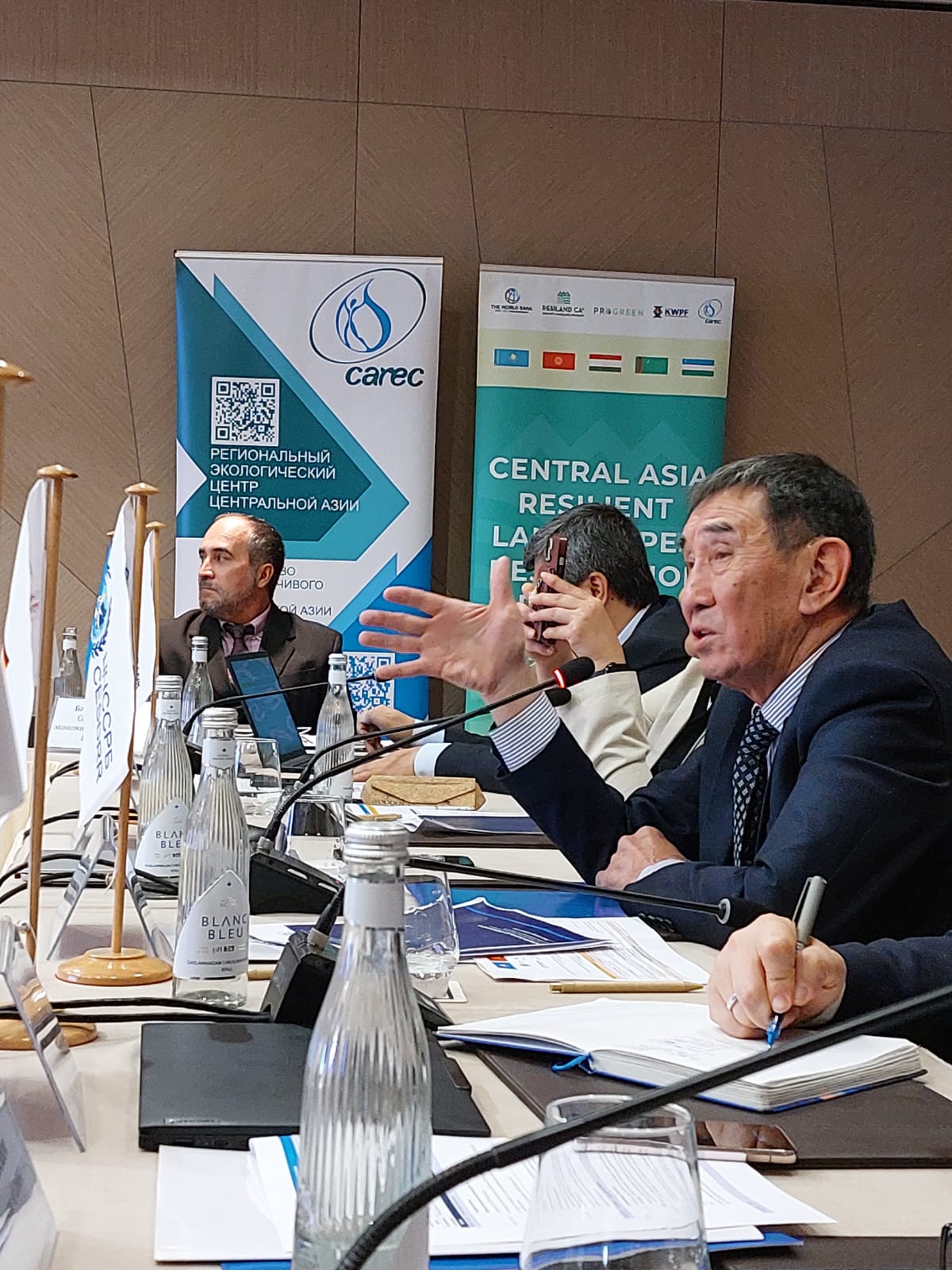
On October 19, 2026, a session dedicated to strengthening the capacity for safe transboundary water resources management and mitigating the consequences of transboundary mudflows and floods in Central Asia was held in Tashkent as part of the Regional Dialogue. The event gathered heads and representatives of national mudflow and flood protection services, ministries for emergency situations of the region's countries, national hydrometeorological services, as well as international organizations and financial institutions (a total of 23 participants, including 13 women).
This meeting became a key pre-final stage: following the preliminary discussions by the working group in Almaty, today’s coordination by the heads of profile agencies laid the foundation for the official inclusion of the Roadmap into the final Protocol of the Forum, which will be signed tomorrow by the Ministers of Emergency Situations of the Central Asian countries.
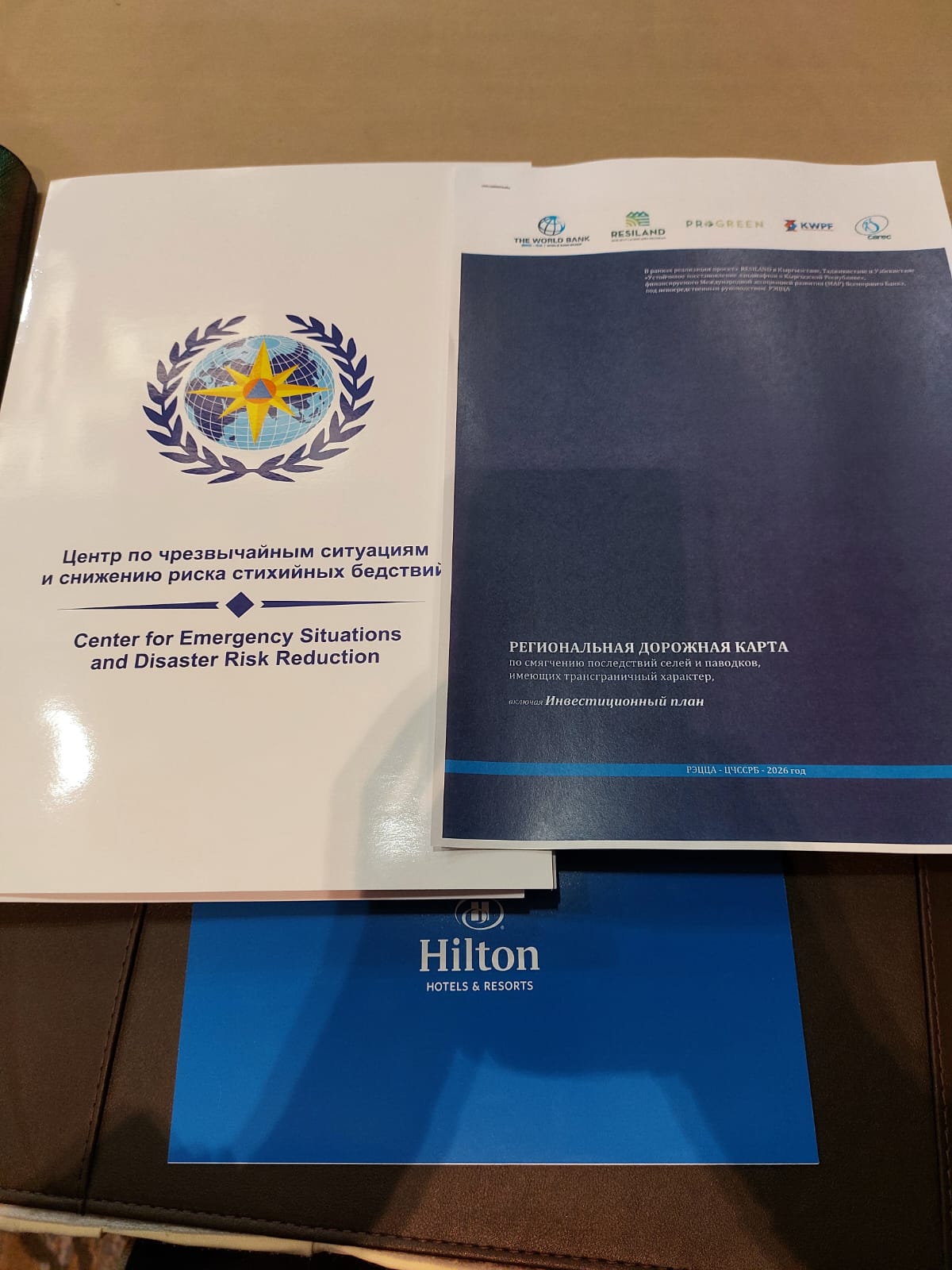
 The central event of the session was the review and endorsement of the Regional Roadmap (RRM) for Mitigating the Consequences of Transboundary Mudflows and Floods, along with its accompanying Investment Plan. The documents were prepared with the support of the World Bank's "Resilient Landscapes in Central Asia (RESILAND CA+)" program and facilitated by the Regional Environmental Centre for Central Asia (CAREC).
As a first practical step, the Regional Online Catalog of Transboundary Mudflows and Floods was presented to the participants. This unified GIS platform is designed to integrate data from five states on mudflows, floods, and climate into a single coordinate system. The catalog features an open circuit for public information and a closed circuit for authorized agencies, while all data remains under the jurisdiction of national agencies.
 The detailed capabilities and architecture of the platform were presented by CAREC expert Kydyr Nazarkulov:
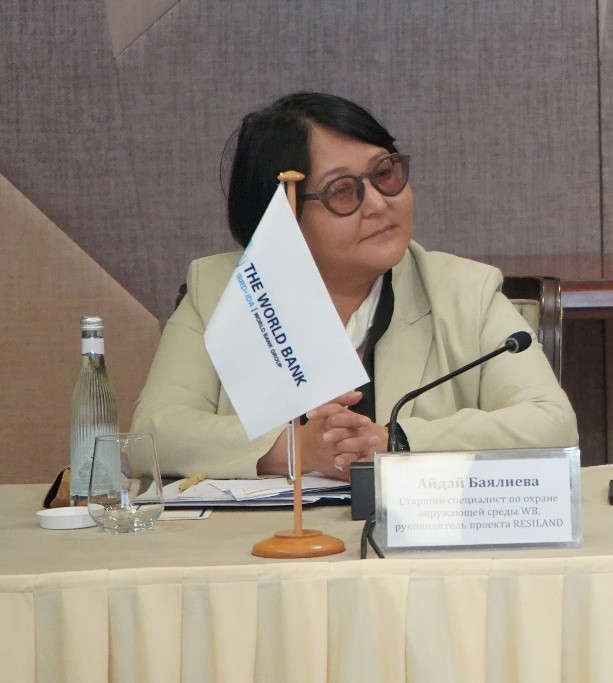 "The developed geoportal sets a unified standard for data presentation and ensures comprehensive monitoring—from runoff formation zones in the mountains to potential flooding zones in the plains. At the current stage, the national module of the Kyrgyz Republic, which includes data on hundreds of mudflow-prone rivers, breakout-dangerous lakes, and glaciers, has already been successfully integrated. As datasets from Kazakhstan, Tajikistan, Turkmenistan, and Uzbekistan are provided, they will be automatically included in the regional picture. This will enable specialists from Central Asian countries to conduct operational, regulated information exchange and model natural disaster risks," the expert noted.
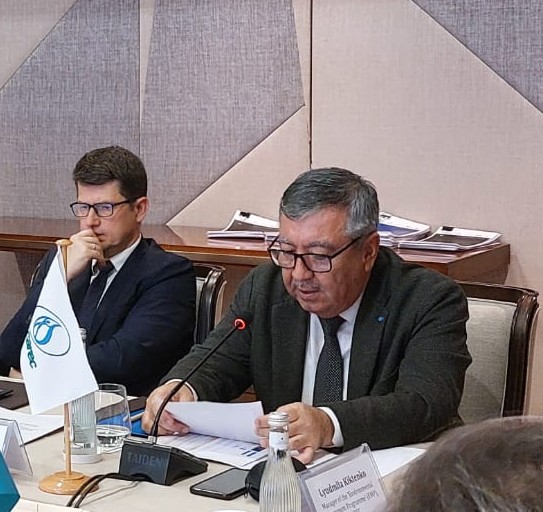 The importance of shifting toward preventive measures was highlighted by Aidai Bayalieva, Senior Environmental Specialist and Task Team Leader for the KG RESILAND Project at the World Bank Group. "The strategic goal of the RESILAND programme is to help the region move from addressing the consequences of degradation to enhancing landscape resilience in the face of long-term climate risks. Healthy and resilient landscapes are essential not only for local communities, agriculture, and water resources, but also for reducing hydrological hazards, including mudflows. The degree of mountain slope degradation directly affects the intensity of mudflow events. The official endorsement of the Regional Roadmap is an important political signal, demonstrating Central Asian countries’ commitment to practical cooperation in transboundary areas. It lays a solid foundation for developing harmonized approaches and implementing technical solutions at the regional level for the benefit of all stakeholders,” said Aidai Bayalyeva, Senior Environmental Specialist and Task Team Leader for the KG RESILAND Project at the World Bank Group.
This position was supported by the management of CAREC, highlighting the economic efficiency of such an approach. "Investing in disaster prevention is far more economically effective than eliminating their consequences. Including the Roadmap and the Investment Plan in the final protocol of the ministerial Forum will confirm that Central Asia is ready to collectively perform complex technical work and effectively attract large-scale climate investments," stated Batyr Mammedov, CAREC Executive Director.
The event was organized by the Center for Emergency Situations and Disaster Risk Reduction (CESDRR), the Deutsche Gesellschaft für Internationale Zusammenarbeit (GIZ), and the Regional Environmental Centre for Central Asia (CAREC).

Additional Information:
Lyudmila Kiktenko — Deputy Project Manager of the "Resilient Landscapes in Kyrgyzstan: Regional Component" project, CAREC, lkiktenko@carececo.org
 To learn more about the current results and key events of the project, please visit the official webpage of the RESILAND CA+ program.
We invite you to join our expert community to be the first to receive up-to-date analytics and follow the project's main news. You can subscribe to the monthly newsletter on the program page.