

Issues of desertification and land degradation in Central Asian countries were discussed at the Regional Dialogue on the Restoration of Landscapes in Central Asia, held in Tashkent, Uzbekistan.
As noted by Erkin Mukhitdinov, Acting Director of the Agency for Increasing Forests and Green Areas and Combating Desertification under the National Committee on Ecology and Climate Change of Uzbekistan, the meeting brought together two issues of critical importance for Central Asian countries: regional partnership and environmental sustainability.
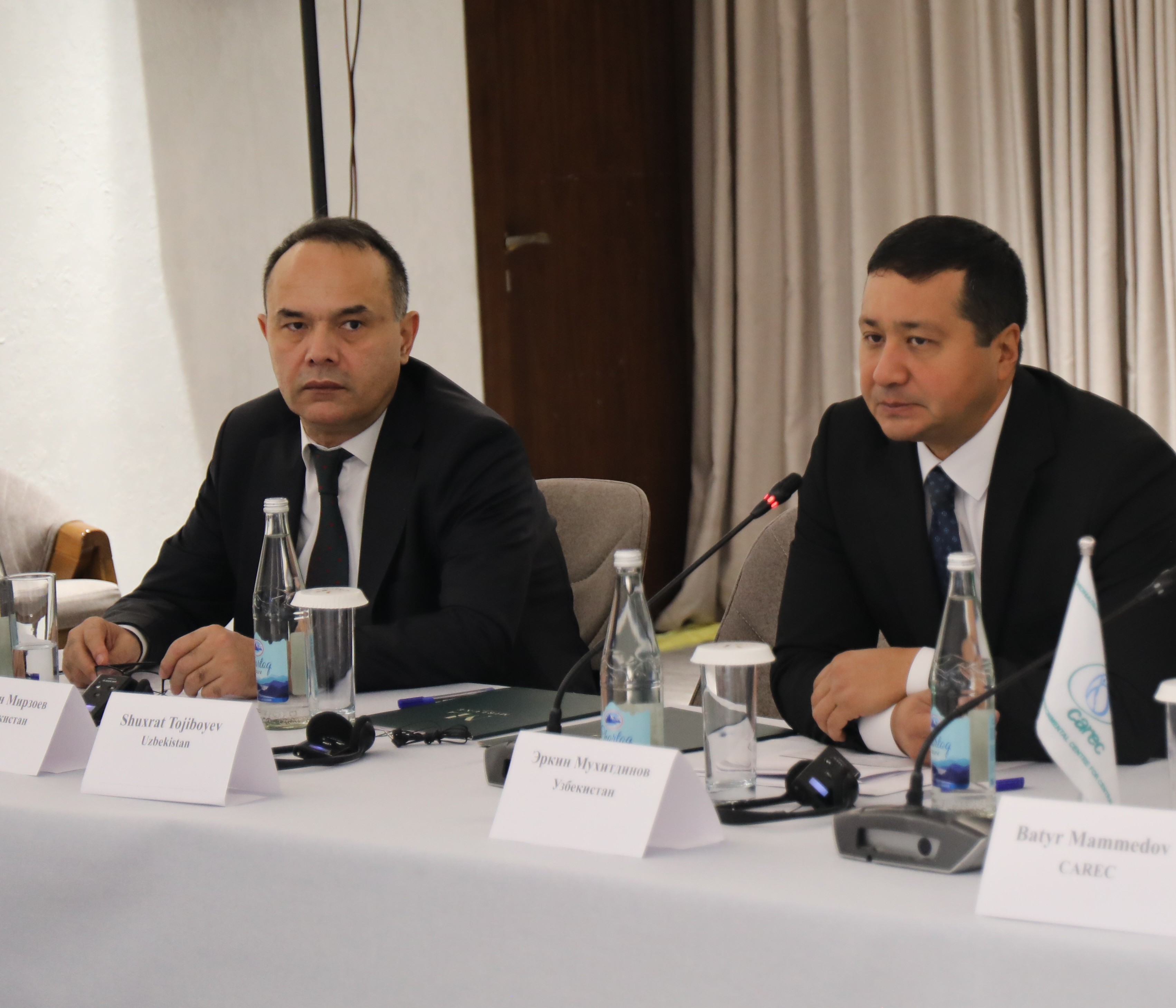
According to him, all Central Asian countries are facing common environmental threats, including the depletion of water resources. For example, compared to 1991, water use in Uzbekistan has decreased by 48 percent. Glacier melting is also being observed in Kyrgyzstan and Tajikistan, which feed the region’s principal transboundary rivers – the Syr Darya and the Amu Darya.
Kazakhstan, Turkmenistan and Uzbekistan are facing serious land desertification challenges. In Uzbekistan, 9 square meters of land are becoming desertified every minute across various parts of the country. In this context, the RESILAND CA+ Program is of critical importance for the entire Central Asian region, as it is specifically aimed at addressing land degradation and promoting the development of resilient landscapes.
Erkin Mukhitdinov also recalled another shared environmental tragedy of the region – the dryness of the Aral Sea. He emphasized that this is a global environmental catastrophe, not only a regional one. The Aral Sea crisis, desertification processes and global climate change are jointly affecting the condition of forest cover. For example, tree planting schedules have changed significantly: planting is now carried out during winter months, as sap flow now begins in spring and newly planted trees fail to survive.
According to Erkin Mukhitdinov, implementation of the RESILAND CA+ Program in Uzbekistan will contribute to more effective solutions to land degradation challenges at both national and regional levels. He expressed hope that the project’s activities would in the future be included in the C5 Agenda.
It is recalled that the Agency for Increasing Forests and Green Areas and Combating Desertification under the National Committee on Ecology and Climate Change of Uzbekistan hosted the Regional Dialogue on the Restoration of Landscapes in Central Asia on 9–10 December 2025 in Tashkent.
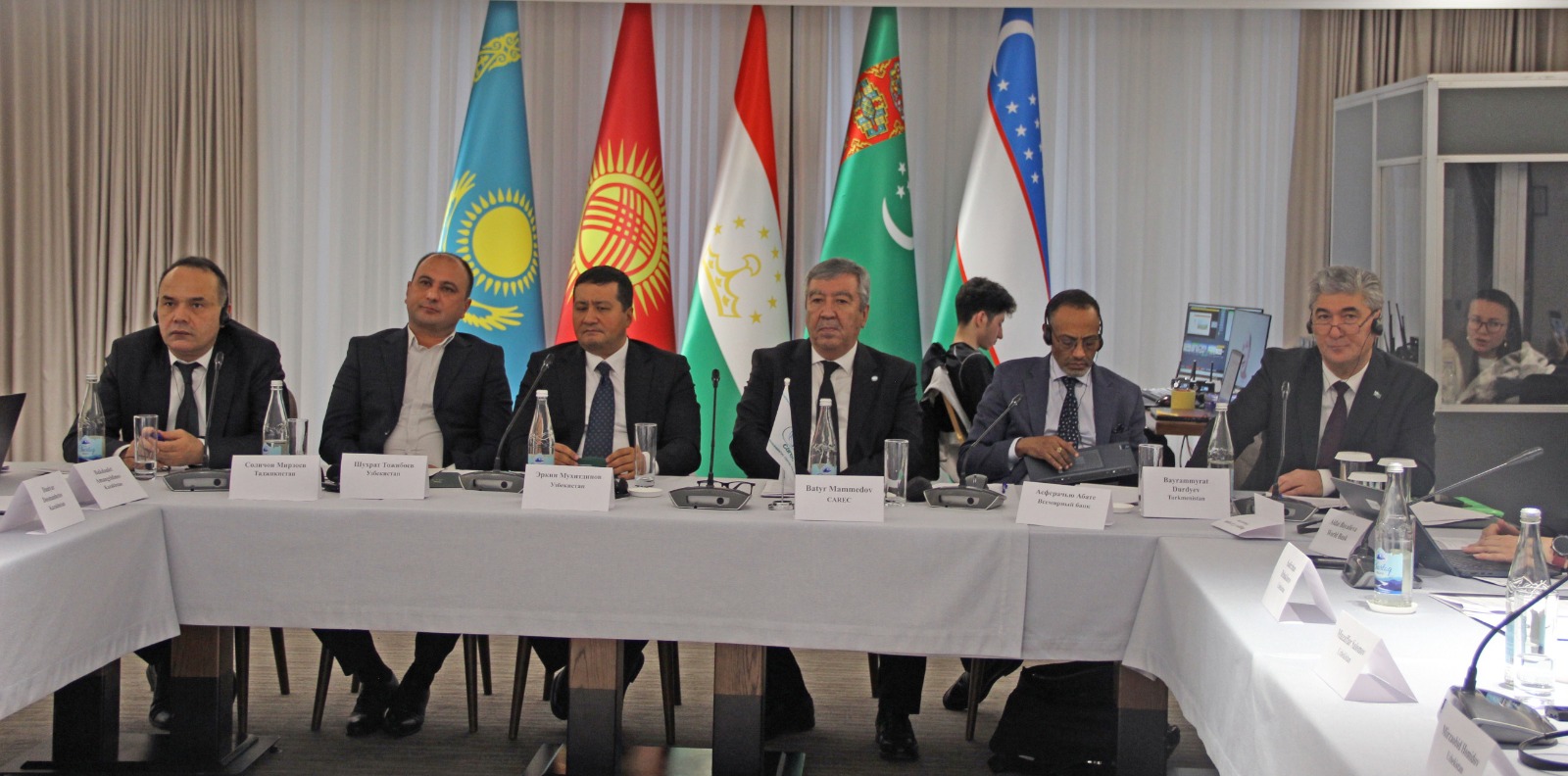
Government officials from Kazakhstan, the Kyrgyz Republic, Tajikistan, Turkmenistan, and Uzbekistan, together with international experts, discussed enhancing regional cooperation in forest management and transboundary landscape restoration. The event was held under the World Bank–funded Central Asia Resilient Landscapes Restoration Program (RESILAND CA+), the largest ecosystem restoration initiative in the region, which supports climate resilience across all five Central Asian countries through projects implemented by national authorities.
The Program is aimed at strengthening climate resilience in urban and rural areas of Kazakhstan, the Kyrgyz Republic, Tajikistan, Turkmenistan, and Uzbekistan.
The Regional Environmental Centre for Central Asia (CAREC) is implementing the regional component of the RESILAND Kyrgyz Republic, RESILAND Tajikistan, and RESILAND Uzbekistan projects.
Additional information:
Azamat Kauazov - Deputy Team Leader of Uzbekistan Resilient Landscape Restoration project: regional component, CAREC
Dilovarsho Dustzoda — Deputy Team Leader of the Project Implementation Group for “Sustainable Landscape Restoration in the Republic of Tajikistan: Regional Component”, CAREC
Lyudmila Kiktenko – Deputy Team Leader, “Restoration of Sustainable Landscapes in Kyrgyzstan: Regional Component” Project, CAREC