
Hugh Riddell, Country Manager of the World Bank in the Kyrgyz Republic, in his remarks at the Second Regional Conference in Bishkek, organized by the Regional Environmental Centre for Central Asia, emphasized the close link between the One Health approach and Kyrgyzstan’s strategic development priorities through 2030.
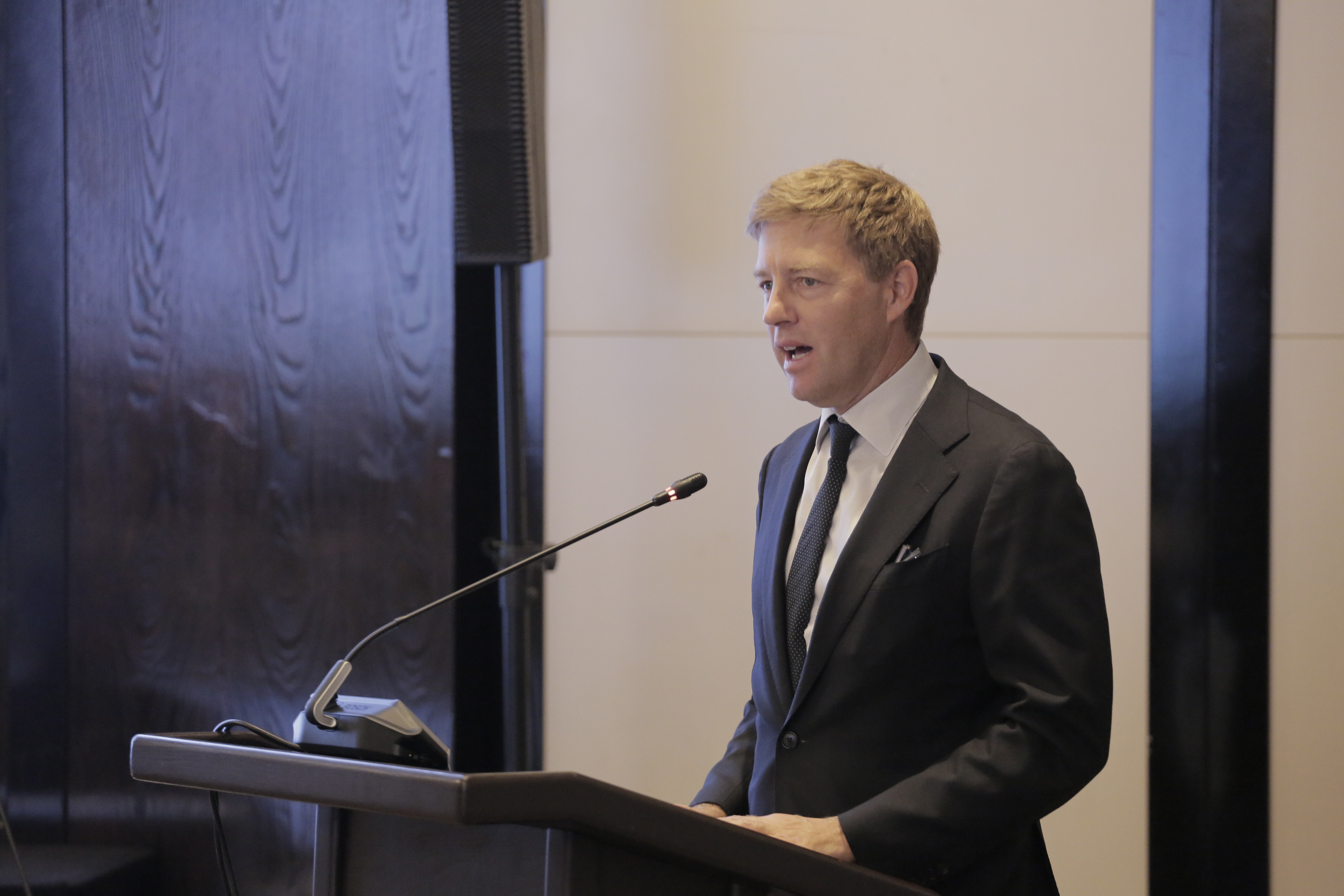 At the beginning of the process, when we were discussing the One Health program with our colleagues in the Ministry of Finance of the Kyrgyz Republic, there were a lot of questions. The line ministries were, of course, very committed and supportive of the approach. But the Ministry of Finance was asking very reasonable questions: What is this One Health approach? Why is it so complicated? Why do we have different countries participating and different parts of government involved?
“We had a lot of discussion. And as we had that discussion, I think we all began to understand better the strong links between the One Health agenda and the Kyrgyz Republic’s National Development Plan to 2030,” he said.
The National Development Plan to 2030 has four main vectors for progress in development in the Kyrgyz Republic: developing the country as a regional hub, agriculture, nature-based tourism, and green energy. The One Health approach, Riddell noted, maps very closely onto each of these strategic directions.
One of the key areas is supporting the shift towards a stronger export orientation in agriculture.
The Kyrgyz Republic is transitioning from a traditional pastoral approach towards more export-oriented agricultural subsectors. Livestock will be absolutely essential in that transition. World Bank Group investments in agriculture complement the work under the One Health program, particularly in areas such as animal health services, disease surveillance, and food safety systems.
Strengthening these areas will help reduce livestock losses and strengthen the country’s ability to access regional and international markets.
Another important point of intersection is protecting people and building human capital.
 The National Development Plan has a very strong agenda for human capital. Zoonotic diseases, antimicrobial resistance, and foodborne diseases impose tremendous costs not only on households, but also on the wider economy.
The World Bank has been supporting health systems development in the Kyrgyz Republic for some time. New financing for primary health care is also targeting some of the very same outcome indicators that are being considered under the One Health agenda.
Developing the Kyrgyz Republic as a stronger regional hub means expanding trade, transport, and regional connectivity.
As an example, Riddell pointed to the construction of the China–Uzbekistan–Kyrgyz Republic railway. At the same time, as cross-border movement increases, biosecurity risks also increase. The country will therefore need stronger surveillance, laboratory systems, and the coordinated response mechanism that the One Health approach is bringing.
“Exactly this is what the One Health approach brings,” Riddell said.
Climate resilience and green development are also a strong focus of the National Development Plan to 2030.
Climate change is having an increasing impact on livestock, ecosystems, and the economy. Riddell also highlighted another important link — with the science agenda and the upcoming Global Mountain Summit, which will be hosted by Bishkek in 2027. The Summit will place a strong focus on ecosystems and landscapes, both from the point of view of opportunities for mountain economies and the risks they face.
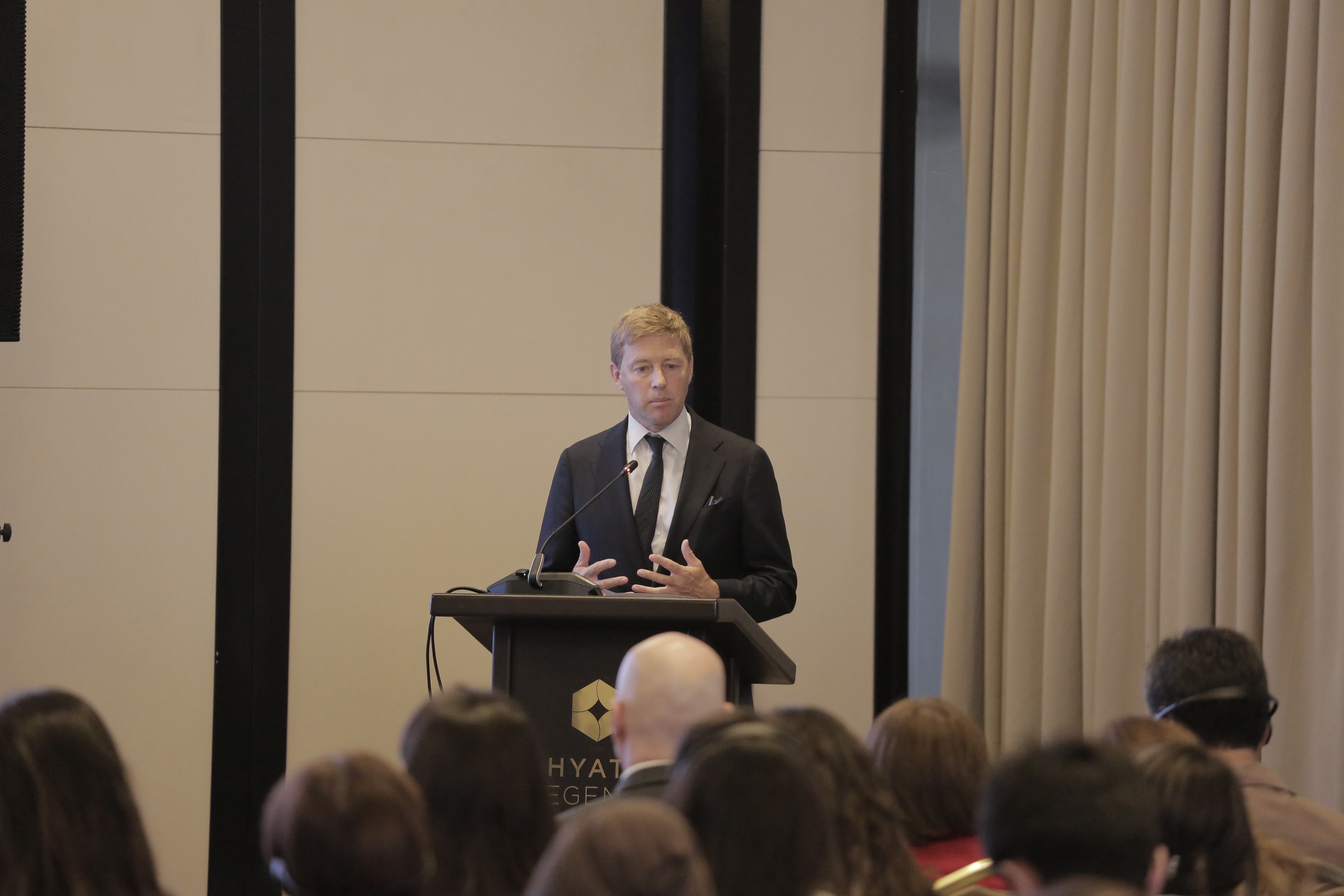 “I believe that this work that we’re all undertaking today, including through the research academies and the research community, is a very strong support for the Bishkek Global Mountain Summit next year,” he emphasized.
In closing, Riddell stressed that the next important step is to translate the government’s political commitment to the One Health approach into implementation.
“We do need to see the political will that the government showed by adopting the One Health approach matched with implementation and disbursements,” he said.
The World Bank, he noted, will work very closely with the implementing agencies and the government of the Kyrgyz Republic over the next few years. He also thanked all participants for the additional effort required to work through the One Health approach across different government institutions and across countries in the region.
“We believe strongly this will pay off for the Kyrgyz Republic and, of course, for the wider region,” Hugh Riddell concluded.