
Shymkent, Kazakhstan — A regional workshop on water quality standards and laboratory methods was held on June 3–4, 2026. The event was organized by the Regional Environmental Centre for Central Asia (CAREC) as part of the “Blue Peace Central Asia” (BPCA) with the support of the local partner, the State Enterprise “Kazhydromet” for the Turkestan Region. The workshop was intended for the Regional Working Group on Water Quality (RWG-WQ), which brings together leading experts on water quality from the region’s hydrometeorological services, relevant ministries, and academic institutions.
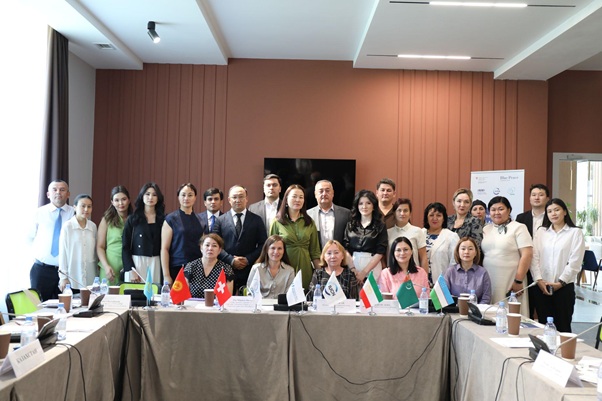
The meeting was designed to strengthen the technical role of the RWG-WQ and lay the groundwork for implementing the group’s strategic priority: the development of a flexible, risk-based methodology for surface water quality assessment.
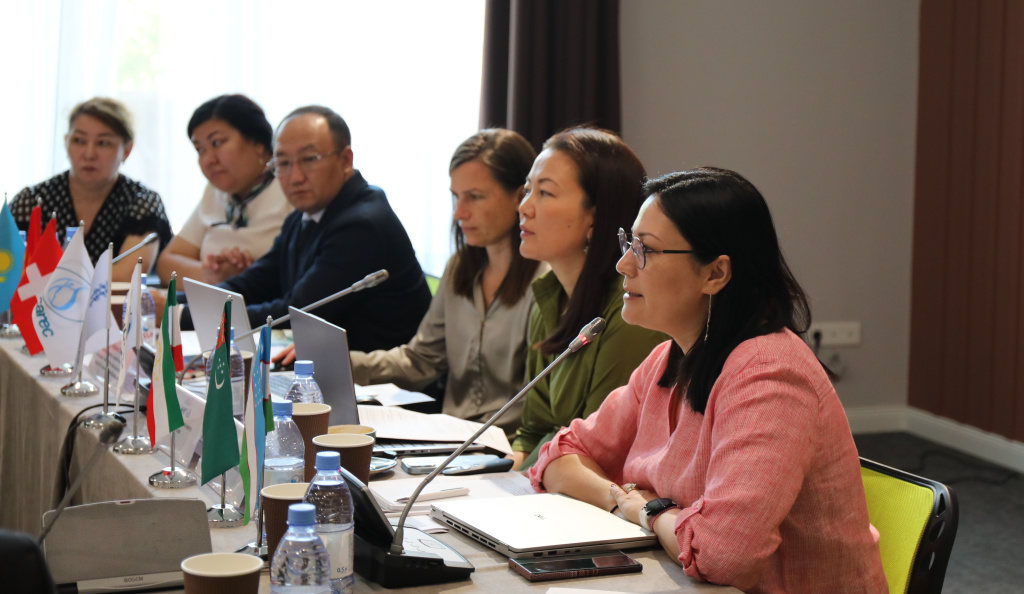
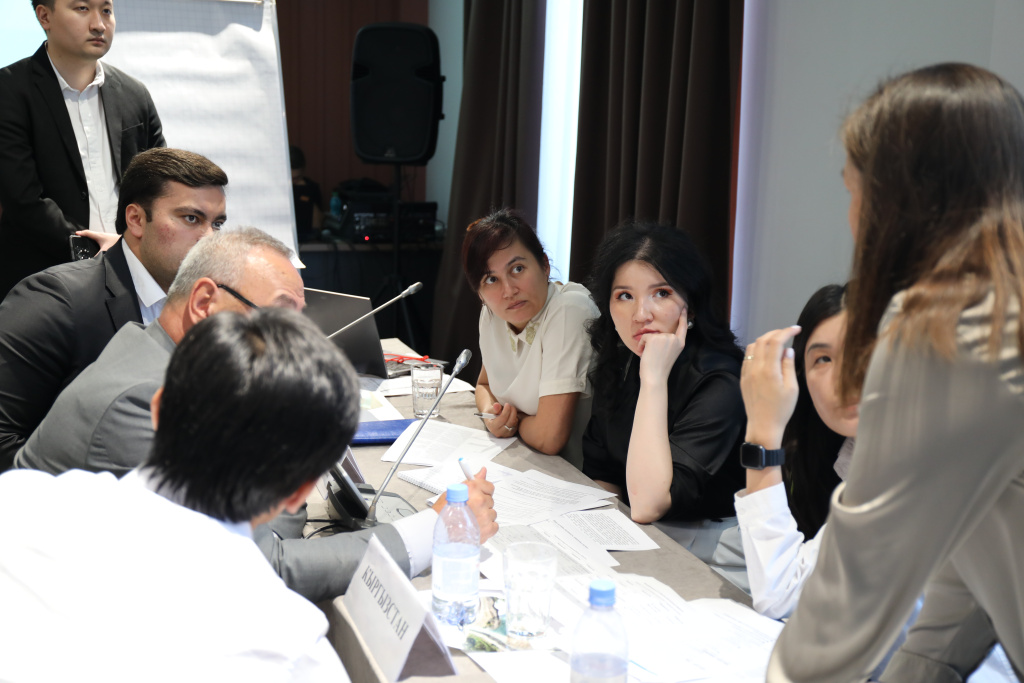
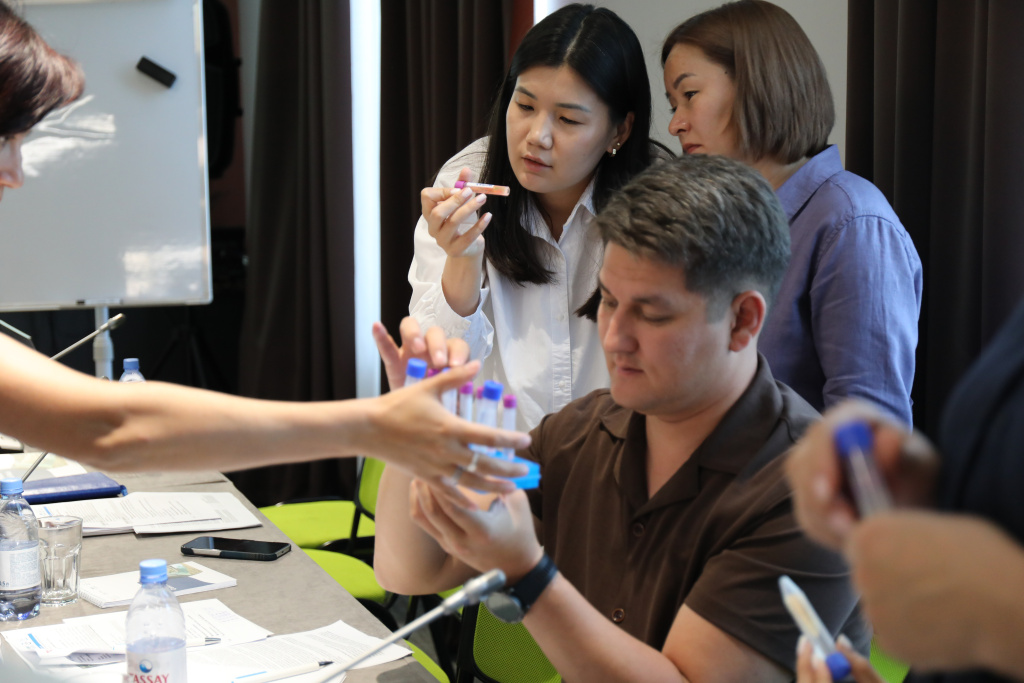
On the first day of the seminar, participants focused on the theoretical aspects of water quality assessment. Representatives from Kazhydromet, Kyrgyzhydromet, Tajikhydromet, the Environmental Monitoring Service of the Ministry of Environmental Protection of Turkmenistan, and Uzhydromet presented reports on the current state of surface water monitoring systems, the parameters measured in their respective countries, the equipment used for these measurements, and the frequency of measurements.
Project expert, Dr. Marina Peter, a senior researcher at the University of Applied Sciences and Arts Northwestern Switzerland, presented the Swiss NAWA system, which represents a comprehensive approach to assessing the condition of water bodies, including not only a general set of physical and chemical water parameters but also hydrobiological and hydromorphological indicators. Participants were asked to compile a basic list of parameters for each country and to preliminarily agree on it as a universal framework for a regional pilot of joint river assessment.
“We are not proposing to measure absolutely all parameters—no country would have sufficient resources for that. It made more sense to focus on a smaller number of indicators that would serve as clear indicators for specific groups of pollutants and reflect the actual condition of water bodies,” noted Marina Piter.
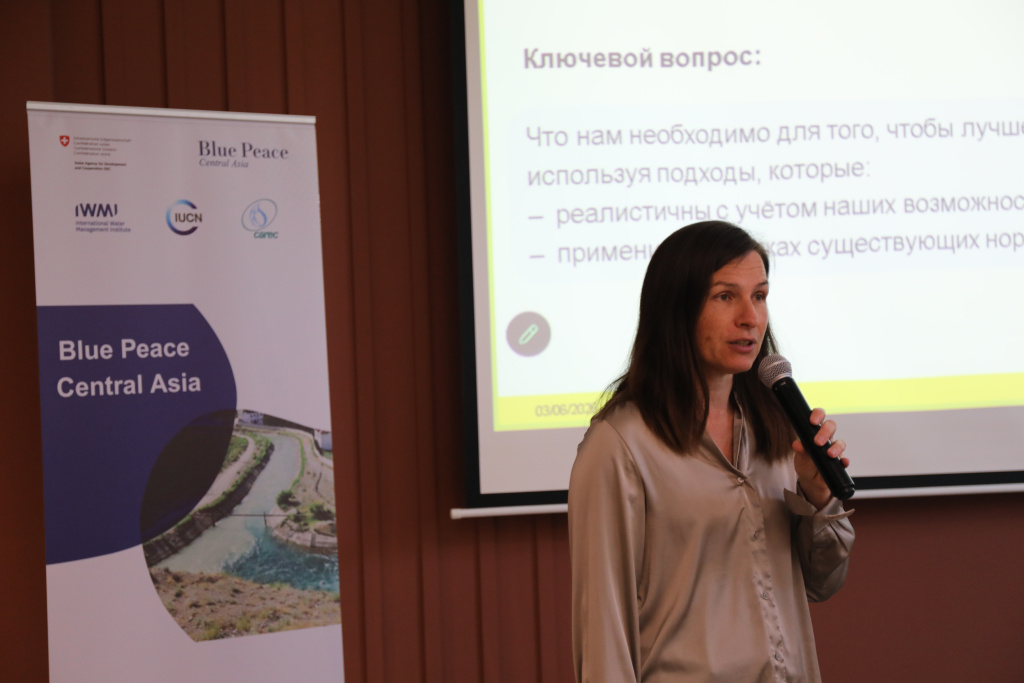
To explore international best practices in joint monitoring, experts from the Finnish Environment Institute presented the experience of the Baltic Marine Environment Protection Commission (HELCOM), while representatives from the Ukrainian consulting firm Blue Rivers Consulting shared insights from the International Commission for the Protection of the Danube River.
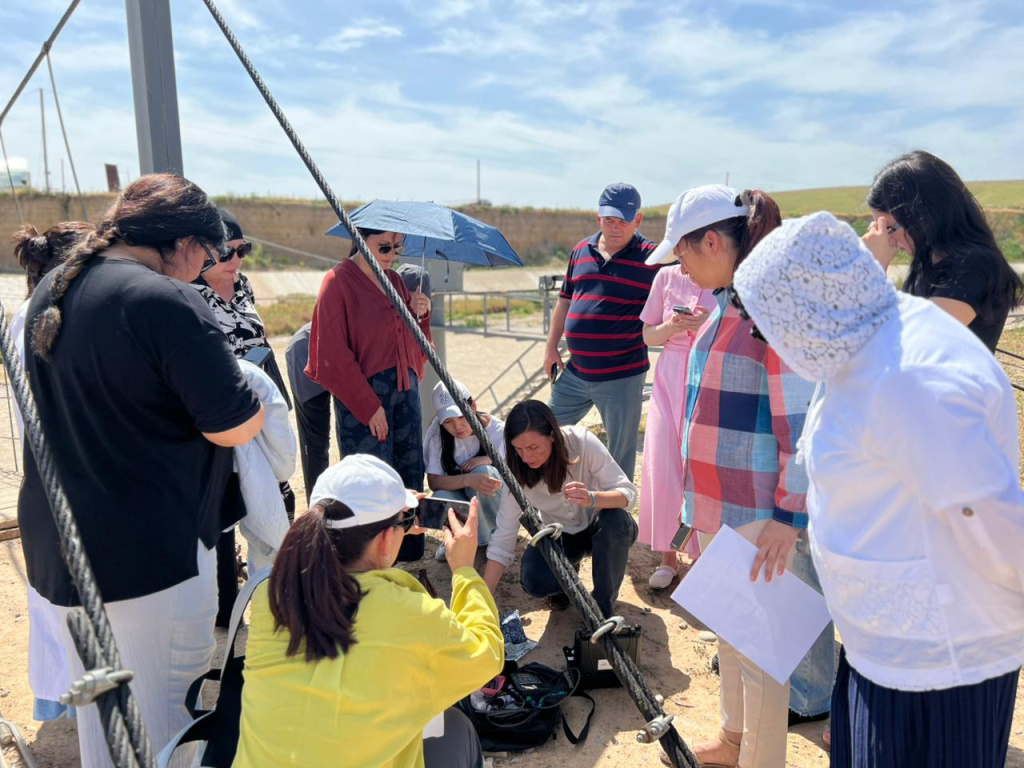
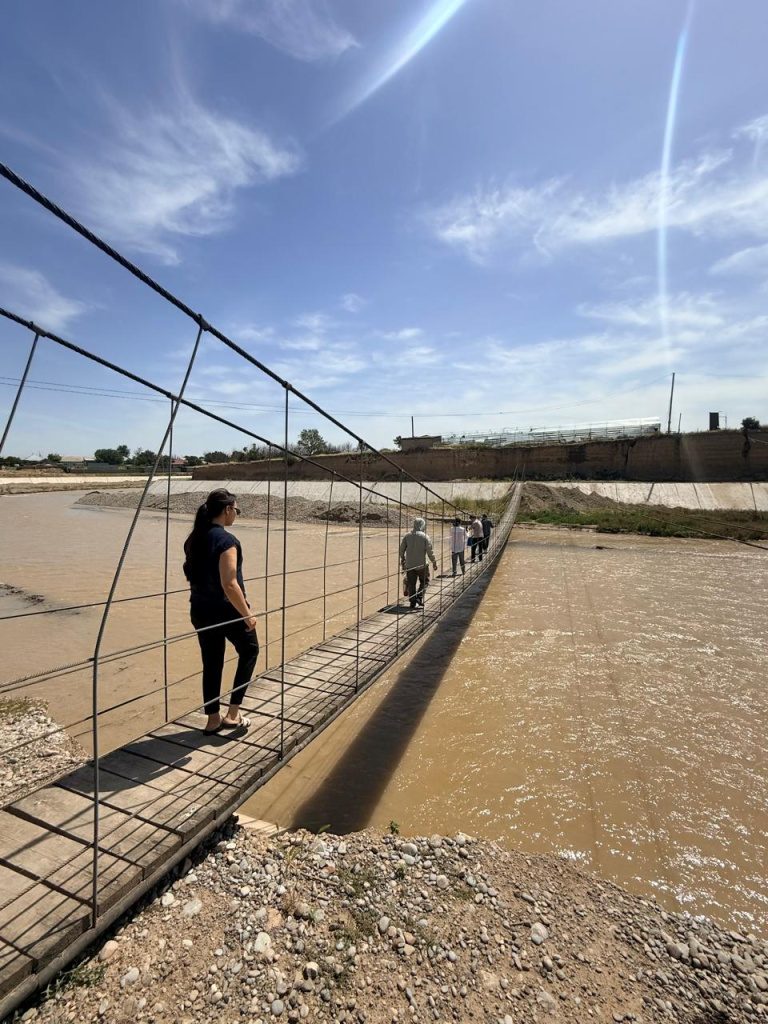
The second day of the seminar was entirely devoted to practical fieldwork. The experts visited the Kazhydromet laboratory in the Turkestan region, conducted a general assessment of the Badam River, and carried out joint water sampling at key hydrological stations on the Kazakhstani section of the Syr Darya River—Kokbulak and the Bridge over the Syr Darya River.
Badam River, Turkestan Region
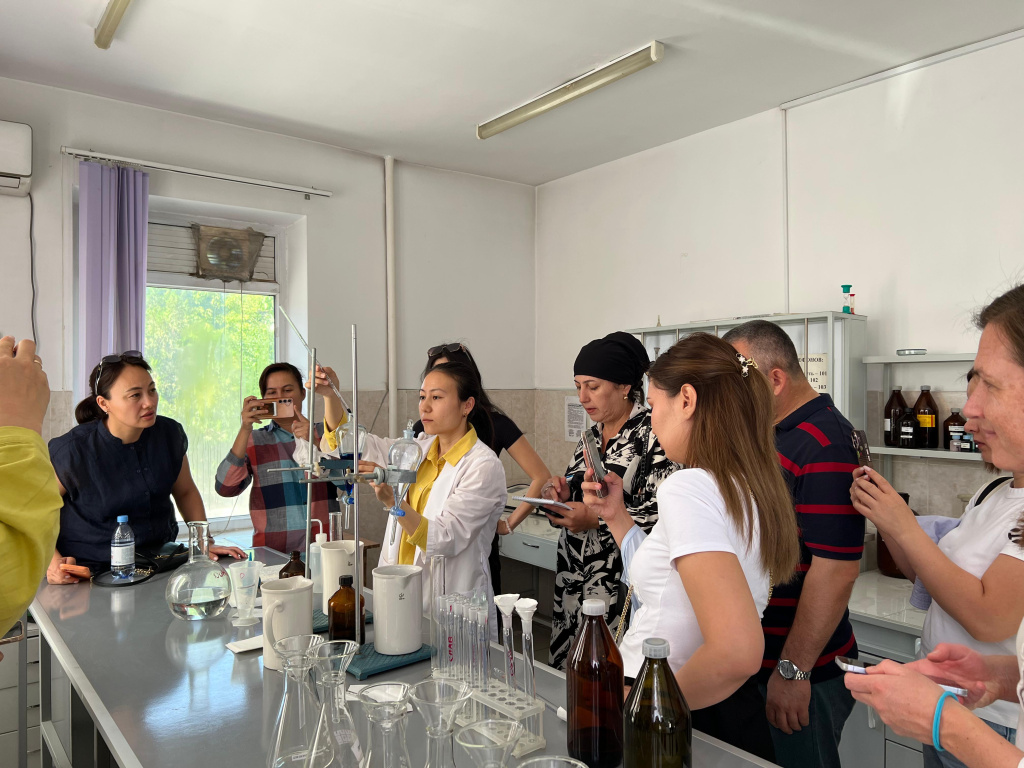
Kazhydromet State Enterprise Laboratory in the Turkestan Region
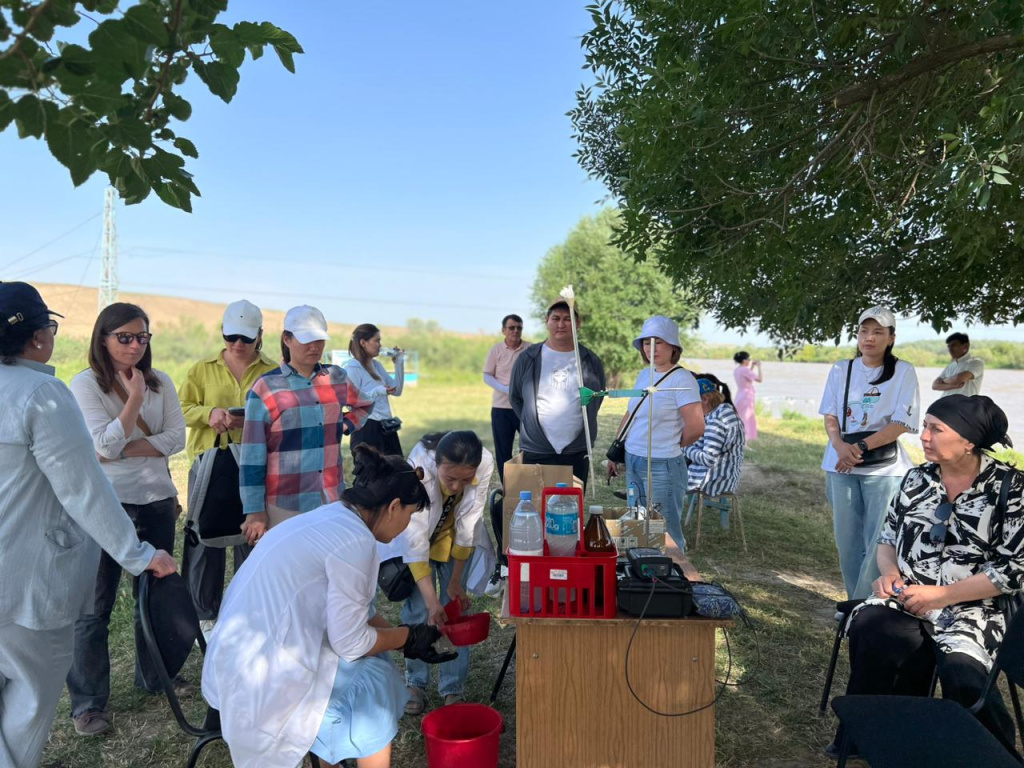
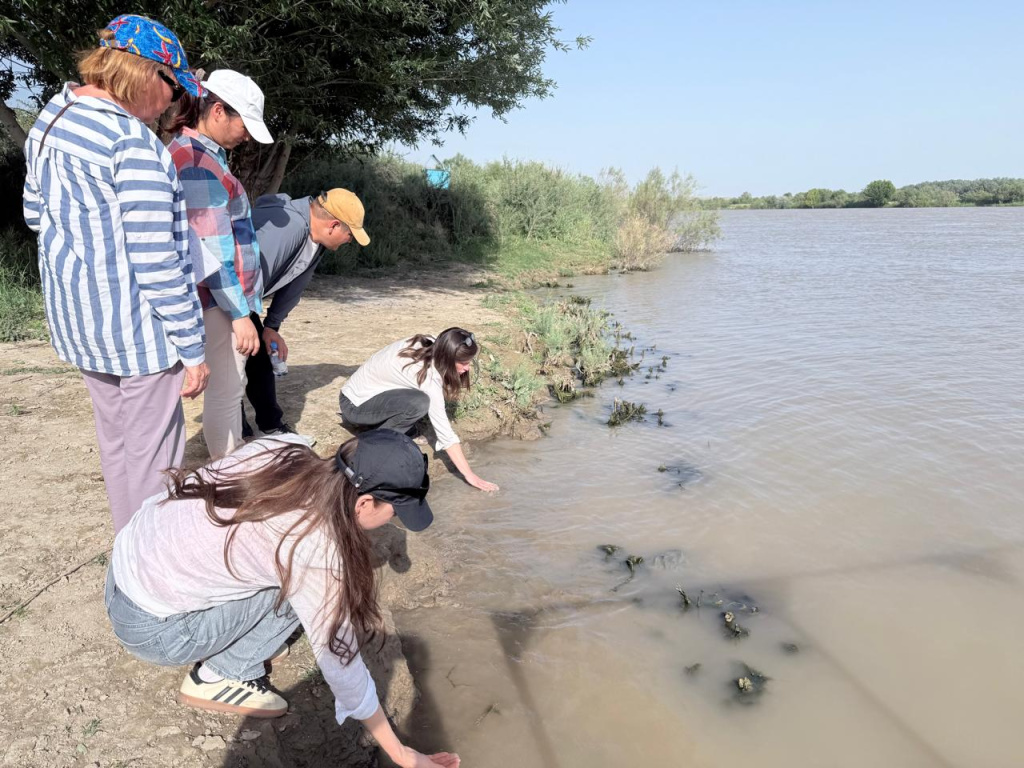
“Kokbulak” hydrological station on the Syr Darya River, Turkestan Region
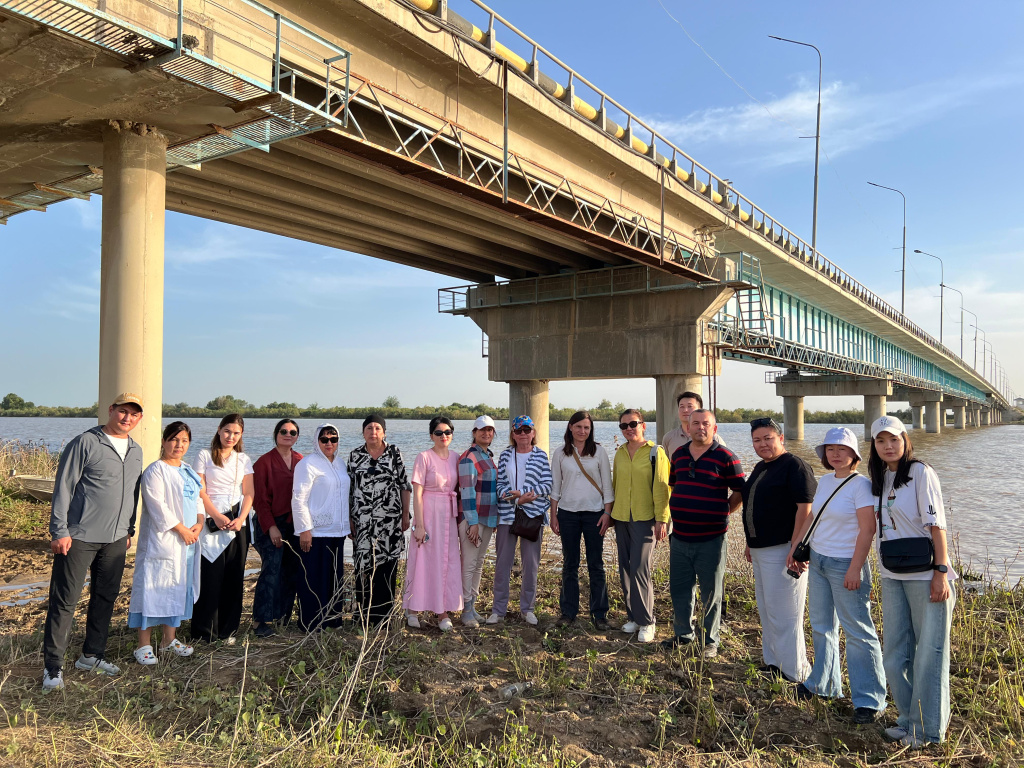
“Bridge over the Syr Darya River” hydrological station, Turkestan Region
Following two days of intensive work, the participants developed a draft of an agreed list of water quality parameters, validated by all participating countries for pilot implementation. The adaptation of flexible, less costly, yet effective Swiss visual methods from the NAWA system will, in the long term, enable local laboratory specialists to transition from a fragmented approach to water assessment to a harmonized approach that provides for regular information exchange, standardized reporting, and comparability of monitoring data.
Background
The Blue Peace Central Asia initiative (2025–2029) aims to support sustainable water resources management and promote water diplomacy in the region’s transboundary basins.
The project includes three main areas: hydro-diplomacy, implementation of projects for basin and investment planning on small transboundary rivers, and capacity building for young professionals and women.
Blue Peace promotes a multi-level and multi-stakeholder approach to water governance in Central Asia. Special attention is given to equitable distribution and efficient management of water resources in close connection with the region’s socio-economic development and stability.
The project is implemented by a consortium of International Water Management Institute and International Union for Conservation of Nature in partnership with Regional Environmental Centre for Central Asia.
Additional Information:
Irina Yugay — Acting Program Manager, CAREC Water Initiatives Support Program,