
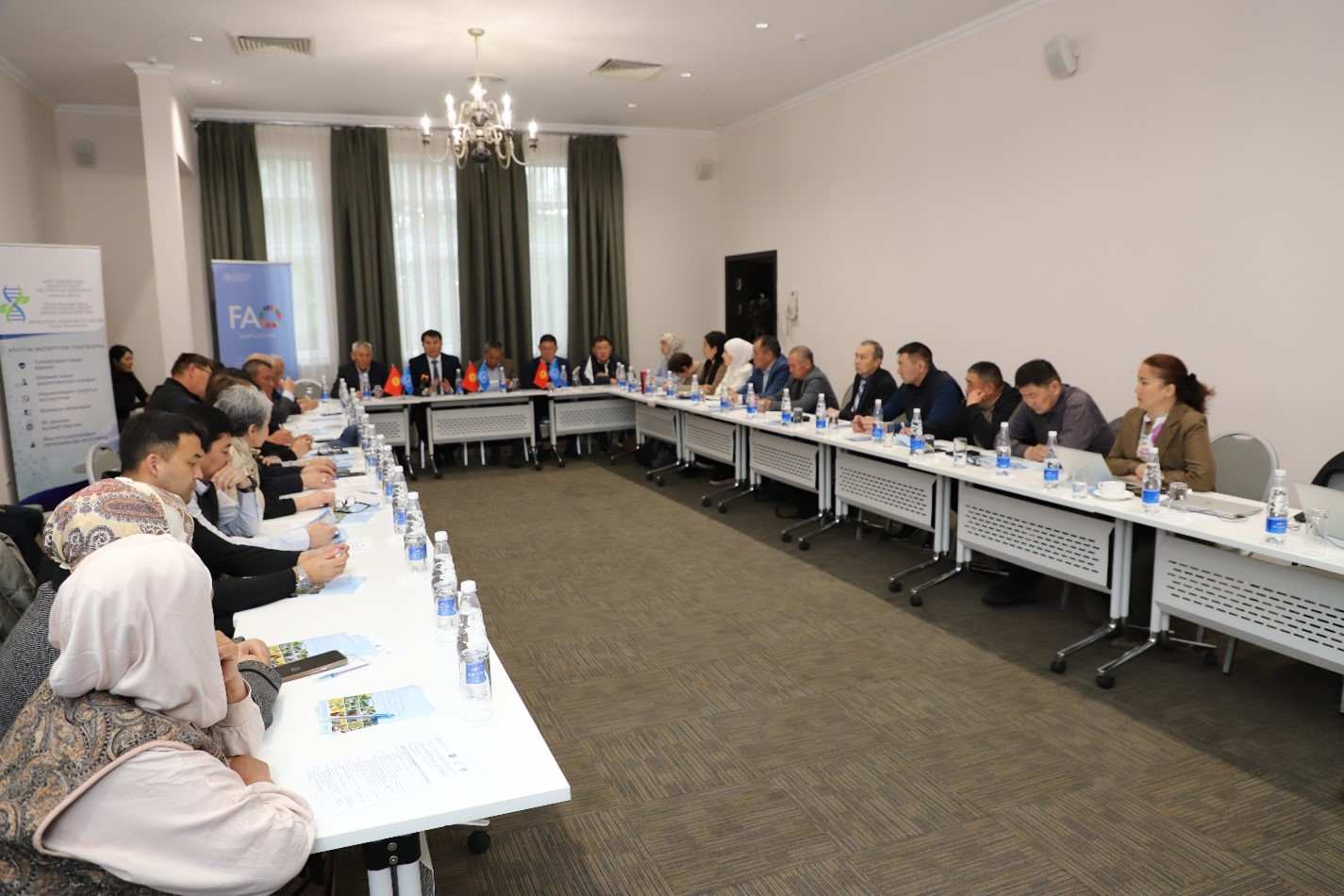
On April 17, 2026, a national workshop was held in Bishkek to discuss the development of national policies and guidelines on biosafety in accordance with the Cartagena Protocol.
 .
.
The event took place as part of the FAO/GEF project “Implementation of the National Biosafety Mechanism of the Kyrgyz Republic” and was organized by the Ministry of Natural Resources, Ecology, and Technical Supervision of the Kyrgyz Republic in collaboration with the Food and Agriculture Organization of the United Nations (FAO) and the Regional Environmental Center for Central Asia (CAREC).
The following topics were covered during the seminar:
• the FAO/GEF project “Implementation of the National Biosafety Mechanism of the Kyrgyz Republic”;
• improvement of the regulatory framework in the field of biosafety in accordance with the Cartagena Protocol;
• Experience of national laboratories in the detection and identification of GMOs in the Kyrgyz Republic;
• Socio-economic aspects of GMO management, taking into account the principles of gender equality and social inclusion;
• Raising public awareness on biosafety issues.
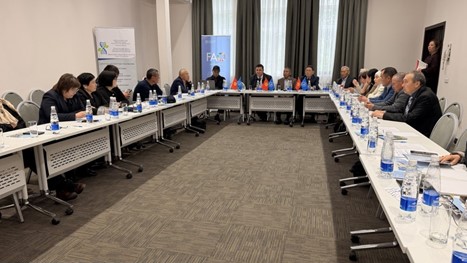
The seminar brought together representatives from government agencies, the scientific and expert communities, as well as farmers from the Chui and Talas regions. Participants discussed current challenges related to the use of GMO and non-GMO products and seeds, and shared practical experiences.
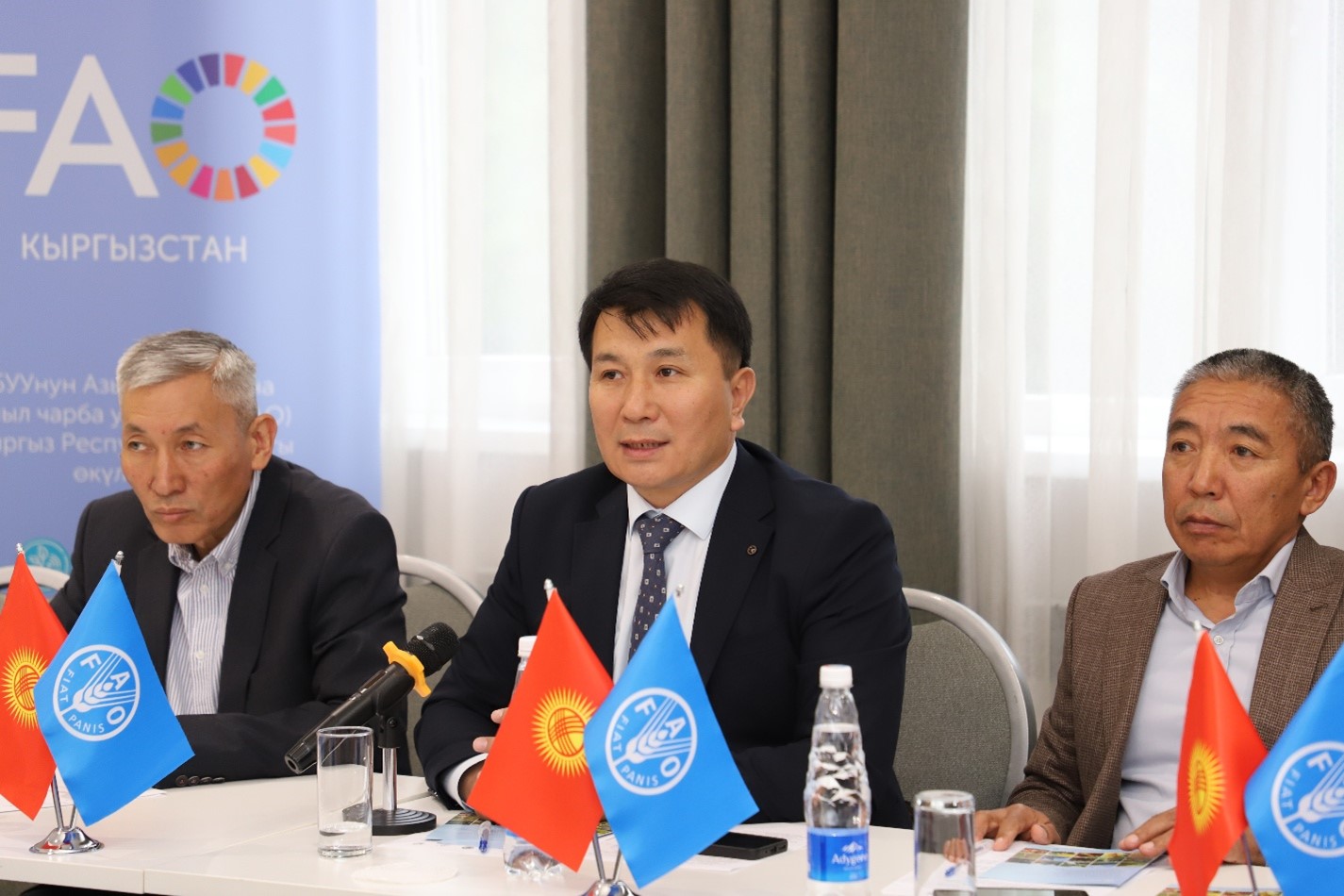
During the discussions, it was noted that biosafety issues, against the backdrop of biotechnology advancements, require a comprehensive and systematic approach.
“This project is of great importance to Kyrgyzstan and aims to establish a sustainable biosafety system in the country. Biosafety issues require systematic and long-term efforts, and with FAO’s support, we are able to develop effective mechanisms for regulating and conserving biodiversity. It is particularly important that the implementation of this project is directly linked to the protection of ecosystems and the promotion of the country’s sustainable development,” emphasized Kumar Mambetaliyev, Head of the Department of Biological Resources and Protected Areas at the Ministry of Natural Resources, Environment, and Tourism of the Kyrgyz Republic.
According to him, developing cooperation with international partners helps strengthen the institutional framework and improve the effectiveness of risk management.
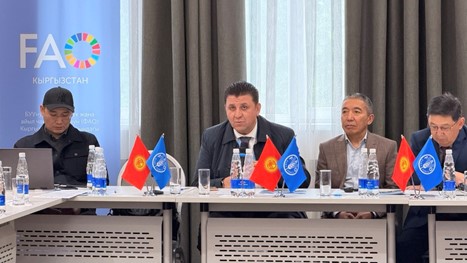
Since 2023, the project “Implementation of the National Biosafety Mechanism in the Kyrgyz Republic in accordance with the Cartagena Protocol on Biosafety” has been underway in the country, with technical assistance from the FAO and financial support from the Global Environment Facility (GEF). During this time, a number of activities aimed at strengthening the national biosafety system and developing institutional capacity have been carried out under the project.
“The project, implemented with FAO support, is of great importance to Kyrgyzstan. It contributes to the development of the national biosafety mechanism and the strengthening of the country’s institutional capacity. Such initiatives are important for sustainable development and ensuring food security in the country,” noted Oleg Guchgeldiev, Head of the FAO Office in the Kyrgyz Republic.
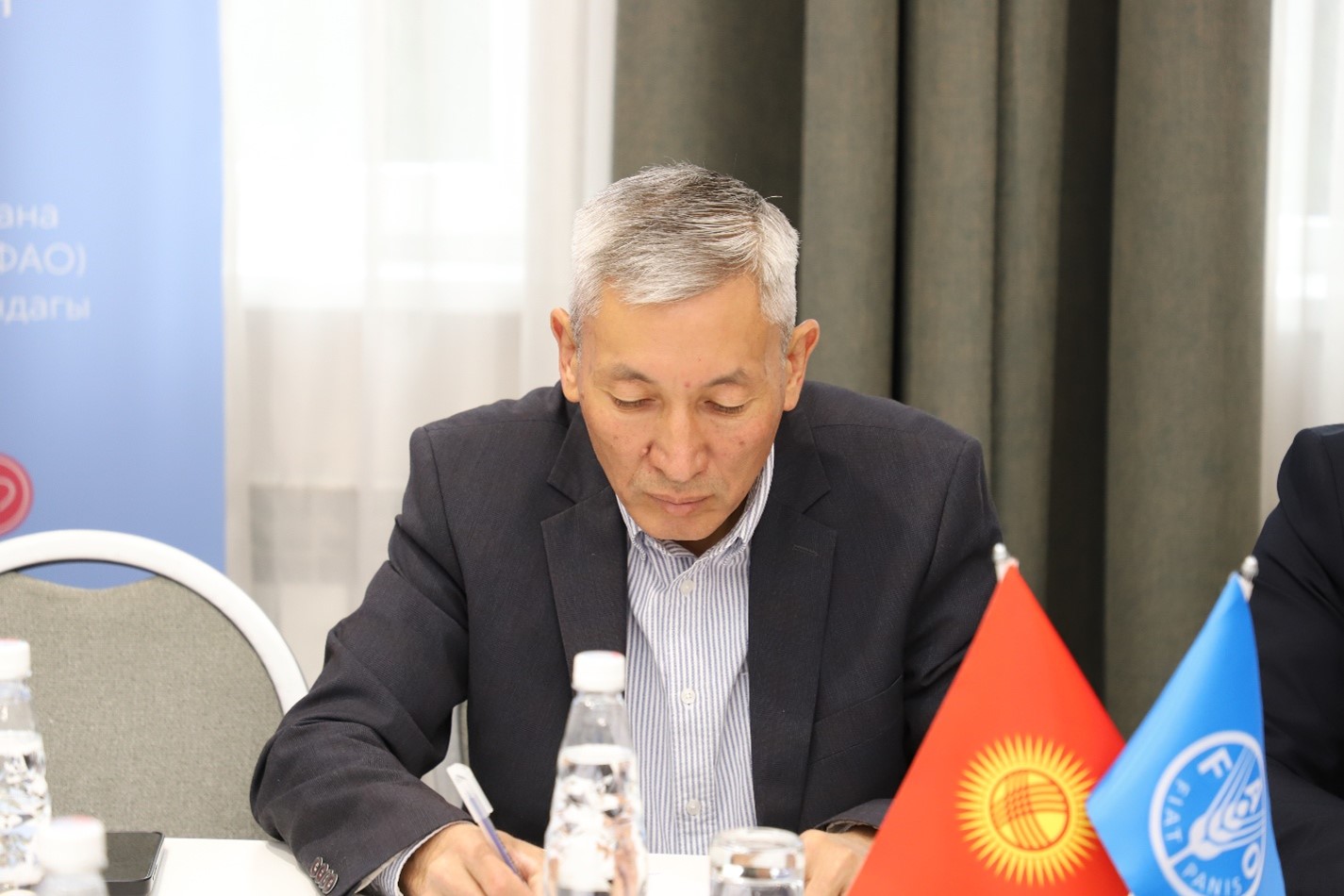
The seminar marked an important step toward strengthening cooperation between government agencies, the expert community, farmers, and international partners.
"Biosecurity requires close cooperation and a constant exchange of expertise among government agencies, experts, and farmers. Such seminars help foster constructive dialogue and strengthen coordination among all parties involved in the process. These meetings and seminars contribute to achieving the project’s objectives and raising public awareness of issues related to animal health and biodiversity,” said Kuban Matraimov, director of the CAREC branch.
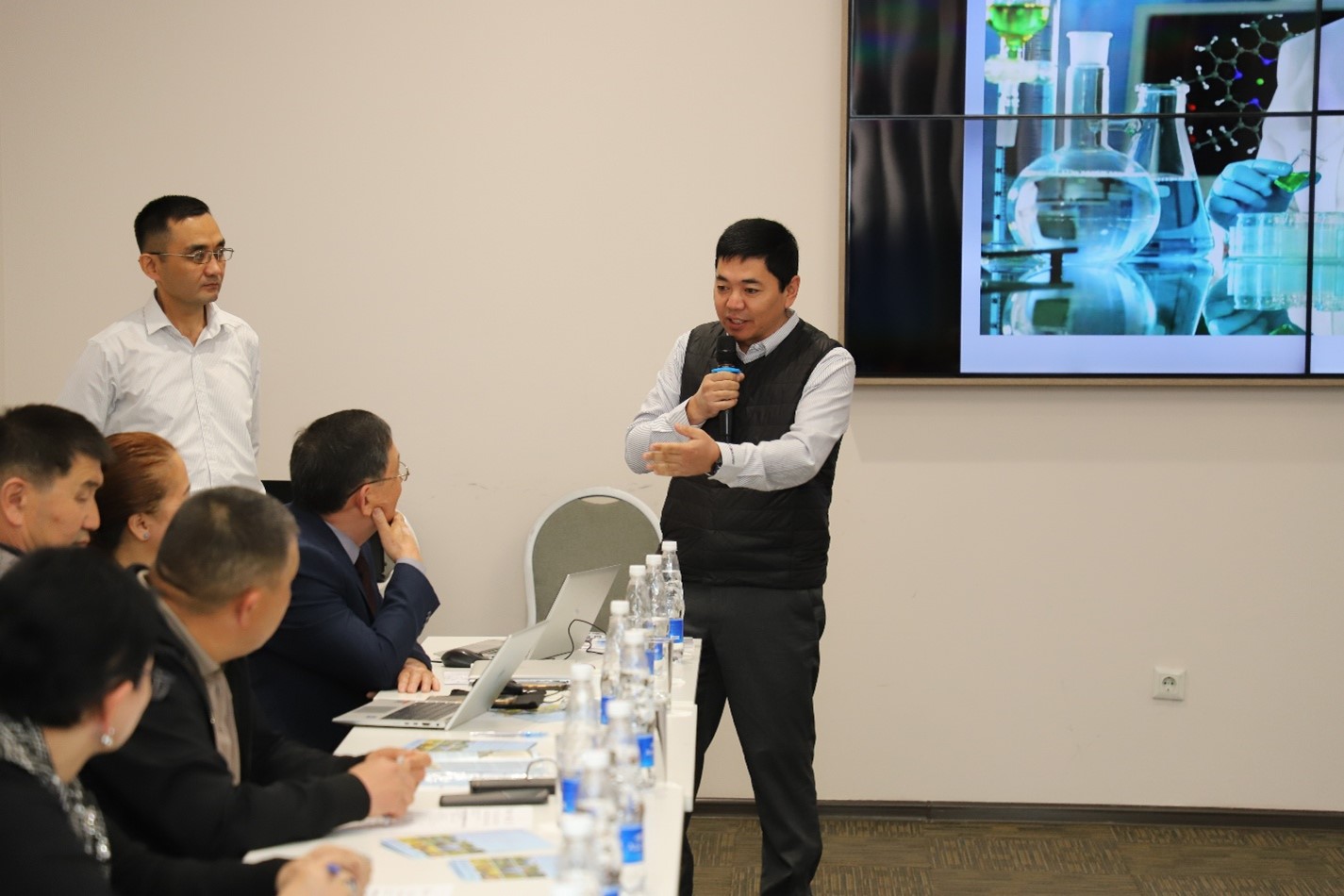
The practical portion of the workshop focused on issues related to the detection and identification, import, and transboundary movement of GMOs in Kyrgyzstan. Participants discussed real-world examples and received relevant answers from project experts.
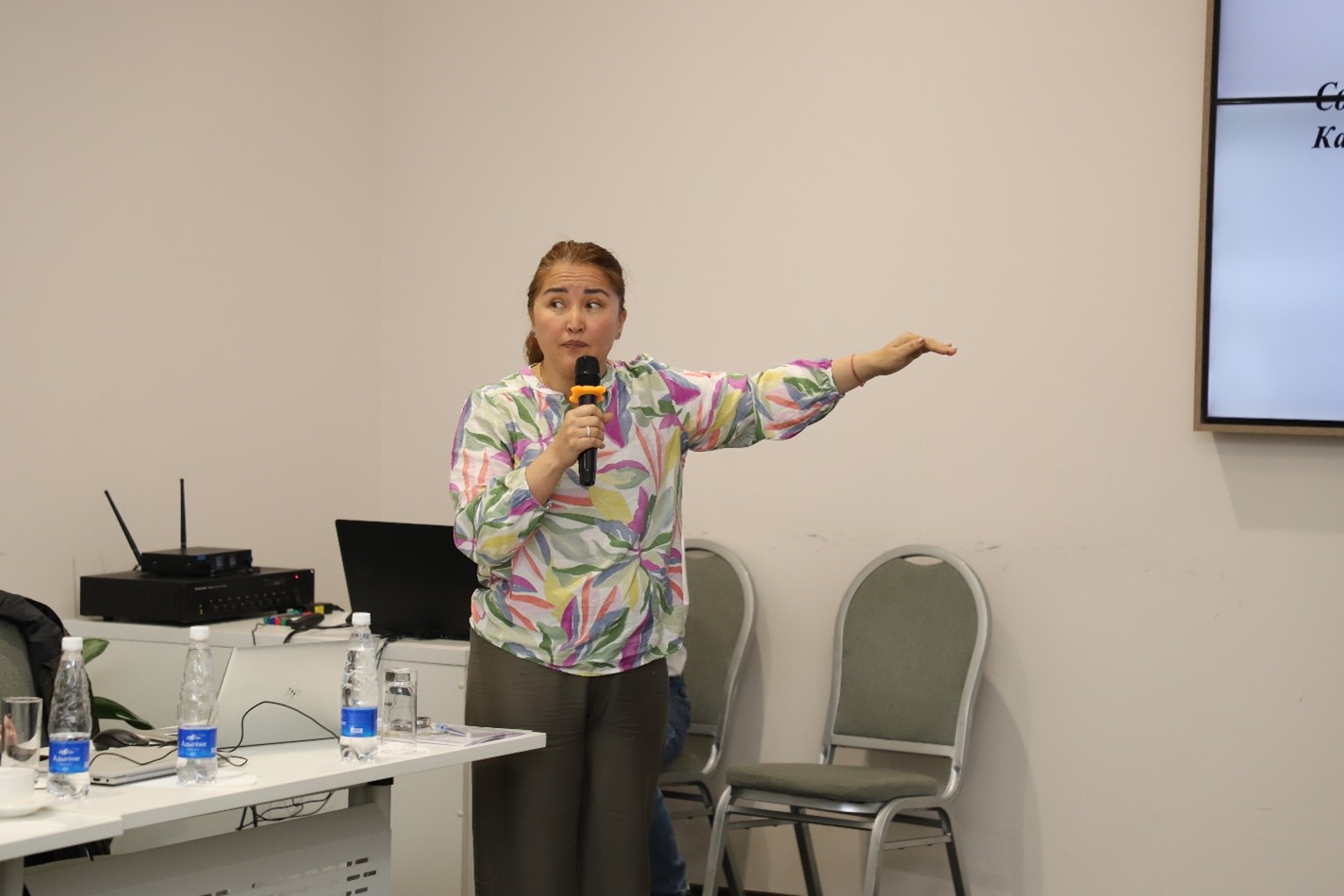
Advances in biotechnology open up new opportunities for agriculture and science, but at the same time underscore the need for an effective biosafety system. It helps strike a balance between innovation, environmental protection, and the conservation of biodiversity.