

Tashkent – Uzbekistan - 17 October 2025 - The Regional Environmental Centre for Central Asia (CAREC) held a hybrid inception workshop for the project Exploring Adaptive Resilience of Rural Communities in Central Asia (CARe).
The project is being implemented by the Leibniz Institute of Agricultural Development in Transition Economies (IAMO, Germany) in partnership with CAREC.
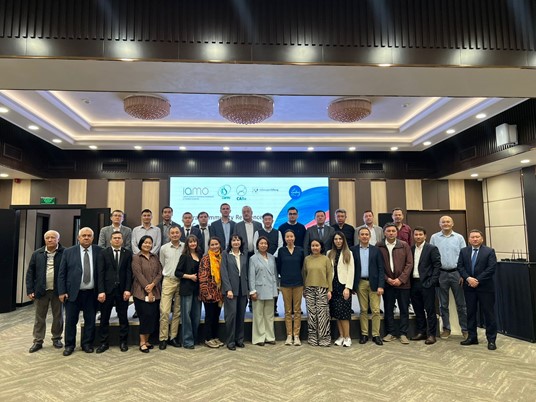
The event brought together around 40 representatives of research institutes, government agencies, and NGOs from Kyrgyzstan, Tajikistan, and Uzbekistan, as well as international development organizations, to discuss key challenges related to climate change, land degradation, and water scarcity in the region.
The workshop served as a platform to present the project’s objectives and approaches, as well as to exchange views on opportunities for stakeholder collaboration in promoting sustainable rural development in Central Asia.
Rural communities across the region are facing increasing challenges — from climate change and water scarcity to economic and demographic shifts. The CARe project aims to gain a deeper understanding of these processes and to identify the factors that enable households and local governance institutions to adapt to changing conditions.
The initiative foresees the development of a multidimensional resilience index combining quantitative data, field research findings, and community studies, along with the creation of an online atlas that will highlight key vulnerability zones and possible development scenarios.
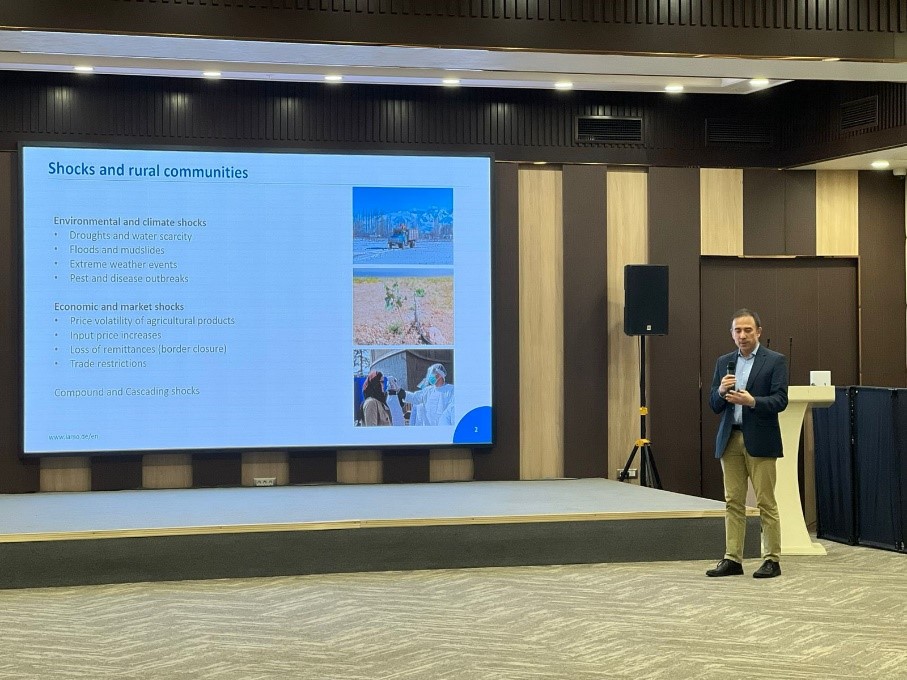
“Our goal is to go beyond individual indicators and view resilience as a dynamic, continuously evolving process. By combining empirical data with local knowledge, we aim to understand how rural communities across Central Asia cope with climatic and economic transformations,” noted Nodir Djanibekov, Researcher and Deputy Head of the Department of Agricultural Policy at IAMO.
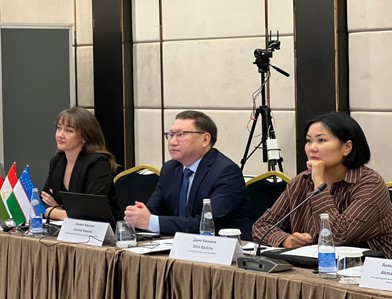
“The CARe project is not only about analyzing challenges but also about bringing together the knowledge of scientists, practitioners, and local communities to create practical adaptation tools. In Central Asia, where rural areas face droughts and economic shocks, such initiatives help strengthen community resilience and support the region’s sustainable development,” emphasized Azamat Kauazov, Manager of the Climate Change and Sustainable Energy Programme at CAREC, highlighting the importance of an interdisciplinary approach.
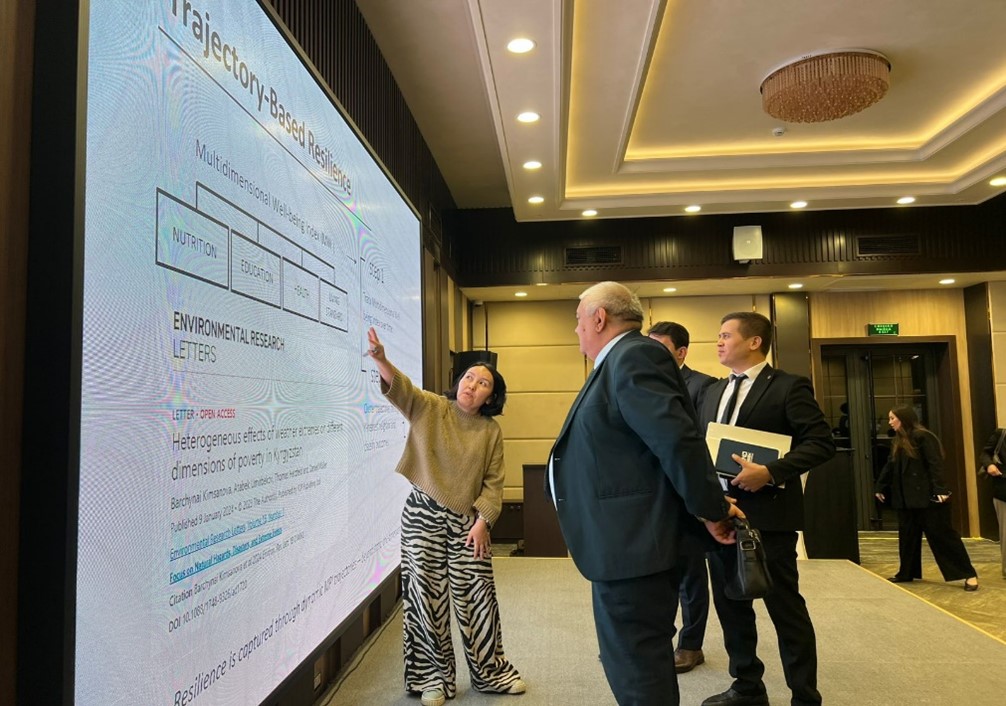
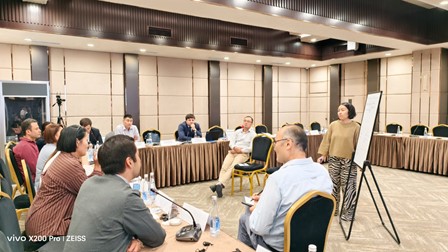
Through interactive group work and plenary discussions, participants identified key research questions, methods, and expected project outcomes, thereby laying the foundation for a joint approach to assessing adaptive resilience.
The group discussions focused on issues of collective adaptation and response of rural residents to shocks, as well as the analysis of factors determining the resilience and adaptive capacity of rural communities.
Aizhan Kosantaeva, CAREC Project Specialist, highlighted CAREC’s long-standing experience in engaging local partners and facilitating sustainable dialogue across the region. She emphasized that, thanks to CAREC’s institutional support, the research findings will reflect the real needs and perspectives of those directly affected by climate challenges and will be translated into practical actions through dialogue with decision-makers.
The seminar concluded with discussions on the next steps in project implementation and the planning of stakeholder meetings across the region.
Project Background
The CARe Project (2025–2030) is implemented by the Leibniz Institute of Agricultural Development in Transition Economies (IAMO, Germany) in partnership with the Regional Environmental Centre for Central Asia (CAREC), with support from the Change! Fellowships and Research Groups initiative of the VolkswagenStiftung.
The project explores the factors that determine the resilience of rural communities in the Fergana Valley, covering pilot villages in Kyrgyzstan, Tajikistan, and Uzbekistan. Its goal is to understand why some communities thrive while others become more vulnerable under conditions of climate impacts, land degradation, water scarcity and economic transformations.
The project emphasizes transdisciplinary collaboration to develop sustainable adaptation strategies. It fosters dialogue between scientists, communities, and policymakers to support the long-term development of the region in the face of global challenges.
Additional Information:
Dr. Nodir Djanibekov, Researcher and Deputy Head of Department Agricultural Policy, IAMO, djanibekov@iamo.de
Irina Yugay - Acting Manager, “Water Initiatives Support” Program, CAREC wisspecialist@carececo.org