

The Regional Environmental Centre for Central Asia (CAREC), in collaboration with the Leibniz Institute of Agricultural Development in Transition Economies (IAMO, Germany), conducted a series of field visits and group discussions with local residents in the Fergana Valley as part of the project “Exploring Adaptive Resilience of Rural Communities in Central Asia (CARe)” from 18 to 20 October 2025.
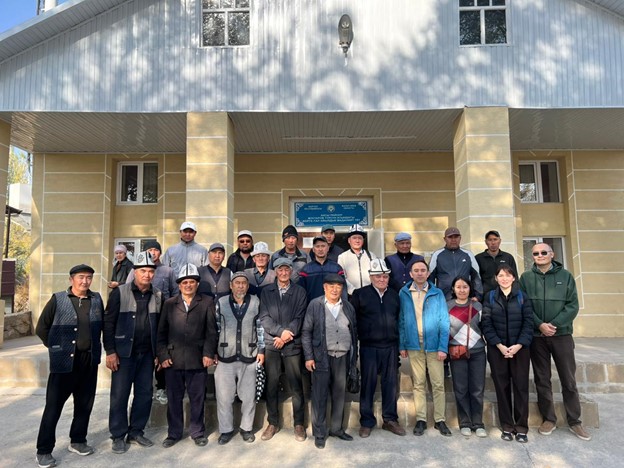
The mission aimed to hold preliminary consultations and select pilot villages that will be studied over the next five years.
The project seeks to understand why rural communities with similar conditions follow different development trajectories — why some lose their potential while others maintain resilience and successfully adapt to external challenges. The research integrates social, economic, environmental, and institutional dimensions of resilience and is based on active engagement with local residents and experts.
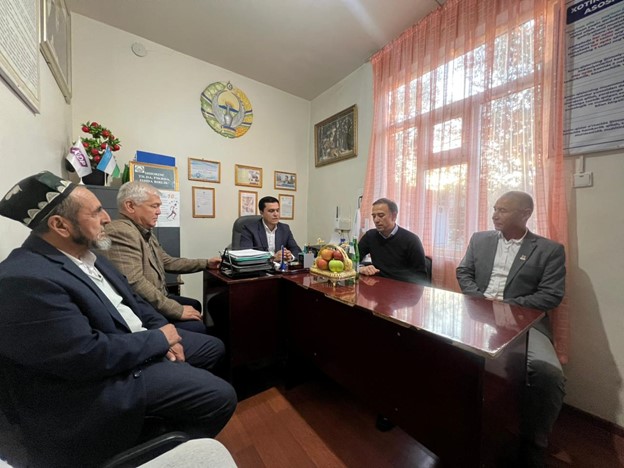
The first stage of the field visit series began in Tajikistan, where the project team carried out fieldwork in two villages in the Asht District of Sughd Region — Mekhrobod and Bahmal.
In Uzbekistan, the visits took place in the mahallas of Qyzyl yozi and Tillatepa, located in the Yangikurgan District of Namangan Region.
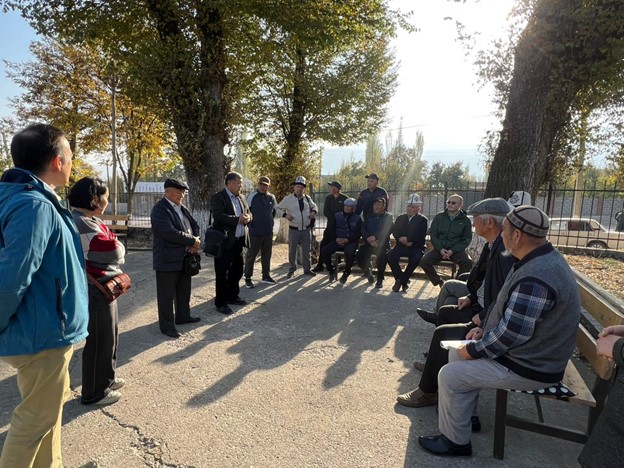
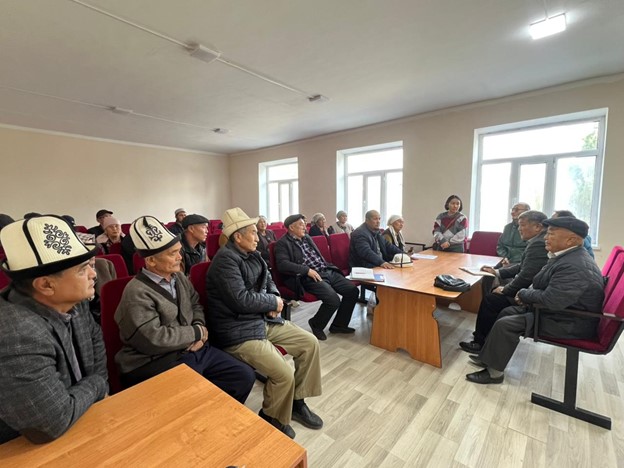
In Kyrgyzstan, the project was launched in the Aksy District of Jalal-Abad Region, where meetings were held with representatives of local authorities and rural communities. The project team, led by Dr. Nodir Djanibekov, Dr. Barchynai Kimsanova, and Dr. Atabek Umirbekov (IAMO), together with CAREC staff, met with the Akim of Aksy District, Maksatbek Sargazakov, the Head of the District Administration Office, and the heads of the Kosh-Dobo and Zherge-Tal ayyl aimaks.
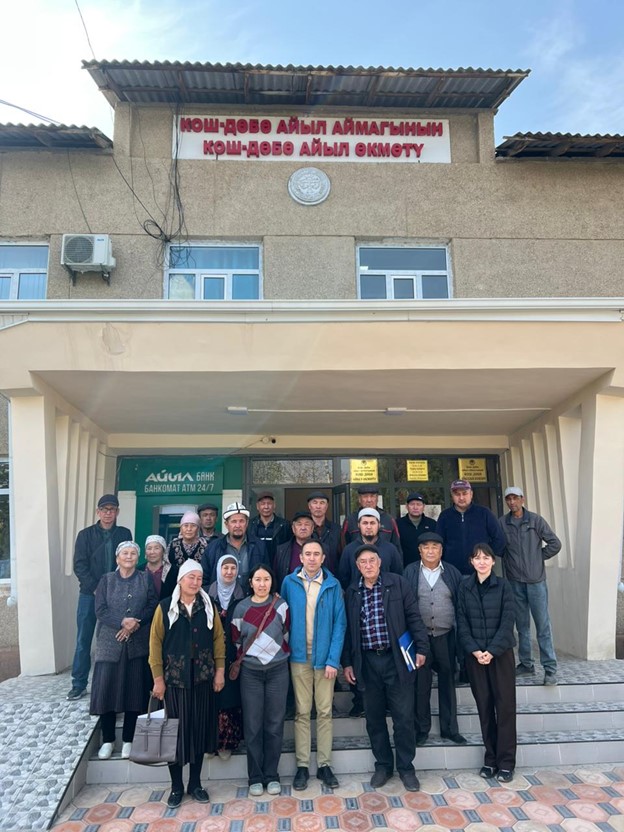
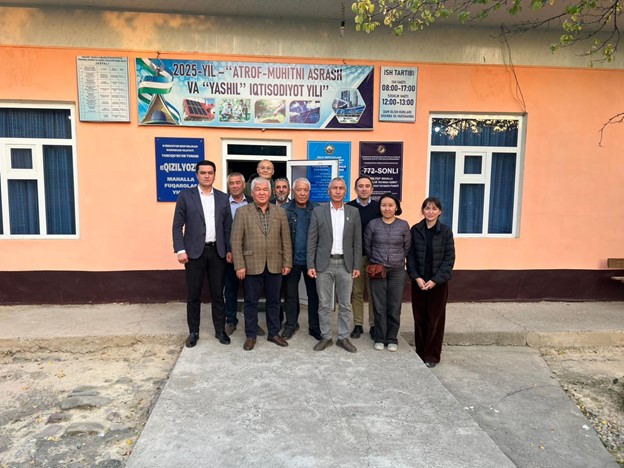
Meetings were also held with farmers in the villages to discuss the main challenges of rural life. Local population highlighted climate aridity, water scarcity, limited access to credit, difficulties in marketing agricultural products, and social challenges such as youth migration in search of employment. Farmers shared their ideas for adaptation, including the renovation of irrigation systems, introduction of water-saving technologies, and the development of community-level cooperatives.
The CARe project aims to develop scientifically grounded and practical solutions to strengthen the resilience of rural communities in Central Asia in the face of climate change, land degradation, and water scarcity. CAREC provides institutional support across participating countries, facilitates the active engagement of local populations, and promotes the exchange of best practices and knowledge among countries of the region.
Project Background
The CARe Project (2025–2030) is implemented by the Leibniz Institute of Agricultural Development in Transition Economies (IAMO, Germany) in partnership with the Regional Environmental Centre for Central Asia (CAREC), with support from the Change! Fellowships and Research Groups initiative of the VolkswagenStiftung.
The project explores the factors that determine the resilience of rural communities in the Fergana Valley, covering pilot villages in Kyrgyzstan, Tajikistan, and Uzbekistan. Its goal is to understand why some communities thrive while others become more vulnerable under conditions of climate impacts, land degradation, water scarcity and economic transformations.
The project emphasizes transdisciplinary collaboration to develop sustainable adaptation strategies. It fosters dialogue between scientists, communities, and policymakers to support the long-term development of the region in the face of global challenges.
Additional Information:
Dr. Nodir Djanibekov - Researcher and Deputy Head of Department Agricultural Policy, IAMO, djanibekov@iamo.de
Irina Yugay - Acting Manager, “Water Initiatives Support” Program, CAREC wisspecialist@carececo.org