
On August 17–18, 2026, a regional workshop on sanitation, wastewater reuse, and sludge management in Central Asian countries was held in Chok-Tal, Kyrgyz Republic.
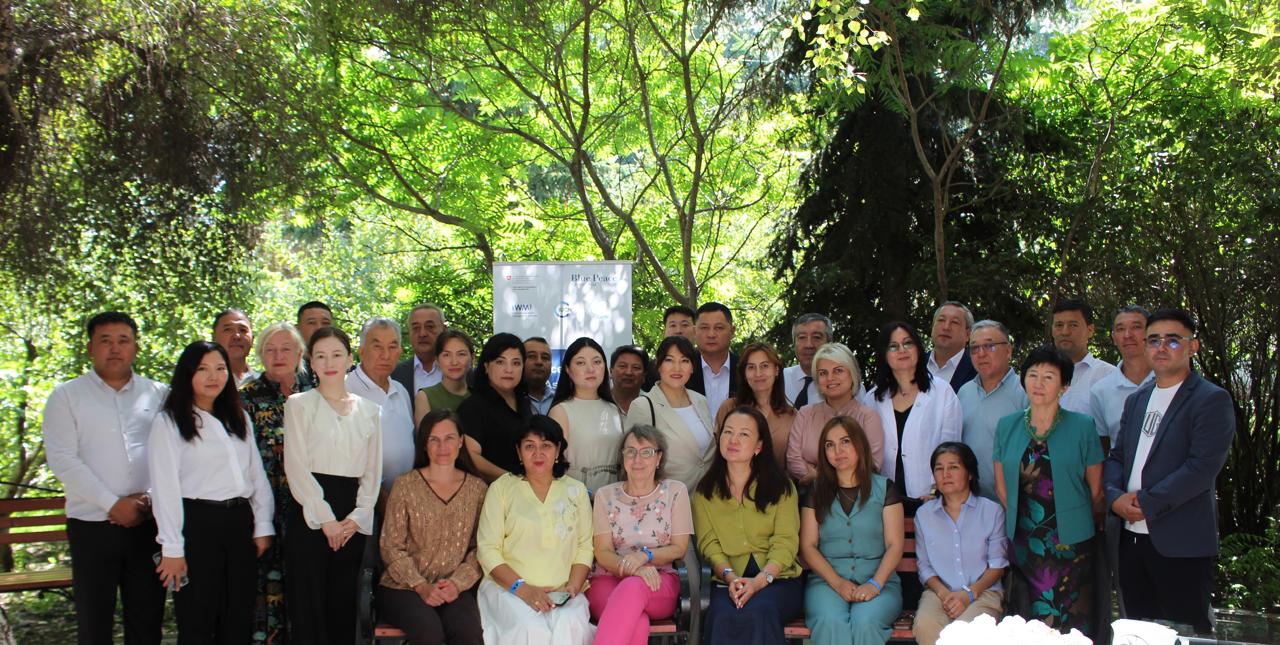
The event was organized by the Regional Environmental Centre for Central Asia (CAREC) and the International Water Management Institute (IWMI) as part of the “Blue Peace Central Asia” (BPCA) project, with support from the Swiss Agency for Development and Cooperation (SDC). The Balykchyn Municipal Enterprise “Vodokanal” served as a co-organizer.
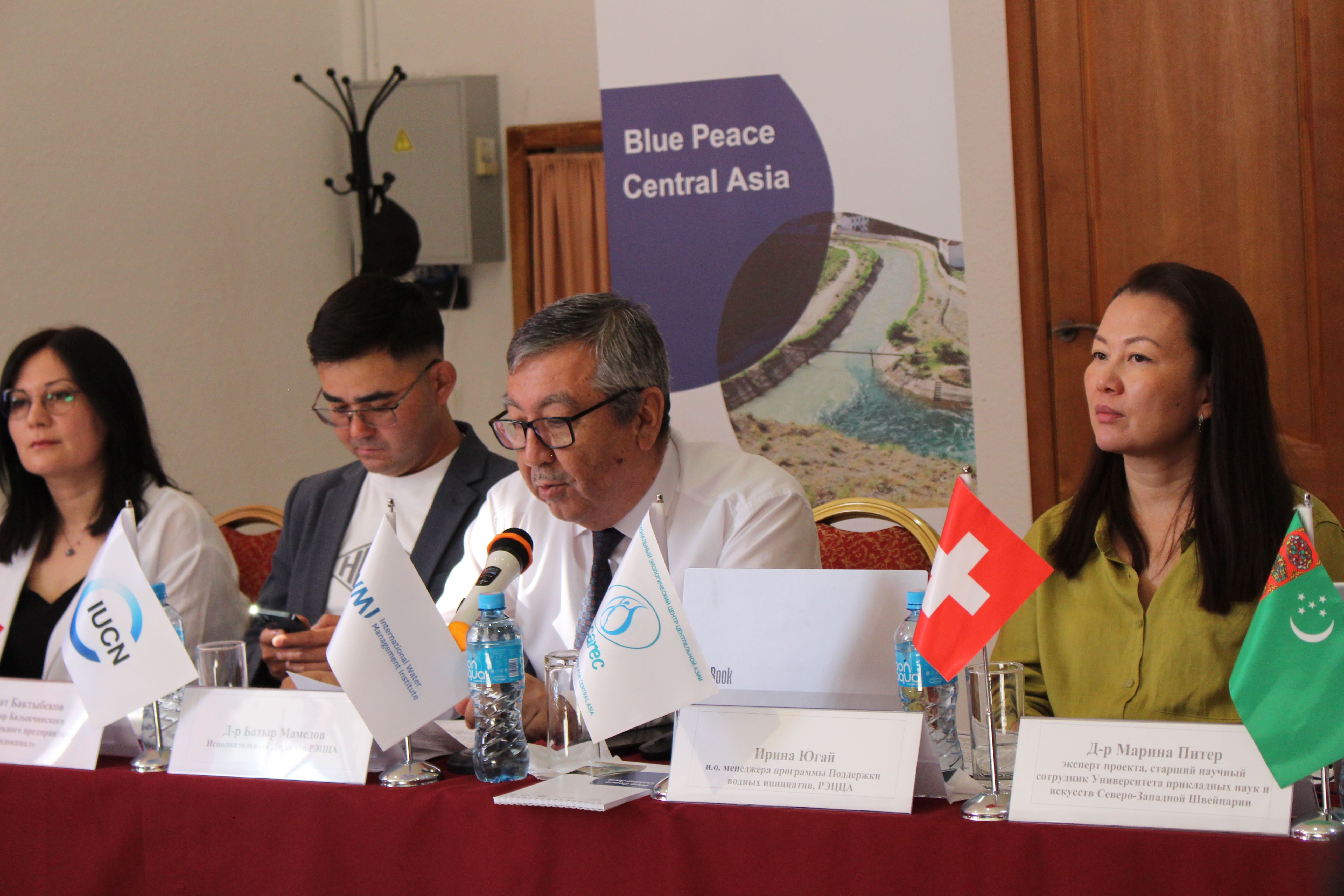
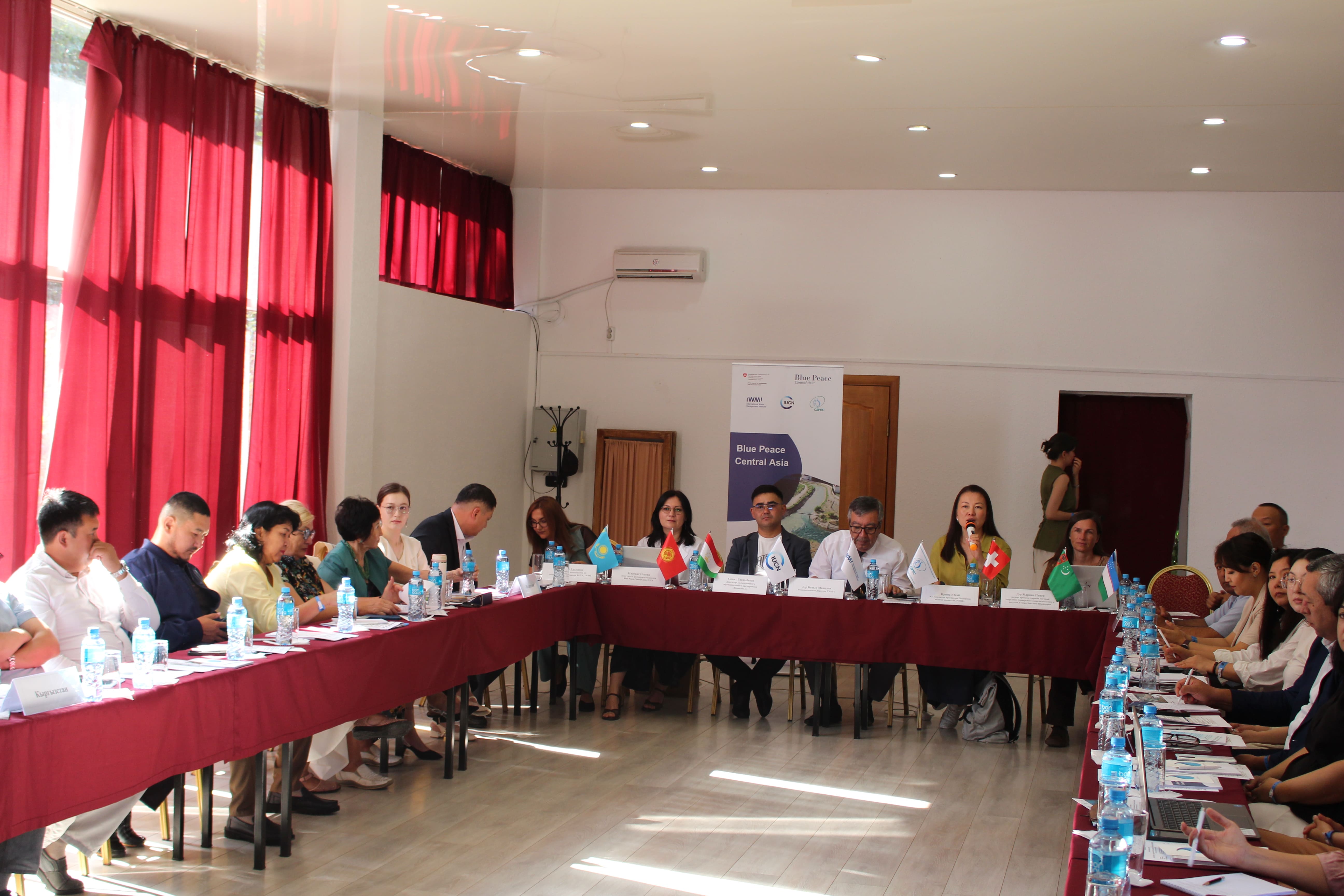
The workshop brought together experts from Central Asian countries representing relevant ministries, strategic and research institutes, the academic community, environmental regulatory and monitoring agencies, public health and epidemiological surveillance bodies, as well as organizations in the water supply and wastewater management sectors.
Among the participants were members of the Regional Working Group on Water Quality (RWG-WQ) and the Community of Practice on Water, Sanitation, and Hygiene (CoP4WASH)—expert platforms supported by the BPCA project.
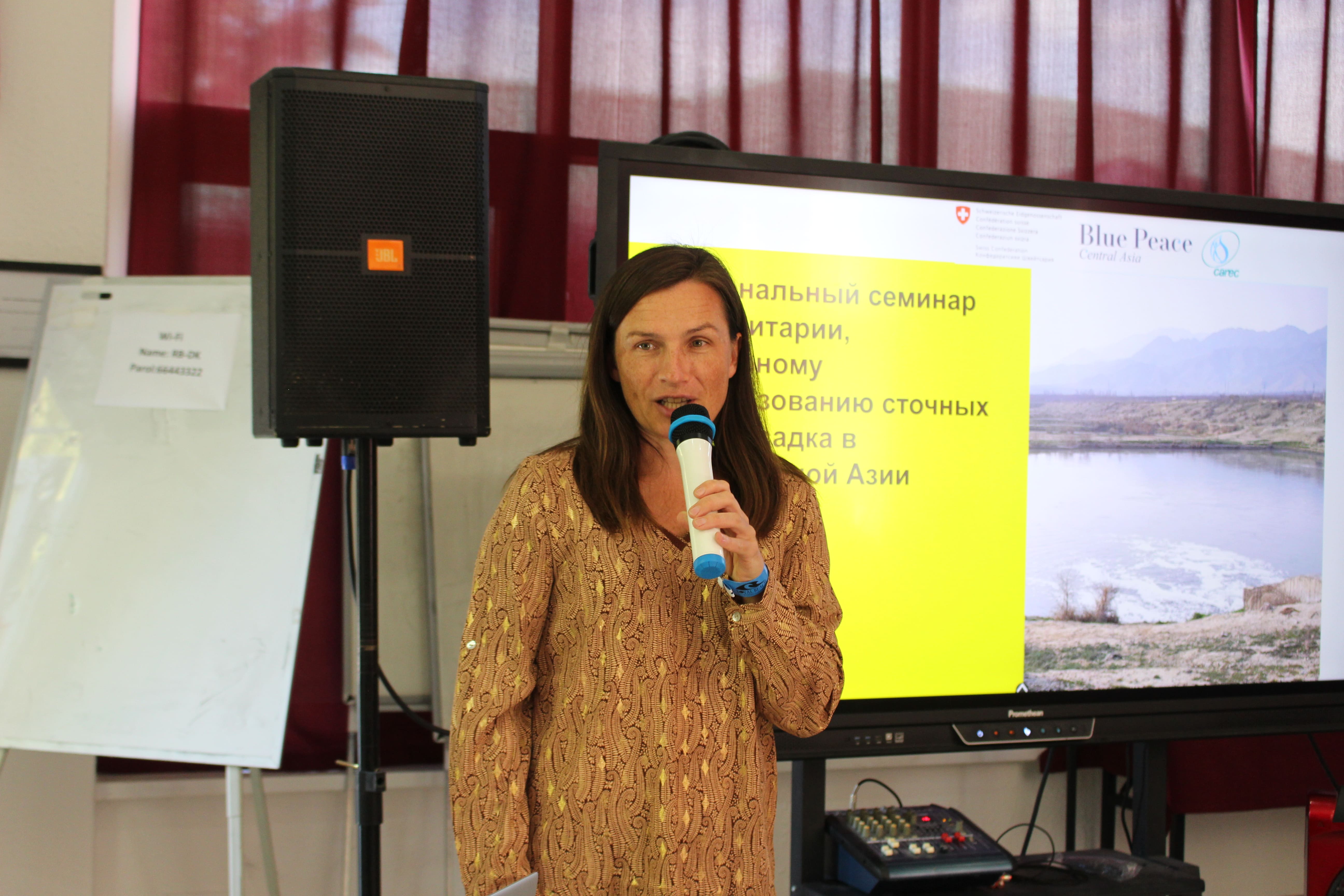
The key objective of the workshop was to discuss a draft analytical paper prepared by the universities in collaboration with CAREC under the guidance of Swiss international expert Dr. Maryna Peter. The document provides an overview of the current situation regarding sanitation, wastewater reuse, and sludge management in Central Asian countries, as well as an analysis of the existing legislative and regulatory framework. Particular attention was paid to identifying gaps and opportunities for improving the regulatory documents and guidelines necessary for a gradual transition to systems that simultaneously ensure the safe reuse of wastewater and allow treated effluent and its byproducts to be considered as potential resources.
It was noted that the condition of water supply and wastewater infrastructure, particularly in rural areas, remains a serious challenge for countries in the region. Many public infrastructure facilities are significantly deteriorated and operate inefficiently, while some settlements still lack local wastewater treatment facilities. The lack of wastewater treatment capacity increases the risks of pollution and eutrophication of water bodies, as well as potential impacts on public health.
“The wastewater problem is not confined by administrative borders. In Central Asia, our water resources are closely interconnected; therefore, the condition of surface and groundwater, the efficiency of treatment systems, and approaches to water reuse are of not only national but also transnational significance,” said Dr. Batyr Mammedov, Executive Director of CAREC.
At the same time, the construction and operation of centralized sewerage and wastewater treatment systems require significant financial resources and are not always the most appropriate solution for small and remote settlements. For Central Asian countries, the search for simple, economically viable, and locally applicable technical solutions is particularly relevant. Such solutions must ensure the safe management of wastewater and create opportunities for the recovery and reuse of nutrients from sewage sludge.
At the same time, many local and nature-based sanitation solutions are not yet sufficiently reflected in current building codes and standards, which limits their widespread adoption and scalability. In this regard, further research is needed on the operation of decentralized wastewater treatment facilities, including an assessment of their technical effectiveness, operational requirements, and the applicability of various technological solutions in rural and small communities in Central Asia.
Participants paid particular attention to the existing practice of the informal use of wastewater for irrigation and of sewage sludge as fertilizer. During the discussion, the need to adopt a risk-based approach and to follow the World Health Organization’s guidelines on the safe use of wastewater and sanitation products was emphasized. In particular, the discussion covered permissible uses for reusing treated water and the necessary safety safeguards—ranging from required treatment levels to the selection of crops and irrigation methods.
An important part of the program was the exchange of experiences among Central Asian countries regarding existing wastewater quality regulations and standards, as well as the political and institutional conditions for their further revision. During group work, participants analyzed gaps and potential conflicts between environmental, sanitary, construction, and agricultural requirements. Based on the discussions, the limitations of current regulations and opportunities for their further improvement were identified.
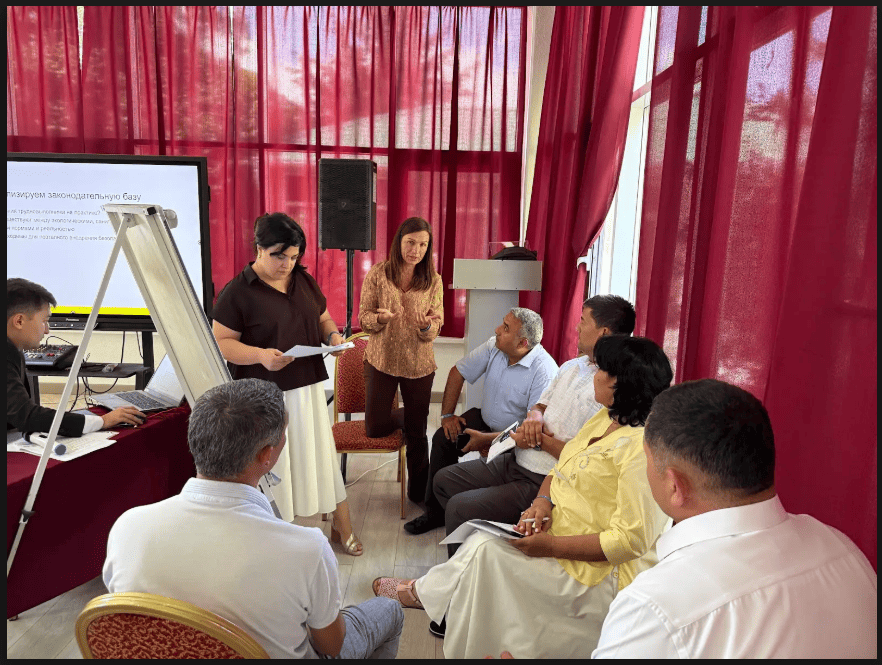
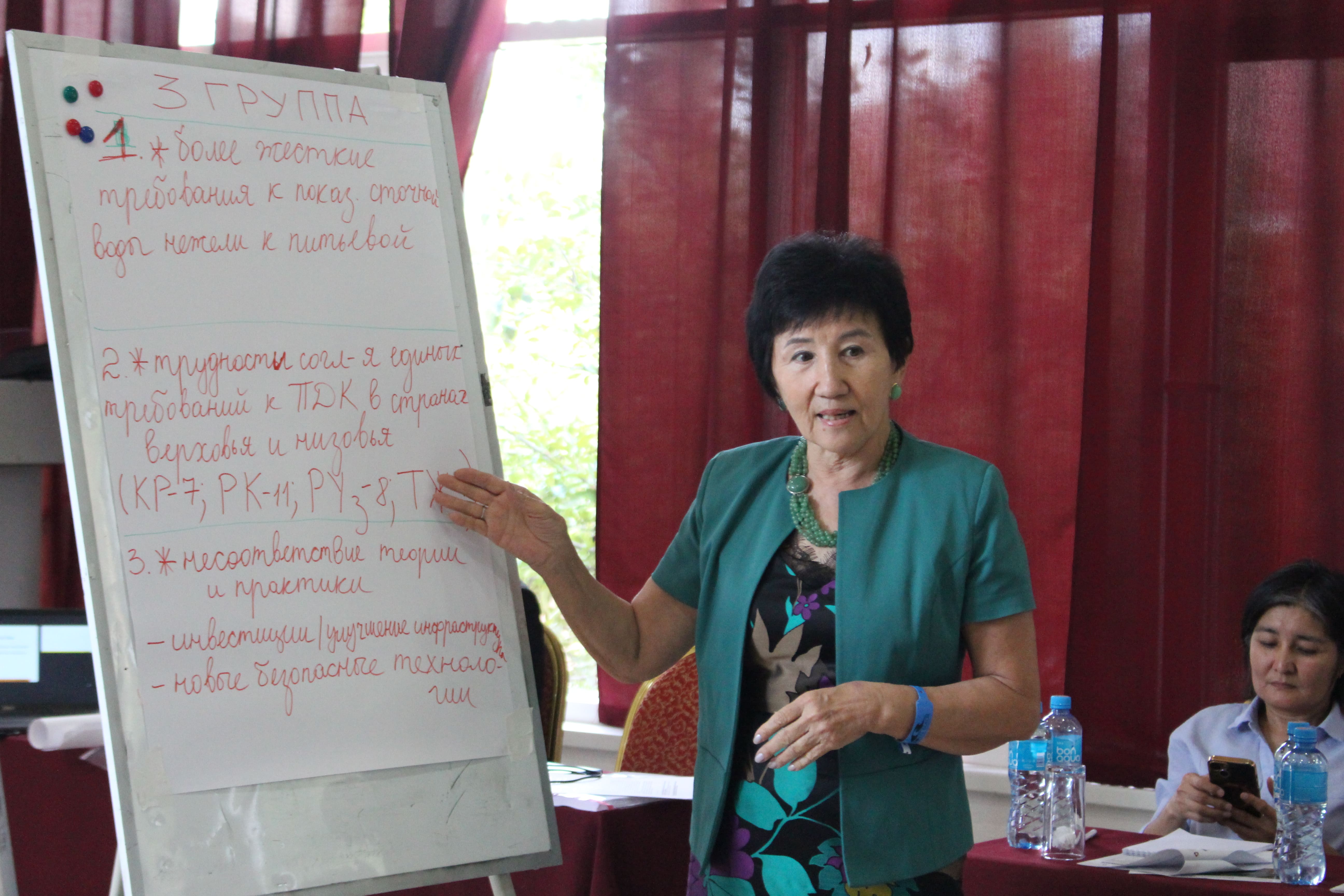
The comments and recommendations received during the workshop will be taken into account in the further refinement of the analytical document. The results of the universities’ collaborative work will form the basis for recommendations on improving regulatory documents and guidelines aimed at developing the safe and controlled reuse of wastewater and the sustainable management of sewage sludge in each of the countries.
The seminar also contributed to the implementation of one of the strategic priorities of the Regional Working Group on Water Quality—promoting approaches and technologies that help reduce the pressure on water resources and enable more sustainable water use in the countries of Central Asia.
Practical Session: Visit to the Issyk-Kul Wastewater Treatment Plant
The practical component of the seminar allowed participants to gain firsthand experience with various wastewater treatment technologies used in Kyrgyzstan.
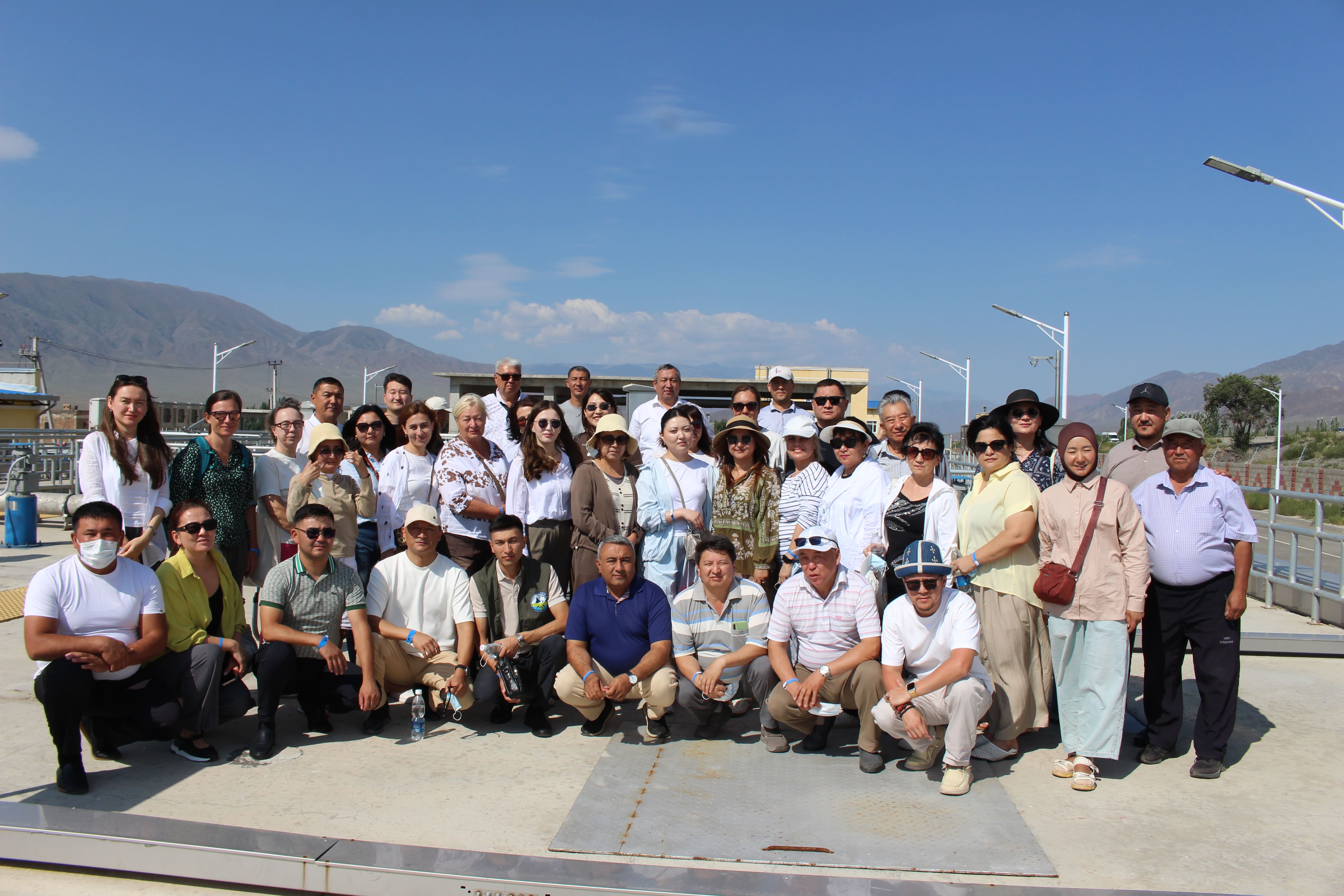
During the field trip, participants visited the municipal wastewater treatment plant operated by the Balykchy municipal enterprise “Vodokanal,” which underwent comprehensive modernization as part of the Asian Development Bank’s “Issyk-Kul Wastewater Management” project. The new wastewater treatment plant in Balykchy has a capacity of 4,200 m³ per day.
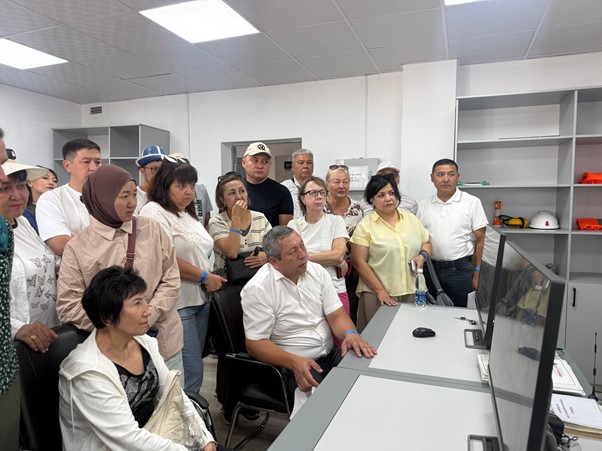
The plant is equipped with a wastewater quality laboratory and a SCADA operational control system that monitors every stage of wastewater treatment and sludge processing. The treated effluent is used to irrigate fruit trees.
The experience of the Balykchy Water Utility sparked particular interest among participants as a practical example of improving wastewater collection and treatment systems in the region.
In addition, using the “Columbus” and “Carven 4 Seasons” resorts as examples, participants familiarized themselves with the operation of local treatment facilities of varying capacities that are already in use in the Issyk-Kul region.
The field-based format allowed experts to compare the approaches discussed at the seminar with real-world operating conditions, assess their effectiveness, and discuss the potential for applying similar solutions in other Central Asian countries.
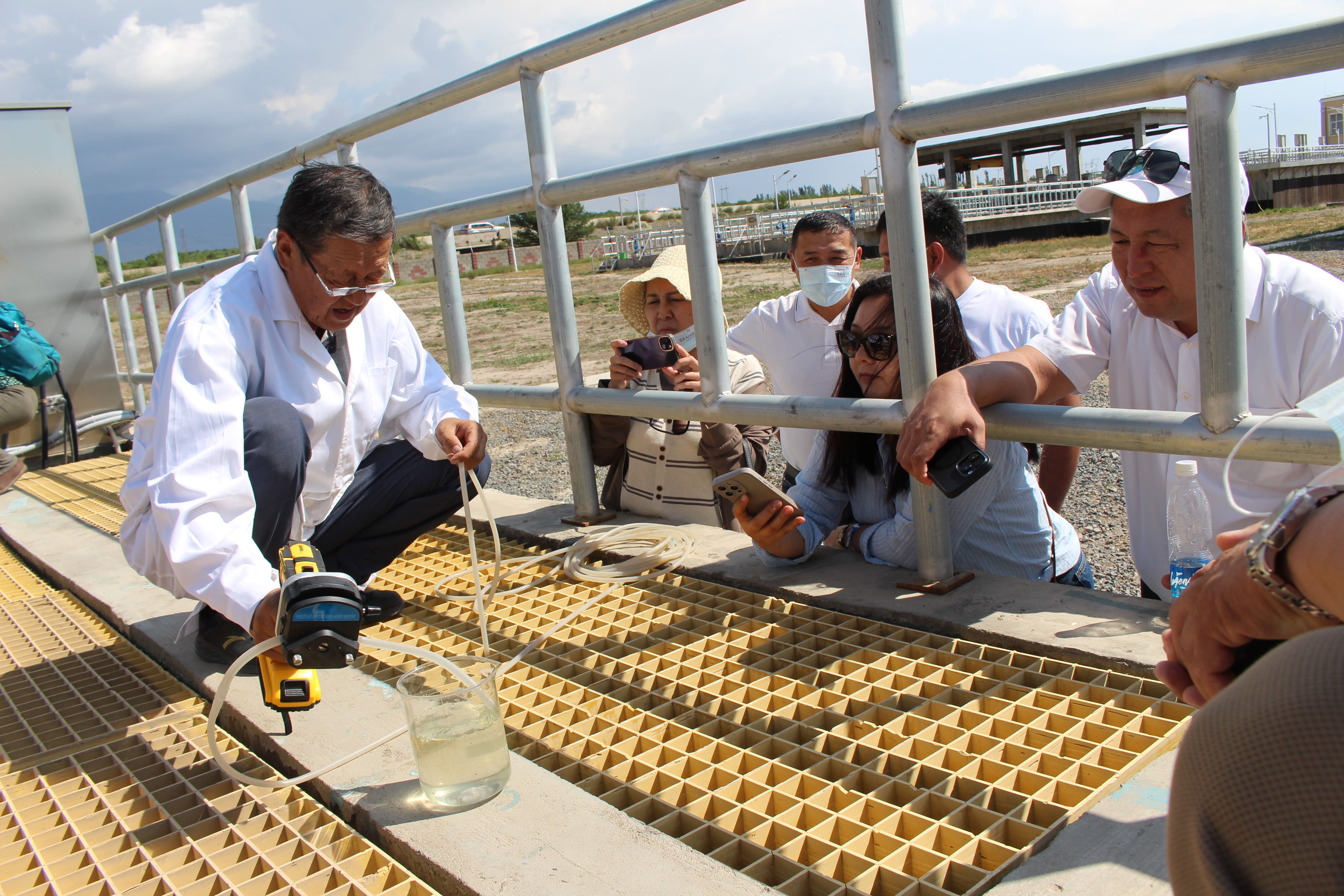
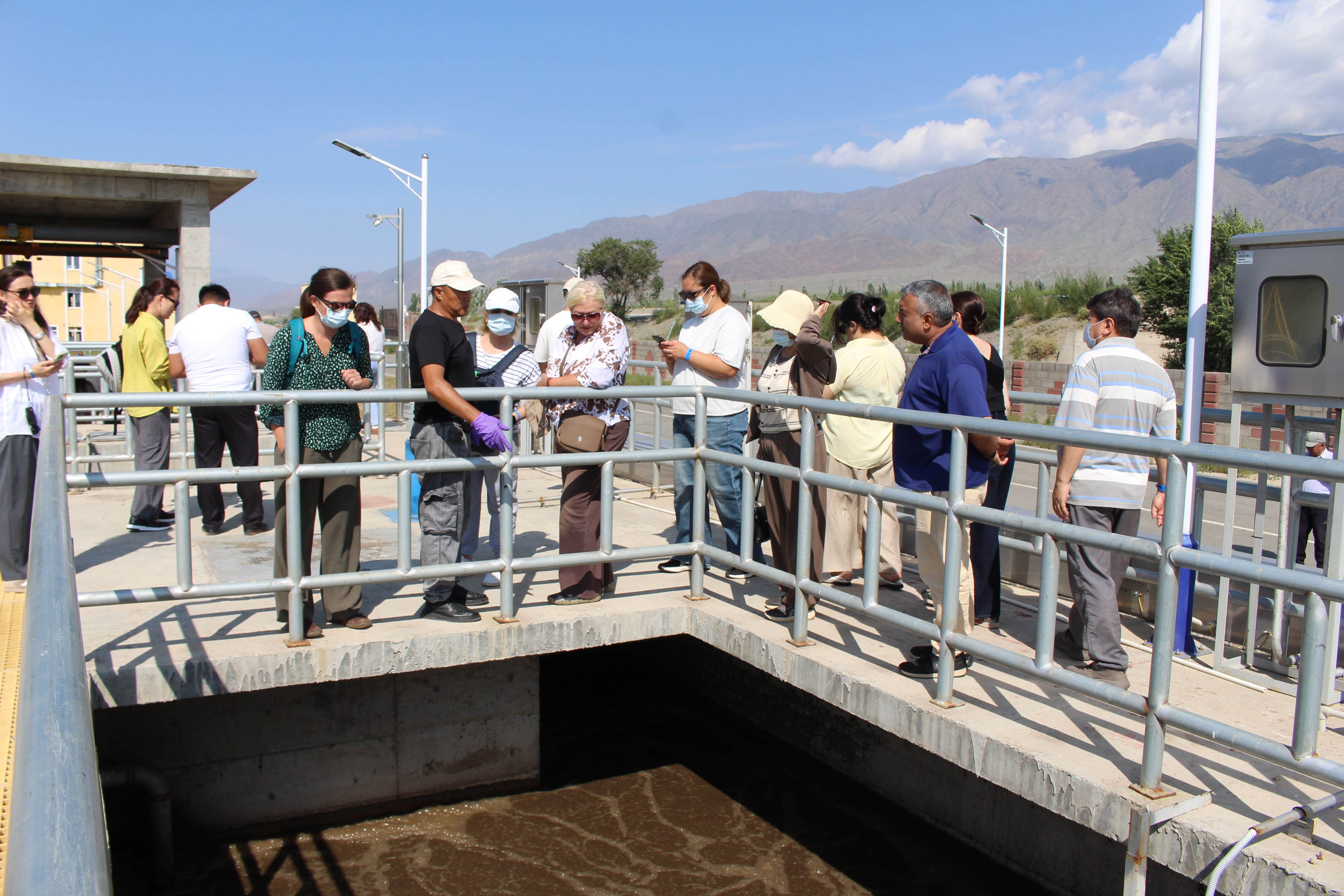
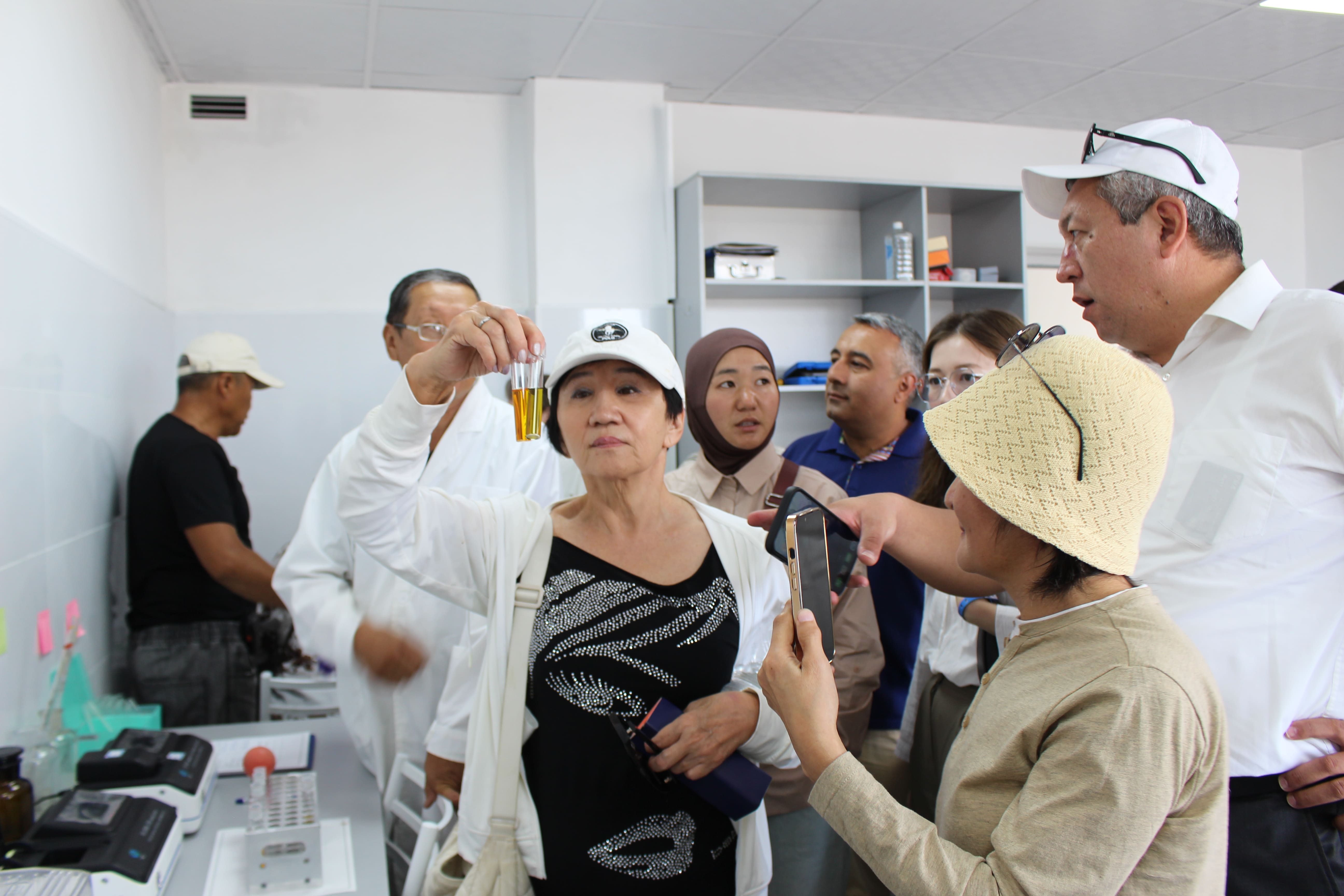
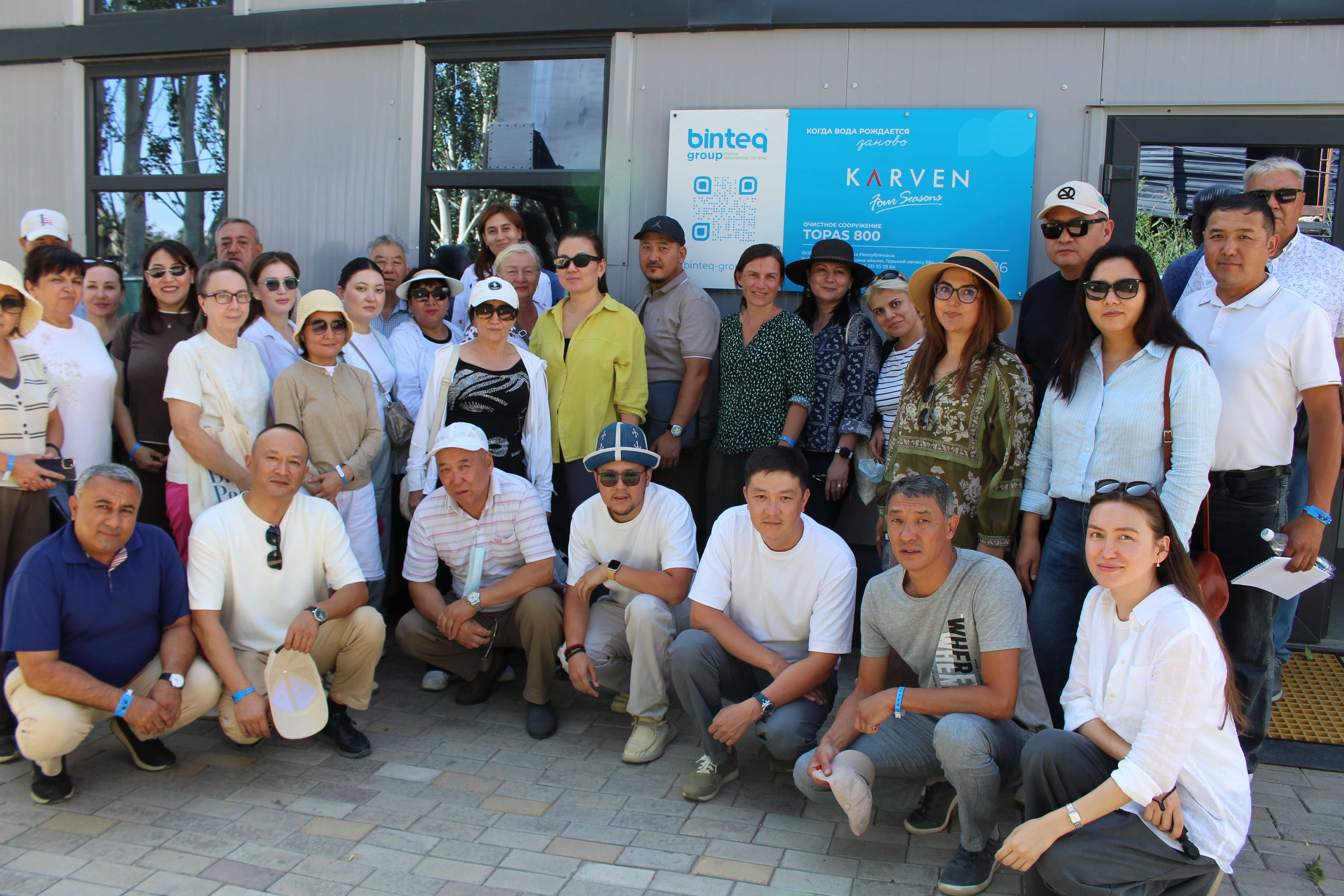
Фото: IWMI
Background
The Blue Peace Central Asia initiative (2025–2029) aims to support sustainable water resources management and promote water diplomacy in the region’s transboundary basins.
The project includes three main areas: hydro-diplomacy, implementation of projects for basin and investment planning on small transboundary rivers, and capacity building for young professionals and women.
Blue Peace promotes a multi-level and multi-stakeholder approach to water governance in Central Asia. Special attention is given to equitable distribution and efficient management of water resources in close connection with the region’s socio-economic development and stability.
The project is implemented by a consortium of International Water Management Institute and International Union for Conservation of Nature in partnership with Regional Environmental Centre for Central Asia.
Additional Information:
Irina Yugay — Acting Program Manager, CAREC Water Initiatives Support Program, i.yugay@carececo.org