
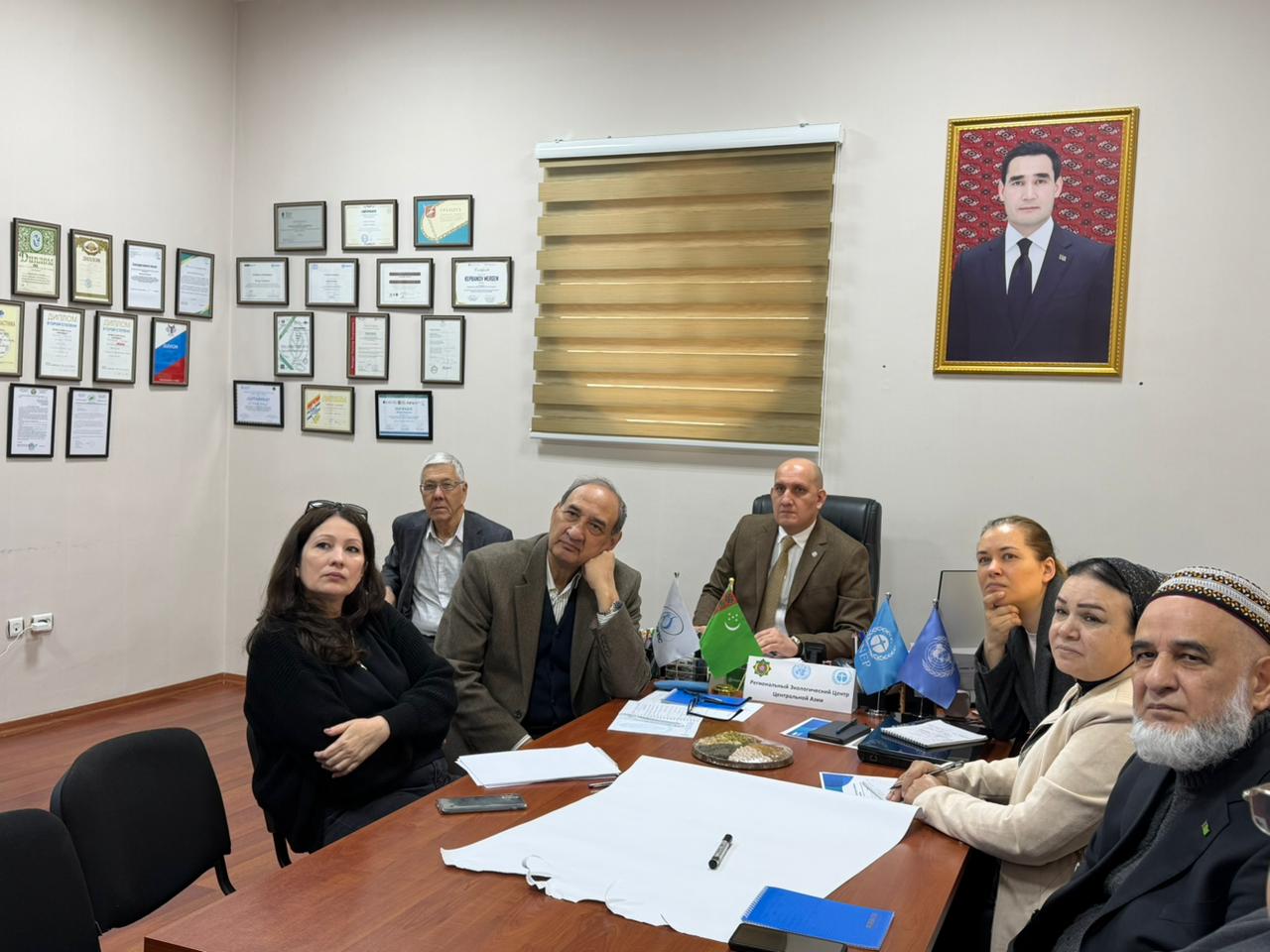
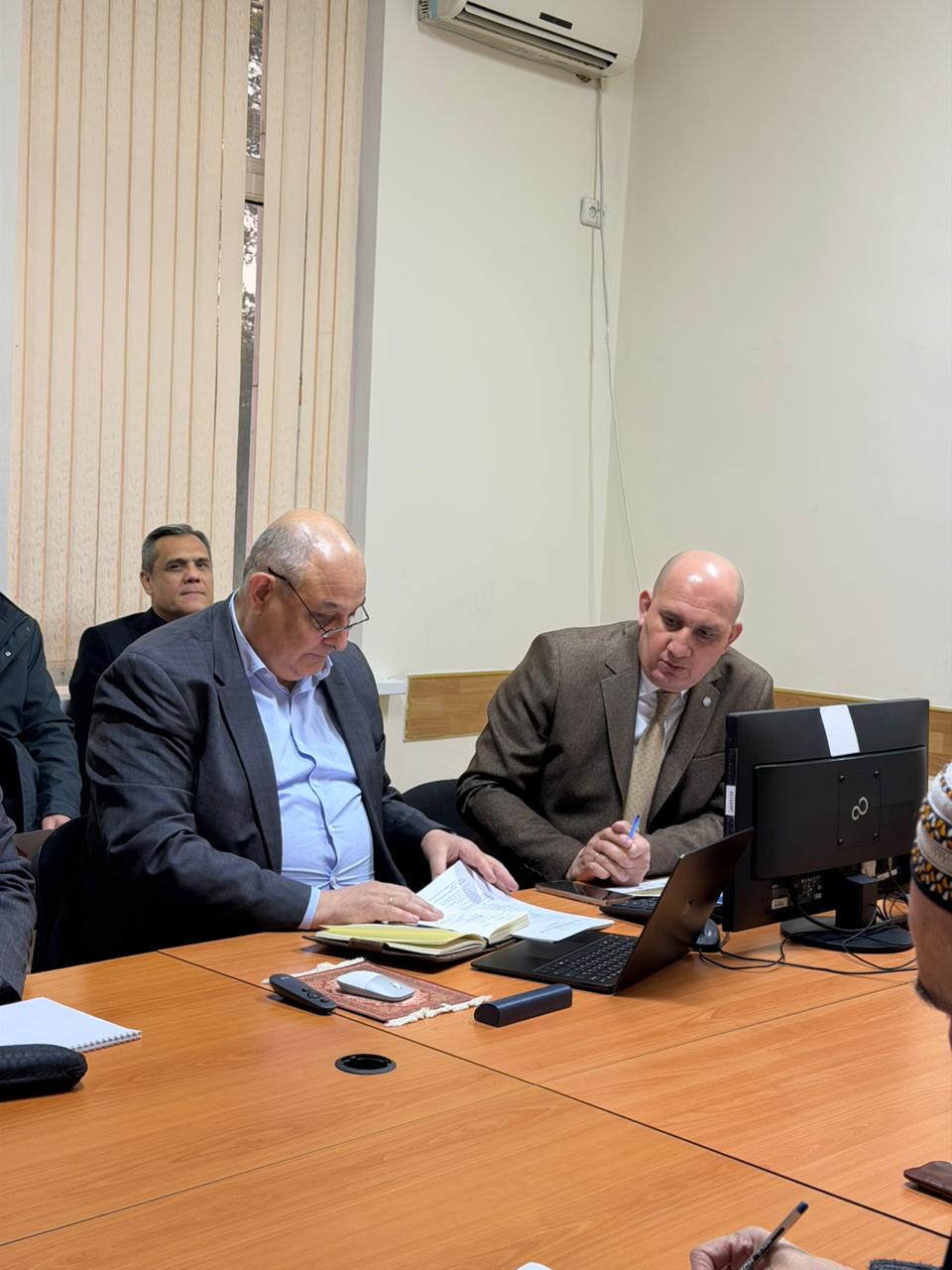
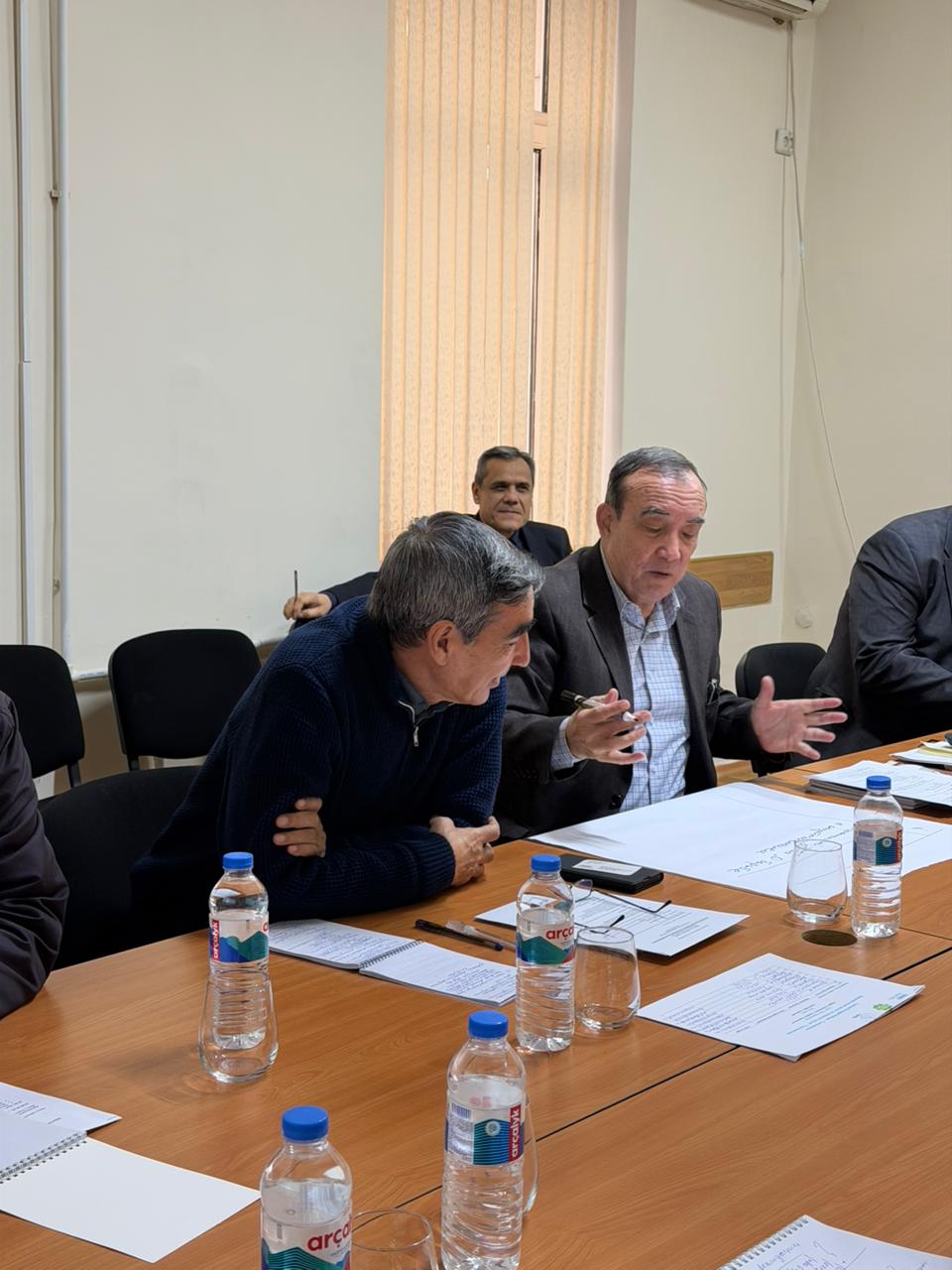
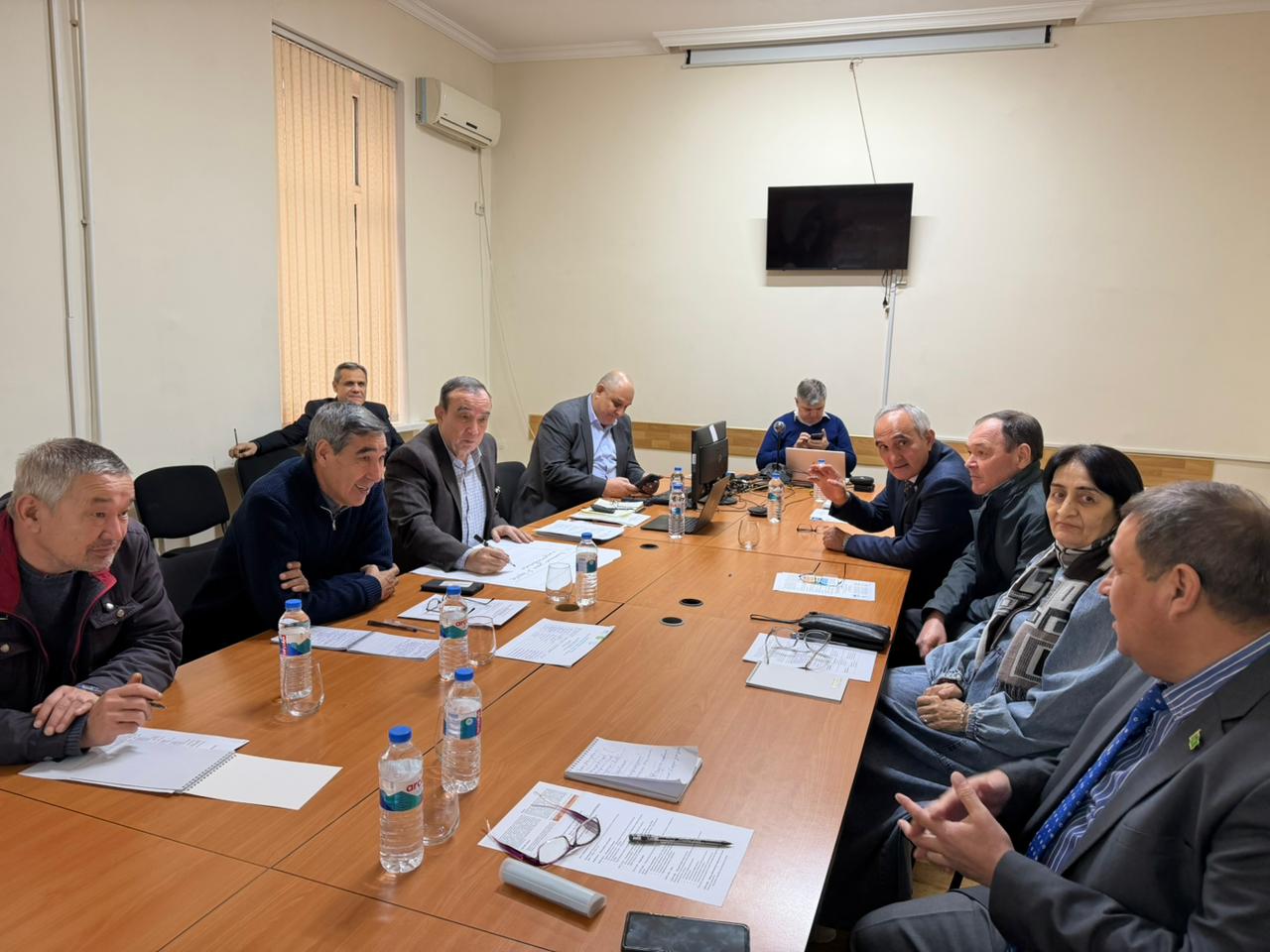
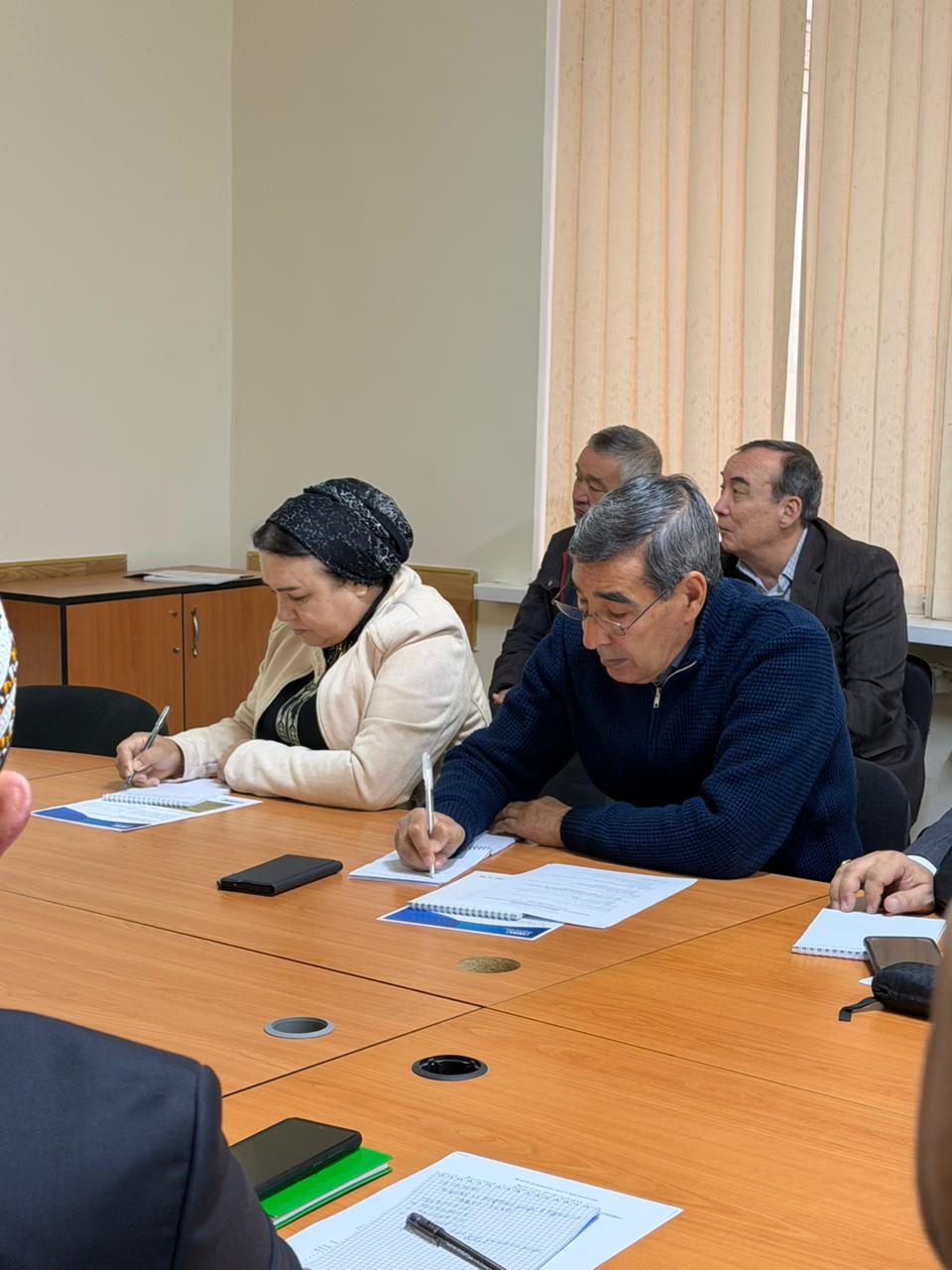
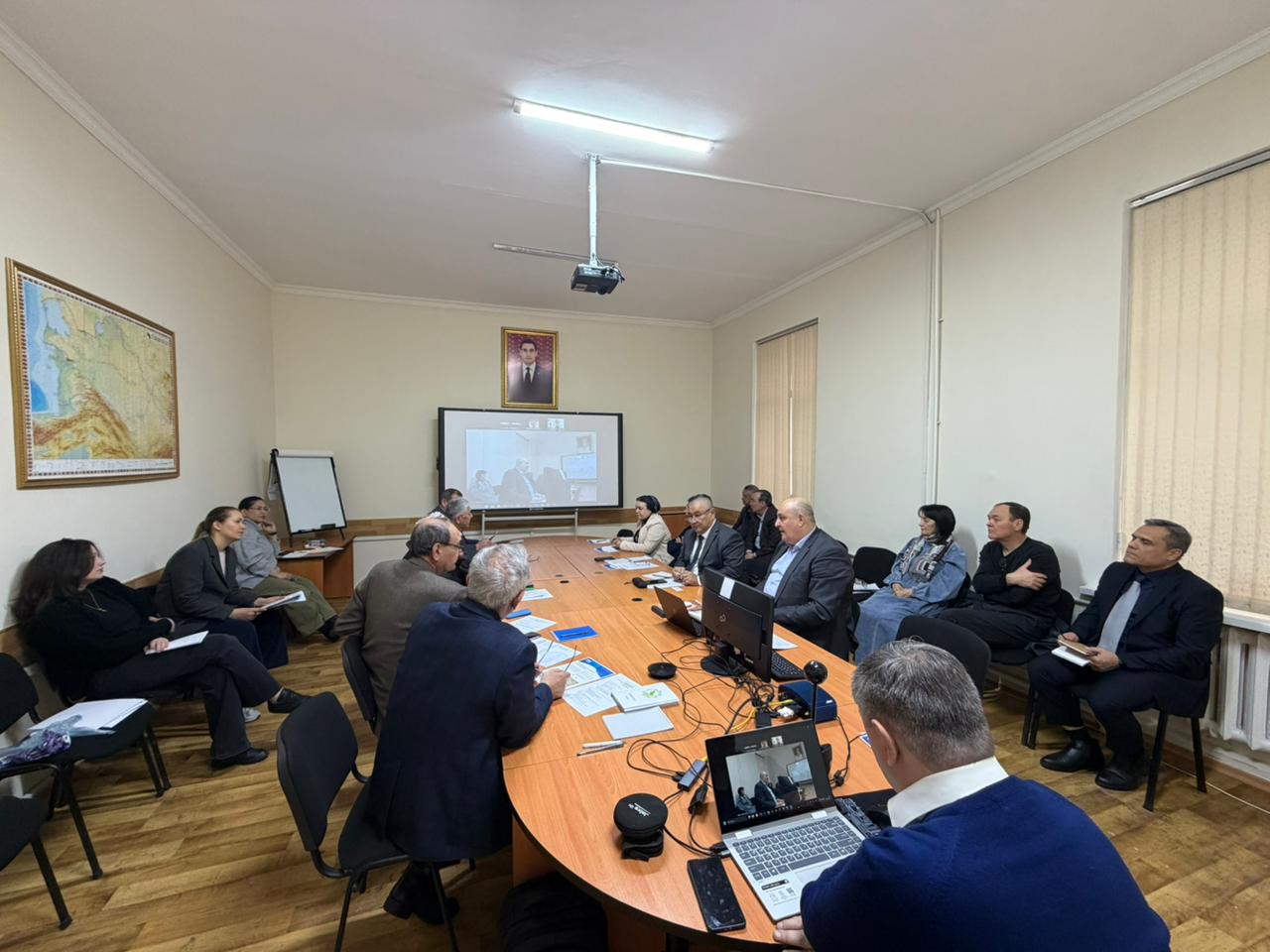
On March 2, 2026, Ashgabat hosted an event combining a working meeting and a national dialogue on drought risk management. The venue was the National Institute of Deserts, Flora, and Fauna of Turkmenistan, with the participation of the International Water Management Institute (IWMI) and the Regional Environmental Centre for Central Asia (CAREC).
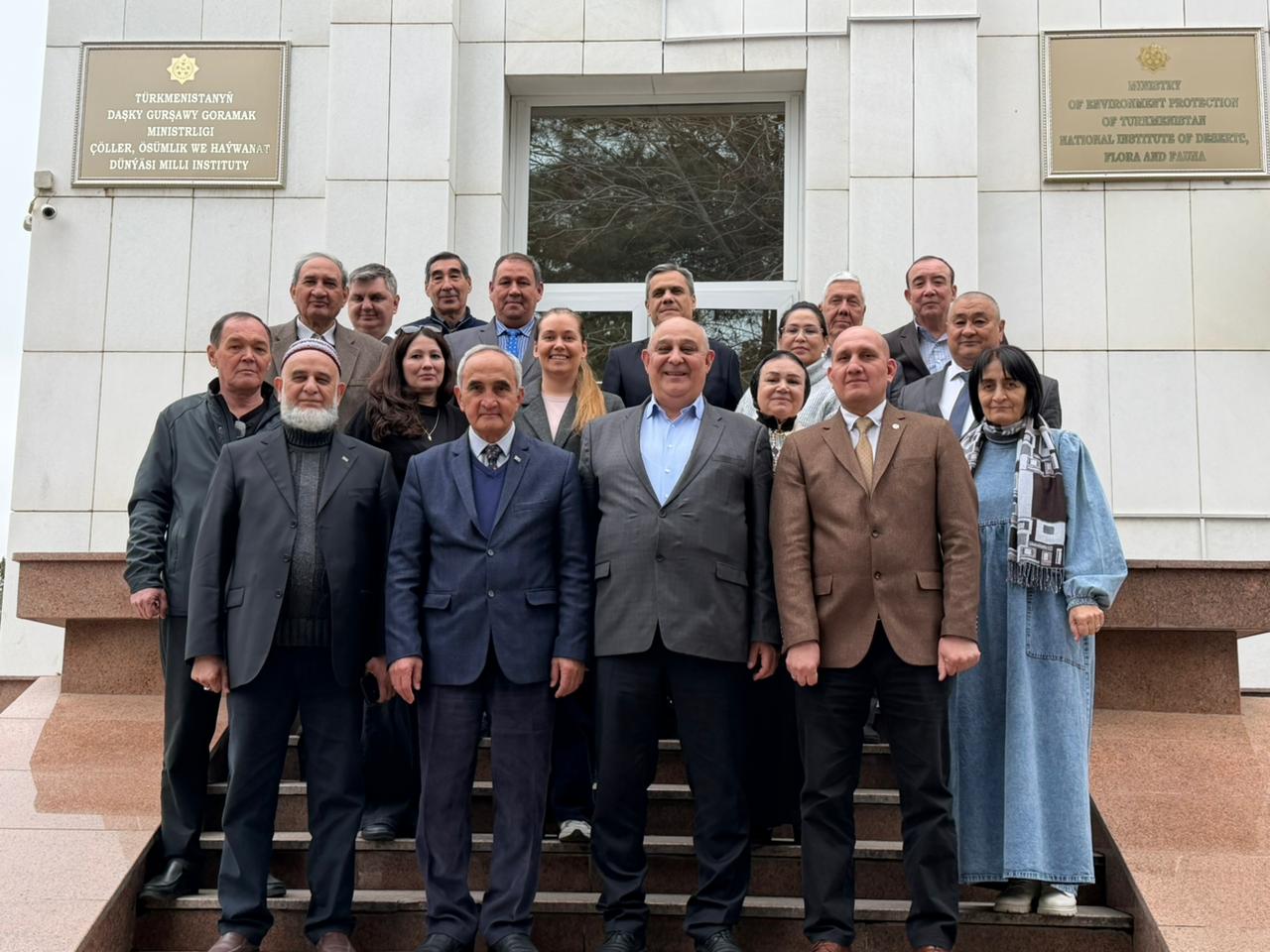
The event brought together representatives from government agencies, the scientific community, international organizations, and the non-governmental sector to discuss challenges related to droughts and to develop practical solutions to increase the country's sustainability.
Opening remarks were delivered by Pirli Kepbanov, Director of the National Institute of Deserts, Flora, and Fauna of the Ministry of Environmental Protection of Turkmenistan, Batyr Mammedov, Executive Director of CAREC, Iskandar Abdullaev, Senior Researcher at IWMI, and Mergen Kepbanov, Director of the CAREC Project Office in Turkmenistan.
In his opening speech, Mergen Kepbanov welcomed the participants and emphasized the importance of collaborative work within the ongoing project aimed at establishing a systemic approach to drought risk management.
Iskandar Abdullaev, Senior Researcher at the International Institute of Water Resources Management (IWMI), noted that Central Asian countries are traditionally situated in arid and semi-arid climate zones, where droughts are a natural part of environmental processes. However, in recent years, against the background of climate change, such phenomena have become more frequent and prolonged.
According to him, changes in the temperature regime, reduced precipitation, and the transformation of water resources increase the burden on agriculture and water supply systems. In this regard, it is especially important to develop early warning systems, strengthen national response mechanisms, and build regional cooperation, since water and climate processes are transboundary in nature.
He stressed the need to develop early warning systems, strengthen national response mechanisms, and build regional cooperation, as water and climate processes are transboundary in nature.
Batyr Mamedov, Executive Director of CAREC, welcomed the meeting participants and expressed gratitude to partners and experts for their active participation in the national dialogue.
In his speech, he noted that CAREC had prepared an analytical report on drought issues in Turkmenistan, which was presented during the technical session. According to him, the document reflects the current situation, existing response mechanisms, and can serve as a practical basis for further improving national policy in this area.
During the technical part of the meeting, Iskandar Abdullaev presented an overview of the regional Drought Risk Assessment (DRRA) project, based on the World Bank methodology. The methodology includes an assessment of institutional readiness, risk and vulnerability analysis, as well as the development of priority investment-oriented measures. It was noted that, along with national drought profiles, a regional profile has also been prepared, which is especially important given the transboundary nature of climate risks.
Lyudmila Kiktenko, Manager of CAREC’s Environmental Management Programme, then presented the preliminary results of the drought risk assessment in Turkmenistan, where all directions, the report, and the results of the work performed were detailed.
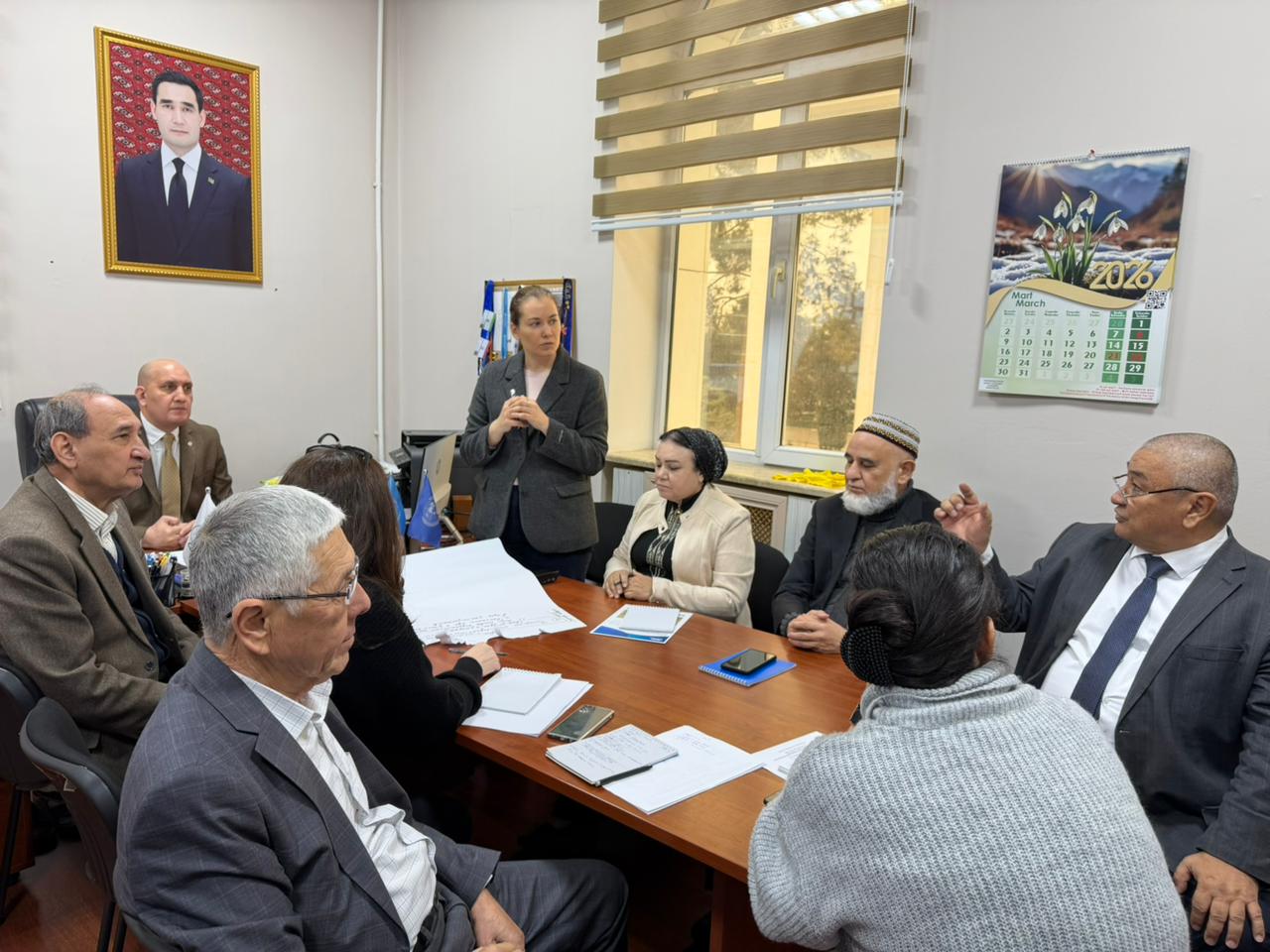
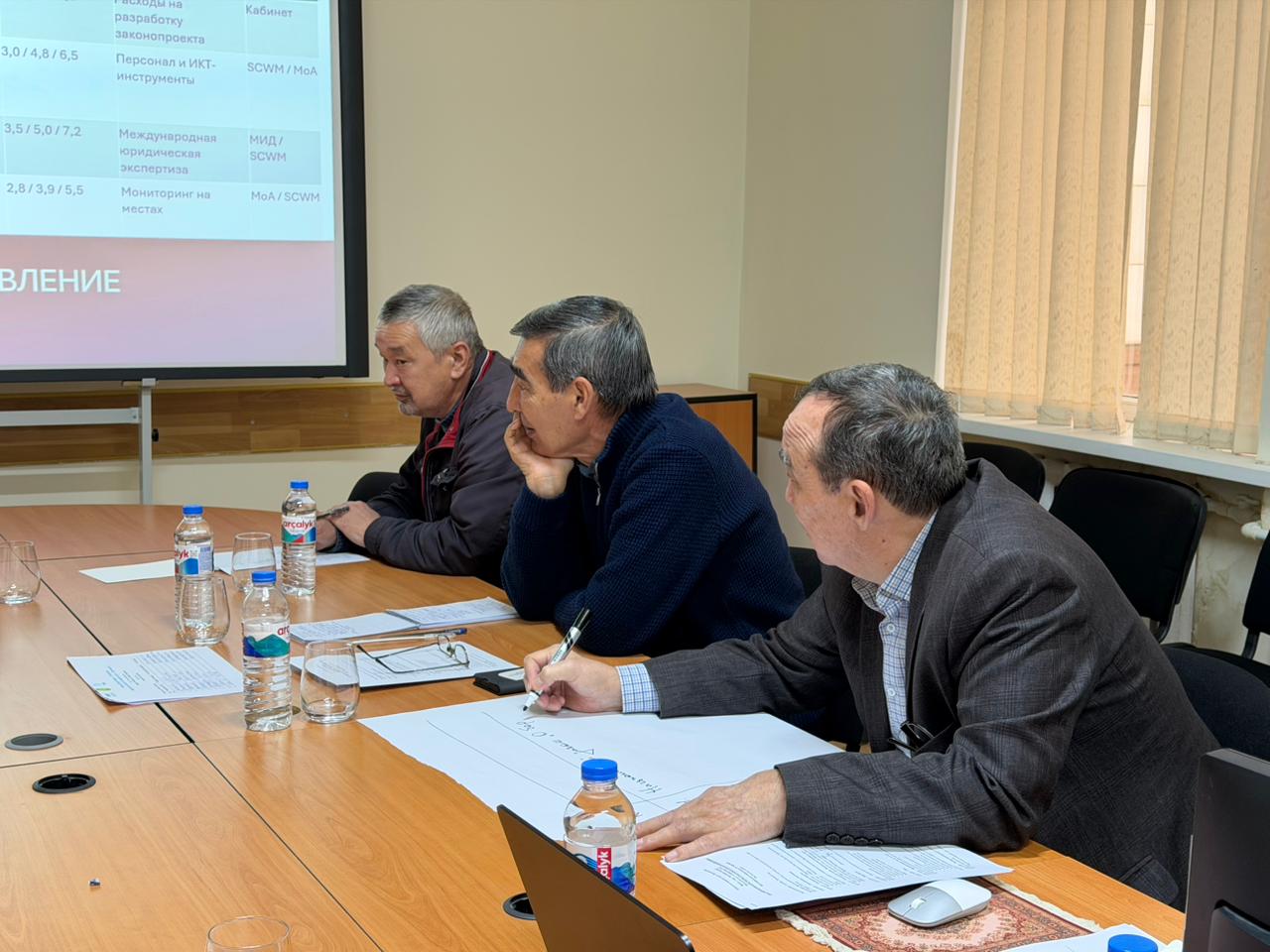
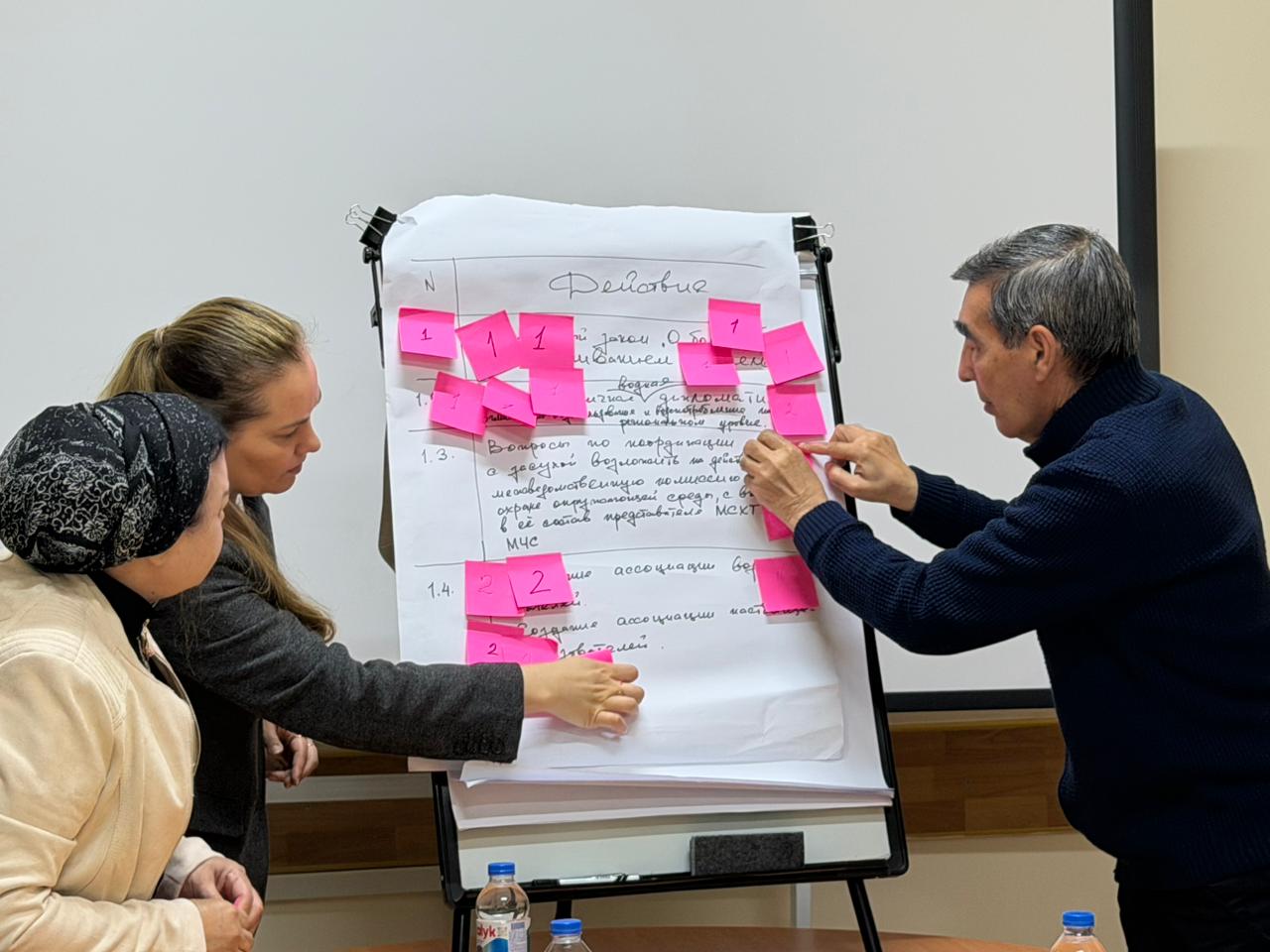
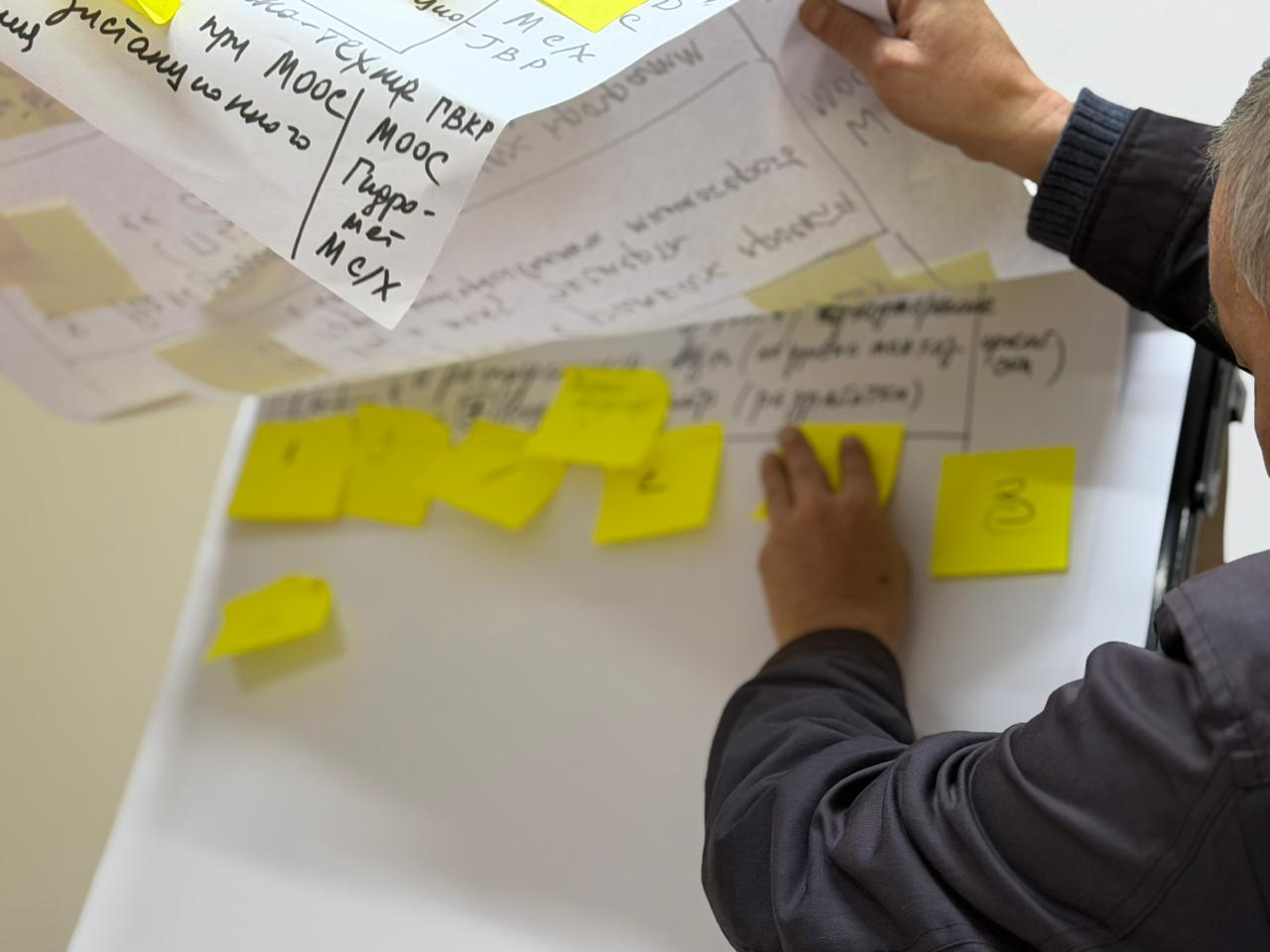
Within the framework of the practical part of the dialogue, participants were divided into two working groups: the first brought together representatives of scientific institutions, the second — representatives of non-governmental organizations and international structures. Such a format allowed for the inclusion of both scientific expertise and practical experience in project implementation and interaction with local communities. The work was carried out in thematic areas, including:
· development of a national drought early warning system;
· increasing the efficiency of irrigation and water accounting;
· climate-resilient agricultural production;
· sustainable pasture management;
· digitalization of water management.
In the afternoon, the groups presented the results of the discussions and prioritized the proposed measures using a multi-criteria approach, taking into account the potential for risk reduction, feasibility, economic efficiency, associated socio-environmental benefits, institutional readiness, and compliance with national development strategies. The outcome of the dialogue will be the formation of a coordinated list of priority areas for further development and possible investment support.
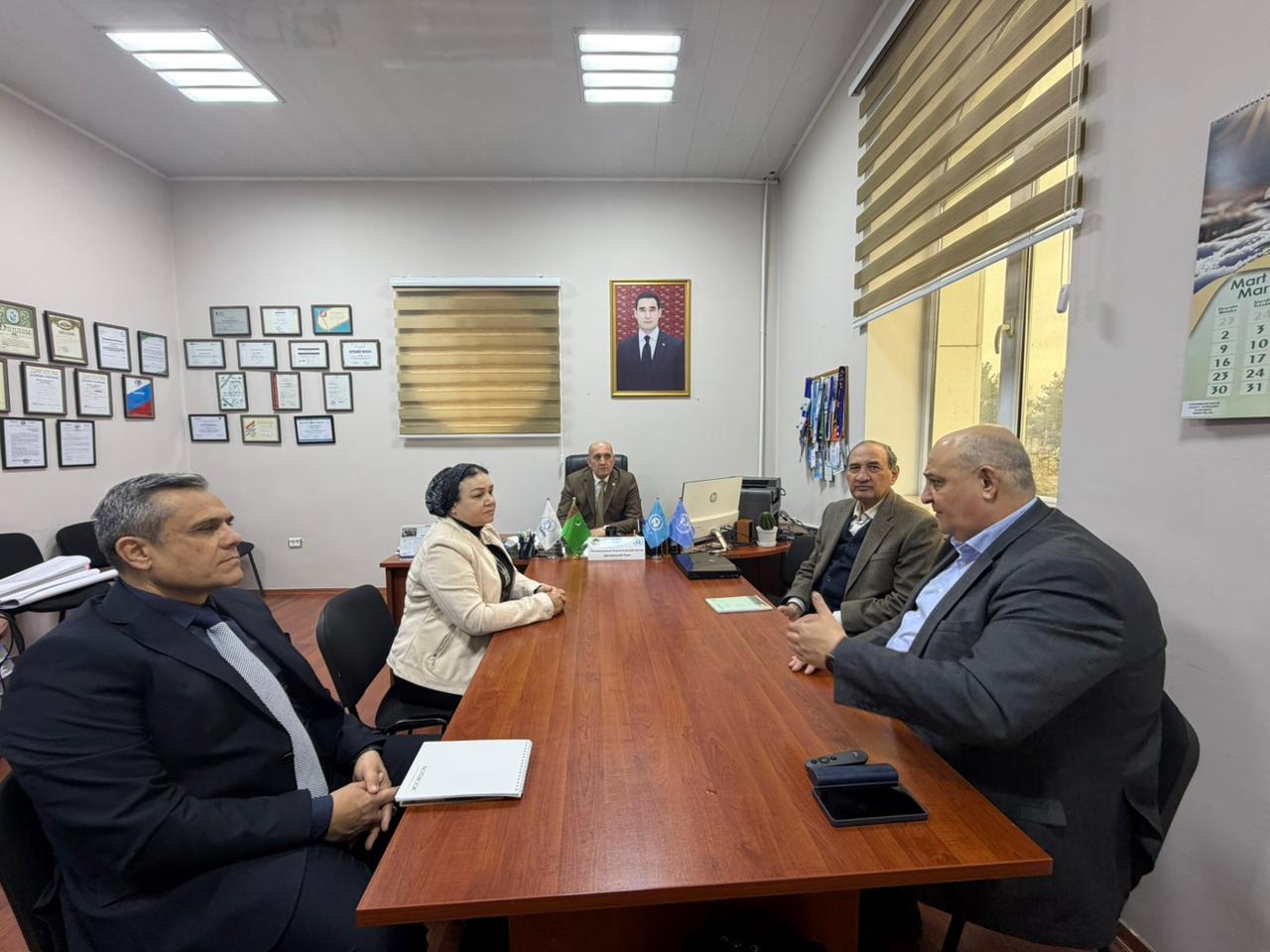
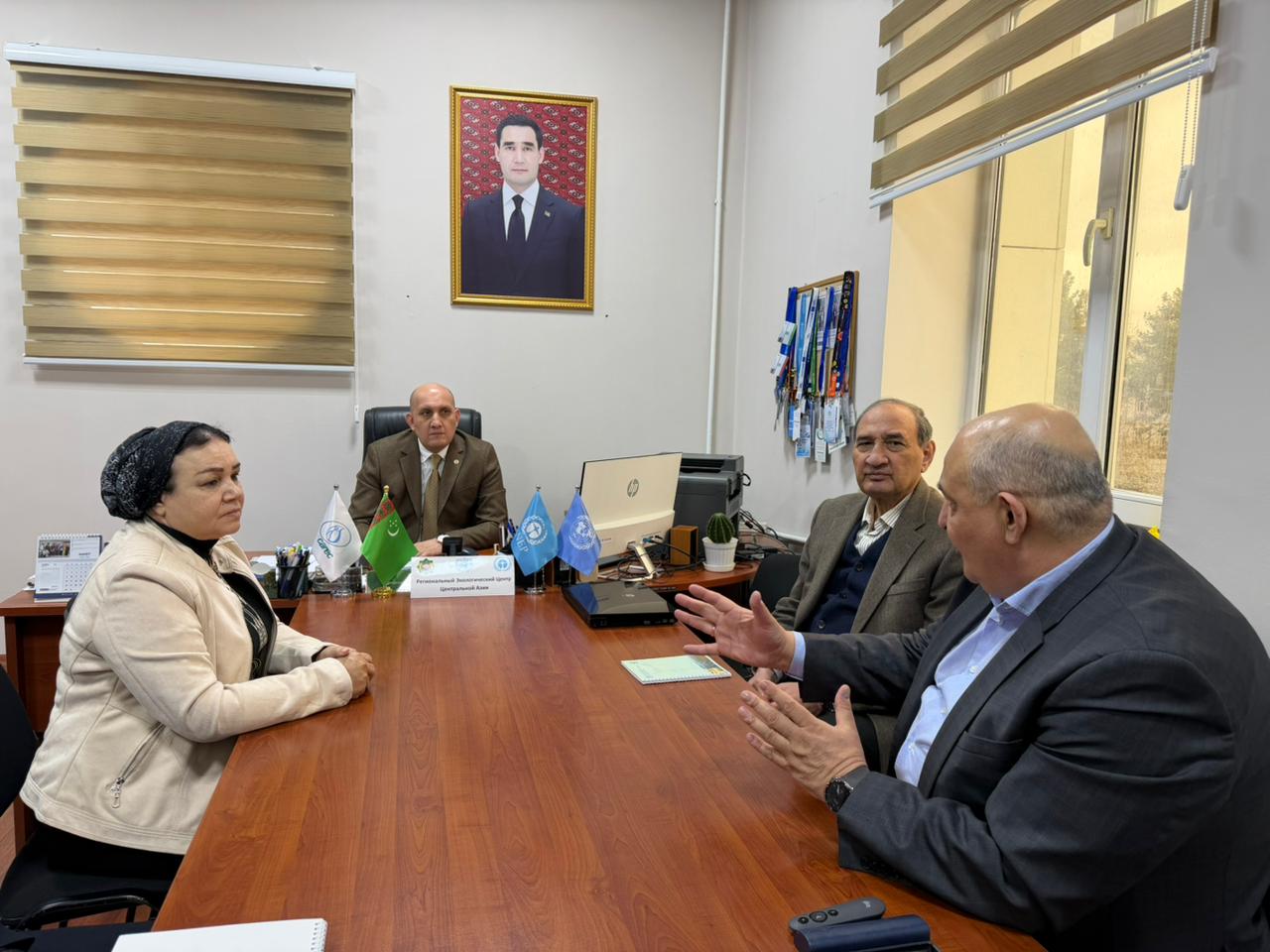
Upon completion of the event, a separate meeting was held between Mergen Kepbanov, Director of the CAREC Project Office in Turkmenistan, and Iskandar Abdullaev, Senior Researcher at IWMI, with Mubarak Gurbanova, Director of the "Taze Zaman" Public Organization, during which issues of project implementation within the framework of the International Climate Initiative (IKI) were discussed.
The main subject of the meeting was the discussion of prospects for the development and implementation of joint projects within the International Climate Initiative (IKI), aimed at increasing resilience to climate change, improving water resources management, and introducing ecologically oriented solutions in the Lebap Velayat.
During the negotiations, the parties considered the following priority areas of cooperation:
· implementation of integrated approaches to water resources management, taking into account climate risks;
· increasing energy efficiency and introducing nature-oriented solutions in the agricultural sector;
· development of a scientific-analytical base for assessing climate risks and adaptation measures;
· strengthening the capacity of local communities in matters of sustainable nature management.
Particular attention was paid to the gender aspect of future projects. Meeting participants emphasized that in the conditions of the Lebap Velayat, climate change directly affects the socio-economic situation of women, particularly in rural areas where they are actively involved in water use, agriculture, and ensuring household food security.
During the discussion, it was noted that the joint implementation of projects with IWMI will ensure the scientific validity and analytical support of planned activities, while the partnership with the "Taze Zaman" Public Organization will contribute to effective work at the local community level, including the active involvement of women in practical measures for adaptation to climate change.
Following the meeting, the parties confirmed their interest in further developing the institutional partnership and agreed on the preparation of project proposals within the IKI program cycle, taking into account the national priorities of Turkmenistan in the field of ecology and sustainable development.
The meeting confirmed the high level of interest of all parties in joint work and showed that effective drought risk management requires the coordination of efforts from science, government institutions, international partners, and public organizations. Participants expressed their readiness to continue interaction for the development and implementation of practical solutions aimed at strengthening the climate resilience of Turkmenistan.
Additional information:
Mergen Kepbanov – Director of the CAREC Project Office in Turkmenistan, turkmenistan@carececo.org