

Tashkent - Uzbekistan - November 13, 2025 - In Central Asia, where water connects five nations- Kazakhstan, Kyrgyzstan, Tajikistan, Turkmenistan, and Uzbekistan- collaboration over shared water resources is not just a necessity, it’s an opportunity for building trust and long-term sustainability.
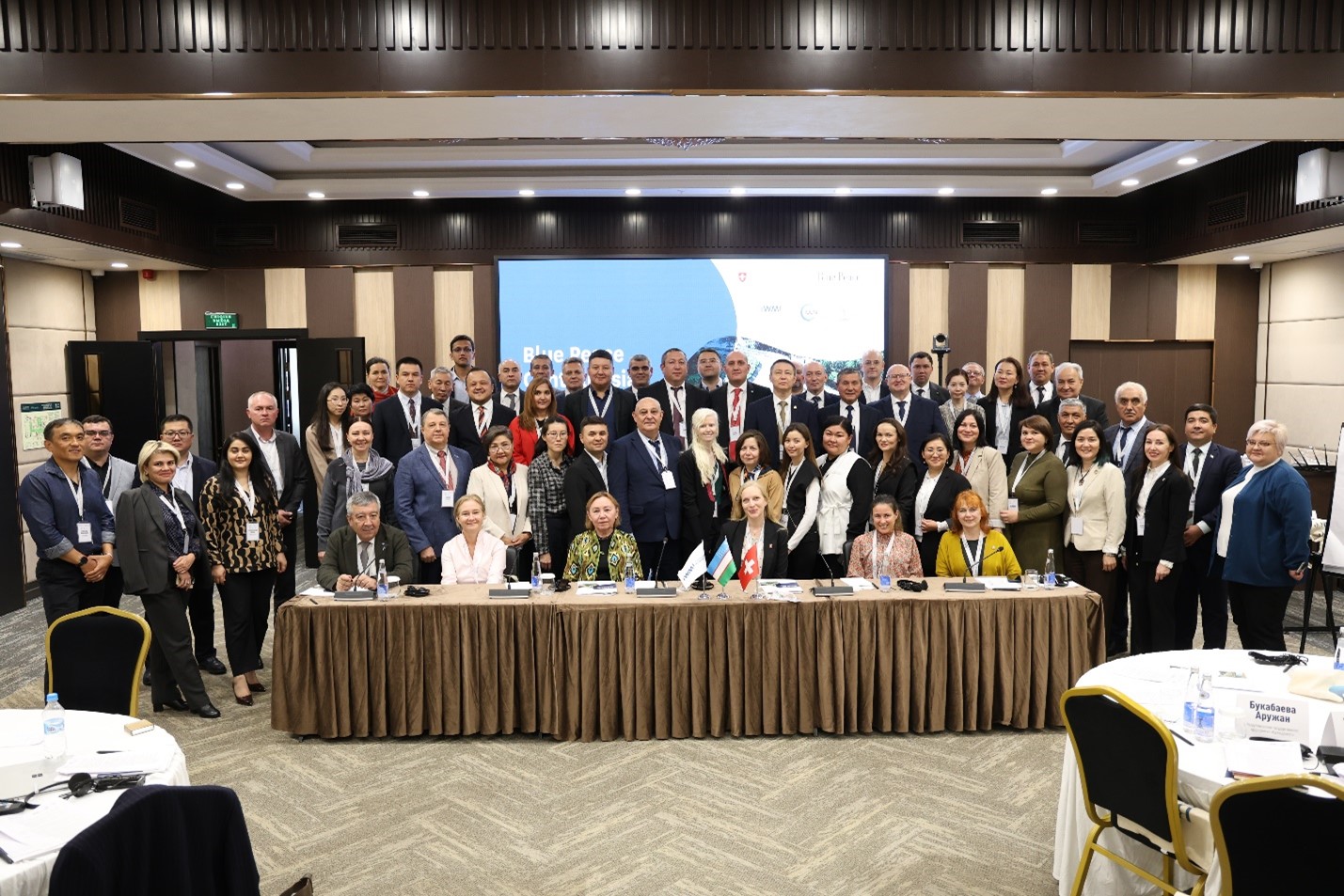
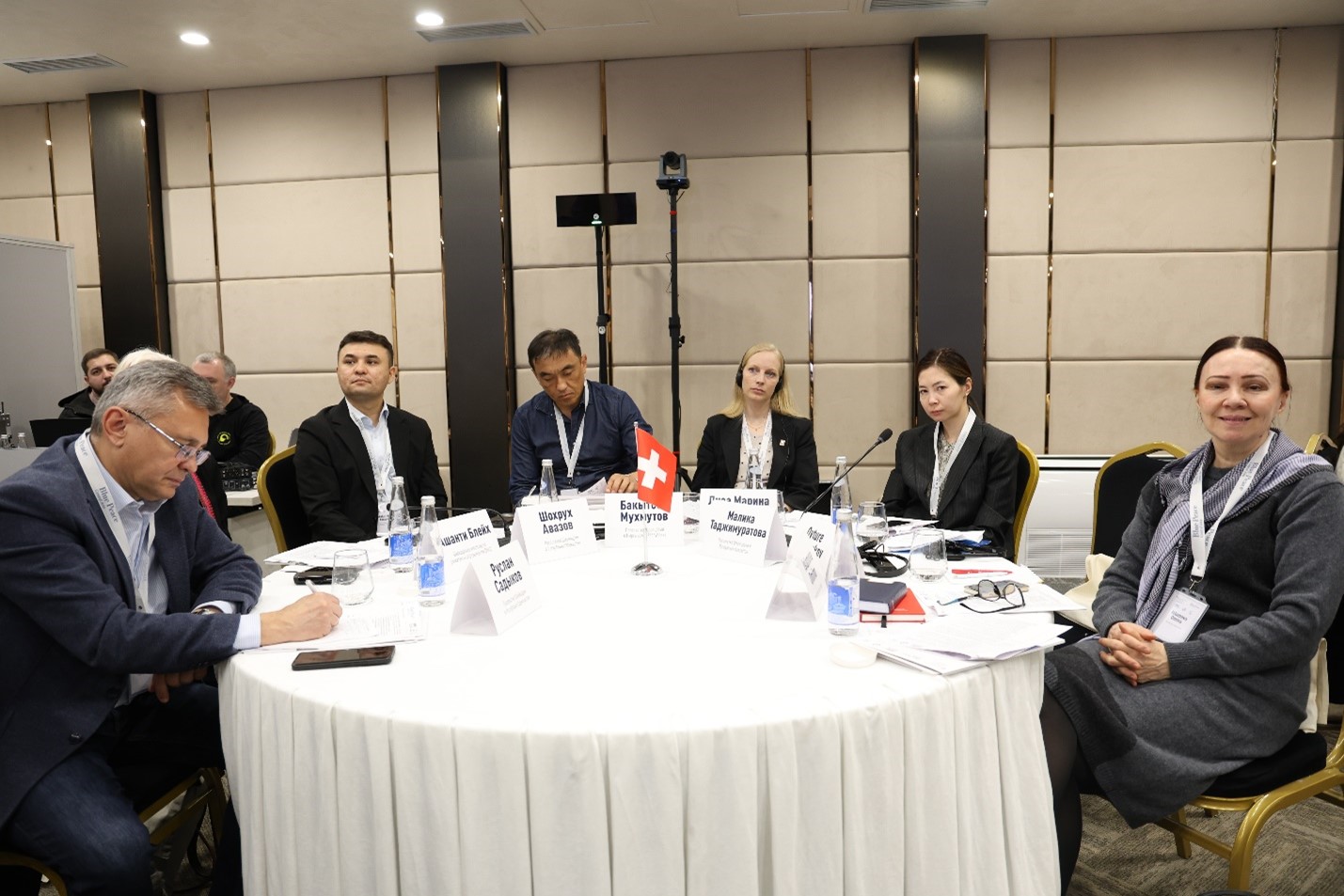
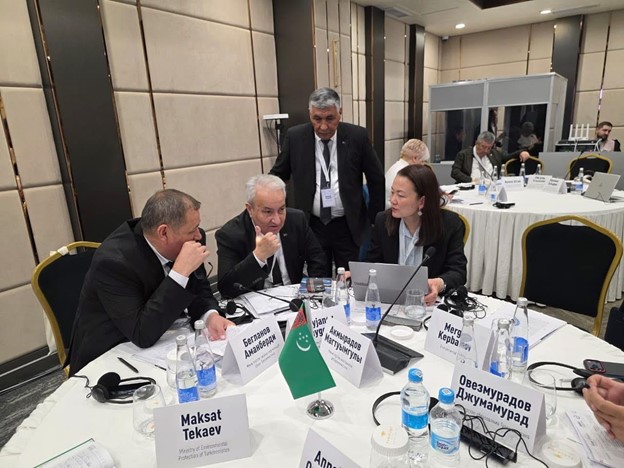
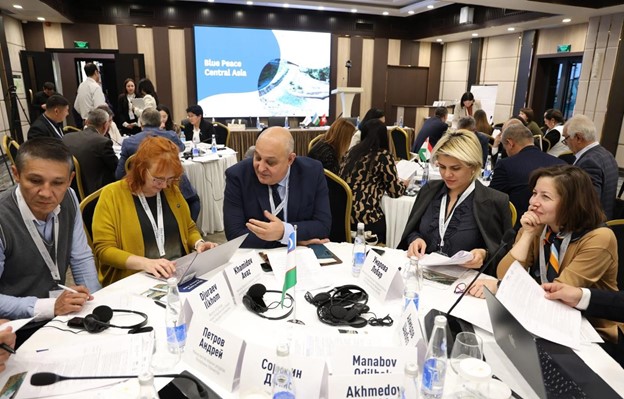
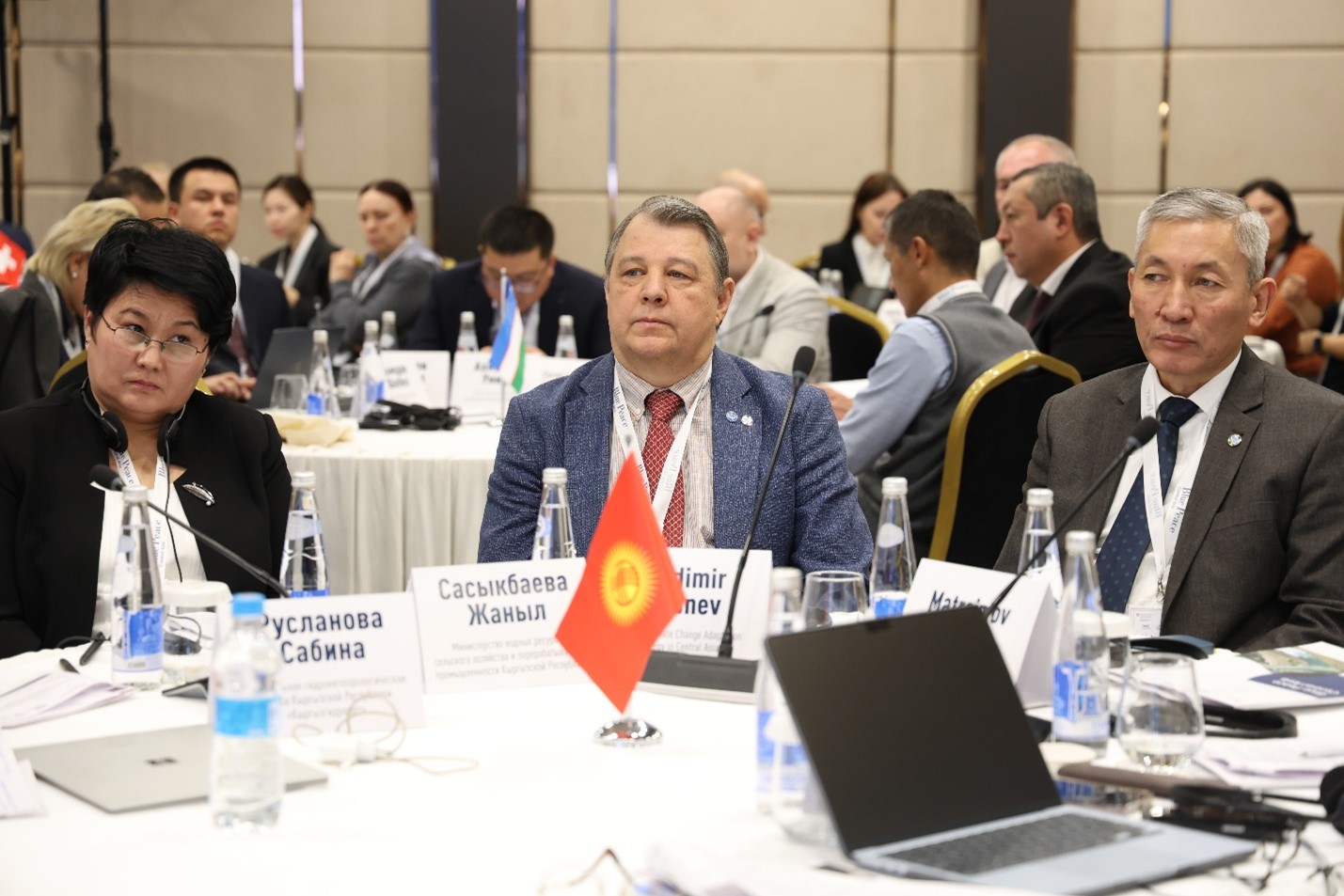
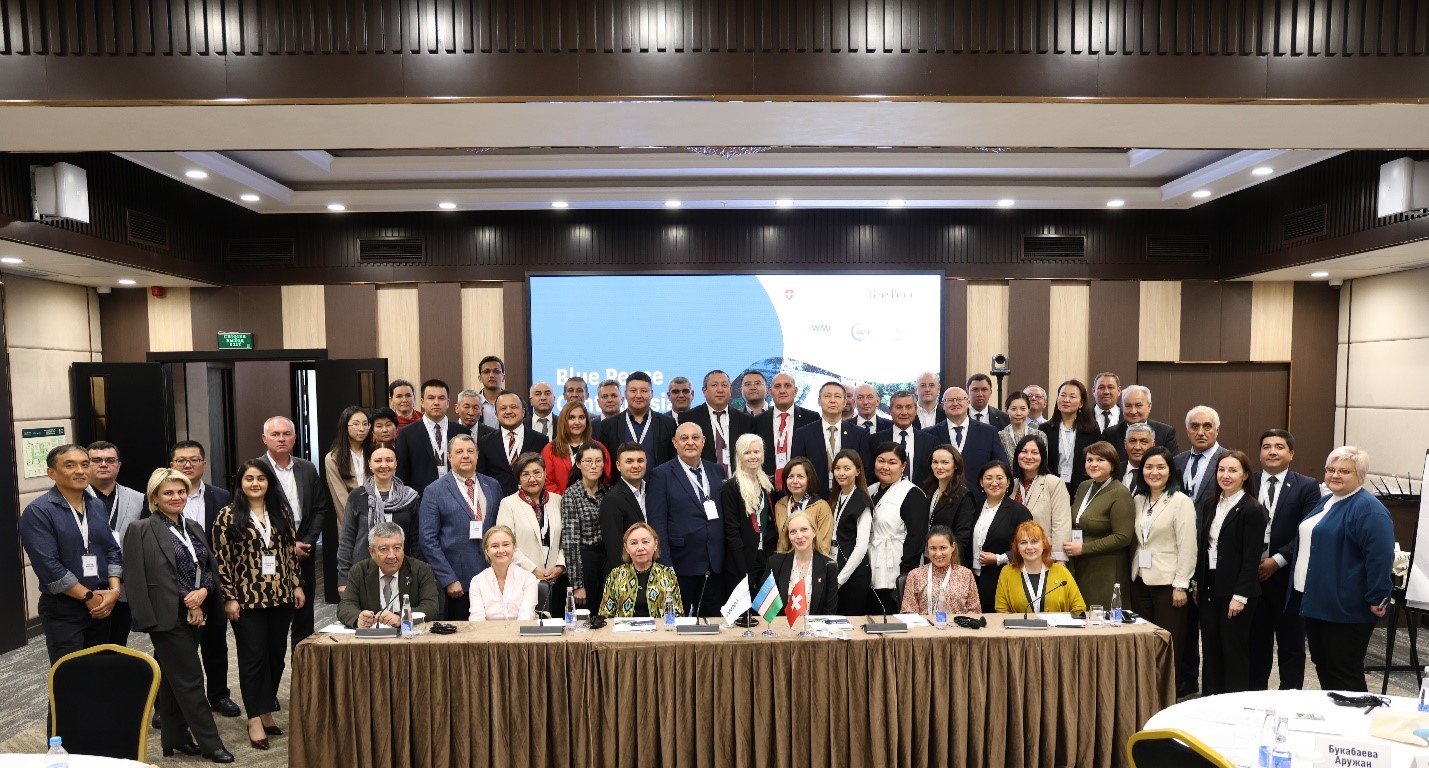
On November 13, more than 60 representatives of governments, research institutions, and development partners gathered in Tashkent for the Regional Workshop “Water Challenges in Central Asia”, organized under the Blue Peace Central Asia (BPCA) initiative. Hosted by the International Water Management Institute (IWMI), the International Union for Conservation of Nature (IUCN), and the Regional Environmental Centre for Central Asia (CAREC), with support from the Swiss Agency on Development & Cooperation (SDC) and the Ministry of Water Resources of the Republic of Uzbekistan, the workshop provided a platform for regional dialogue and joint planning to address shared water and climate challenges.
Discussions focused on hydro-diplomacy, transboundary cooperation, and capacity building as key pillars for sustainable water governance. The workshop also introduced new directions for the upcoming years, including water quality, climate adaptation, water-energy nexus, pilot projects in small transboundary tributaries, a regional master’s program in hydro-diplomacy, and youth-led hackathons to foster innovation in water management. Through initiatives like BPCA, countries of Central Asia are shaping a shared vision for a water-secure and peaceful future, proving that water can connect people, strengthen trust, and drive collective action for sustainable development.
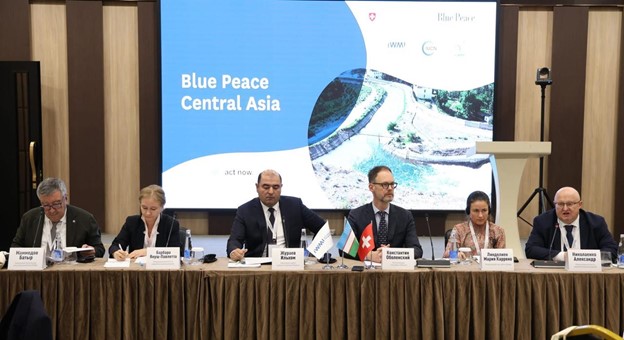
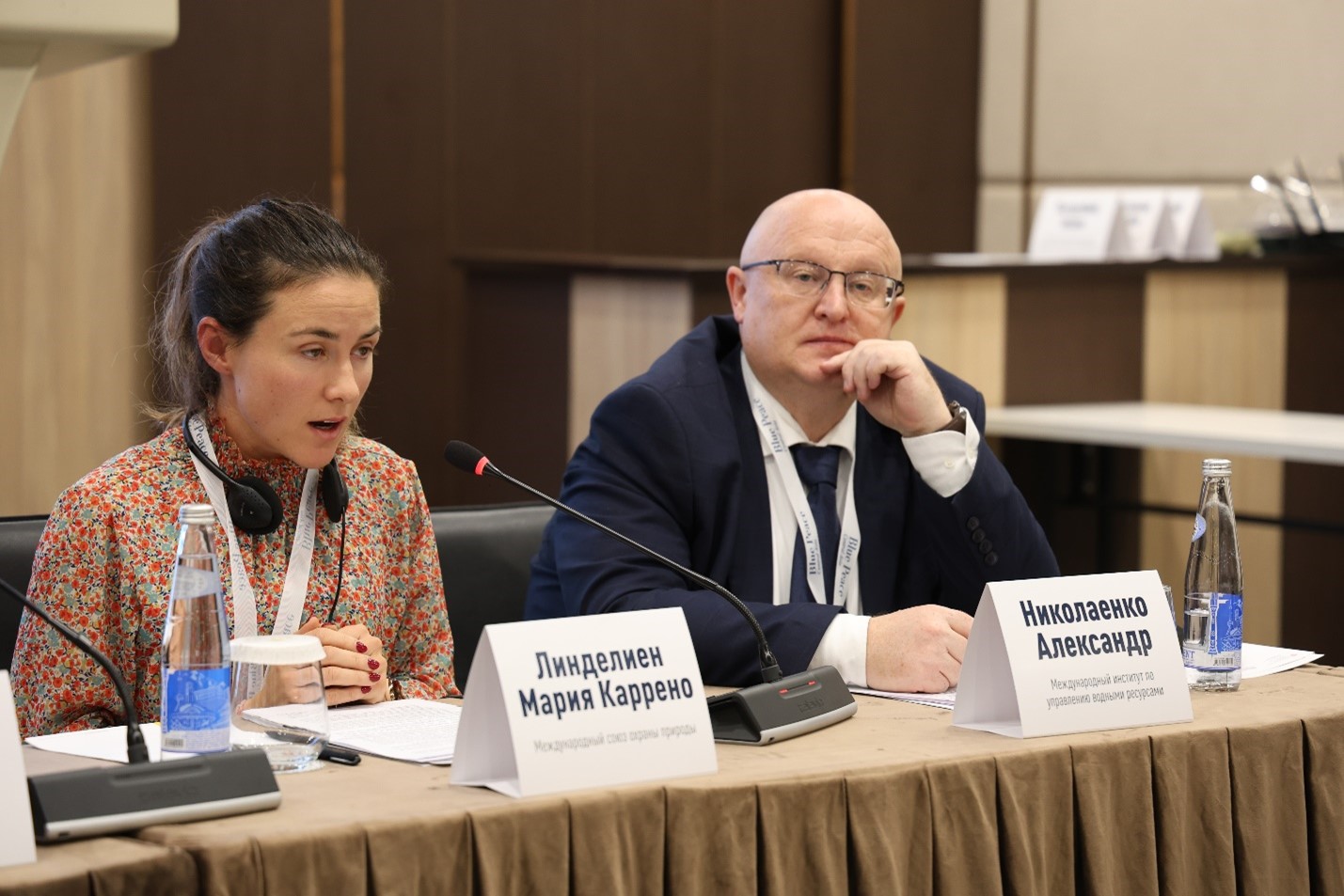
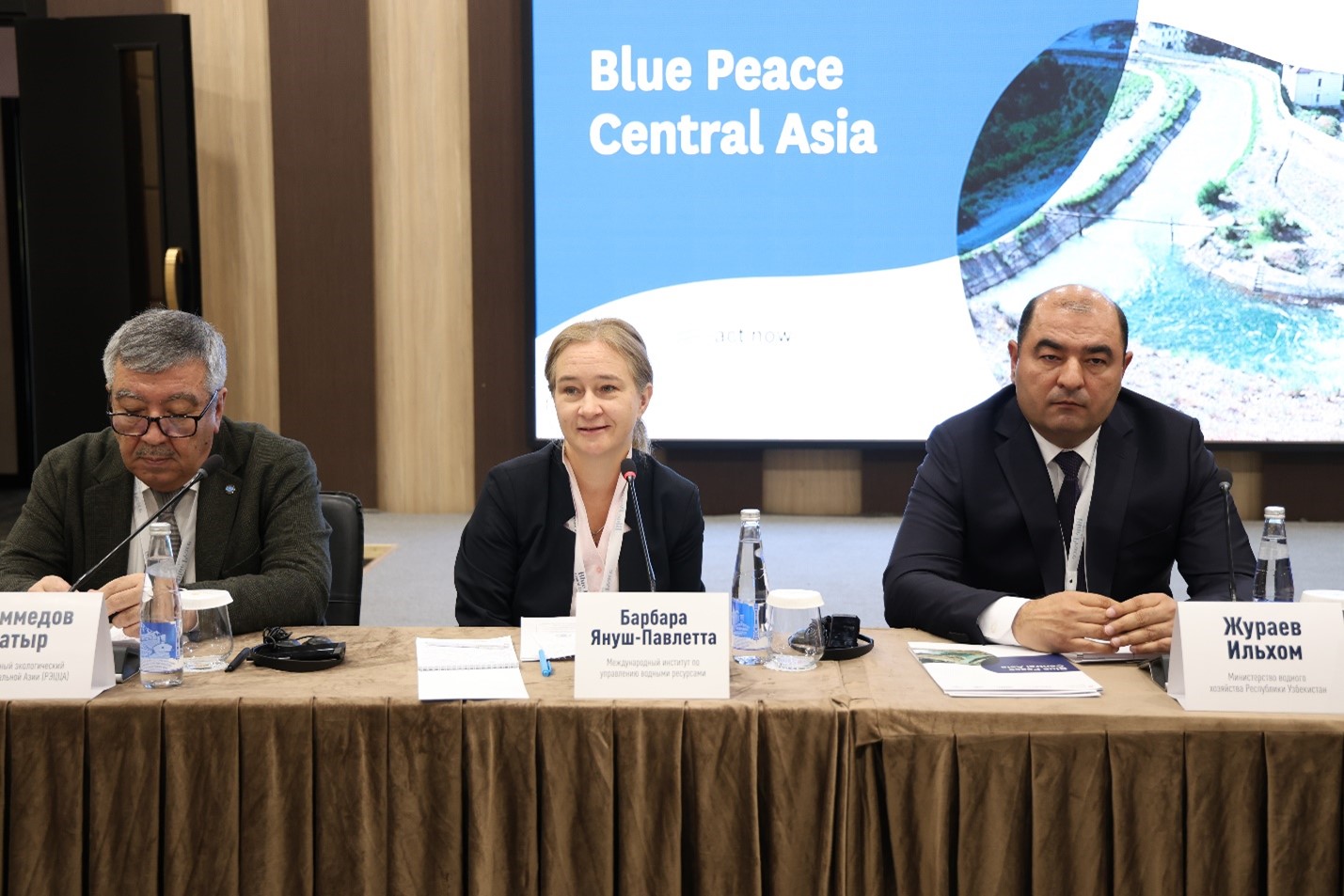
The Blue Peace Central Asia (2025–2029) project, funded by the Swiss Agency for Development and Cooperation (SDC), is structured around three strategic pillars:
- Hydrodiplomacy: Strengthening regional and bilateral policy dialogue through evidence-based platforms, enhancing trust and coordination among the countries of Central Asia.
- Small Transboundary Tributaries: Implementing pilot projects in the basins of small transboundary rivers to demonstrate the benefits of cooperation and unlock access to international financing.
- Capacity Development: Expanding opportunities for youth, women, and media representatives through education, scholarships, and leadership programs, including the launch of a joint master’s program in hydrodiplomacy.
Gender equality and youth engagement are cross-cutting themes integrated into all BPCA activities, ensuring inclusiveness.
Contact information:
Irina Yugay
Acting Manager of the Water Initiatives Support Programme, Project Manager, CAREC wisspecialist@carececo.org