
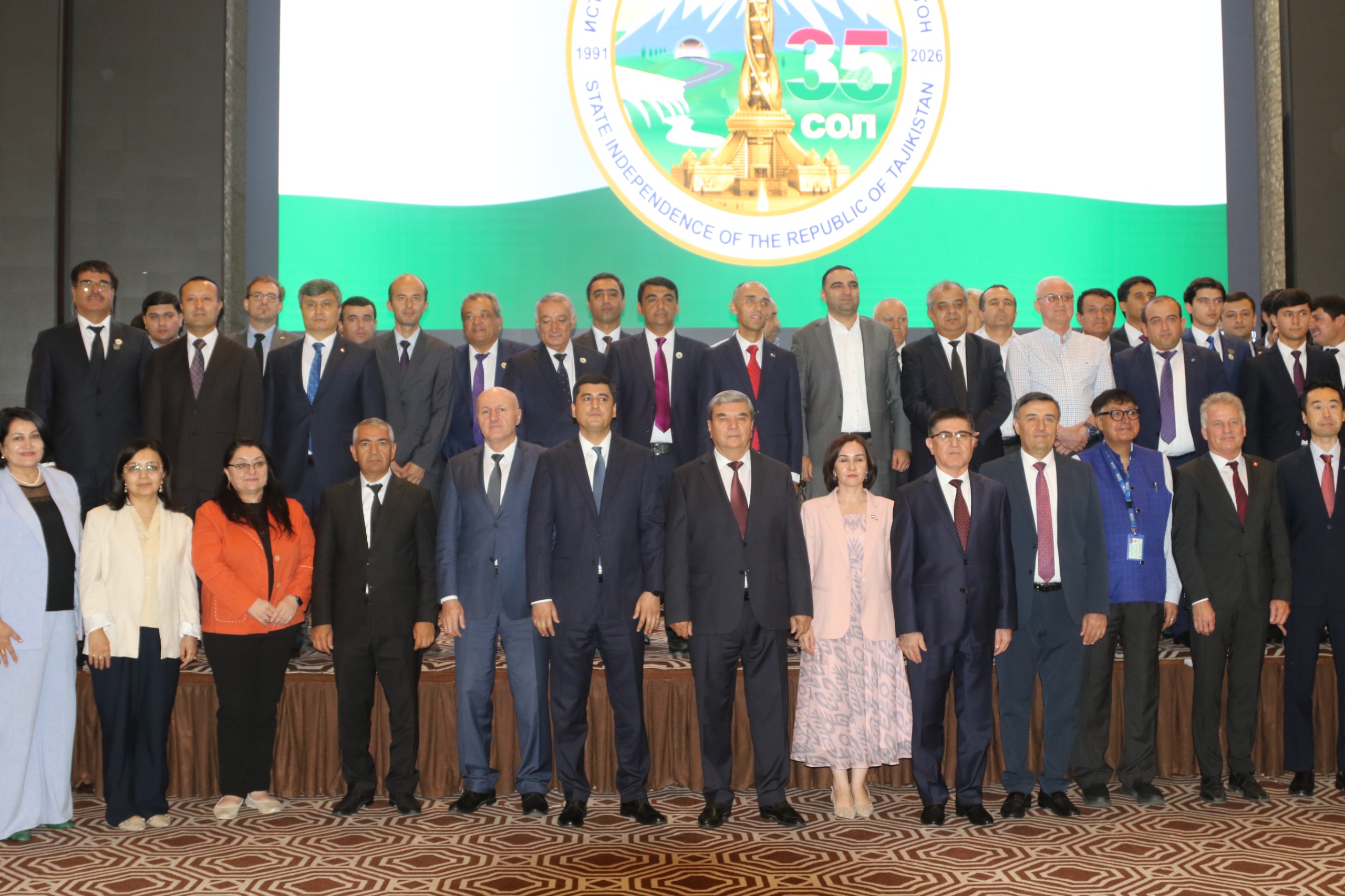
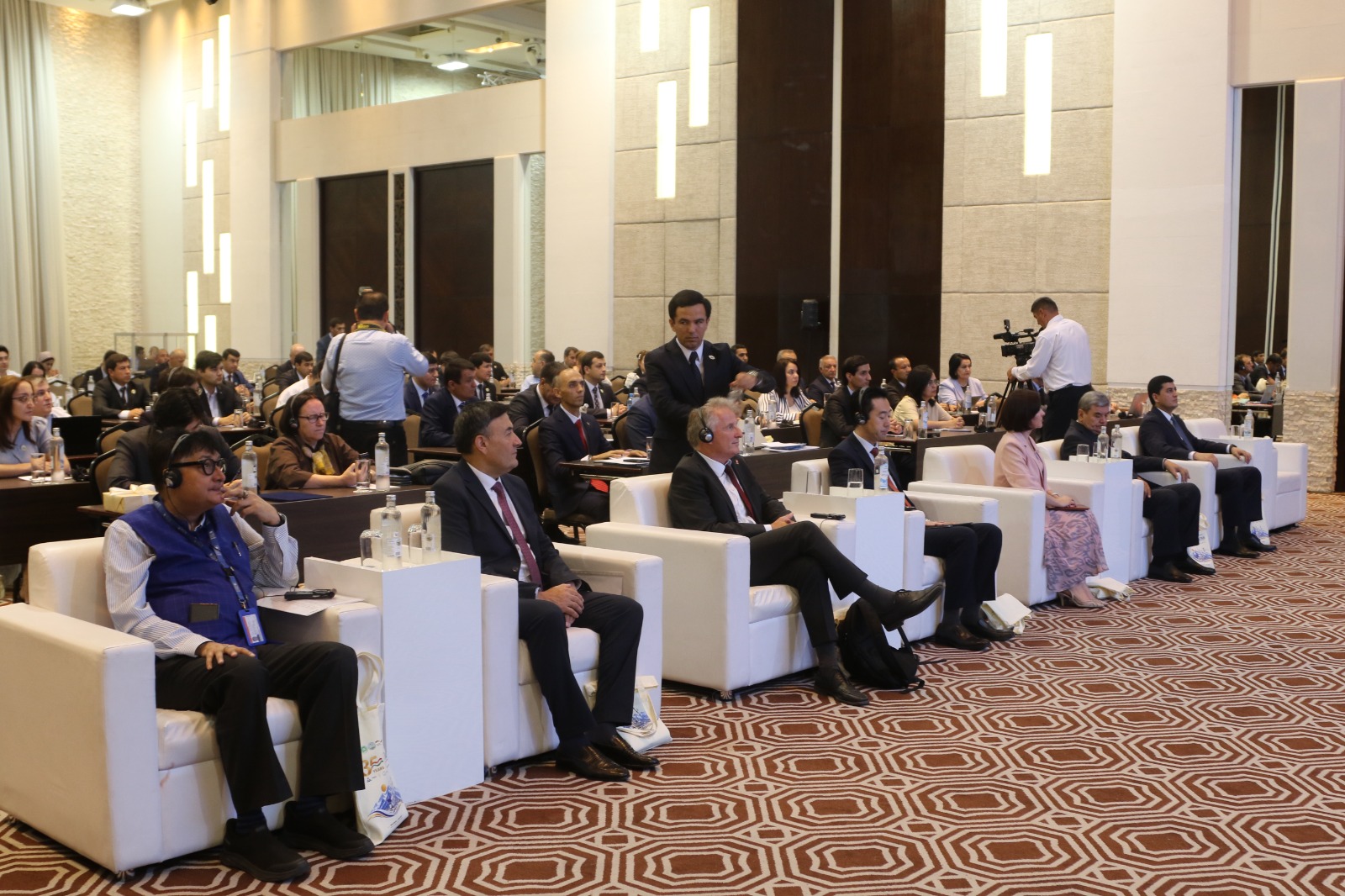
On August 18, 2026, in Dushanbe, Dilovarsho Dustzoda, Advisor to the Executive Director of the Regional Environmental Centre for Central Asia (CAREC), took part in the International Scientific and Practical Conference “35th Anniversary of the State Independence of the Republic of Tajikistan: Development and Strengthening of Hydrometeorological Monitoring and Glacier Protection under Climate Change.”
The event, which also marked the 100th anniversary of the hydrometeorological service of the Republic of Tajikistan, brought together representatives of government authorities, national hydrometeorological services of Central Asian countries, the scientific community, international organizations, financial institutions, and development partners.
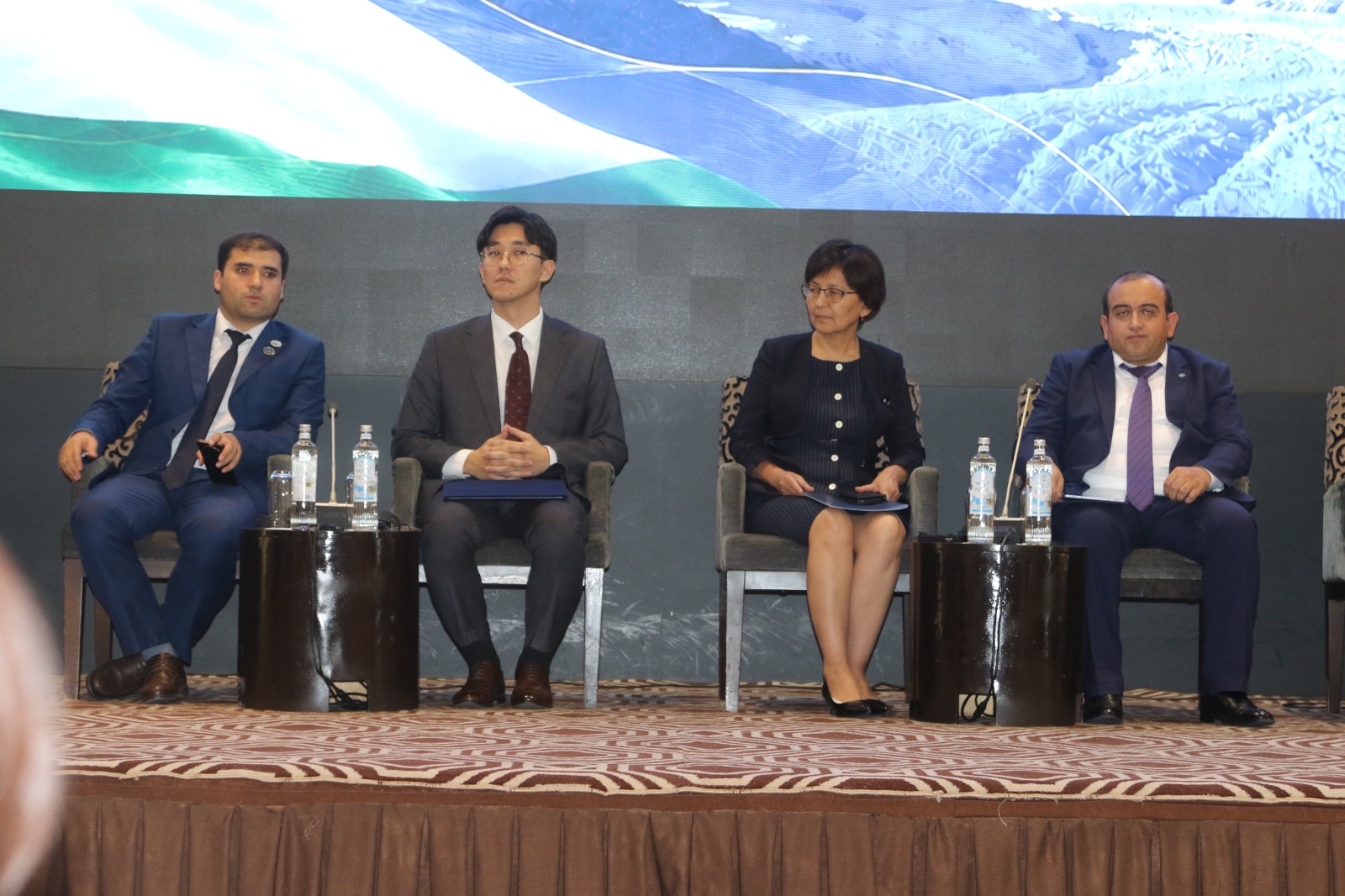
At the plenary session “Current Challenges and Practical Solutions in Hydrometeorological Monitoring and Glacier Protection,” Dilovarsho Dustzoda, Advisor to the Executive Director of the Regional Environmental Centre for Central Asia, delivered a statement on behalf of CAREC.
In his remarks, he presented CAREC’s vision of its role in strengthening coordination among countries in the region, mobilizing financing, and implementing joint initiatives to modernize hydrometeorological monitoring, study glaciers, and enhance climate resilience across Central Asia.
A key point of the presentation was that hydrometeorological monitoring, glacier conditions, and climate resilience in Central Asia are inherently transboundary and regional issues. Atmospheric processes, river runoff, droughts, floods, mudflows, and other climate risks do not stop at national borders. Therefore, the effectiveness of national systems depends to a large extent on data exchange, harmonized approaches, and joint investment planning.
In this context, three interrelated functions of CAREC were highlighted: regional coordination, mobilization of financial resources, and practical implementation of joint solutions.
From National Priorities to Regional Solutions
CAREC sees its role as creating a space where Central Asian countries can jointly identify priorities and develop solutions to issues that require regional cooperation.
Of particular importance is further alignment of national observation systems, including the development of comparable methodologies, regular data exchange, joint modelling and forecasting, and, over time, the establishment of a more integrated regional information space on climate risks.
One of the existing platforms for such cooperation is the Central Asia Climate Change Conference, organized by CAREC together with partners and bringing together government institutions, the scientific community, international financial institutions, and development partners.
Mobilizing Investment in Hydrometeorological Infrastructure
The presentation also highlighted the financing of the modernization of hydrometeorological monitoring systems.
Modern hydrometeorological infrastructure requires significant investment not only in automatic stations, high-altitude observation points, Earth observation technologies, information systems, and computing capacity, but also in their operation, maintenance, calibration, specialist training, and the development of climate services.
Under these conditions, one of the important roles of a regional organization is to bring national needs together into comprehensive regional projects and facilitate dialogue with international financial institutions around challenges shared by Central Asian countries.
As a practical example, CAREC’s experience under the Climate Adaptation and Mitigation Program for the Aral Sea Basin (CAMP4ASB), implemented with financial support from the World Bank, was highlighted. The program included activities to modernize climate observation systems and strengthen the capacity of specialists working in the region’s hydrometeorological services.
From Dialogue to Concrete Regional Projects
CAREC also consistently promotes an approach in which regional cooperation should lead to concrete joint solutions, including information-sharing mechanisms, research, institutional capacity development, and specialist training.
Examples presented included the Regional Climate Action Transparency Hub in Central Asia, ReCATH, as well as the Blue Peace Central Asia initiative, which, among other objectives, aims to strengthen regional cooperation on water diplomacy and water resources management, taking into account the impacts of climate change and glacier retreat.
It was emphasized that glacier monitoring needs to be considered in direct connection with monitoring snow cover, precipitation, temperature, and river runoff. The data collected should be used not only for scientific purposes, but also to forecast water availability, assess risks, develop early warning systems, and inform management and economic decisions.
Four Areas for Further Action
Four priority areas were identified as practical steps to further strengthen regional cooperation:
1. strengthening a permanent mechanism for interaction among hydrometeorological services, research institutions, and organizations working on cryosphere issues;
2. developing a regional list of the most critical gaps in observation systems and, based on it, preparing a common portfolio of investment projects;
3. launching specific pilot transboundary projects that combine ground-based hydrometeorological observations, glaciological measurements, satellite data, and hydrological modelling;
4. making systematic investments in human capital, including training young hydrologists, meteorologists, glaciologists, and Earth observation specialists.
CAREC’s main task in this process is to create regional added value by bringing together national data, scientific expertise, modern technologies, and international financing opportunities into functioning mechanisms for regional cooperation.
“If we can connect coordination, quality data, science, investment, and practical solutions, we will be able to move from individual projects to a sustainable regional climate security system,” said Dilovarsho Dustzoda.
CAREC will continue to facilitate dialogue among countries in the region, research institutions, international organizations, and financial partners, as well as support the development and implementation of practical regional solutions aimed at strengthening climate resilience in Central Asia.
Recognition of Contribution to Water and Climate Cooperation
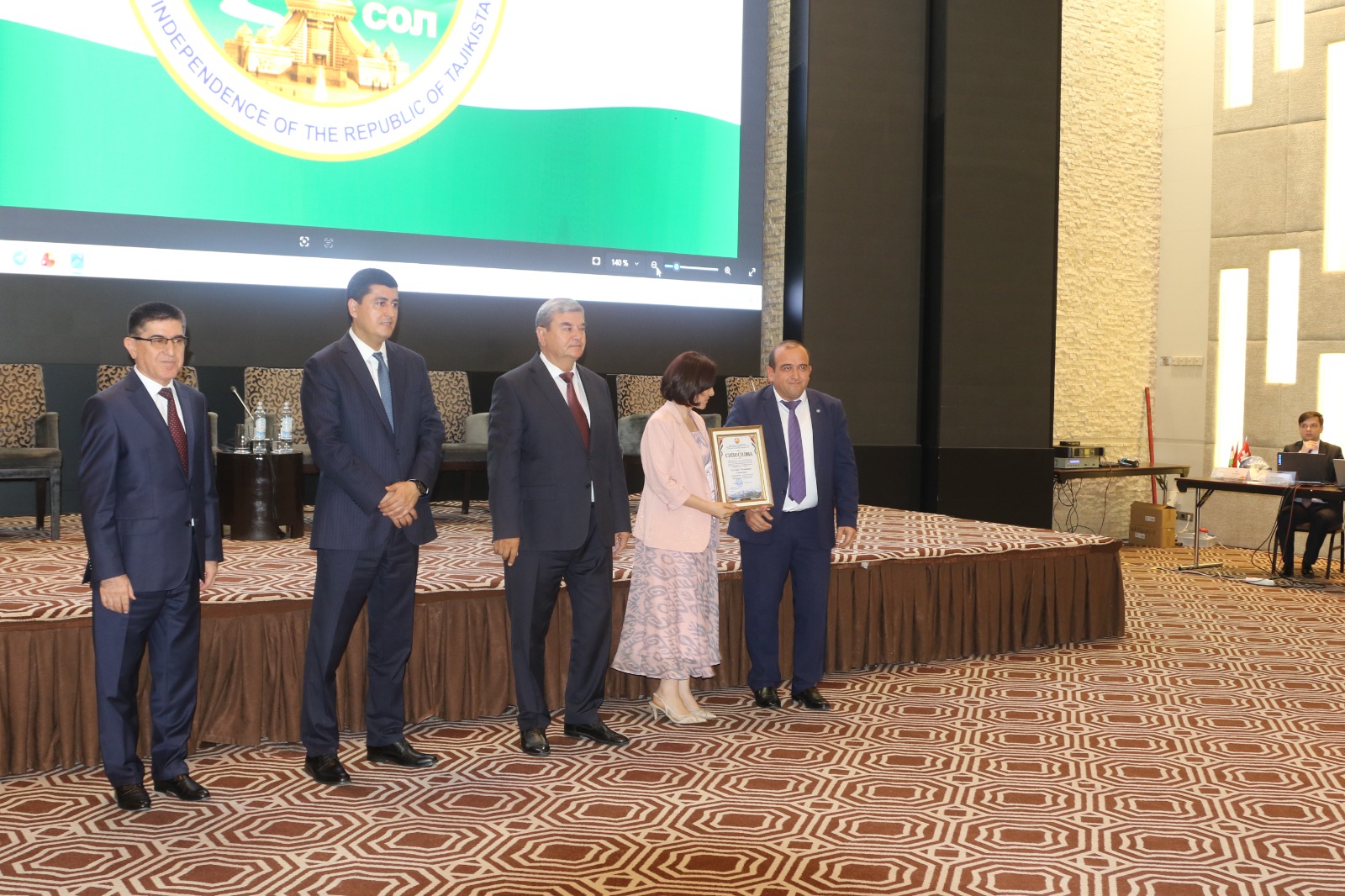
As part of the event, Dilovarsho Dustzoda received a letter of appreciation for his contribution to the implementation of state policy on water and climate, and for his direct support to the implementation of government programs and strategies in the field of hydrometeorology.
The letter of appreciation was presented as part of events marking the 35th Anniversary of the State Independence of the Republic of Tajikistan and the 100th anniversary of the Agency for Hydrometeorology of the Committee for Environmental Protection under the Government of the Republic of Tajikistan.

Дополнительная информация:
Диловаршо Дустзода - советник исполнительного директора Регионального экологического центра Центральной Азии (РЭЦЦА), ddustzoda@carececo.org