

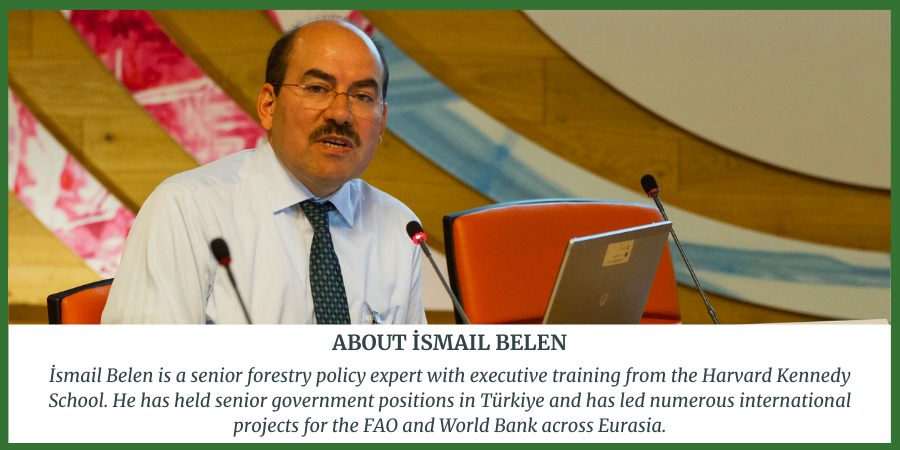
TASHKENT, UZBEKISTAN – As Uzbekistan intensifies its battle against land degradation and climate change, international consultant İsmail Belen has emerged as a pivotal figure in the Uzbekistan Resilient Landscape Restoration Project (RESILAND Uzbekistan). Leveraging over three decades of experience, Belen is currently preparing nine strategic forestry nurseries across the nation, serving as the "supply backbone" for large-scale ecological restoration.
A Rare Combination of Policy and Field Expertise
İsmail Belen brings a distinguished pedigree to the RESILAND project. Currently the Chief Inspector at Türkiye’s General Directorate of Forestry and Chair of the United Nations Forum on Forests (UNFF), his background bridges the gap between high-level multilateral diplomacy and technical field engineering. His involvement in the RESILAND project, supported by the World Bank, focuses on transforming Uzbekistan’s forestry sector into a resilient, climate-smart engine for rural development.
The RNF: A Strategic Blueprint for Restoration
At the heart of Belen’s contribution is the development of the RESILAND CA Nursery Framework (RNF). This comprehensive technical disposition is not merely a manual but a fundamental blueprint for future nursery development in Uzbekistan. The RNF integrates international best practices with local constraints to ensure that every nursery follows harmonized standards for:
- Climate-Resilient Infrastructure: Incorporating advanced propagation techniques, climate-smart irrigation (such as drip systems), and renewable energy such as solar pumping.
- Species Diversification: Shifting production toward drought-tolerant and saline-resistant species, including high-value crops like walnut, almond, and medicinal plants (e.g., Unabi and lavender) to boost rural incomes.
- Quality Assurance: Establishing rigorous protocols for seed origin traceability and seedling health to maximize field survival rates.
Field Assessment: Translating Theory into Action
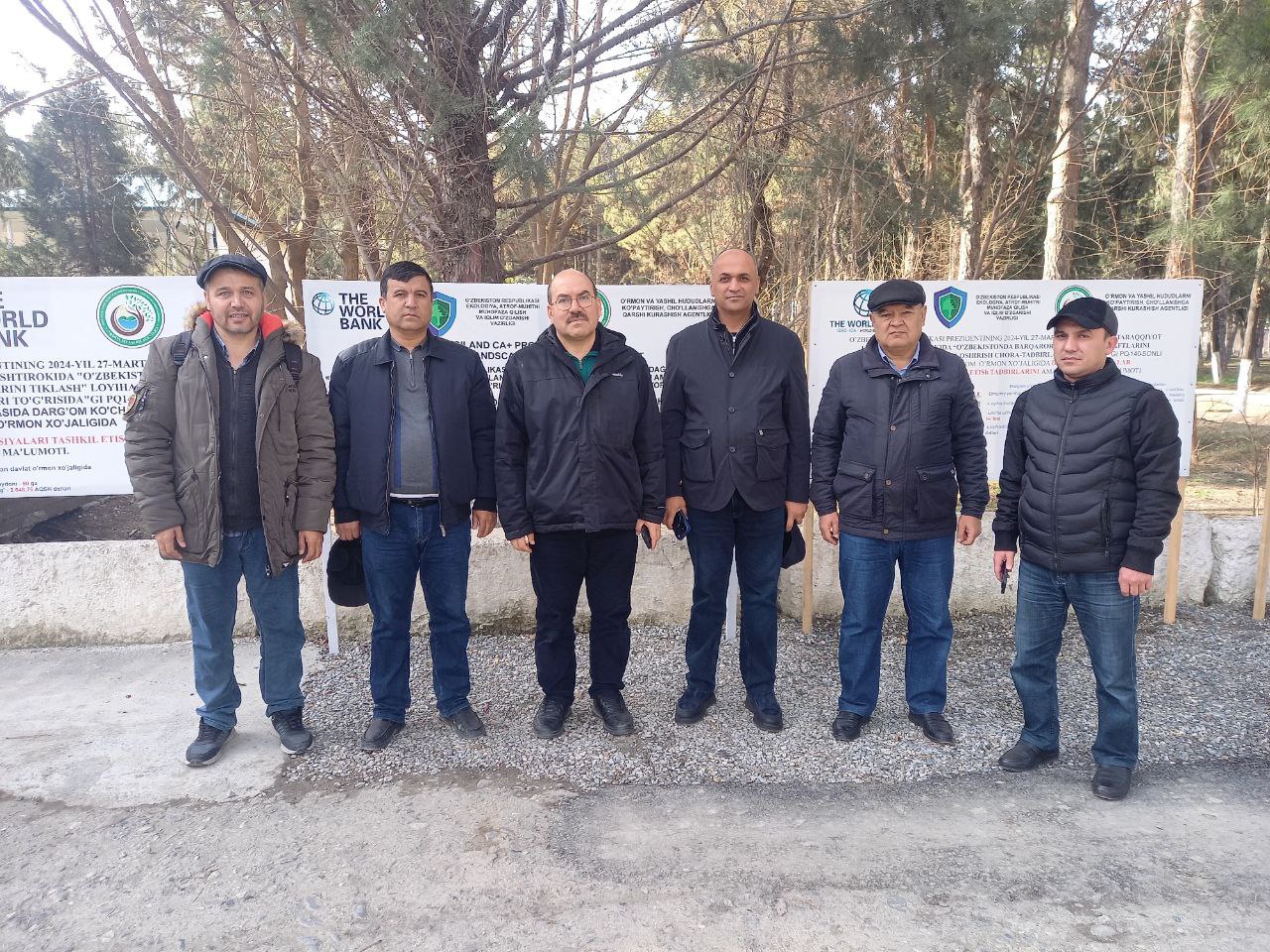
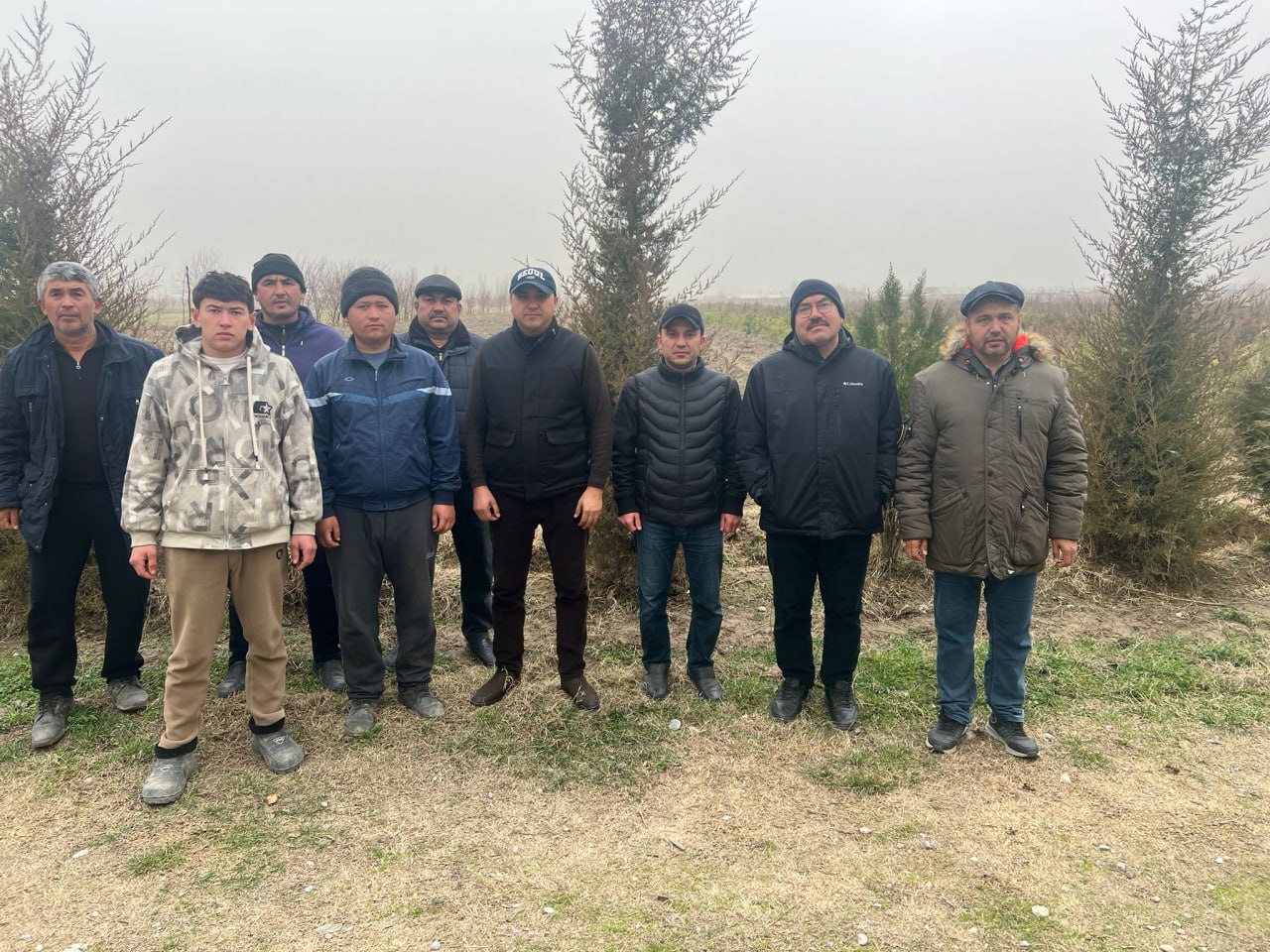
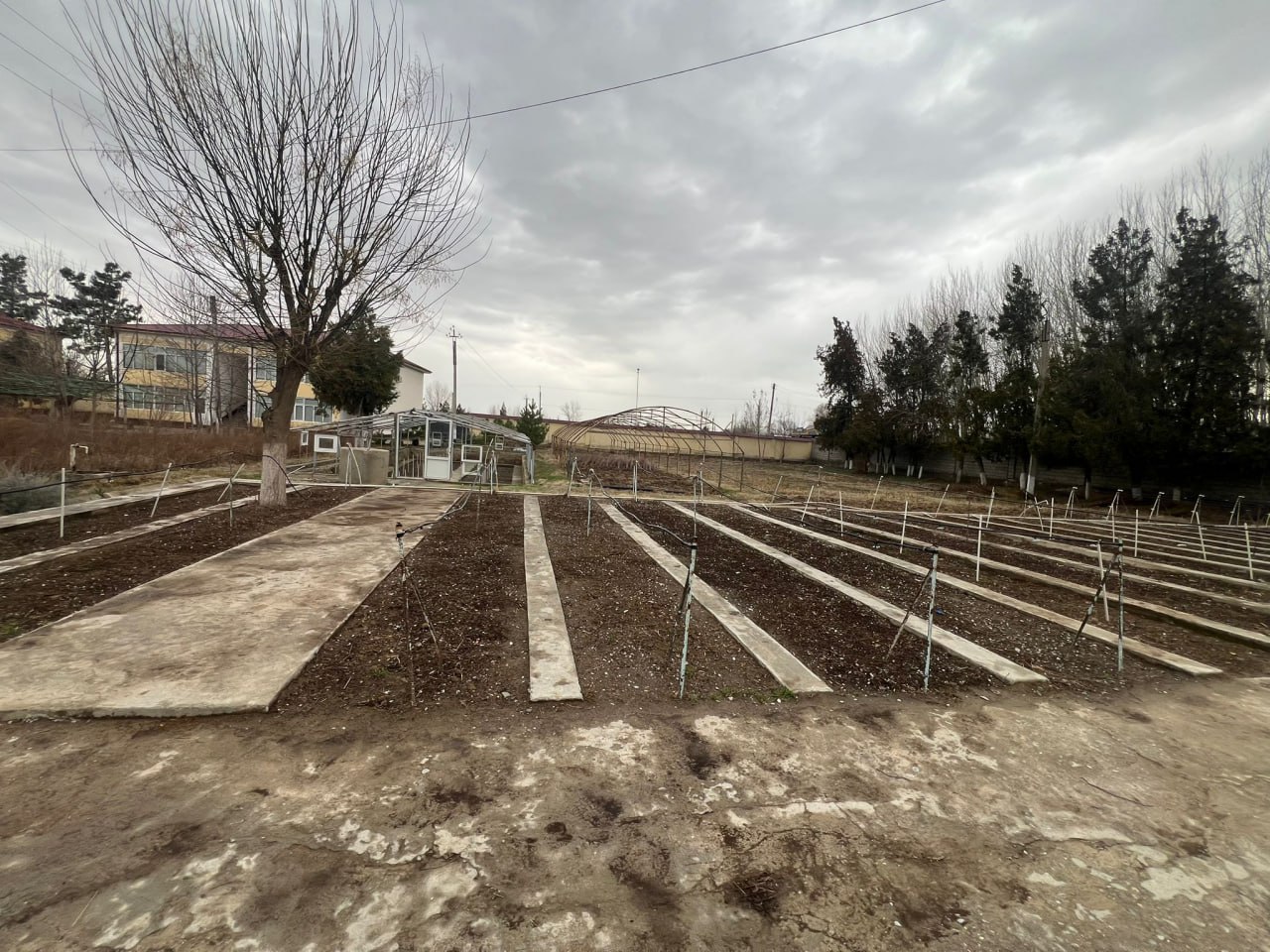
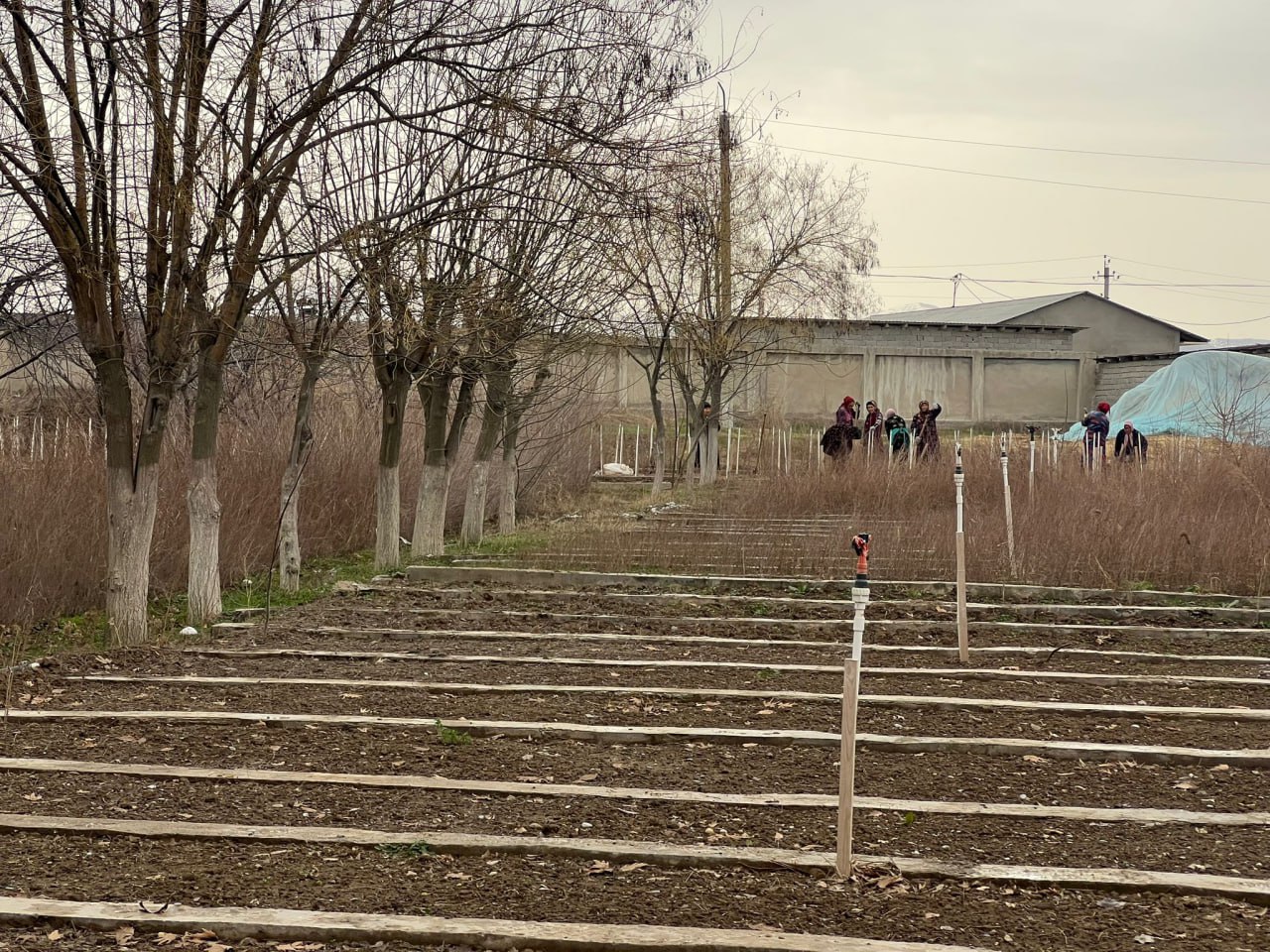
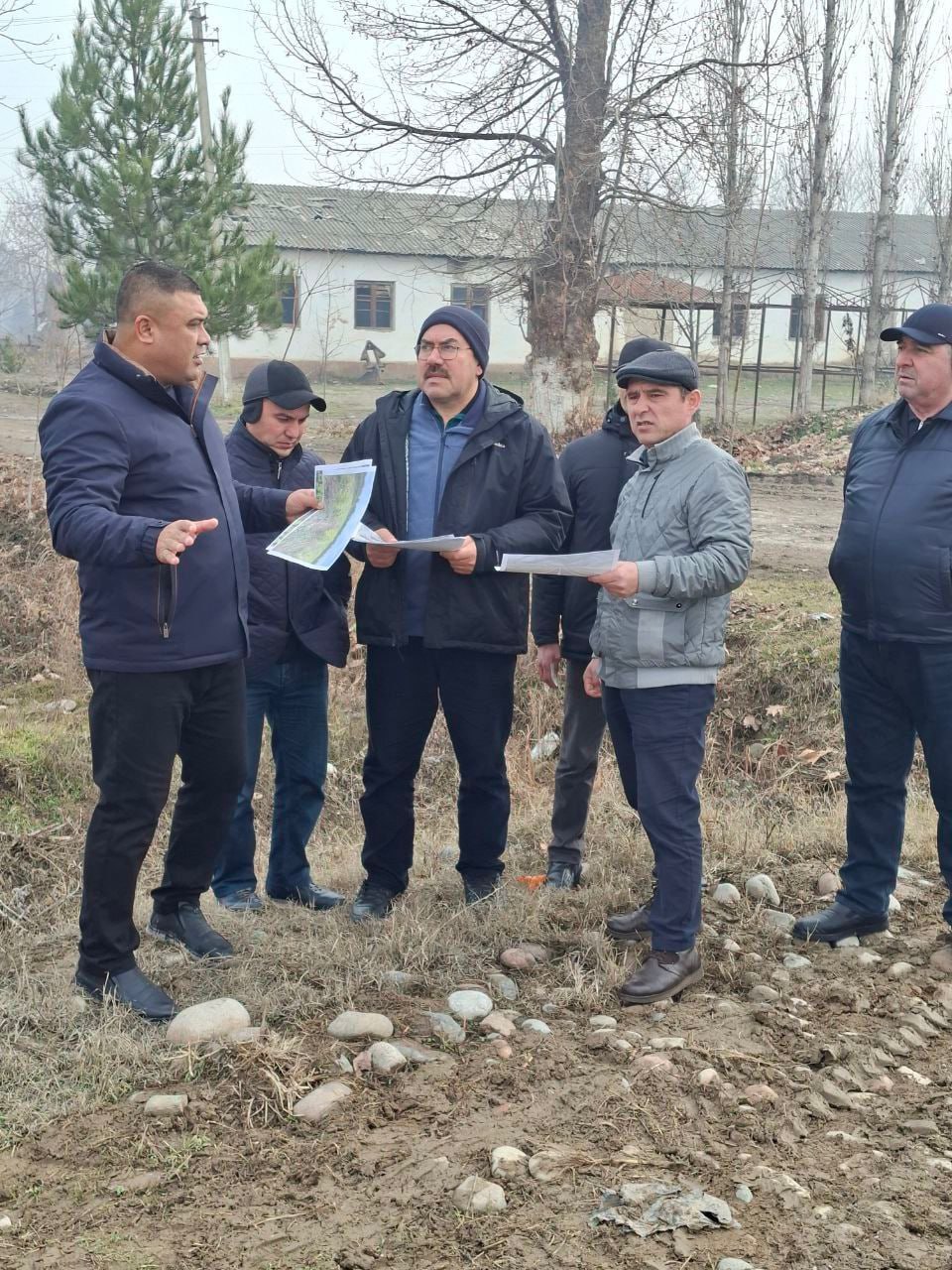
In early 2026, Belen conducted extensive on-site technical assessments across the project territory, including sites in Samarkand, Qashqadaryo, Surxondaryo, Jizzakh, and Namangan. His field evaluations have identified unique strategic opportunities:
- Model Innovation: At the Pastdargʻom site in Samarkand, Belen identified the vacant land as a "major planning advantage," allowing for the design of a "new-generation, purpose-built nursery" from scratch, free from the constraints of legacy infrastructure.
- Scale and Scope: In regions like Sho’rtan and Uzun, his plans oversee the development of medium-to-large-scale facilities (approximately 9.6 hectares each) designed to function as "centers of excellence" in seedling production and community training.
Pivotal Contribution to Uzbekistan's Forestry Future
Belen’s contribution extends beyond technical design; he has actively shaped the legislative and diplomatic landscape of Uzbek forestry. His recent work includes a comprehensive review of the Draft Forestry Code and advising the nation on its candidacy for the UNFF Bureau.
By integrating nature-based solutions with circular economy principles—such as recycling greywater and composting organic waste—Belen is ensuring that these nurseries are not just seedling farms but "living laboratories of sustainable practice". His efforts are directly addressing the critical bottleneck of high-quality planting material, essential for reaching the project’s target of 253,620 hectares under sustainable landscape management.
As Uzbekistan moves toward its goal of land degradation neutrality, the frameworks and nurseries established under İsmail Belen’s guidance are set to provide a resilient foundation for the country's ecological and socio-economic transformation for decades to come.
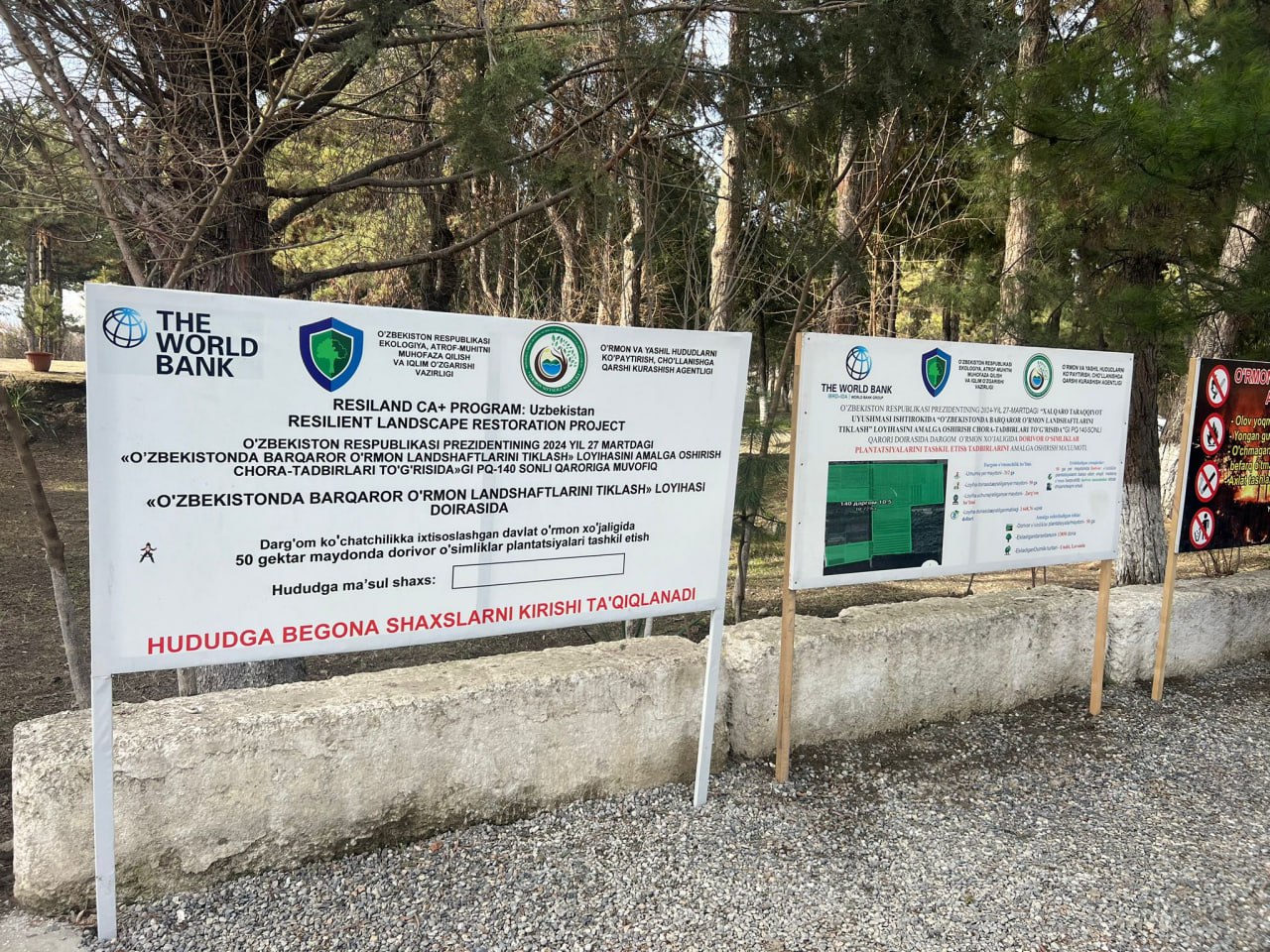
About RESILAND Uzbekistan: The Uzbekistan Resilient Landscape Restoration Project aims to increase sustainable landscape management and promote transboundary collaboration on restoration across Central Asia.
----------------------------------------------
The Uzbekistan Resilient Landscape Restoration Project (RESILAND Uzbekistan) is part of the World Bank’s RESILAND CA+ program, aimed at strengthening landscape resilience across Central Asian countries. Similar national and regional activities are also being implemented in Kyrgyzstan and Uzbekistan.
RESILAND Uzbekistan is implemented by the Agency for Afforestation, Expansion of Green Areas, and Combating Desertification under the Ministry of Ecology, Environmental Protection, and Climate Change of the Republic of Uzbekistan, with financial support from the World Bank, PROGREEN, and KWPF.
The Regional Environmental Centre for Central Asia (CAREC) implements the regional component of the Uzbekistan Resilient Landscape Restoration Project.
Contact information:
Asferachew Abate – Senior Environmental Specialist at The World Bank
Dildora Aralova – Environmental safety specialist, the Agency for Afforestation, Expansion of Green Areas, and Combating Desertification under the Ministry of Ecology, Environmental Protection, and Climate Change of the Republic of Uzbekistan
Azamat Kauazov – Deputy Team Leader of Uzbekistan Resilient Landscape Restoration project: regional component, CAREC