
The Regional Environmental Center for Central Asia (CAREC) held a regional training for water management specialists from Central Asian countries in Bishkek, Kyrgyzstan, on 7-8 October 2025.
The two-day training was organized as part of the project "Climate-Responsive and Gender-Sensitive Basin Management".
This initiative is a component of the Regional Program "Climate Sensitive Water Resources Management in Central Asia," implemented by the German Society for International Cooperation (GIZ) on behalf of the Federal Ministry for Economic Cooperation and Development of Germany (BMZ) and co-financed by the Swiss Agency for Development and Cooperation (SDC).
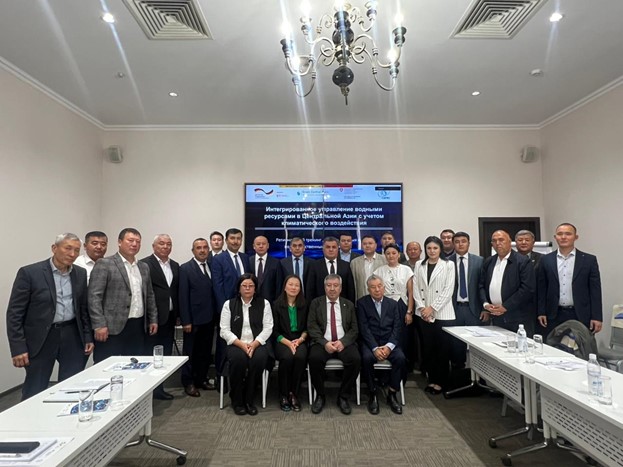
Opening the event, CAREC Executive Director Dr. Batyr Mamedov noted that training at the regional level will provide a unique platform for sharing experiences, strengthening cooperation, and developing professional ties between water management organizations in the region.
The training brought together representatives of water management organizations from countries in the region, representatives of the Aral-Syr Darya and Shu-Talas basin inspectorates of Kazakhstan, the Main Water Management Departments and Basin Water Resources Departments, the Water Users Association, and the Water Resources Service under the Ministry of Water Resources, Agriculture, and Processing Industry of Kyrgyzstan. Tajikistan was represented by employees of the Basin water resource administrations, and Uzbekistan was represented by specialists from the Basin Irrigation System Administrations, the State Water Resources Accounting and Cadastre Department of the Committee for Water Resources Regulation, Protection and Use, and the Water-Saving Technologies Implementation Department of the Ministry of Water Resources.
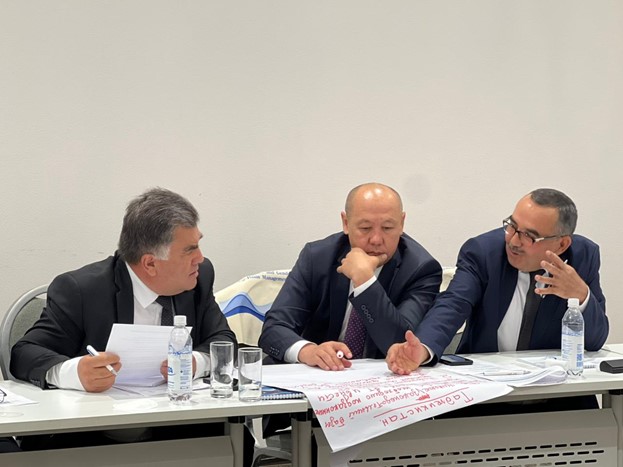
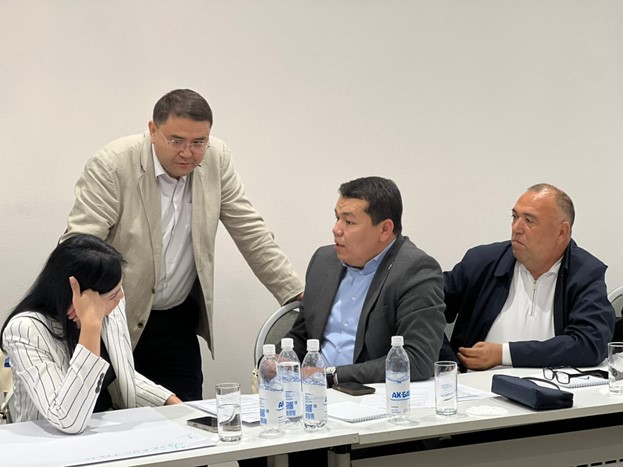
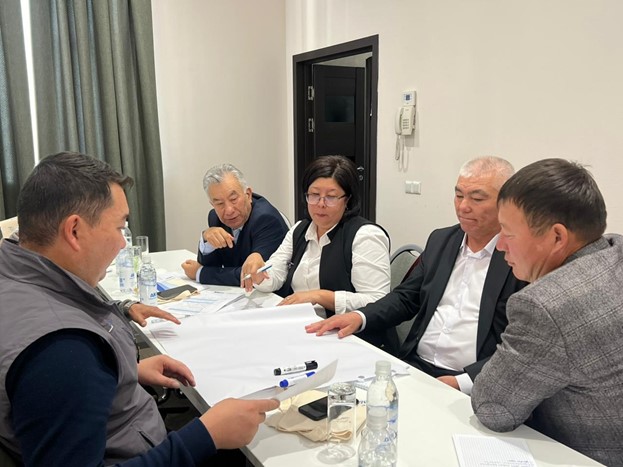
During the training, participants discussed key issues related to water resources planning and management, basin planning, inclusive approaches to management, as well as water quality and river basin ecosystem management.
The aim of the training was to improve the skills of water sector specialists for the further practical application of integrated water resources management (IWRM) principles.
On the second day, participants took part in a field trip to hydrological stations No. 9, 10, and 11 of the Kegeta irrigation system of the Chu District Water Management Administration. Participants were shown an automated irrigation water accounting and distribution system being implemented in the Kyrgyz Republic.
The system includes autonomous contactless level sensors that transmit data via the Internet, protective devices, and specialized software for centralized monitoring and analysis of water supply.
One of the system's designers, Alexey Shablovsky, an automation expert at the Kyrgyz Scientific Research Institute of Irrigation (KSRII), took part in the trip, along with representatives of the operating services: Sagybek Cholzhiev, head of the water use department of the Chu District Water Management Administration (DWMA) and Omorov Toktobek, a hydrometer engineer at the Chu DWMA.
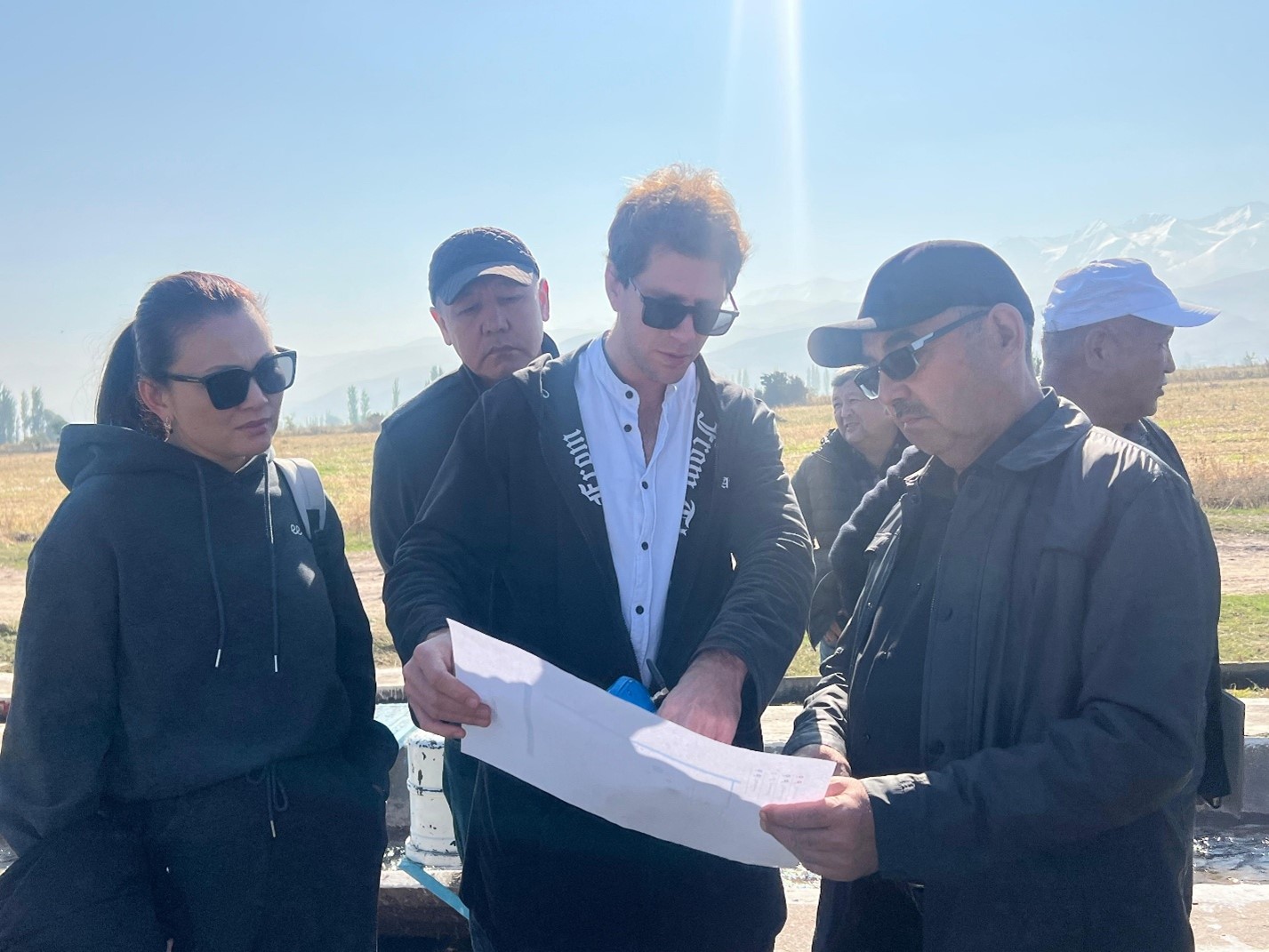
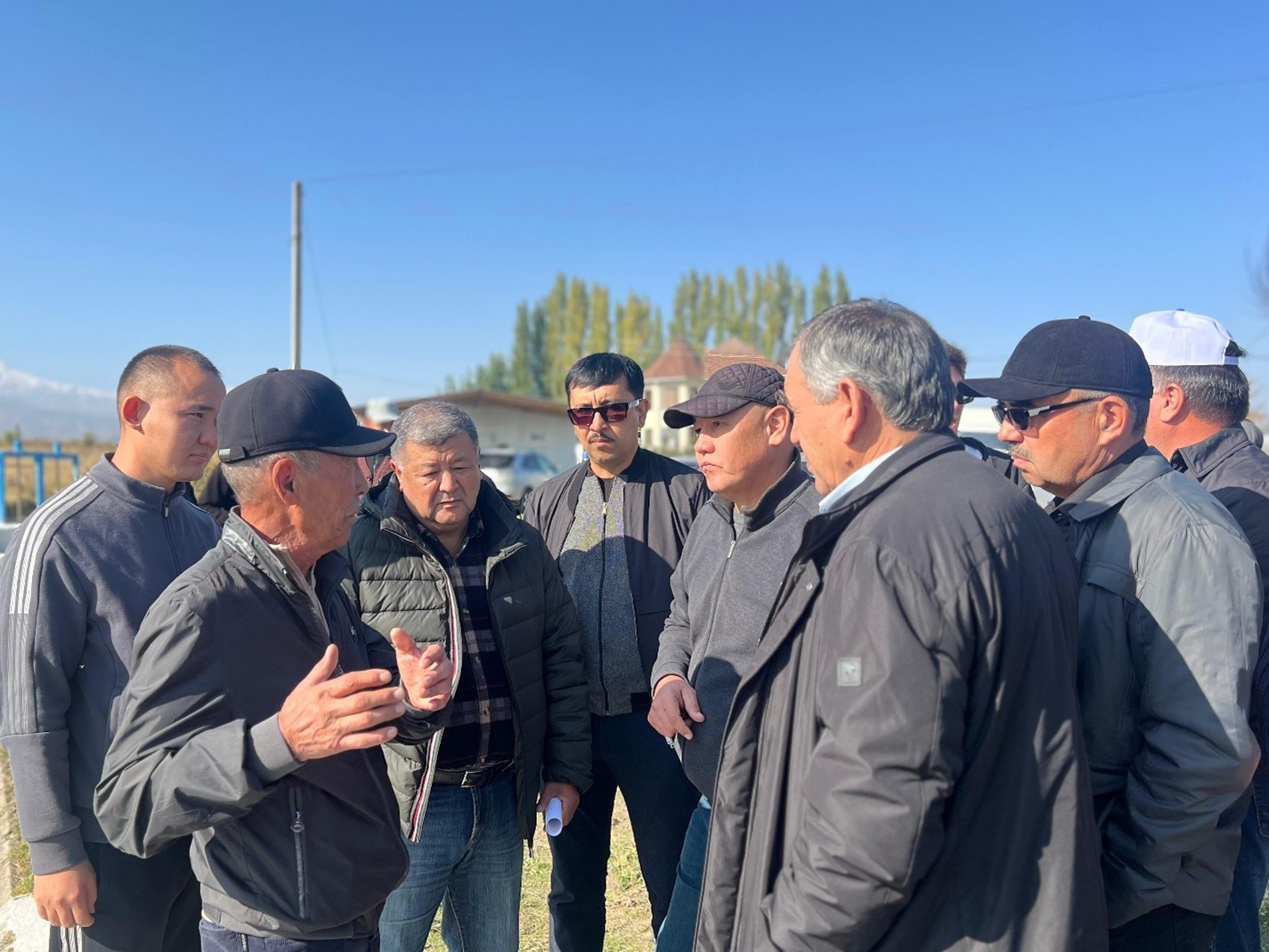
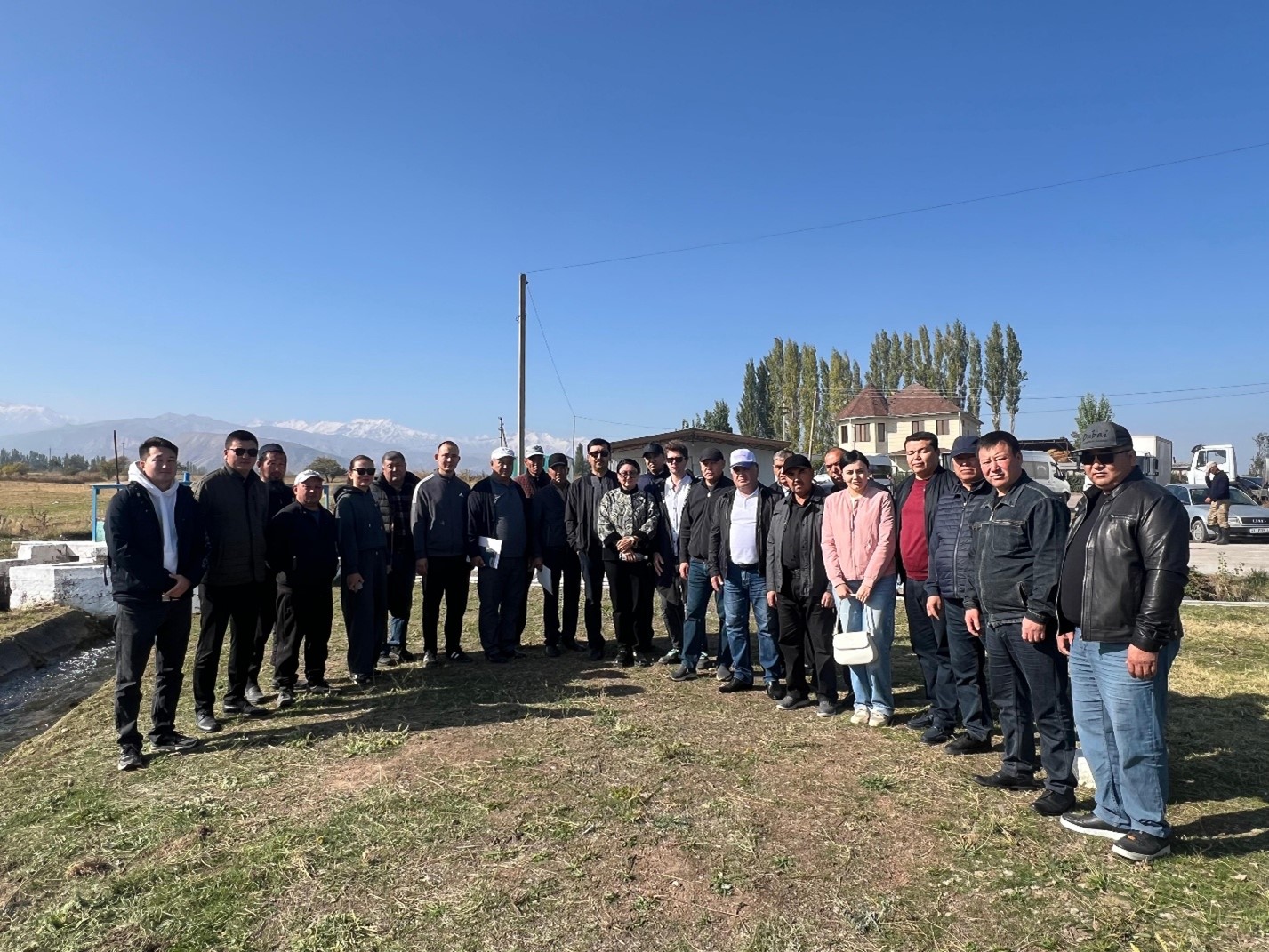
The field trip program included an introductory discussion of automation tasks, a demonstration of the technologies used — including remote inspection of the irrigation network using drones — as well as practical familiarization with the installed level sensors and protective devices.
"Such trips are of great practical value, as they promote professional dialogue and the dissemination of best practices in the region. These meetings also provide an opportunity to discuss the real-life features of operation and receive feedback from local specialists," said Alexey Shablovsky, automation expert at KSRII.
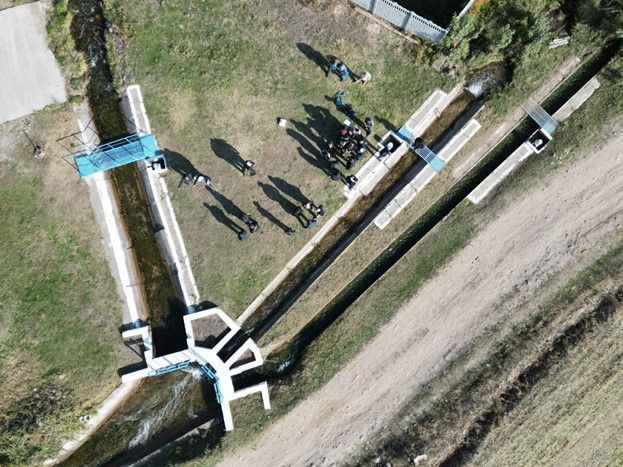
Participants actively asked questions about routine maintenance, scheduled work, the advantages of implementing automated water metering, and its impact on daily work processes. Special attention was paid to economic aspects—cost, payback, and the potential effectiveness of the solutions being implemented.
Participants also noted the high practical value of the training.
"The training was very useful, structured, and well organized. We learned about new technologies and saw firsthand how automation is happening in the Kyrgyz Republic. The knowledge we gained will be useful in our future work. Many thanks to CAREC and GIZ," shared Sarvinosa Norimatova, Chief Specialist at the Ministry of Water Resources of the Republic of Uzbekistan.
The series of regional training sessions conducted by CAREC will continue in the coming months. The next event is scheduled for November 2025 in Dushanbe (Tajikistan).
For more information on the project please contact:
From 2024 to 2026, CAREC is implementing the project “Climate-Responsive and Gender-Sensitive Basin Management”. The Project is part of the Regional Program "Climate Sensitive Water Resources Management in Central Asia," implemented by the German Society for International Cooperation (GIZ) on behalf of the German Federal Ministry for Economic Cooperation and Development (BMZ) and co-financed by the Swiss Agency for Development and Cooperation (SDC).
The project's goal is to strengthen regional cooperation among countries in the region by providing informational and theoretical support to stakeholders in the implementation of Integrated Water Resources Management (IWRM). As part of the project, 24 gender-sensitive trainings will be conducted at national, transboundary, and regional levels.
Contact information:
Irina Yugay - Project Manager, Water Initiatives Support Program, CAREC, wisspecialist@carececo.org