
Central Asia has moved to the stage of coordinated deployment of multisectoral programs in the field of epidemiological safety. Shared hydrological basins, extensive borders, and transboundary migratory routes of wild birds make the countries of the region interdependent in the face of zoonotic outbreaks and the spread of antimicrobial resistance. At the platform of the Second Regional Conference of the "One Health" Program in Bishkek, national coordinators of the five states summarized interim reform outcomes and outlined priorities for further partnership.
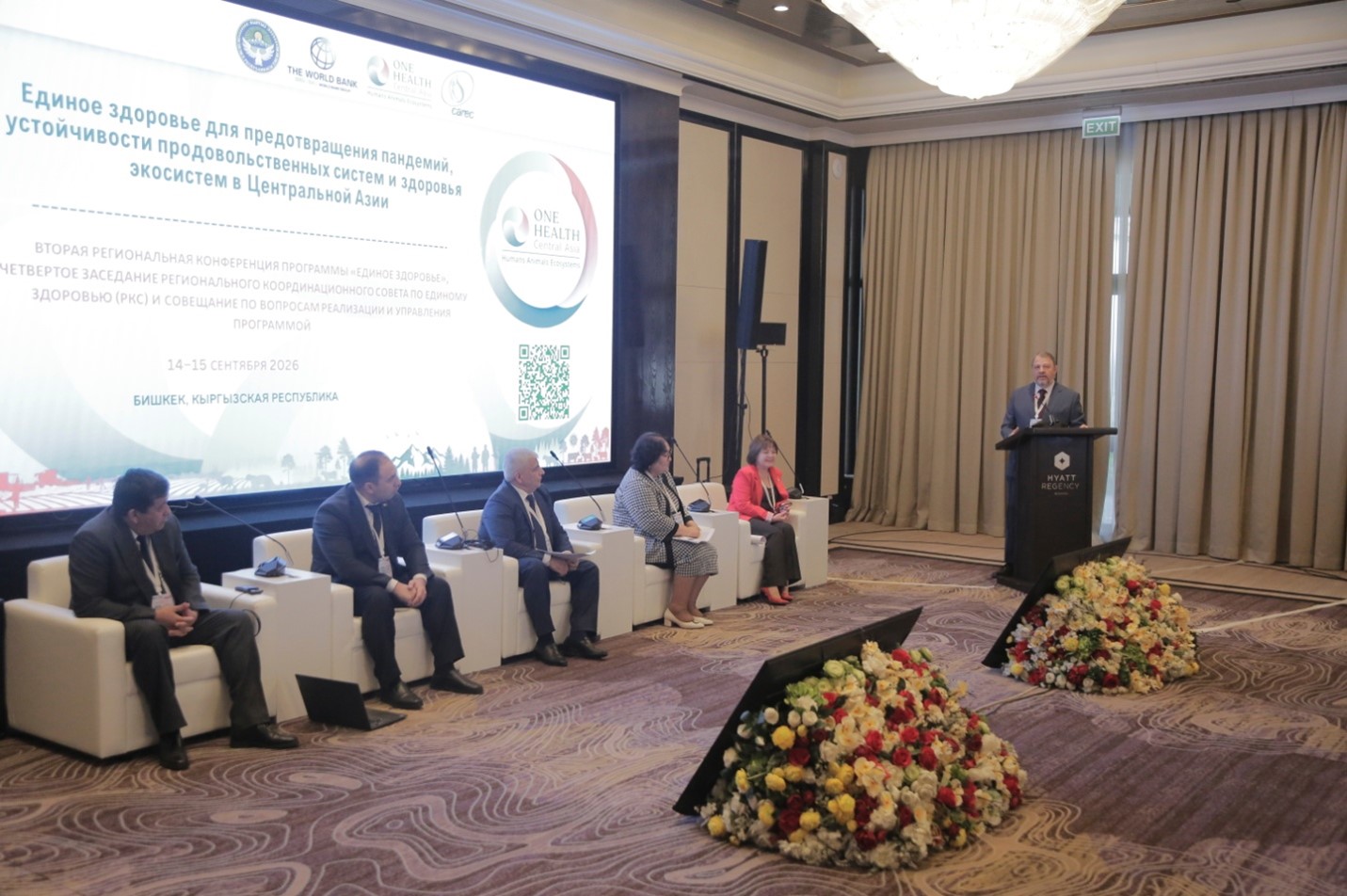
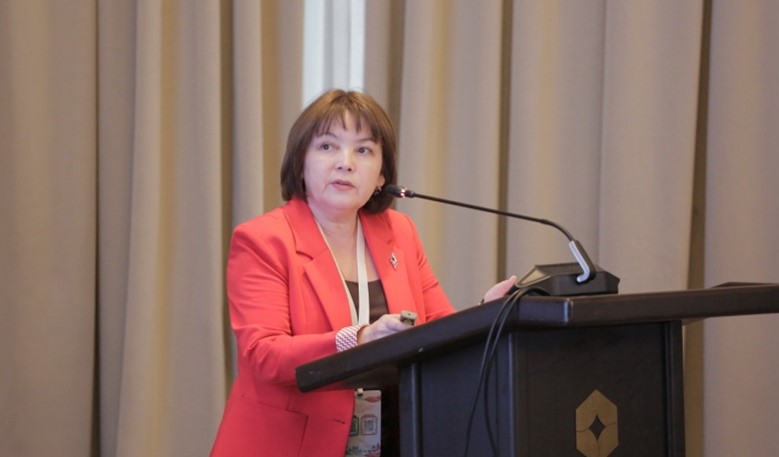
The discussion was moderated by Vladimir Grebnev, Environmental and Climate Change Specialist at the Regional "One Health" Secretariat of the Regional Environmental Centre for Central Asia (CAREC). Opening the meeting, he emphasized that climate challenges and the anthropogenic transformation of the region's ecosystems require overcoming departmental fragmentation and establishing direct cooperation among human health, veterinary, and environmental protection authorities.
Kazakhstan: Regulatory Foundation and Digital Traceability of Risks
The Deputy Chairperson of the Board of the National Centre for Public Health of the Ministry of Health, National Coordinator, Kazakhstan, reported on translating the concept into national legislation:
"In March 2026, the Government Decree approved the Concept for the Development of Healthcare of the Republic of Kazakhstan, where the 'One Health' approach became an official state policy under the resilience and security priority. Together with the Ministry of Agriculture, we have already approved the list of priority infections under the IHR—from brucellosis, anthrax, and CCHF to foodborne infections. Currently, the key priority is the establishment of the State Biological Safety Information System; prototype modules for strain and pathogen tracking are already complete, and a pilot surveillance program for antimicrobial resistance has been launched across four regions."
According to her, the country is concurrently strengthening its laboratory base: the construction of a modular laboratory in the Turkistan region and the modernization of reference centers of the NCPH have commenced.
Kyrgyzstan: Investment Launch and Laboratory Integration
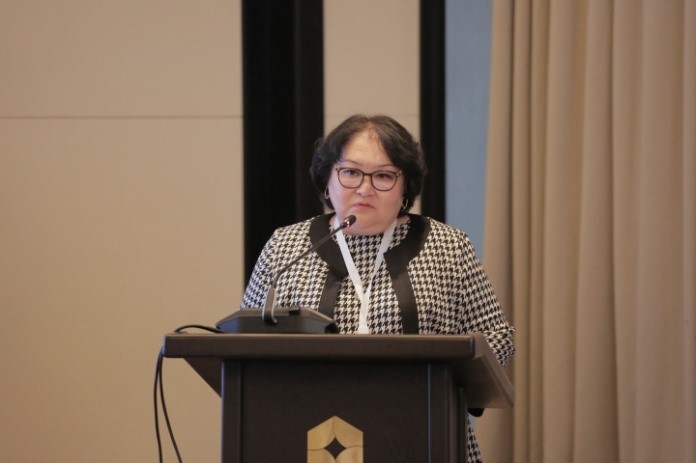 The Kyrgyz Republic has entered the practical phase of the program following the official ratification of the financing agreements. Gulbara Ishenapysova, Deputy Minister of Health and Chief State Sanitary Doctor of the Kyrgyz Republic, characterized the current stage as a major step toward strengthening national security:
"The adoption of the law ratifying the agreements for Phase 1 of the 'One Health' Program, with total funding of 31.79 million dollars, provides us with unprecedented opportunities. Approximately 10.4 million dollars is directed specifically to the healthcare sector for laboratory re-equipment and human capacity development. Two national laboratories have already confirmed compliance with the ISO 15189 standard, and accreditation of the proficiency testing provider for antimicrobial resistance under ISO 17043 is underway. Most importantly, we are bridging the gap between human and animal health: the implementation of the veterinary laboratory information management system (LIMS) is designed for seamless data exchange with medical institutions."
The speaker added that the veterinary component plans to construct two and renovate six district laboratories, as well as deploy two mobile diagnostic units in the north and south of the country over the coming year.
Tajikistan: Cross-Border Control and Interagency Vertical Structure
Said Davlotzoda, Head of the Department of Sanitary and Epidemiological Safety, Emergency Situations and Emergency Medical Care of the Ministry of Health and Social Protection of the Population, National Coordinator, Republic of Tajikistan, focused on the significance of the cross-border dimension and project financing:
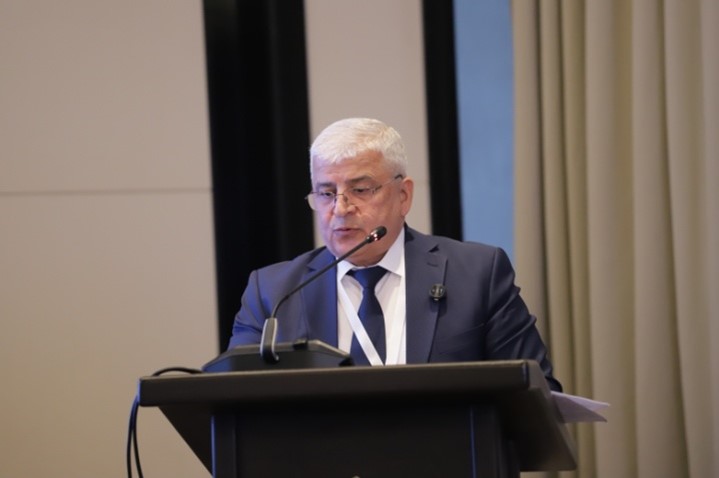
"For Tajikistan, with 1,340 kilometers of border with Afghanistan and thirty-four border crossing points, transboundary surveillance is an absolute operational necessity. The country has established tight coordination under the leadership of the sectoral Deputy Prime Minister. Under the World Bank's 30 million dollar portfolio and Pandemic Fund projects, we have already transferred 22 specialized vehicles to sanitary services and border checkpoints. We have identified 21 priority diseases for laboratory monitoring, approved the National Roadmap on Antimicrobial Resistance through 2030, transitioned six bacteriological laboratories to EUCAST standards, and established regular data transmission to the international CAESAR network."
He emphasized that Tajikistan became only the third country in the entire WHO European Region to voluntarily undergo a second Joint External Evaluation (JEE) of International Health Regulations implementation, demonstrating its commitment to transparency.
Turkmenistan: Technical Re-Equipment and Ecosystem Surveillance
Allanazar Kadjarov, Lead Specialist of the Department of State Ecological Expertise, Licensing, Ecological Certification and Permitting of the Environmental Protection Department of the Ministry of Environmental Protection, National Coordinator, Turkmenistan, reported on the role of environmental agencies and infrastructure modernization:
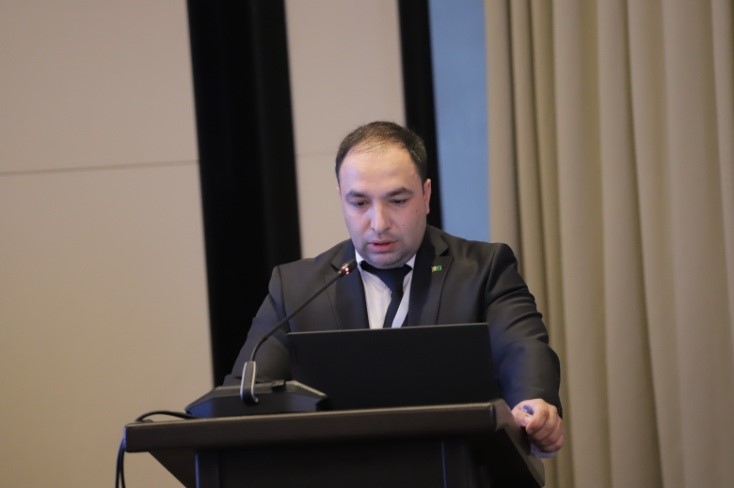
"We view interagency dialogue as a functional mechanism: the Interagency Coordination Committee has already held five meetings, and more than 1,200 specialists have been trained. A robust laboratory base is being established: 40 refrigerators, 20 deep freezers, ELISA systems, and incubators have been delivered to the regions, Ashgabat, and Arkadag, with 50 microscopes and 30 autoclaves currently in transit. Furthermore, veterinary and sanitary measures are inextricably linked to the environment: under the National Forest Program through 2030, which has entered into force, we maintain continuous surveillance across protected natural areas and mass congregation zones of migratory birds to prevent the introduction of highly pathogenic avian influenza."
The speaker noted that key targets before the end of 2026 include launching the WHONET digital tool across all velayats and transitioning to ISO 15189 standards and the new WHO Laboratory Biosafety Manual (LBM4).
Uzbekistan: Focus on Simulation Exercises and the All-Hazards Approach
Rustamjon Ikramov, Head of the Department of Epidemiology and Prevention of Infectious Diseases of the Committee for Sanitary and Epidemiological Welfare and Public Health, National Coordinator, Uzbekistan, presented the results of introducing the integrated response system:
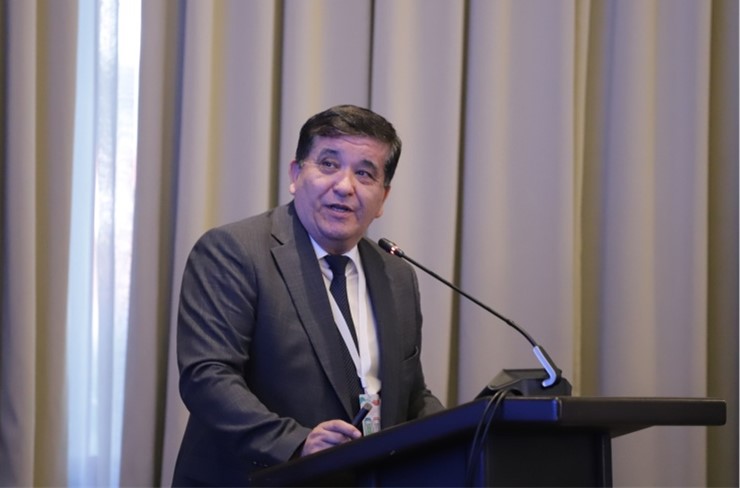
"Biological threats do not occur in isolation; therefore, we unite the 'One Health' and 'All-Hazards' frameworks. We assessed potential risks using the STAR tool and built a national pool of 28 certified trainers in simulation exercise management following WHO standards. These trainers are currently delivering a cascade training program: by the end of autumn, over three hundred epidemiologists across all regions of Uzbekistan will undergo practical training on simulated crisis scenarios. This shifts preparedness from paper plans into active operational skill."
The coordinators' presentations showed that the region has established a shared agenda. Despite variations in baseline conditions and resource allocation mechanisms, all five states are aligned toward common 2026–2027 milestones: synchronizing cross-border data exchange, addressing primary-level workforce gaps, and integrating climate risks into epidemiological safety protocols. The Regional "One Health" Secretariat hosted by CAREC will continue to provide technical coordination for these processes.
Shoira Toirova
PR Specialist of the "One Health" Program