
Kunming, China — The Kunming Dialogue (September 7–9, 2026) was held in Kunming—an informal technical event dedicated to preparations for the first global review of collective progress in implementing the Kunming-Montreal Global Biodiversity Framework.
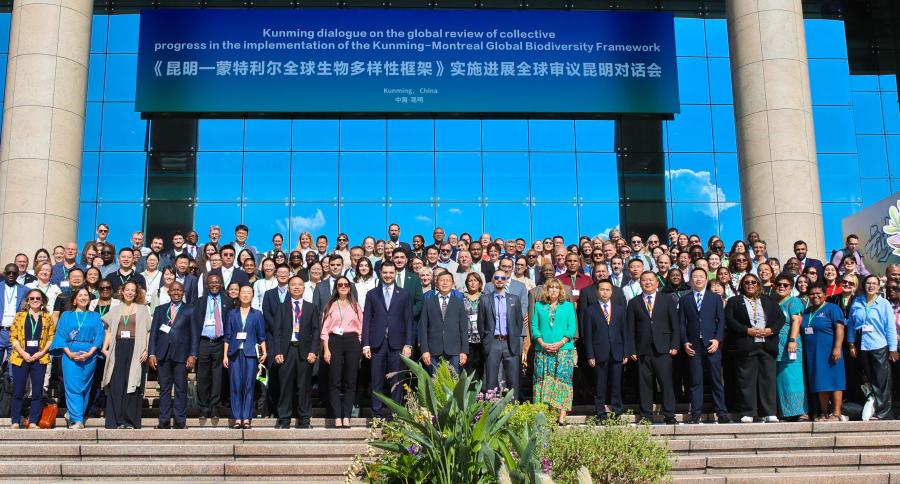
Photo: IISD
Key Objectives and Format of the Meeting
The main objective of the Dialogue was to establish a common understanding of the achievements and gaps in the implementation of the Global Framework adopted in 2022 (which contains 4 global goals for 2050 and 23 targets for 2030). The Dialogue aims to develop approaches to accelerate practical action in the lead-up to the 17th Conference of the Parties to the CBD (COP 17), which will take place in Yerevan in October 2026.
The event was attended by representatives of the governments of the Convention’s Parties, indigenous peoples and local communities, women’s and youth organizations, the scientific community, the private and financial sectors, intergovernmental organizations, as well as independent experts.
Discussions focused on five main thematic areas:
- Scope and coverage of national targets.
- Action and implementation.
- Means of implementation (financing, technology, capacity).
- Whole-of-government and whole-of-society approaches.
- Data and knowledge
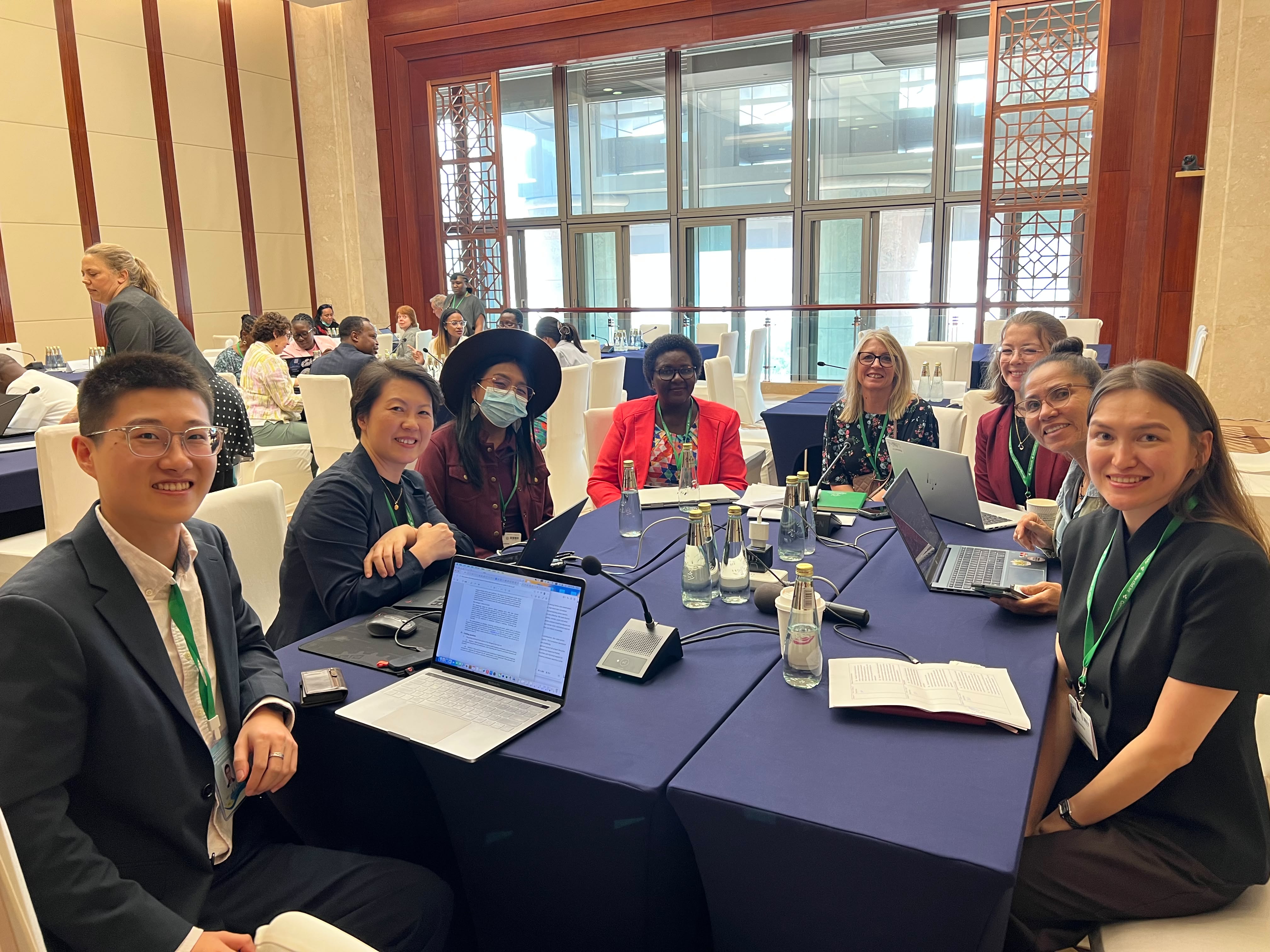
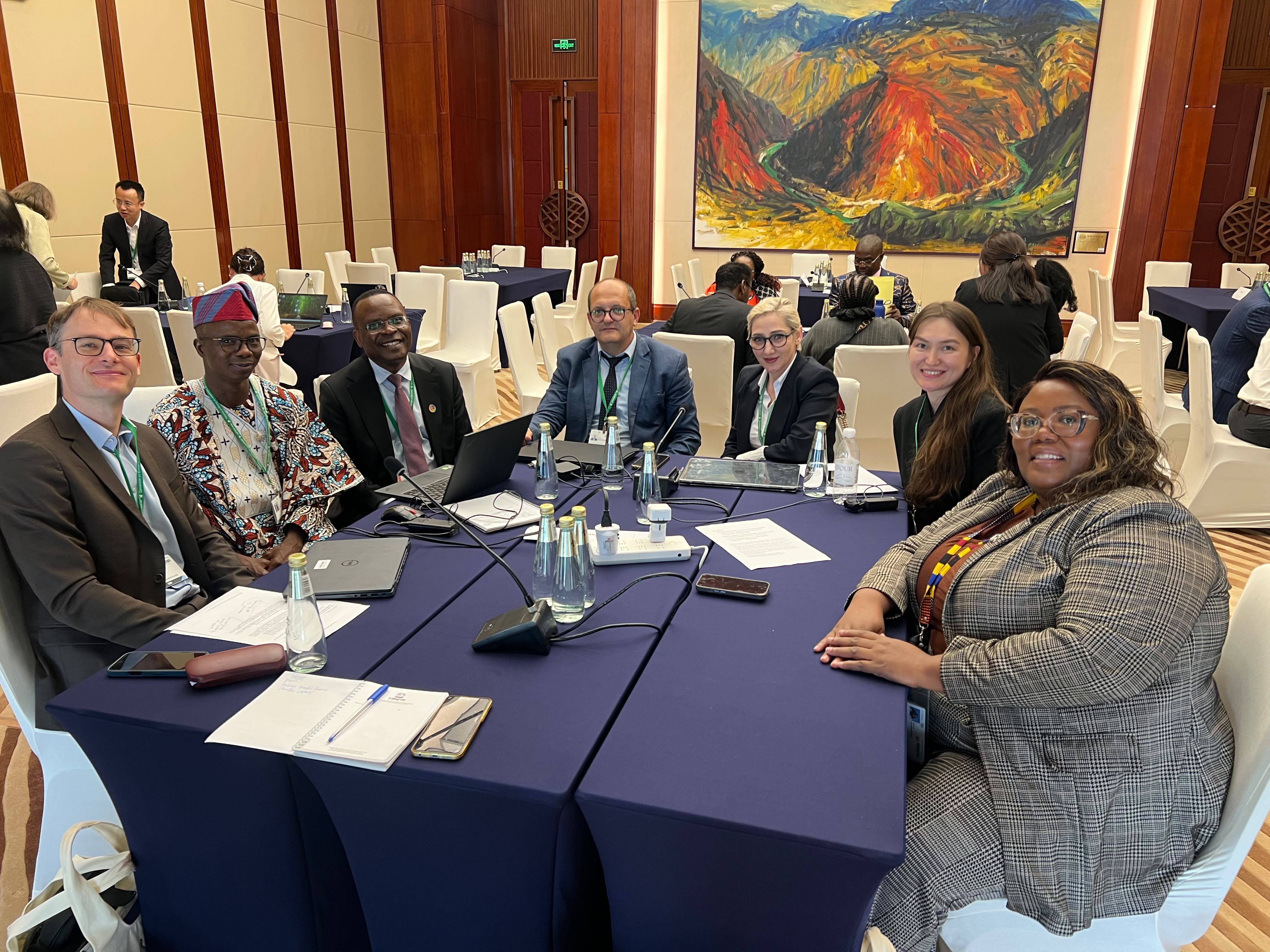
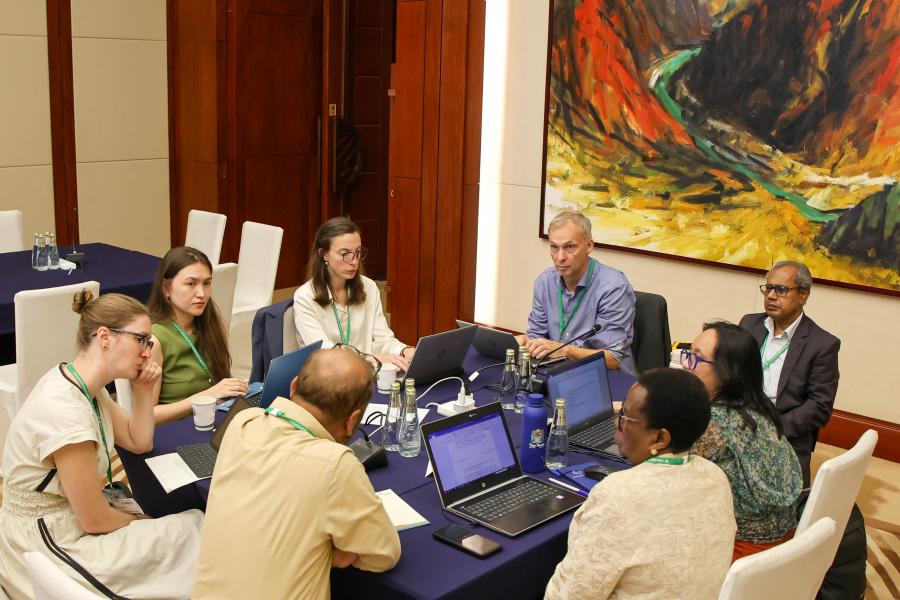
The informal meeting format, conducted in accordance with Chatham House Rule, allowed participants to freely exchange views and share practical experiences. The discussions focused particularly on the accessibility, quality, and comparability of the data needed for biodiversity monitoring and the preparation of national reports. This topic is of particular importance for Central Asian countries, given the need to strengthen regional information exchange and develop joint approaches to data collection and reporting.
“Central Asia already has experience in developing regional information solutions, in particular the Central Asian Climate Information Platform (CACIP), which integrates data from various sources and provides capabilities for their analysis and visualization. This experience can serve as the foundation for further developing a regional approach to biodiversity data management.
In the long term, the creation of an interconnected regional information solution could ensure a more systematic exchange of data among Central Asian countries, improve its accessibility and comparability, and support evidence-based decision-making in the field of biodiversity conservation. Such an approach could also help improve the efficiency of preparing national reports under this and other conventions,” noted Aizhan Kossantayeva, a project specialist at CAREC.
The Role of Regional Centers: CAREC’s Participation
The dialogue placed particular emphasis on the work of regional and subregional Technical and Scientific Cooperation Support Centres (TSCSCs) representing different regions of the world, including the Regional Environmental Centre for Central Asia (CAREC), which serves as a TSCSC for the Central Asian region.
Representatives of the centres participated in the main working sessions addressing five thematic areas, as well as in a dedicated networking session for TSCSCs. The session provided an opportunity for delegates to exchange practical experiences and lessons learned in supporting countries across their respective regions, present their work plans in light of the key findings of the Global Biodiversity Outlook, and discuss challenges and opportunities for strengthening subregional cooperation and accelerating the implementation of national biodiversity-related targets on the ground.
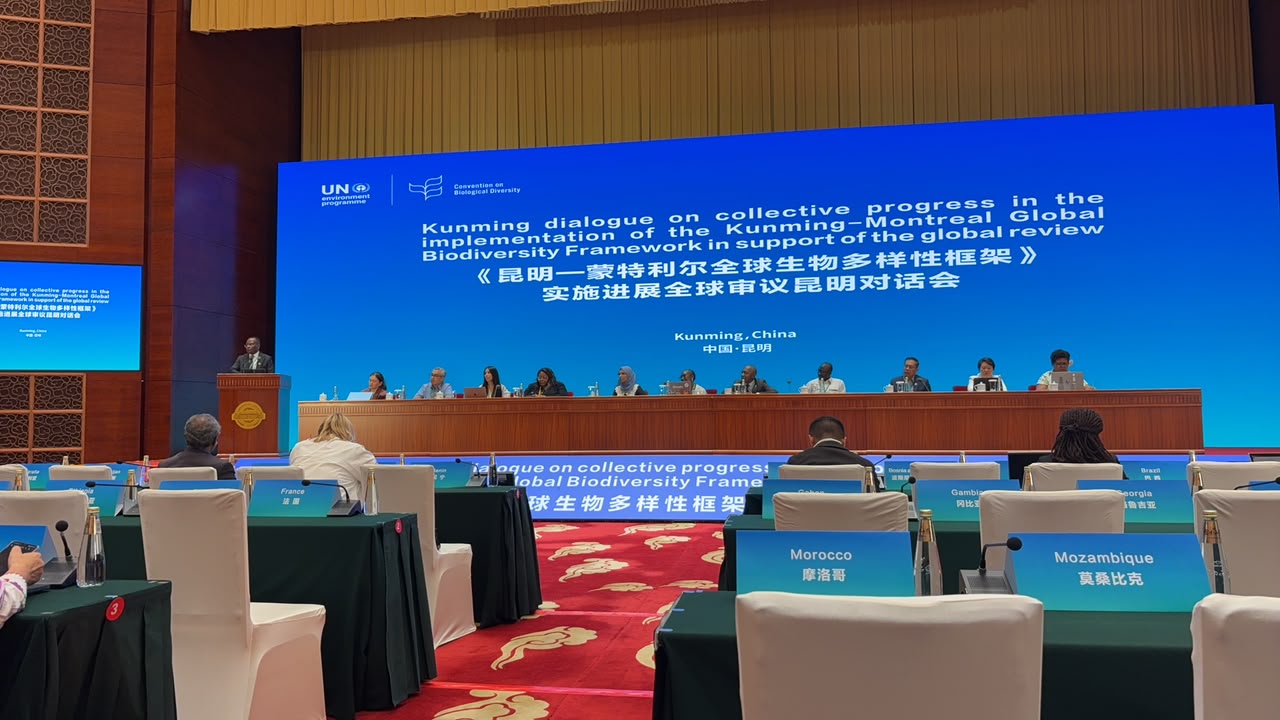
Regional support centres, including CAREC in Central Asia, are expected to play a key role in technology transfer, scientific capacity-building, and knowledge exchange among countries. Their work is intended to facilitate the application of scientific and technological solutions, strengthen national capacities, and support the practical implementation of the goals and targets of the Kunming-Montreal Global Biodiversity Framework.
At the closing plenary session, the Co-Chairs presented a summary of the meeting, highlighting the significant potential of the Technical and Scientific Cooperation Support Centres to help address existing gaps in countries’ capacities, as well as in the technical knowledge and expertise required to achieve the objectives of the Global Biodiversity Framework. However, to fully realize this potential, adequate resources and access to relevant technical and expert support need to be ensured across all areas covered by the Framework.
It was emphasized that numerous positive examples of initiatives and partnerships are already contributing to the achievement of these objectives. In this regard, priority should be given to strengthening the coherence, coordination, and effectiveness of existing initiatives, while ensuring their alignment with the goals of the Global Biodiversity Framework and the national needs and priorities of countries.
The outcomes of the Kunming Dialogue will be reflected in a summary and final report prepared by the Co-Chairs and presented to the Parties at the seventeenth meeting of the Conference of the Parties (COP 17), to be held in Yerevan.


For reference:
The Kunming-Montreal Global Biodiversity Framework (KMGBF) was adopted in December 2022 at the fifteenth meeting of the Conference of the Parties to the Convention on Biological Diversity (COP 15). The Framework sets out global goals and targets for the conservation and sustainable use of biodiversity, ecosystem restoration, and the provision of the necessary means of implementation through 2030 and beyond, towards 2050. It includes four long-term goals for 2050 and 23 global targets for 2030, including the conservation and effective management of at least 30% of terrestrial and inland water areas, as well as coastal and marine areas, by 2030. The Framework is implemented at the national level, including through the development and updating of National Biodiversity Strategies and Action Plans (NBSAPs).
Central Asia is home to significant biodiversity and a wide range of ecosystems, including mountain, steppe, desert, and aquatic ecosystems. At the same time, the region faces a number of pressures on natural ecosystems, including climate change, land degradation, water scarcity and changing water availability, habitat fragmentation, pollution, and unsustainable use of natural resources.
Kazakhstan, Kyrgyzstan, Tajikistan, Turkmenistan, and Uzbekistan are Parties to the Convention on Biological Diversity and are involved in implementing the Kunming-Montreal Global Biodiversity Framework. In accordance with relevant CBD decisions, the countries are developing or updating their National Biodiversity Strategies and Action Plans (NBSAPs), identifying national priorities and measures to contribute to the achievement of the Framework’s global goals and targets.
For more information:
Ludmila Kiktenko — Programme Manager, Environmental Management Program, CAREC, lkiktenko@carececo.org