

The "One Health" concept unites the efforts of medical professionals, veterinarians, ecologists, and other specialists to prevent global threats. We spoke with Burul Zakeeva, Head of the Virology and Molecular Diagnostics Department at the Center for Veterinary Diagnostics and Expertise in Bishkek, about how this collaboration is practically structured at the level of laboratory diagnostics in Kyrgyzstan.
The Pandemic Effect and the Trinity of Veterinary Medicine, Human Medicine, and Wildlife
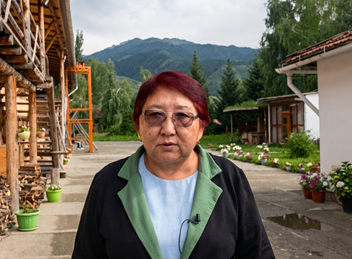
— In your opinion, what is the key role of modern laboratories in implementing this approach, especially when it comes to zoonotic infections?
— The role of laboratory diagnostics here is, without exaggeration, critical. Zoonotic diseases circulate between animals and humans, and during outbreaks or pandemics, we need a single, coordinated approach. Medical, veterinary, and environmental agencies cannot work in isolation.
The COVID-19 pandemic taught us a harsh but important lesson. Today, we have come to understand that when positive cases are detected or there is a threat of an outbreak, specialists from different fields must rapidly exchange data and conduct joint field deployments to infection hotspots. Only when we go out together, coordinate actions on the ground, and each clearly perform our part of the work, can we promptly contain the threat.
— Recently, entities responsible for wildlife are increasingly being included in this chain. Why is this so crucial for Kyrgyzstan?
— Kyrgyzstan is a mountainous country. Due to the specifics of our animal husbandry, livestock is constantly kept on high-altitude pastures, where they come into direct contact with wild fauna. And wild animals carry a vast number of dangerous diseases. Therefore, it is vital for us to constantly study wildlife.
Previously, each ministry had its own separate response team. Now, our goal is to establish a joint interagency emergency response team. This will allow us to deploy to sites simultaneously, comprehensively analyze the situation, and conduct parallel laboratory testing in a timely manner.
Technological Breakthrough and Staff Shortages
— How do you assess the current potential of veterinary laboratories in Kyrgyzstan? How technically prepared are they to integrate into the "One Health" framework?
— Compared to previous years, the technical equipment of our laboratories today is at a high level. In the past, our regions suffered from an acute lack of high-precision molecular diagnostics. Now the situation has changed: molecular diagnostics (PCR) have become accessible both within the Ministry of Health system and in veterinary medicine. Following the pandemic, all laboratories have stepped up their biosafety levels and are ready to respond quickly to biological threats. Technically, we are interconnected and ready for joint work.
— So, the equipment situation has improved. But how are things regarding human resources and staffing potential?
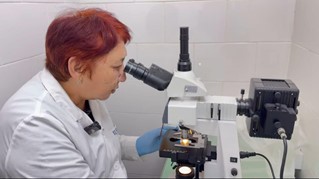
— Admittedly, the staffing situation is highly challenging. Veterinary laboratories are currently subject to a strict moratorium: until 2027, we are prohibited from expanding our staff or hiring new employees. At the same time, the workload on laboratory workers is growing colossally.
Not only is the epidemiological situation changing with familiar zoonoses like rabies, but new requirements are also being introduced, expanding the scope of our work. For example, bee diseases and fish diseases are now being added to our area of control. The tasks and research areas are growing, while the pool of specialists remains the same. Laboratory personnel are working to their limits. To move forward, we urgently need to increase our staffing numbers.
Regional Cooperation and Unique Experience
— Will sharing experience within Central Asia help improve the situation? Are there already examples of such transborder or interagency cooperation?
— Absolutely, regional exchange of experience is extremely important. Infections do not respect national borders, and we must constantly learn from one another.
We already have some highly interesting experience with joint interdisciplinary research. For example, during the pandemic, when COVID-19 cases were identified in households, veterinary specialists joined the efforts: door-to-door rounds were conducted, and we tested domestic pets—cats and dogs that had been in contact with infected people—for the coronavirus. This is "One Health" in action. We also continuously carry out joint analytical work on rabies and other dangerous pathogens. The closer our laboratory cooperation is—both within the country and at the Central Asian level—the safer our region will be.
Thank you for this valuable information and the interview.
This material was prepared by the Regional Environmental Centre for Central Asia (CAREC) as part of the regional program "One Health in Central Asia," aimed at strengthening the pandemic preparedness of the region's countries and preventing threats to human, animal, and environmental health. The program is implemented with the financial support of the World Bank, the Pandemic Fund, and the HEPR Program.
Shoira Toirova, PR Consultant for the "One Health" Program