

When it comes to highly pathogenic avian influenza (HPAI), the speed of virus detection and the coordinated response of different sectors often determine the scale of its consequences. For this reason,
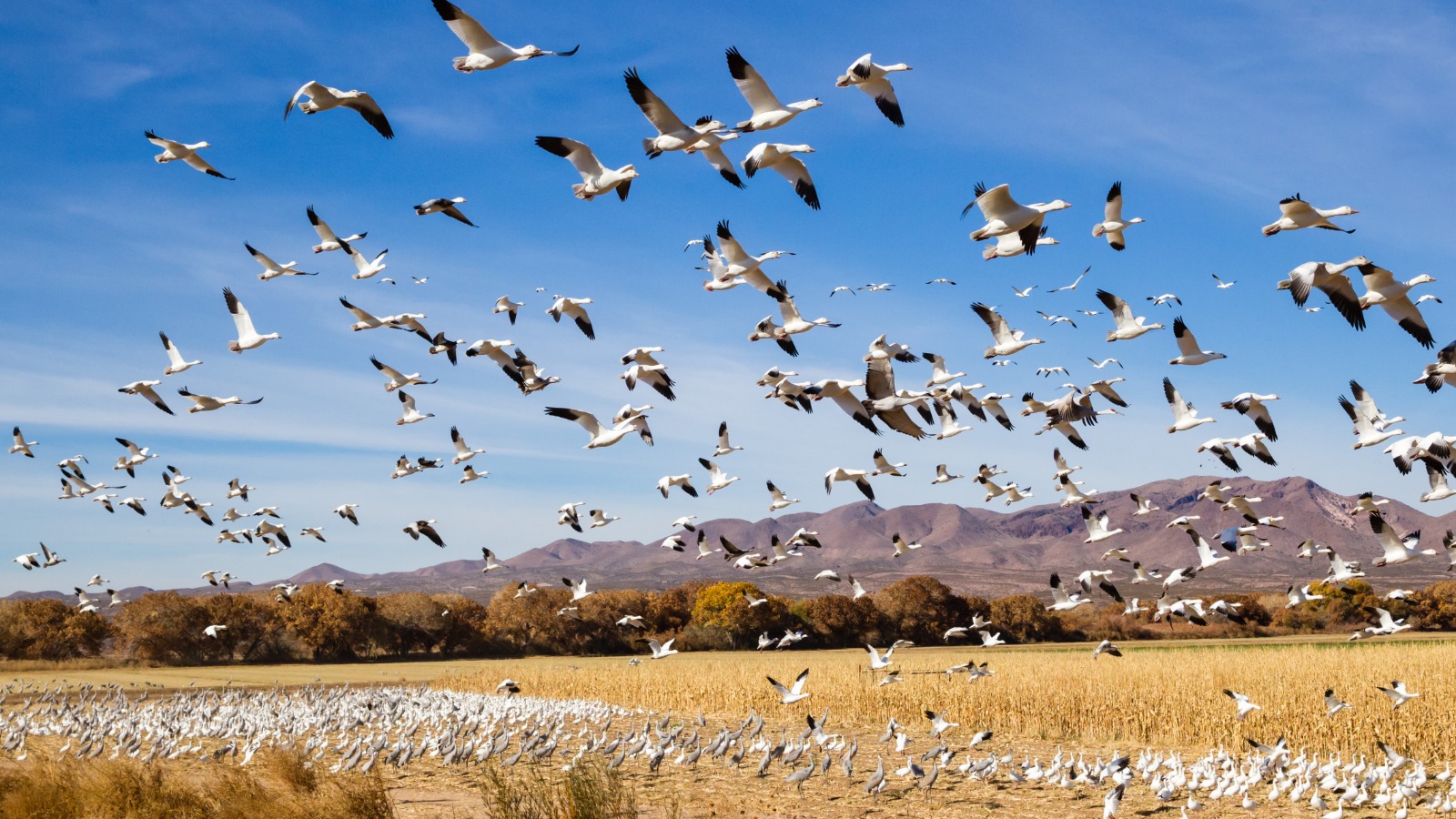
strengthening surveillance systems, enhancing laboratory diagnostic capacity, and promoting the exchange of international expertise have become essential components of biological security. These issues were the focus of an international technical webinar held on 21 July 2026 by the Regional Secretariat of the One Health Regional Programme in Central Asia, hosted by the Regional Environmental Centre for Central Asia (CAREC).
The webinar was organized as part of the Regional Secretariat’s efforts to strengthen multisectoral coordination and advance the practical implementation of the One Health approach across Central Asia. It served as a platform for knowledge exchange among experts in veterinary medicine, public health, ecology, laboratory diagnostics, vaccinology, and wildlife conservation.
Highly pathogenic avian influenza is no longer solely a veterinary concern. Today, it is recognized as one of the most significant transboundary threats, affecting animal and human health, ecosystem integrity, food security, and economic stability. Major outbreaks in recent years have demonstrated that effective prevention and control of the virus are impossible without close collaboration among veterinary, public health, environmental authorities, and the scientific community.
Why One Health Has Become a Necessity
Opening the webinar, Oksana Kravtsova, Regional Coordinator of the One Health Programme, emphasized that today’s epidemiological threats can no longer be addressed separately through the lenses of human health, veterinary medicine, or environmental protection. The One Health approach is founded on the recognition that the health of people, animals, and the environment is inherently interconnected.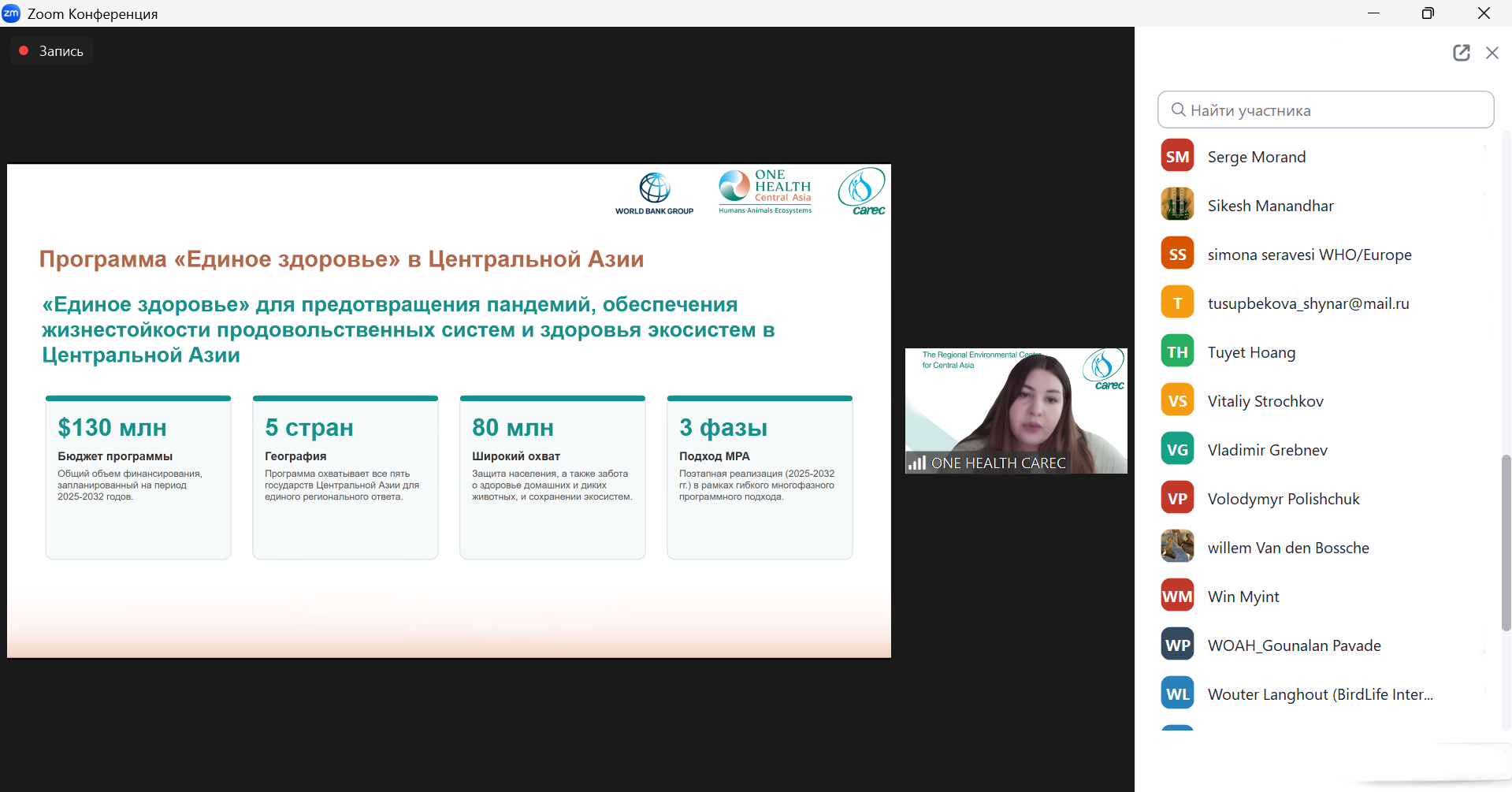
For this reason, the regional programme brings together government authorities, scientific institutions, and international organizations to work collaboratively on the prevention of highly pathogenic avian influenza, antimicrobial resistance, and other high-impact zoonotic diseases. This integrated approach not only enables faster responses to outbreaks but also strengthens efforts to prevent them before they occur.
The Role of the Regional Secretariat
The Regional Secretariat of the One Health Programme in Central Asia serves as a coordination platform for advancing multisectoral collaboration among the countries of the region. Its mission is to facilitate knowledge exchange, bring together national and international experts, support the development of regional approaches, and assist countries in integrating human, animal, and environmental health considerations into practical preparedness and response measures.
The technical webinar on highly pathogenic avian influenza was one of the practical steps undertaken within this work. The Secretariat provided a platform for discussions on wild bird surveillance, biosecurity, laboratory diagnostics, vaccination, data sharing, and the integration of these measures into national One Health action plans.
Why Wild Birds Remain the Primary Driver of Virus Spread
One of the central topics of the webinar was understanding how the virus continues to spread over vast geographical distances.
Wouter Langhout, Consultant at BirdLife International, noted that highly pathogenic avian influenza (HPAI) has effectively become a global disease. Among wild birds, the virus is primarily transmitted through biological excretions, contaminated water bodies, and the infection of birds of prey and scavengers through the consumption of infected prey.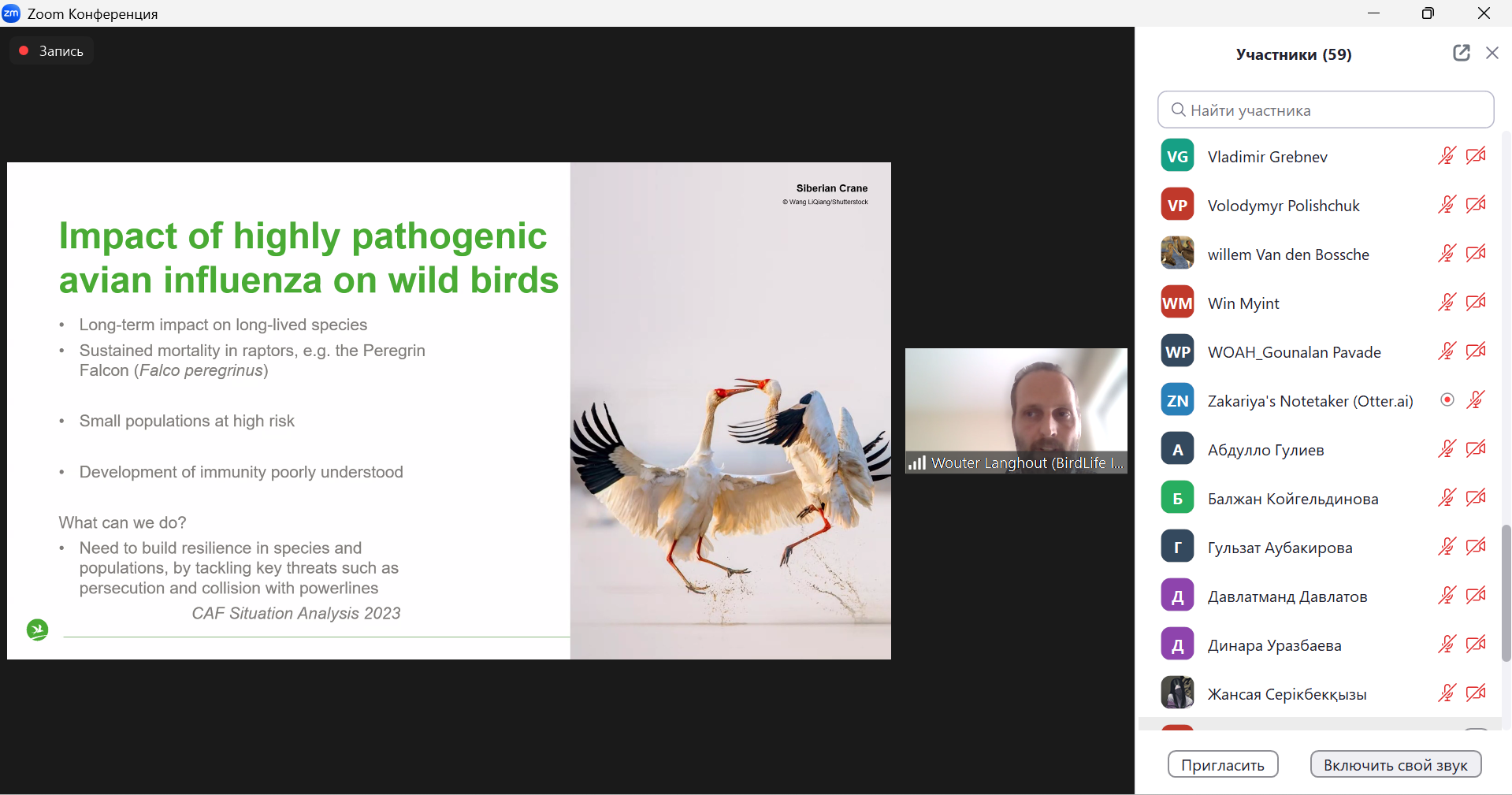
Particular concern surrounds the spread of the virus along migratory flyways. The Central Asian Flyway connects South Asia, the Middle East, and northern Eurasia, meaning that changes in the epizootic situation can rapidly become an international concern. At the same time, bird surveillance across the region remains insufficient, significantly limiting the early detection of new outbreaks.
According to the World Animal Health Information System (WAHIS), the bird species most susceptible to infection include cranes, ducks, geese, gulls, terns, falcons, eagles, vultures, herons, and pelicans. This highlights the importance of so-called sentinel species—birds that provide the earliest indication of the virus's presence in the wild.
An important tool supporting such surveillance is the International Waterbird Census, coordinated by Wetlands International. The programme enables experts to monitor changes in waterbird populations and identify potential disease threats at an early stage.
From the First Signal to Laboratory Confirmation
One of the key objectives of the webinar was to guide participants through the entire response pathway—from the first field indication of disease to laboratory confirmation and evidence-based decision-making by the competent authorities. This reflects one of the Regional Secretariat's core functions: integrating technical expertise from different sectors into a unified preparedness and response system.
Detecting a suspected outbreak, however, is only the first step. Rapid laboratory confirmation and timely implementation of control measures are equally critical.
This topic was addressed through complementary presentations by Maral Chommadova, Regional Coordinator of the One Health Programme at CAREC, and Isabella Monne, Research Scientist at the Istituto Zooprofilattico Sperimentale delle Venezie (IZSVe, Italy).
Maral Chommadova presented the complete response pathway—from the initial notification of a suspected disease event to decision-making by the veterinary authorities. She emphasized that the effectiveness of epidemiological surveillance depends not on the volume of data collected, but on how rapidly that information can be translated into action. Farm biosecurity remains the first line of defence and includes preventing contact between domestic and wild birds, controlling access to poultry facilities, maintaining strict sanitary protocols, training personnel, and ensuring timely disease detection. Vaccination, she noted, should be viewed as an integral component of a comprehensive prevention strategy rather than a substitute for other biosecurity measures.
Continuing this discussion, Isabella Monne focused on the essential requirements for high-quality laboratory diagnostics. She stressed that reliable diagnostic results begin with proper sample collection. Diagnostic testing relies on tracheal and cloacal swabs, while investigations of dead birds require tissue samples from the lungs, trachea, intestines, and brain. Equally important are maintaining the cold chain, appropriate packaging, and correct sample labeling in accordance with the international UN3373 standard, as even minor deviations during transportation can significantly compromise diagnostic accuracy.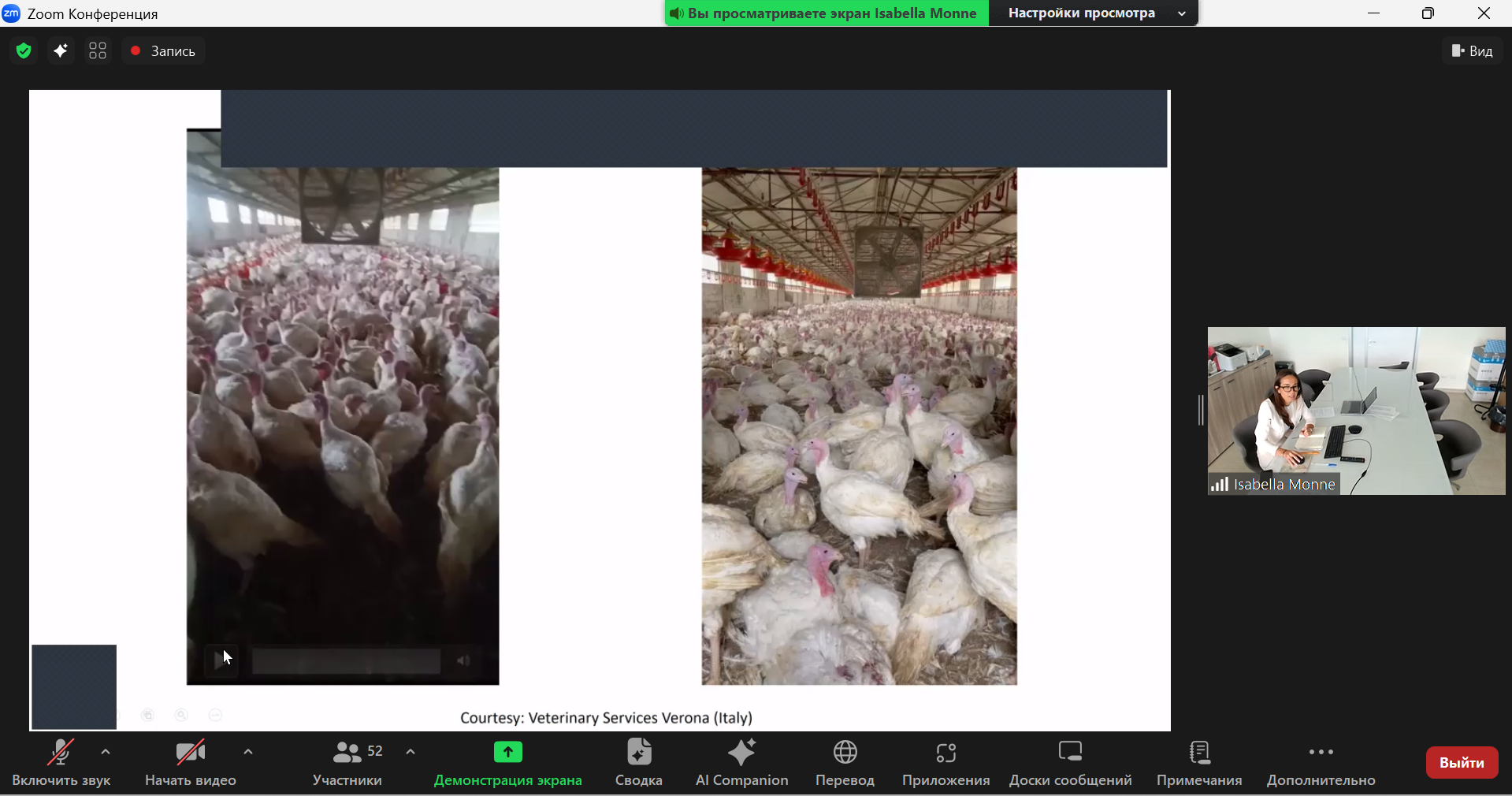
Together, the two presentations demonstrated that effective outbreak response is only possible when every component of the system—from field personnel to reference laboratories—operates in a coordinated and integrated manner.
Vaccination Remains One of the Key Tools for Disease Prevention
The inclusion of a dedicated session on vaccination expanded the discussion beyond surveillance and diagnostics to the practical preparedness of the poultry sector. For the Regional Secretariat, vaccination is an essential element of a comprehensive risk reduction strategy in which immunization complements surveillance, biosecurity, and laboratory confirmation rather than replacing them.
Professor Kaysar Tabynov, Director of the International Center for Vaccinology at the Kazakh National Agrarian Research University, recalled that during the H5N8 outbreak in 2020, Kazakhstan recorded 98 outbreaks across 11 regions, resulting in the culling of approximately 2 million birds. In response, the country launched a large-scale vaccination programme for commercial poultry.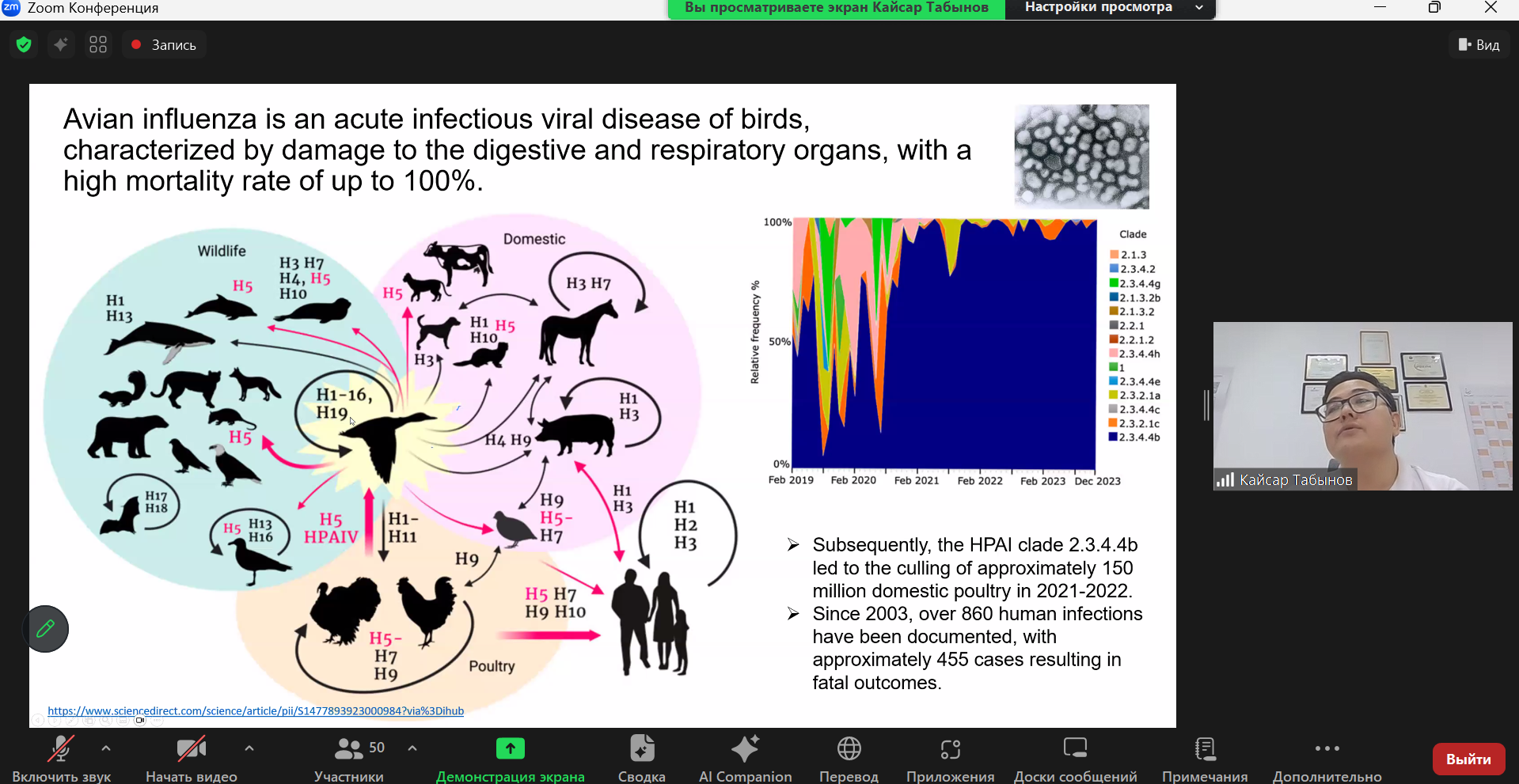
The most recent outbreak was recorded in December 2023 among swans in the Mangystau Region. By 24 January 2024, the number of dead birds had reached 1,179. Kazakh scientists were the first to isolate and genetically characterize the HPAI H5N1 clade 2.3.4.4b virus, and the findings were subsequently published in an international scientific journal.
Despite advances in prevention and control measures, the virus continues to pose a serious threat. Mortality among infected birds can reach 100%, while since 2003, more than 860 human infections have been reported globally, approximately 455 of which were fatal. The spread of H5N1 clade 2.3.4.4b alone resulted in the loss of an estimated 150 million domestic birds worldwide during 2021–2022.
Special attention was given to the achievements of Kazakh scientists in the field of vaccinology. Kazakhstan has already registered several vaccines against human influenza, avian influenza, and equine influenza, while research is continuing on an innovative intranasal nanovaccine against highly pathogenic avian influenza. These developments not only enhance preparedness for future epizootics but also strengthen the region's scientific capacity in the field of biological security.
International Cooperation as the Foundation of Regional Biological Security
The webinar concluded with a clear message: highly pathogenic avian influenza cannot be effectively controlled by a single country or a single sector acting alone. An effective response requires the integration of epidemiological surveillance, environmental monitoring, advanced laboratory diagnostics, scientific research, and vaccination programmes into a single coordinated system built on the principles of the One Health approach.
More than 50 experts from Central Asian countries and international organizations participated in the webinar, including representatives of the World Health Organization (WHO), the World Organisation for Animal Health (WOAH), research institutes, universities, and national veterinary and public health services. Their participation reaffirmed that strengthening regional biological security is only possible through knowledge sharing, coordinated action, and sustained international cooperation.
___________________________
Additional Information about One Health
One Health is an integrated approach that recognizes the inseparable connection between the health of people, animals, and ecosystems. Rather than addressing challenges through isolated sectoral efforts, it promotes a coordinated and comprehensive response to issues at the human–animal–environment interface. The approach is particularly important for preventing and controlling zoonotic diseases (such as avian influenza, rabies, and brucellosis), combating antimicrobial resistance, and strengthening food safety. Approximately 75% of emerging human infectious diseases originate in animals (according to the World Organisation for Animal Health, WOAH), underscoring the need for multisectoral collaboration. Globally, the One Health approach is advanced through the Quadripartite Partnership comprising FAO, WOAH, WHO, and UNEP.
In Central Asia, the One Health approach has gained significant momentum since 2023, when all five countries endorsed the Central Asia One Health Framework Programme. In 2025, implementation of the World Bank– and Pandemic Fund–supported project was launched. A key coordinating role is played by the Regional One Health Coordination Secretariat (ROHCS), hosted by the Regional Environmental Centre for Central Asia (CAREC). The Secretariat facilitates cross-sectoral dialogue, promotes the harmonization of regional approaches, and supports the exchange of knowledge and experience among participating countries. Across the region, countries are establishing National One Health Coordination Mechanisms, developing national action plans, strengthening laboratory capacity, and enhancing wildlife surveillance systems. This integrated approach enables countries to prevent disease outbreaks more effectively, strengthen food security, and conserve biodiversity.
The programme is implemented with financial support from the World Bank under the Pandemic Fund project and aims to strengthen the preparedness of Central Asian countries to prevent, detect, and respond to biological threats.
Shoira Toirova
PR Consultant, One Health Program
#ЕдиноеЗдоровье #ЦентральнаяАзия #ПтичийГрипп #Биобезопасность #Зоонозы #Эпиднадзор #РЭЦЦА #PandemicFund #ВсемирныйБанк #OneHealth #CentralAsia #AvianInfluenza #HPAI #Biosecurity #ZoonoticDiseases #CAREC #PandemicFund #WorldBank