

Kyrgyzstan hosted the seminar “Legal and technical aspects of GMO labeling in the Kyrgyz Republic in accordance with the Cartagena Protocol on Biosafety” in Osh on September 18–19 with the support of the Food and Agriculture Organization of the United Nations (FAO) and the Center for Standardization and Metrology (Kyrgyzstanstandard) under the Ministry of Economy and Commerce of the Kyrgyz Republic.
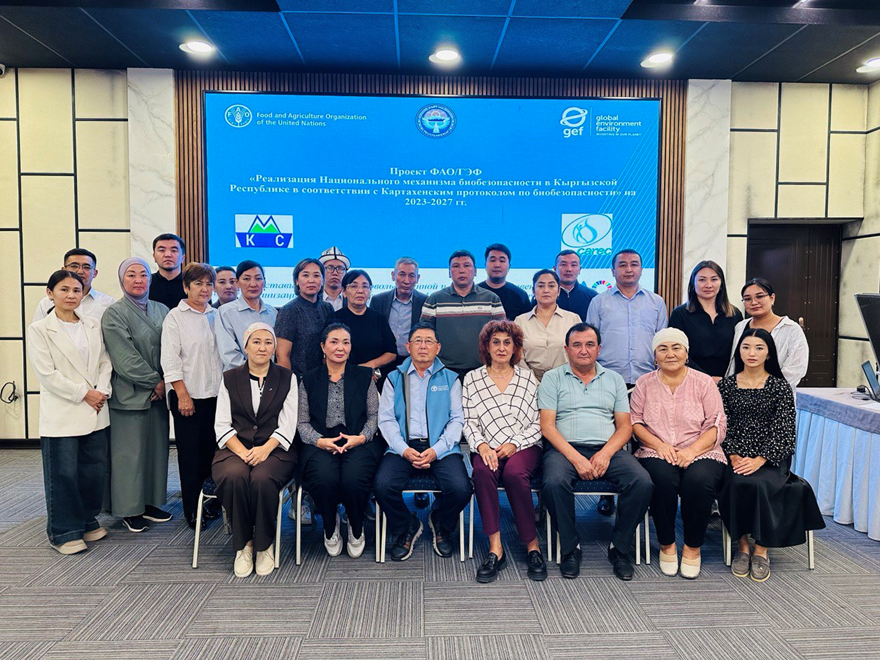
The seminar was attended by representatives of relevant departments and institutions from various regions of the country, including:
- Veterinary, livestock development, pasture, and feed departments of the Leylek, Kara-Suu, and Bazar-Korgon districts, as well as the city of Osh;
- Kadamzhai and Batken interregional centers for disease prevention and state sanitary and epidemiological surveillance (MRCPE and GSE);
- Leilek SEO;
- CPE and GSE of the Jalal-Abad and Suzak territories;
- Osh City CPD and GSE
- South Transport Financial Supervision Department (STFSD);
- Batken Regional Department;
- Osh Customs Control Department;
- Department of Environmental Protection and Biological Diversity of the Jalal-Abad Regional Administration.
Participants learned about the regulatory and legal aspects of GMO labeling, international standards, risk assessment methods, and modern approaches to the control, monitoring, and detection of GMOs in products.
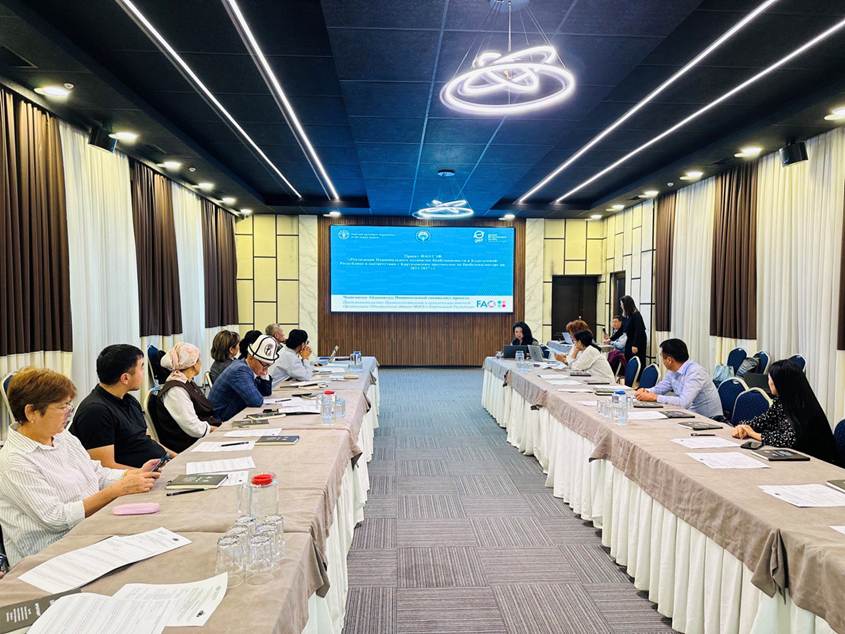
Kuban Matraimov, Director of the Regional Environmental Center for Central Asia (CAREC) branch in the Kyrgyz Republic, participated in the event on behalf of CAREC.
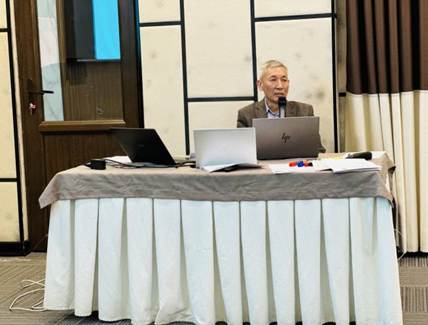
CAREC is one of the partners implementing this project. As part of its mission, the Center provides expert and organizational support in promoting biosafety principles, including training specialists, developing institutional capacity, and facilitating interagency cooperation.
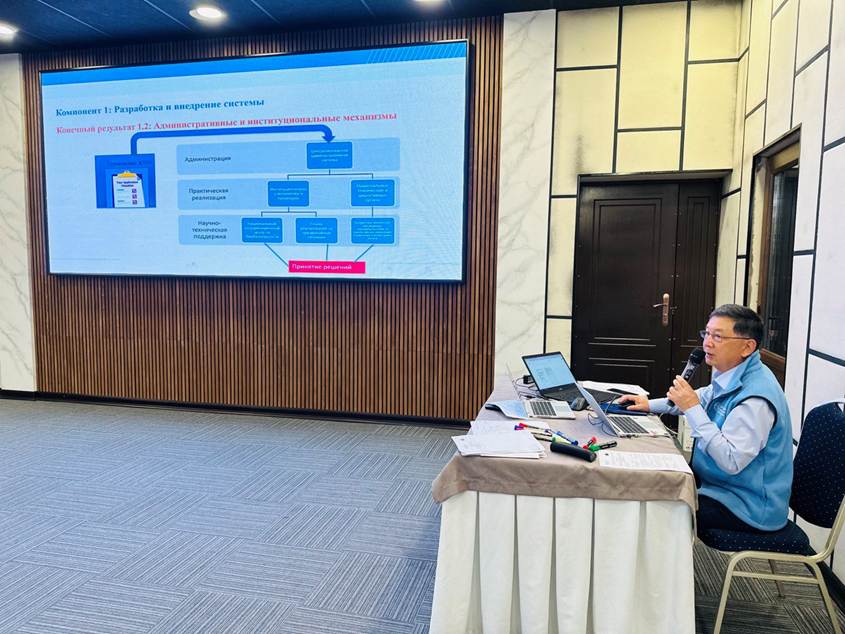
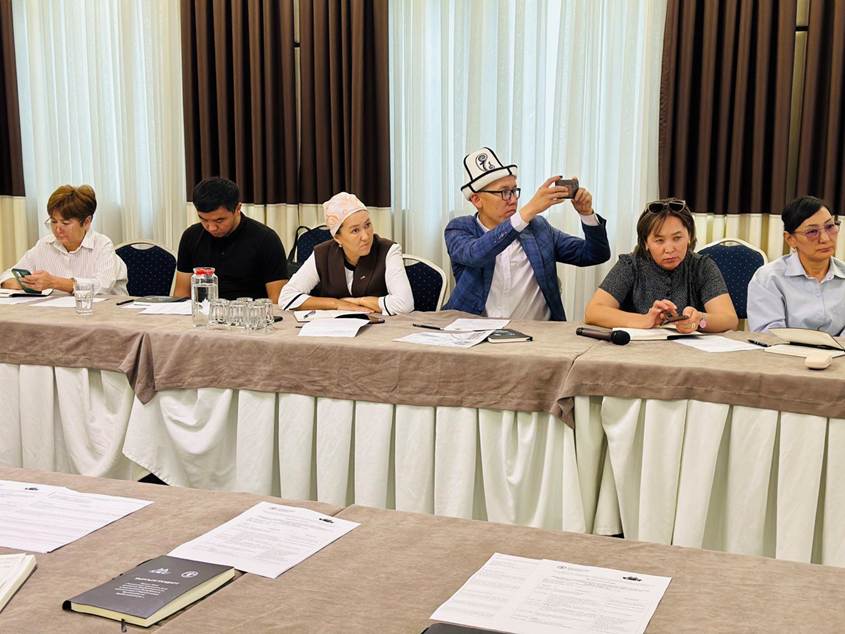
"Such seminars are particularly important for regional specialists, as it is at the local level that mechanisms for controlling and monitoring products containing GMOs are implemented. Such events contribute to improving professional training, strengthening national capacity, and effectively implementing biosafety mechanisms," noted FAO/GEF project expert Abdyimit Chingozhoev.
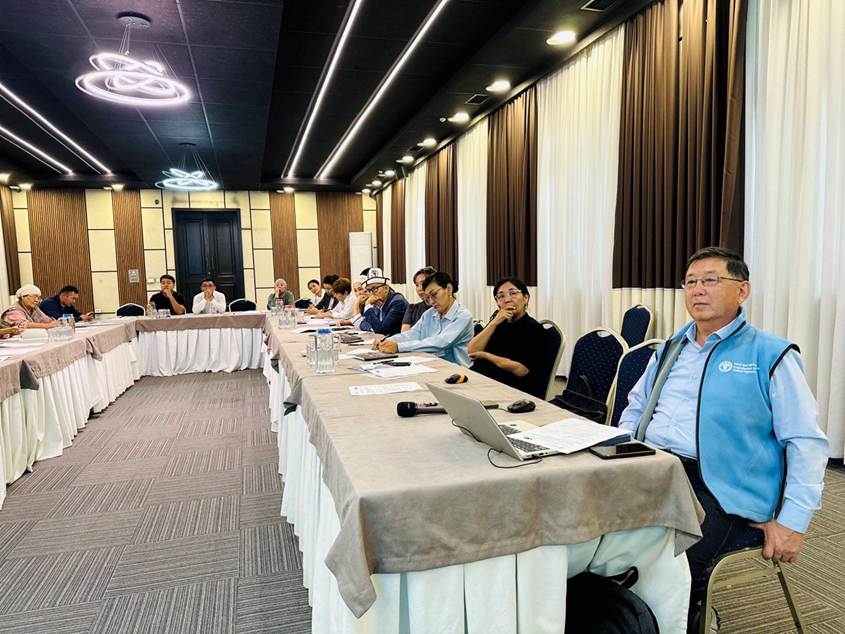
According to him, the project to implement the national biosafety mechanism, launched in 2023, is being implemented for the first time in the Central Asian region, specifically in the Kyrgyz Republic.
“Important results have already been achieved: at the beginning of 2025, the Law of the Kyrgyz Republic ”On Biological Safety“ was adopted, the development of which was facilitated by project experts. Currently, work is underway to prepare relevant regulatory and legal acts aimed at implementing the provisions of the new law,” Abdyimit Chingozhoev noted.
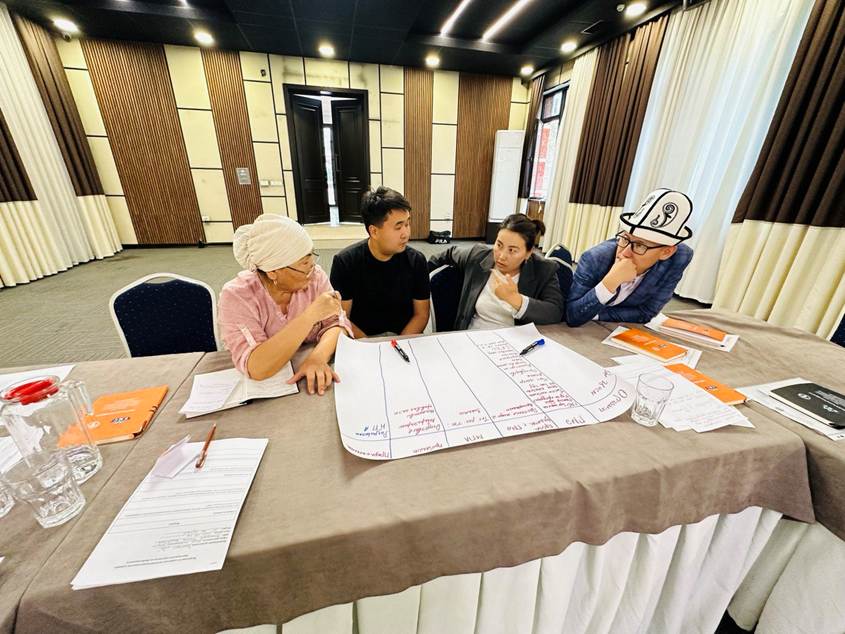
Ainagul Abdurakhmanova works as a bacteriologist at the Center for Sanitary and Epidemiological Surveillance in the Kadamzhai district of the Batken region. This laboratory tests 11 types of food products.
“All laboratories in the southern region come to us. Among the products tested in the laboratory are everyday foods such as meat, eggs, and chicken,” she says.
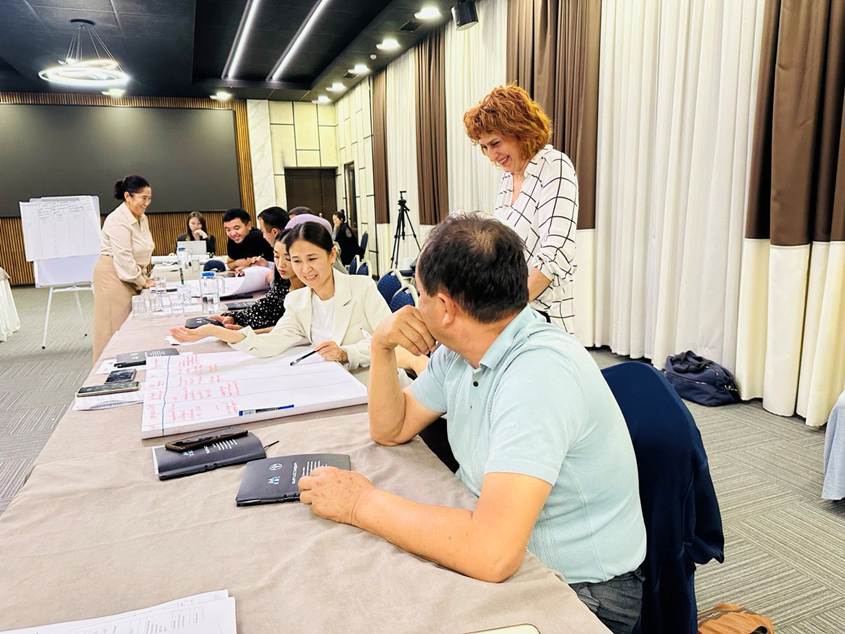
According to Ainagul Abdurakhmanova, participating in the biosafety workshop gave her a deeper understanding of the Cartagena Protocol and issues related to genetically modified organisms (GMOs).
"This information will really motivate us to improve our work. The opening of laboratories for the detection of GMOs in Kyrgyzstan is a very important step for public health," the Ainagul Abdurakhmanova noted.
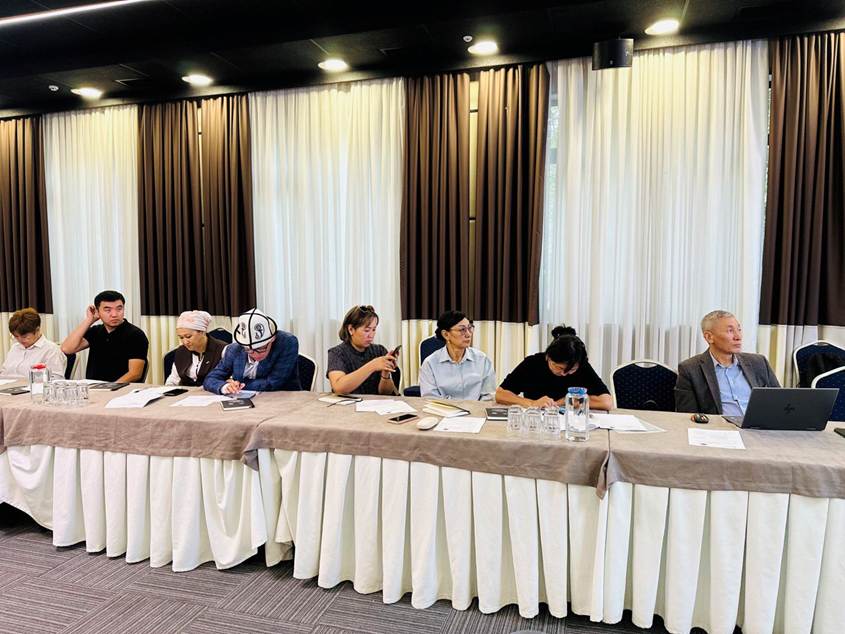
The implementation of such initiatives strengthens the biosafety system, improves the qualifications of specialists, and contributes to the fulfillment of Kyrgyzstan's international obligations.
Additional information:
Kuban Matraimov, Director of CAREC Branch in Kyrgyzstan, kmatraimov@carececo.org