

The session “Cross-Border Landscape Restoration in Central Asia” at CACCC-2026 in Astana reflected a key shift in the regional environmental agenda: a transition from environmental declarations to the practical implementation of joint projects in the region.
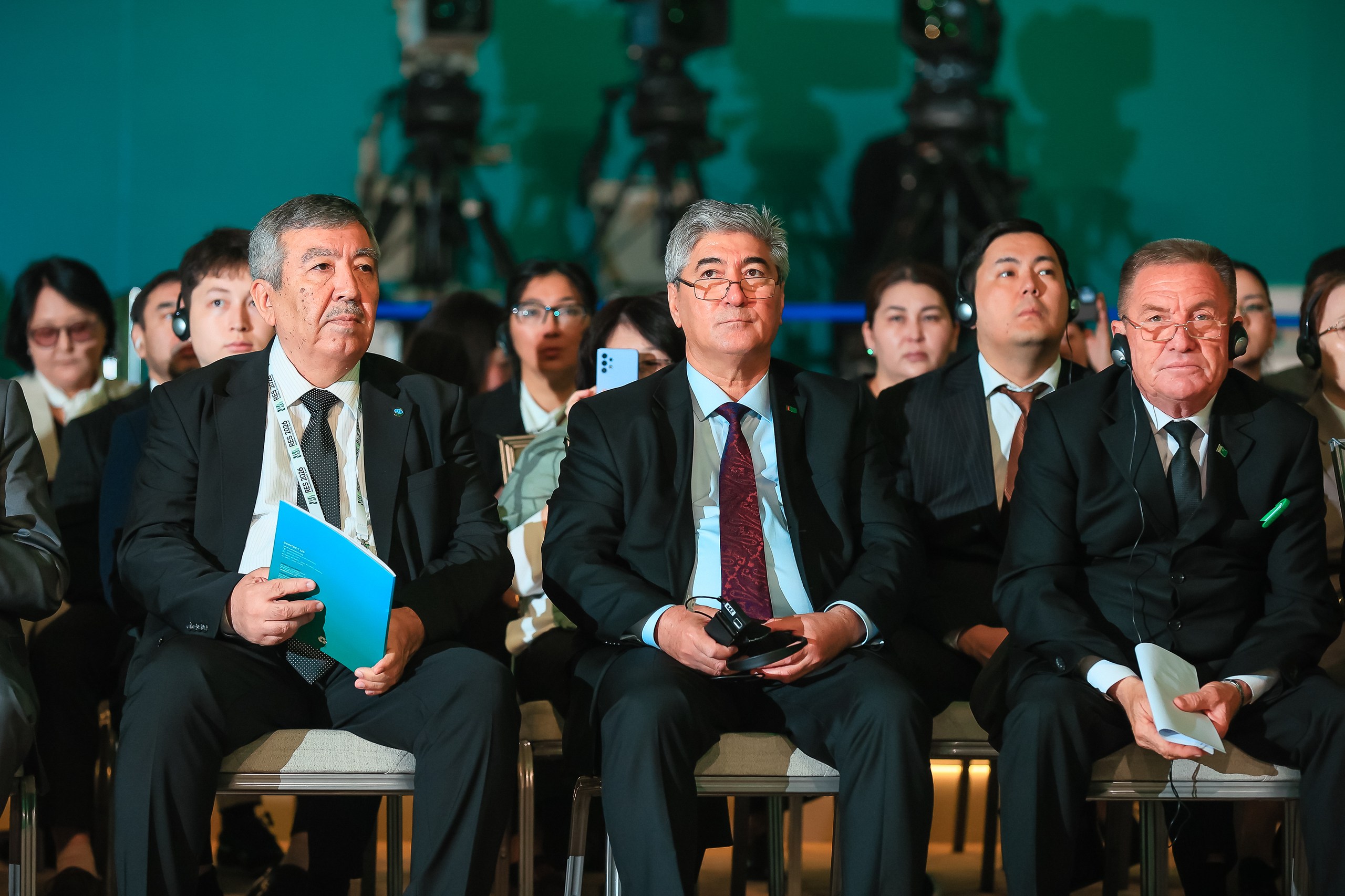
Central Asia faces one of the major challenges of our time: land degradation and accelerating climate change. These processes are transboundary in nature, making regional cooperation an essential condition for sustainable development.
During the panel discussion, experts noted that land degradation should be considered in both environmental and economic contexts. According to the United Nations Convention to Combat Desertification, 20% of Central Asia’s territory (approximately 80 million hectares) is degraded, costing an estimated 6% of the region’s annual GDP. Thus, land degradation in the region is systemic in nature, simultaneously affecting the economy, infrastructure, and social resilience, particularly in rural communities whose incomes depend on land and water resources.
Transboundary Initiatives: Shaping a New Environmental Cooperation Model
One of the key messages across all presentations was the recognition that natural processes in the region do not follow state borders—for example, dust storms originating from the Aral Sea—and therefore require a unified approach.
According to Natalia Alonso Cano, Head of the Regional Office for Europe and Central Asia (ROECA) of the United Nations Office for Disaster Risk Reduction, the restoration of degraded landscapes should be viewed not merely as an environmental initiative, but as a fundamental element of safety infrastructure and disaster risk reduction. She emphasized that these natural phenomena are inherently transboundary.
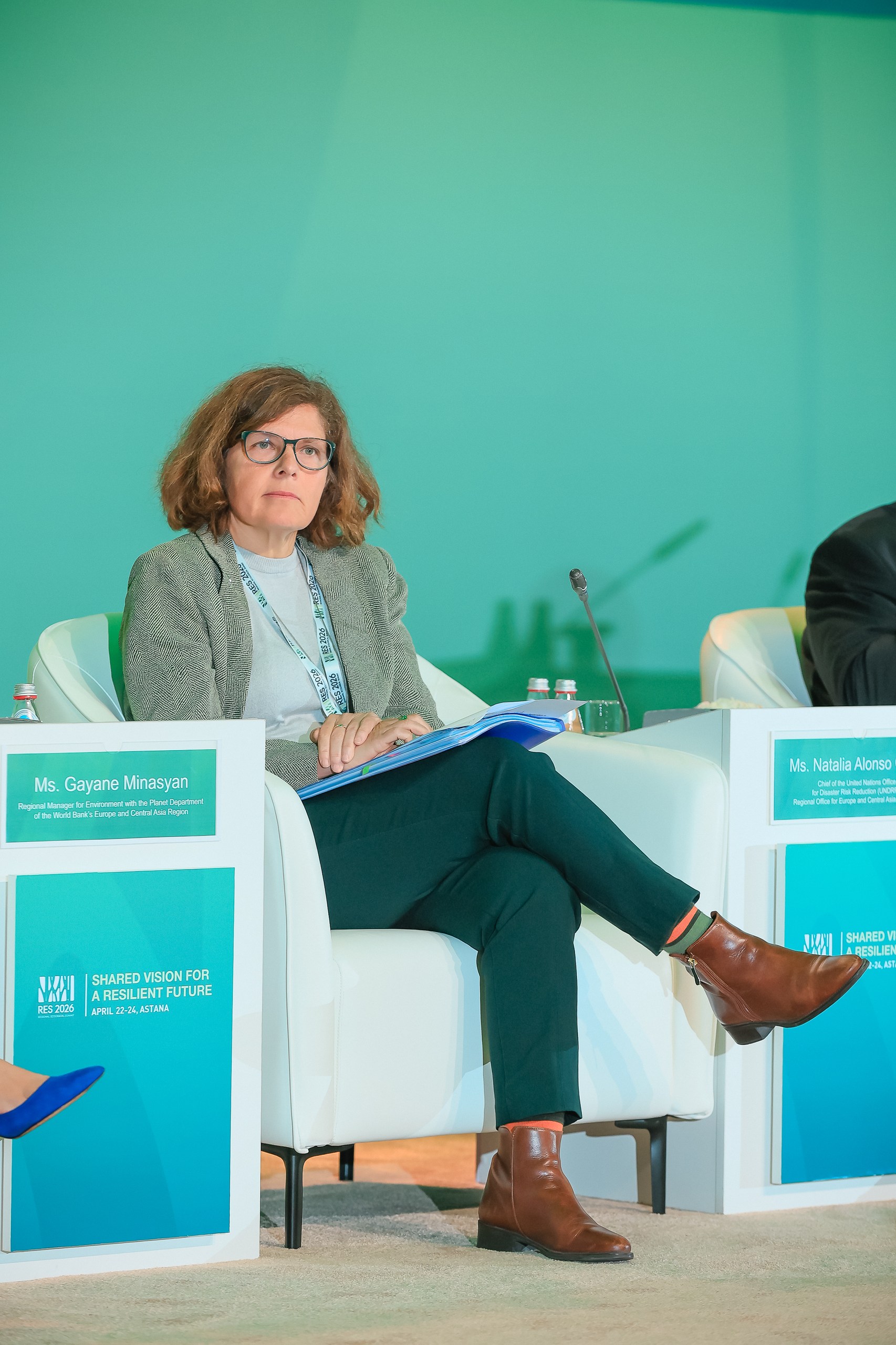
“Disasters also know no borders. They are transboundary by nature. So, when you align disaster risk reduction and adaptation strategies along the transboundary roles, for example in a river basin, you achieve much better effective results,” said Natalia Alonso Cano.
A notable example of regional cooperation is the RESILAND CA+ program, implemented with the support of the World Bank, the Global Partnership for Sustainable and Resilient Landscapes (PROGREEN), and the Korea World Bank Partnership Facility (KWPF).
As noted by Batyr Mammedov, Executive Director of the Regional Environmental Centre for Central Asia, sustainable land management practices have been introduced on more than 469,000 hectares, protecting over 300,000 people in the region from natural hazards such as mudflows, floods, and dust storms.
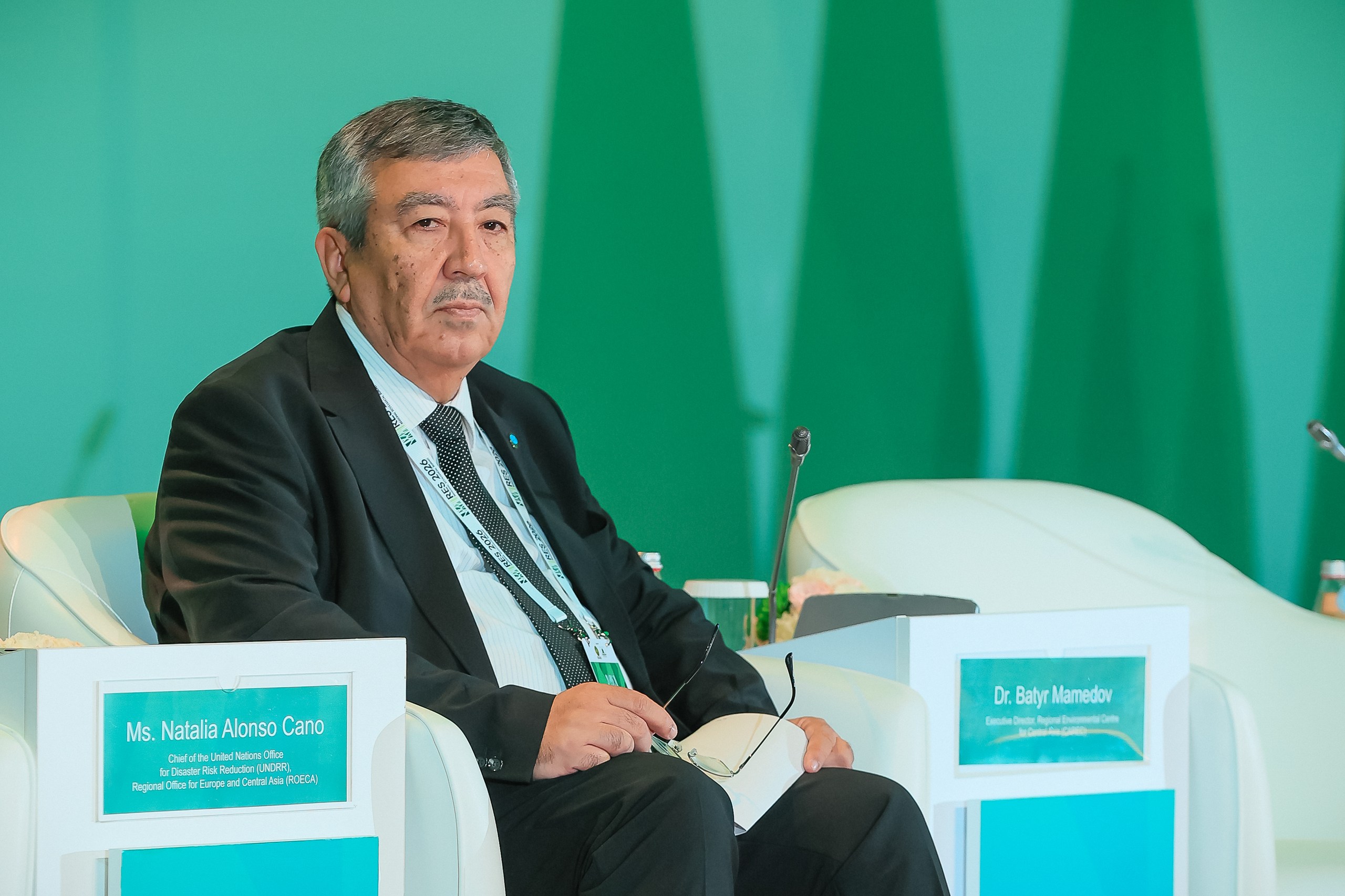
Importantly, projects under the RESILAND CA+ program in Central Asian countries combine environmental and socio-economic benefits, making landscape restoration not only an environmental priority but also an economically justified strategy.
Gayane Minasyan, Regional Manager for Environment with the Planet Department of the World Bank's Europe and Central Asia Region, noted that investments in land restoration are significantly more cost-effective than addressing the consequences of climate-related disasters.

IProjects under the RESILAND CA+ program offer practical solutions for restoring degraded lands, including the introduction of sustainable land management practices, protection of populations, and large-scale land restoration supported by international investments in Central Asian countries. Countries apply an integrated approach involving afforestation and agricultural plantations, pasture restoration, development of water infrastructure, and measurable social impacts, including increased incomes for women.
At the same time, transboundary cooperation is being strengthened through the implementation of the “Peace Park” initiative, the development of unified approaches to the management of natural areas, the introduction of nature-based solutions (NbS), monitoring and early warning systems for natural hazards (floods, mudflows), as well as digital tools that enable more effective ecosystem management and improved decision-making.
National RESILAND CA+ Practices: From Pilots to Scaling Up
TAJIKISTAN
The Tajikistan Resilient Landscapes Restoration Project (RESILAND Tajikistan) demonstrates a comprehensive approach to landscape and ecosystem restoration, actively engaging local communities and creating and rehabilitating rural infrastructure.
The project’s pilot areas are located in the Zarafshan River Basin, the Upper Pyandzh River Basin, and the Lower Kofarnihon River Basin. To date, more than 27,700 hectares of pastures have been restored. Work is underway to restore 8,000 hectares of natural forests and establish nearly 4,000 hectares of forest plantations, with a tree survival rate reaching 58%.
Pistachio plantations are being established: 50,000 trees have been planted on 100 hectares. Pistachios are well suited for mountainous areas. Being drought-resistant, they improve soil structure and contribute to the restoration of degraded and low-productivity lands. Their strong root systems protect soil from wind and water erosion, which is particularly relevant for mountain slopes. In addition, 70,000 fruit trees have been planted on 156 hectares.
Significant support is provided to local communities: more than 20,000 people have been organized into 750 groups, 103 greenhouses have been constructed, and hundreds of agricultural assets have been distributed, including 700 beehives and 314 livestock units.
At the same time, measures are being implemented to conserve biodiversity, restore water supply systems across up to 4,000 hectares, and develop pasture infrastructure.
Thus, the project combines environmental and socio-economic solutions, creating a sustainable foundation for rural development and improving livelihoods in Tajikistan.
Speech by Solijon Mirzoev, RESILAND Project Coordinator in Tajikistan, Project Implementation Unit under the Committee for Environmental Protection of the Republic of Tajikistan (in Russian):
KYRGYZSTAN
The Kyrgyz Republic Resilient Landscape Restoration Project (RESILAND Kyrgyzstan) is developing systems for the exchange of hydrometeorological and land-related data, integrating different agencies into a unified information environment.
As noted by Daurbek Sakyev, Director of the Department of Monitoring and Forecasting of Emergency Situations of the Ministry of Emergency Situations of the Kyrgyz Republic, effective forecasting of cascading hazards is not possible under conditions of fragmented data. According to him, the creation of a unified geoportal makes it possible to overcome institutional fragmentation and establish a nationwide information space for operational decision-making.
In Kyrgyzstan, information on protective infrastructure has been integrated into the national monitoring system, enabling effective tracking of its condition, timely data updates, and informed management decisions.
Overall, the country has established an information system for the exchange of hydrometeorological data, as well as data from other agencies, for example those monitoring land degradation, which allows for a comprehensive assessment of the situation and improves the effectiveness of natural resource management.
More on the activities of RESILAND Kyrgyzstan in an interview with Daurbek Sakyev (in Russian):
UZBEKISTAN
The Uzbekistan Resilient Landscape Restoration Project (RESILAND Uzbekistan) focuses on the use of technological solutions in restoring natural systems and landscapes.
As noted, this project is a large and strategically important initiative with significance not only for Uzbekistan but for Central Asia as a whole. The project plans to restore approximately 250,000 hectares of degraded land, including wetlands and pastures.
According to experts, the project has created opportunities for the introduction of new technologies for restoring natural systems and landscapes.
The project includes the introduction of mountain terracing, the establishment of plantations of medicinal plants and industrial tree species, and the development of agricultural communities. Overall, the program covers four key areas, including landscape restoration and the development of domestic production, which in the long term may reduce dependence on imports of certain resources.
More on the activities of RESILAND Uzbekistan in an interview with Erkin Mukhitdinov (in Russian):
TURKMENISTAN
Representatives of Turkmenistan reported that increasing forest cover is one of the priority areas in transboundary zones of northern Turkmenistan. A new National Forest Program of Turkmenistan for 2026–2030 has been developed, which includes the planting of three million seedlings annually. The total plantation area will amount to 7,500 hectares.
The Aral Program is being successfully implemented. In the Aral Sea region, seedlings have been planted on more than 20,000 hectares, and the work continues.
KAZAKHSTAN
Land degradation in Kazakhstan remains a serious threat to agriculture, public health, and infrastructure resilience, particularly in regions affected by the drying of the Aral Sea.
Under the RESILAND initiative aimed at landscape restoration, millions of trees are being planted, and forest belts and nurseries are being established. For example, 3,000 hectares around Kyzylorda have been allocated for a green belt, where more than 3.6 million seedlings were planted in 2023 and another 2.1 million in 2024–2025. In 2023–2024, planting was carried out on more than 74,000 hectares of the Aral seabed.
Regional Integration and Development of Cooperation Mechanisms
During the session, representatives of Central Asian countries reaffirmed their commitment to regional initiatives implemented under the RESILAND CA+ program.
As noted by Daurbek Sakyev, the process of implementing six regional policy frameworks is currently in an active phase of national-level formalization.
Representatives of Turkmenistan supported the development of protocols to expand the application of nature-based solutions in Central Asia within the framework of RESILAND CA+. These include a Protocol on the Application of Nature-Based Solutions and a Protocol on the Establishment of a Regional Forest Fire Early Warning System. They emphasized that, taking into account the specific soil and climatic conditions of Turkmenistan, forest protection from fires is carried out in accordance with the Forest Code of Turkmenistan and relevant fire safety legislation.
In turn, representatives of Uzbekistan noted that threats such as the spread of pests and forest fires do not recognize national jurisdictions. In this regard, Uzbekistan actively supports the development of unified regional protocols for early warning and joint response.
One of the significant outcomes of transboundary cooperation is the initiative to establish a cross-border “Peace Park” at the junction of Uzbekistan, Kyrgyzstan, and Tajikistan. At present, participating countries are conducting large-scale preparatory work. It is expected that the establishment of the park will reduce the risks of natural disasters, ensure the sustainable functioning of ecosystems, and strengthen cooperation among countries in the region.
According to Erkin Mukhitdinov, such transboundary projects provide an effective platform for the joint use of local resources, combining capacities.
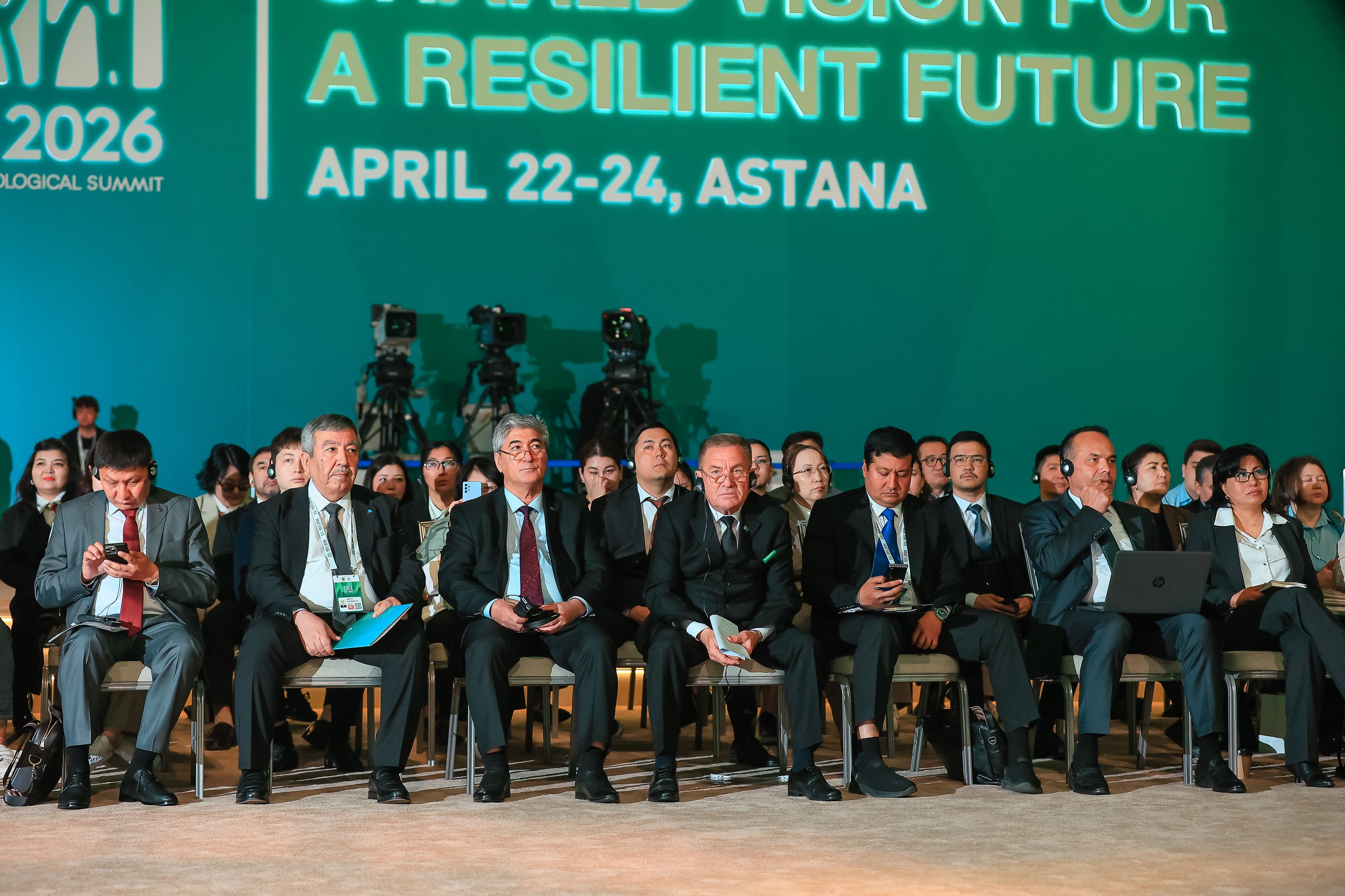
Participants of the session effectively outlined the basic principles for the successful implementation of sustainable landscape restoration initiatives in the region. These include coordinated regional policies, unified monitoring standards, active involvement of local communities in land restoration processes, development of the scientific base and knowledge exchange, and the attraction of investments, including from the private sector.
Special attention was also given to the development of the cooperation platform itself. It was noted that the integration of the climate conference into the structure of the regional environmental summit has become an important step toward synchronizing policy and practice.
Prepared by: Zhanna Khusainova
Media Relations Consultant, PR/Communications Expert, CAREC