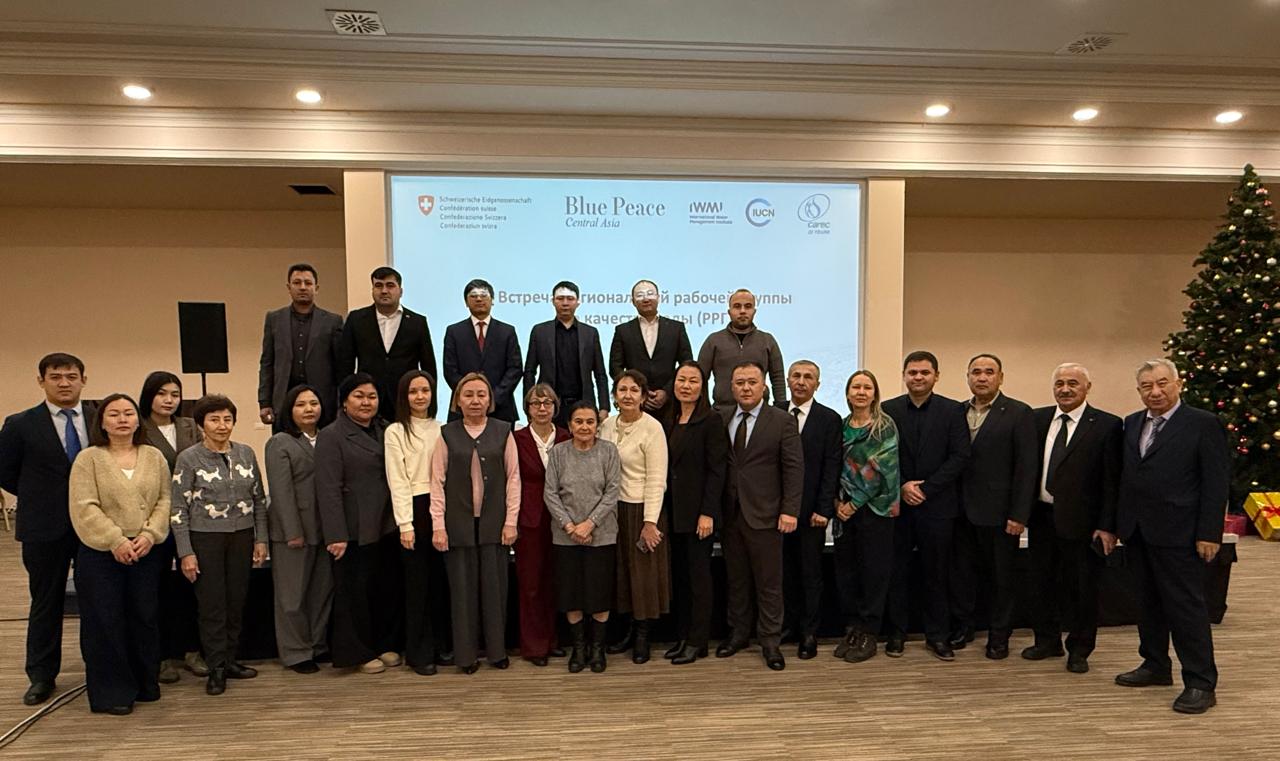
On December 10, 2025, in Astana, Republic of Kazakhstan, a regular meeting of the Regional Working Group on Water Quality (RWG-WQ) was held, organized by the Regional Environmental Center for Central Asia (CAREC) as part of the Blue Peace Central Asia initiative of the Swiss Agency for Development and Cooperation (SDC). The aim of the event was to promote comprehensive dialogue among countries in the region on water quality management issues in Central Asia. The hybrid event brought together 55 offline and online participants, including representatives of national ministries of water resources and environmental protection, hydrometeorological services, sanitary and epidemiological surveillance agencies, academic institutions of Central Asian countries, and international organizations.
Natalya Dauletyarova, Deputy Director of the Department of Environmental Culture and Policy of the Ministry of Ecology and Natural Resources of the Republic of Kazakhstan, delivered a welcoming speech on behalf of the chairing country, the Republic of Kazakhstan. In her speech, she expressed her gratitude to CAREC for its long-standing cooperation and support for the activities of the Regional Working Group on Water Quality, which have been ongoing since 2009
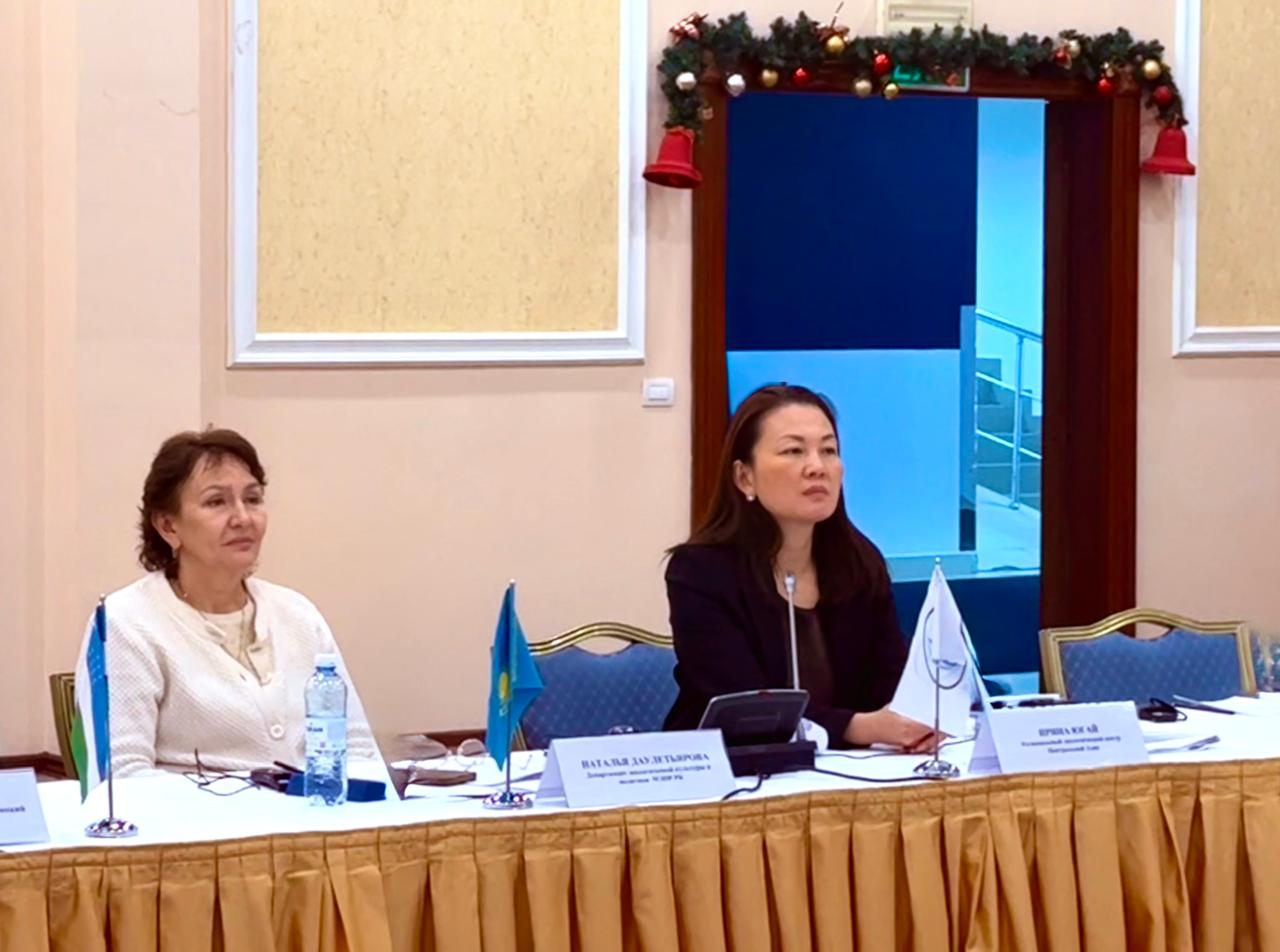
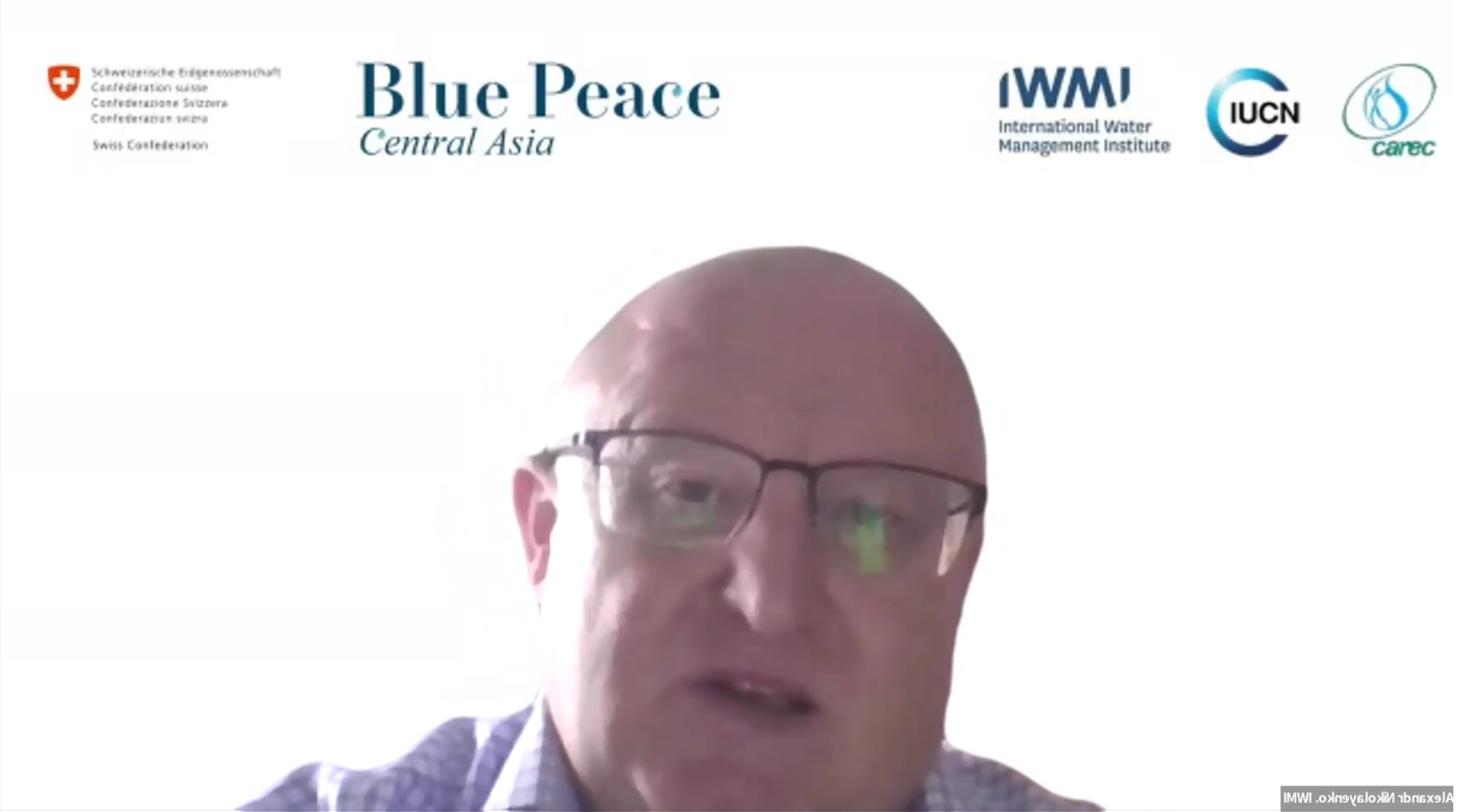
Alexander Nikolaenko, Project Manager of Blue Peace Central Asia (IWMI), noted the importance of regular meetings of the Regional Working Group on Water Quality for strengthening regional cooperation and confirmed his intention to continue supporting them within the current phase of the project. He stressed that this meeting was of particular importance as it would present and discuss the approach to the further development of the Regional Working Group on Water Quality. The decisions taken will largely determine the strategic direction of the Group's work for the coming years, as well as the format and priorities of financial support from the project.
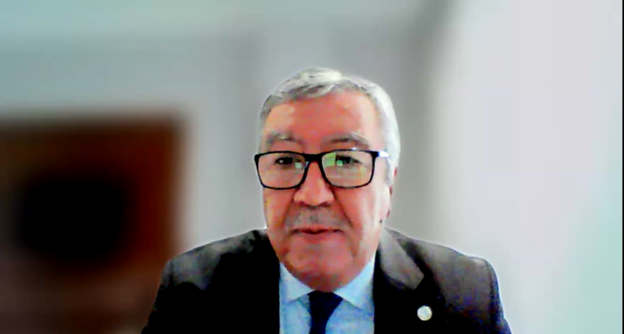
CAREC Executive Director Dr. Batyr Mammedov delivered a welcome address online. He noted that water quality issues today are not only a technical but also a strategic challenge for regional cooperation and sustainable development. Over the years, the Regional Working Group on Water Quality has established itself as an effective expert platform for knowledge sharing and the development of coordinated approaches to monitoring and managing the quality of transboundary waters. In conclusion, Dr. Mammedov expressed his gratitude to the Swiss Agency for Development and Cooperation for its long-standing support for the activities of the Regional Working Group on Water Quality and confirmed the readiness of the CAREC to continue to promote the strengthening of intergovernmental dialogue and the development of cooperation in the field of water resources management in Central Asia.
During the meeting, keynote presentations were made on innovations in the environmental policies of the countries of the region and progress in the implementation of intergovernmental cooperation. Representatives of relevant agencies informed participants about institutional reforms, including the transformation of the Ministry of Ecology, Environment and Climate Change into the National Committee on Ecology and Climate Change of the Republic of Uzbekistan.
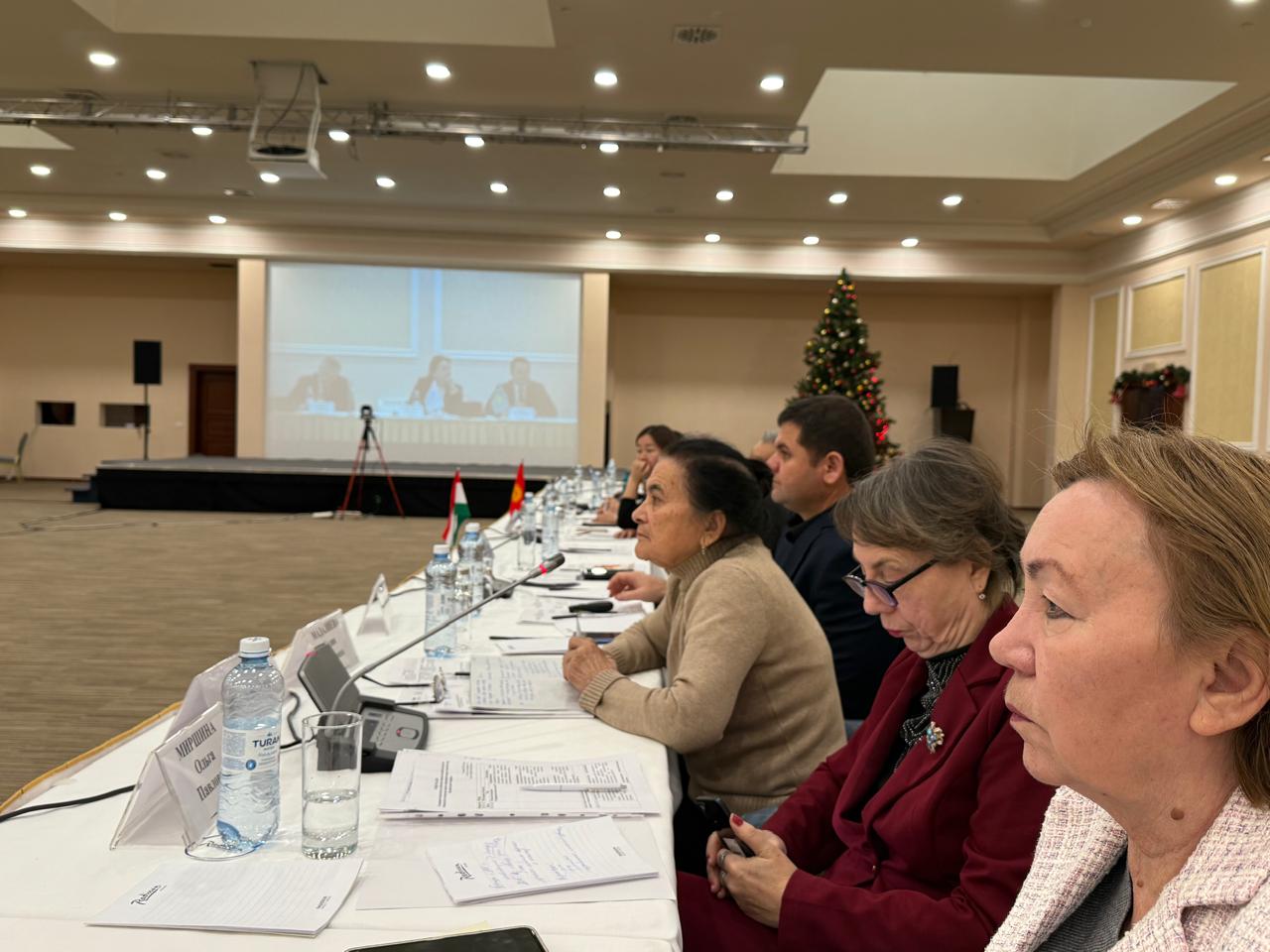
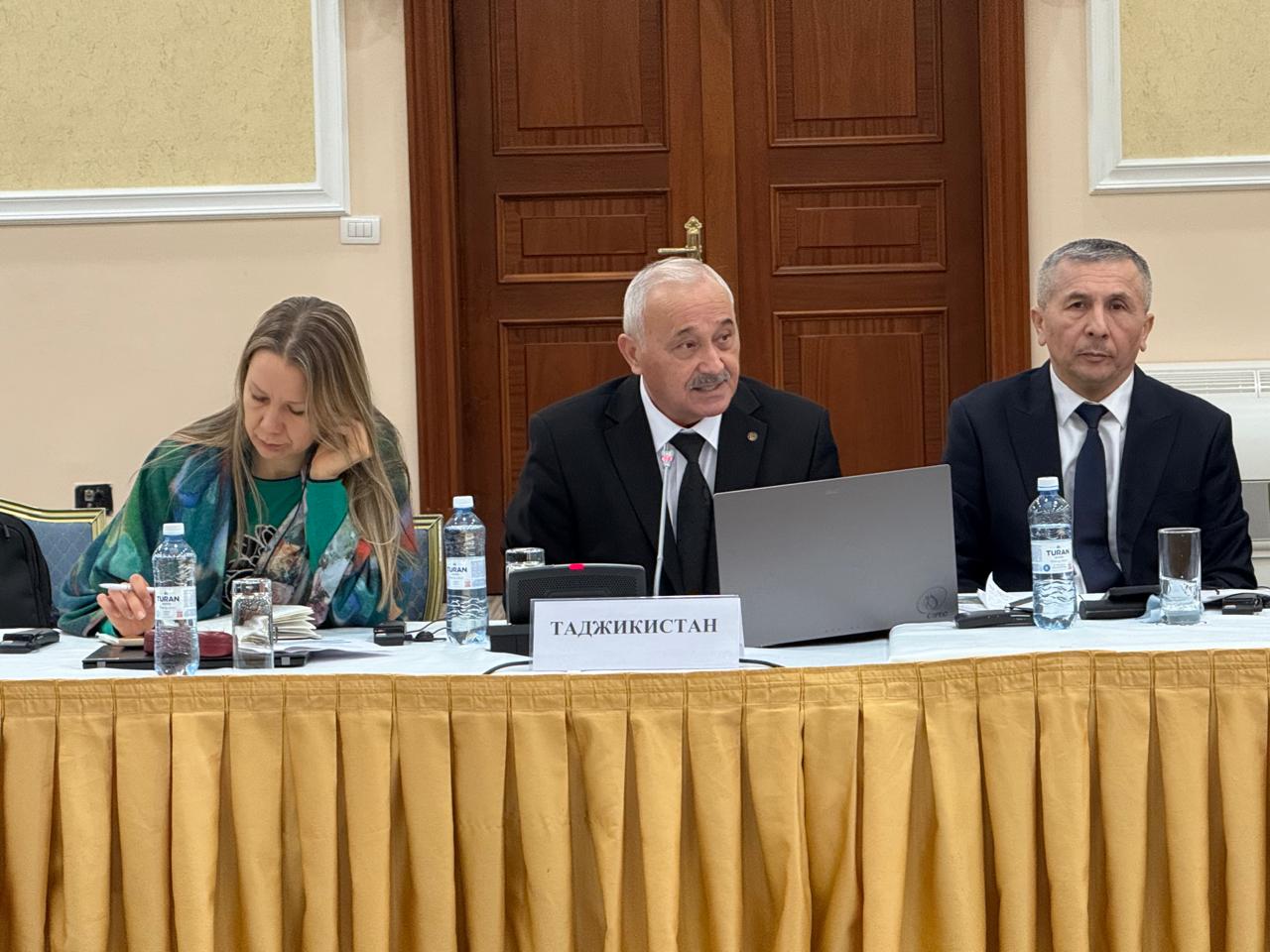
Particular attention was paid to discussing legislative innovations, including the update of the Water Code of the Republic of Kazakhstan, the adoption of the first Water Code of the Republic of Uzbekistan, and the ratification of the Protocol on Water and Health to the 1992 Convention on the Protection and Use of Transboundary Watercourses and International Lakes in both countries. It was noted that these steps contribute to improving access to safe drinking water for the population, improving water resource management, introducing advanced technologies, and strengthening regional cooperation. Representatives of Kyrgyzstan, Tajikistan, and Turkmenistan presented an overview of national surface water monitoring systems.
During the open dialogue, participants discussed the Strategic Vision for the Development of the Regional Working Group on Water Quality, presented by international project expert Dr. Marina Peter, and preliminarily approved the RWG-WQ Action Plan for 2026-2029. The participants also approved the BPCA Work Plan for 2026 in the area of water quality, to be implemented by CAREC in conjunction with the RWG-WQ.
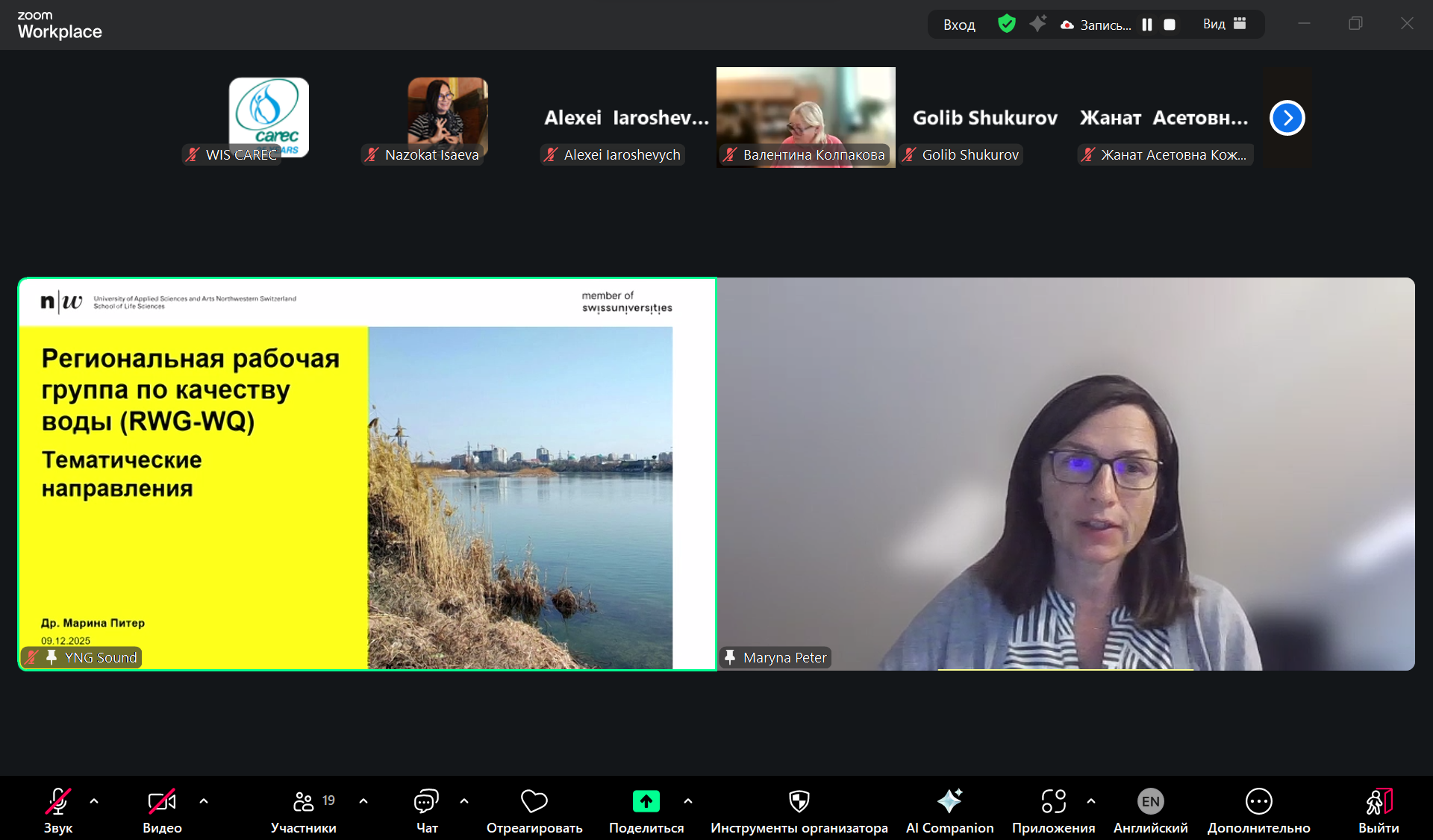
Following the meeting, key issues were discussed and agreed upon for inclusion in the meeting minutes. In particular, the participants agreed to work with the countries on the formation of a permanent composition of the RWG-WQ, as well as to preliminarily identify two priority thematic areas for further work: the development of a flexible, risk-oriented methodology for monitoring and assessing water quality, and the promotion of technologies and approaches aimed at reducing the burden on water resources.
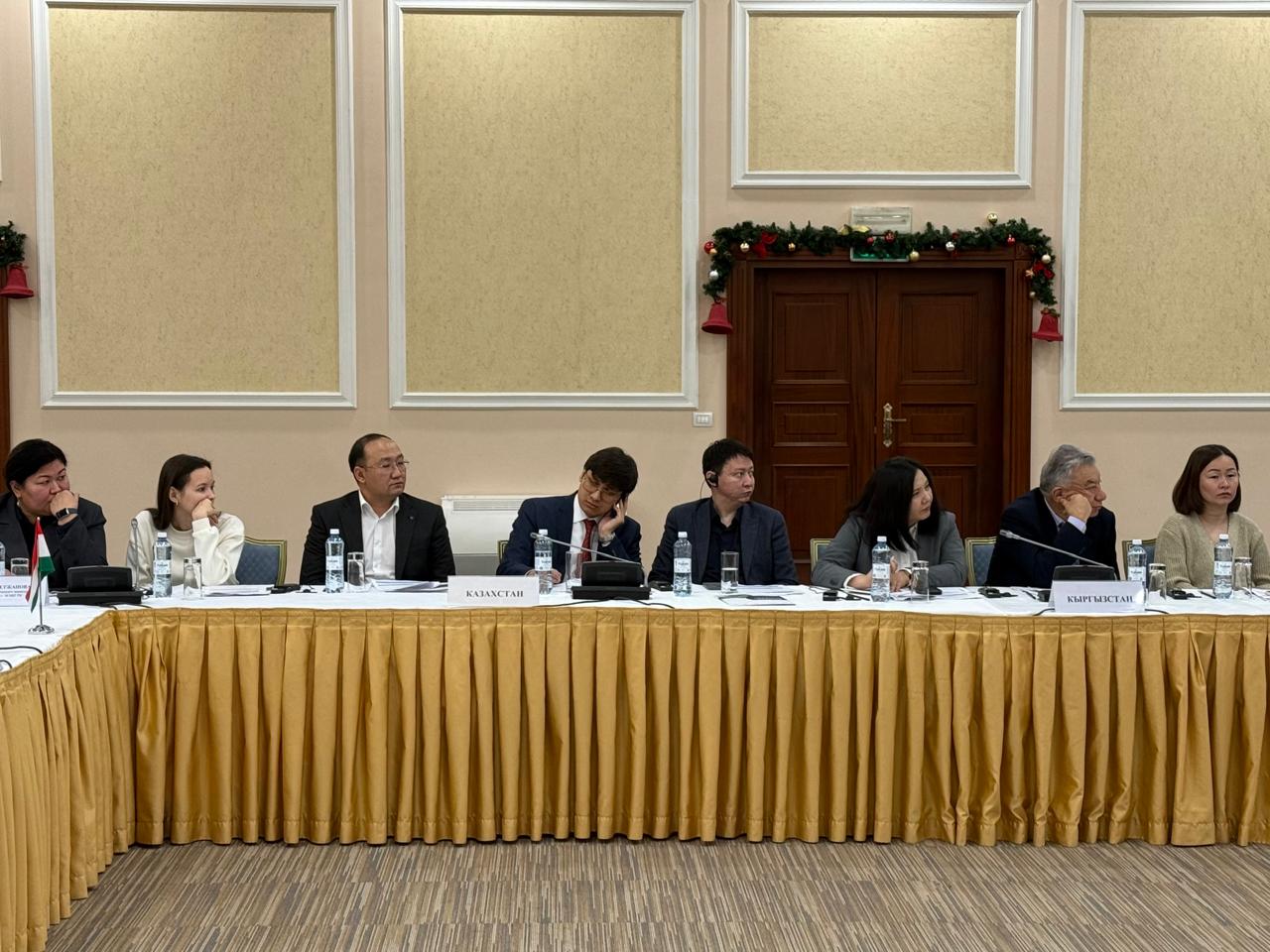
Given the coordinating role of the RWG-WQ in the field of interaction between international partners actively working in the region on water quality issues, a separate session was held on international projects. Presentations by UNECE experts focused on practical recommendations for updating the provisions on the classification and protection of surface water bodies in the Republic of Uzbekistan, as well as European experience in water quality management using the example of the Danube River basin. FAO representatives presented the results of large-scale mapping and modeling of water quality in Uzbekistan and Tajikistan, with a focus on the impact of agrochemicals, including pesticides and fertilizers, which made it possible to develop recommendations for sustainable land use.
In addition, materials from the CoWaSS project of the International Water Secretariat Office in Tajikistan were presented, as well as experiences of cooperation with local universities on water quality monitoring and groundwater protection through the implementation of nature-based sanitation solutions.
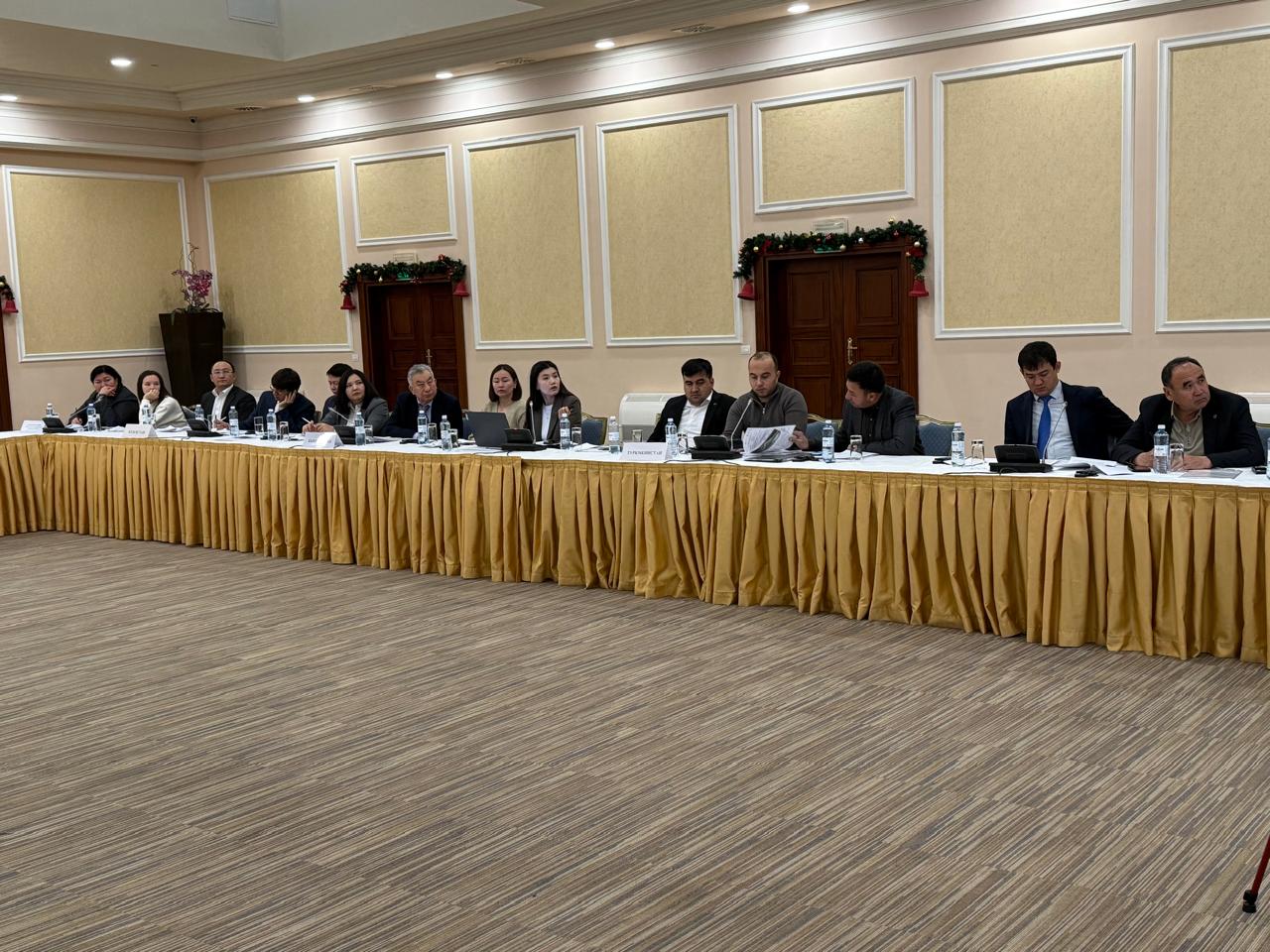
Participants also heard and discussed presentations by representatives of the recently launched SDC Regional Project on Groundwater Management, the Information and Analytical Center under the Ministry of Irrigation and Water Resources of the Republic of Kazakhstan, and the Asian Infrastructure Investment Bank. The UNECE remains a constant partner of the RWG-WQ meetings. The approaches and results presented sparked lively discussion and confirmed the importance of further developing scientific and practical cooperation in the region.
The meeting concluded with closing remarks by representatives of the Ministry of Ecology and Natural Resources of the Republic of Kazakhstan and the Blue Peace Central Asia project.
The RWG-WQ meeting was timed to coincide with the 8th meeting of the Kazakhstan-Uzbekistan Joint Working Group on Environmental Protection and Water Quality in the Syr Darya River Basin, held on December 11, 2025.
For reference:
The Blue Peace Central Asia (BPCA) initiative is implemented by the International Water Management Institute (IWMI), the International Union for Conservation of Nature (IUCN), and the Regional Environmental Center for Central Asia (CAREC) with financial support from the Swiss Agency for Development and Cooperation (SDC).
The BPCA project (2025-2029) is structured around three strategic areas:
· Water diplomacy: strengthening regional and bilateral policy dialogue through science-based platforms, building trust and coordination among Central Asian countries.
· Small transboundary watercourses: implementing pilot projects in small transboundary river basins to demonstrate the benefits of cooperation and open access to international financing.
· Capacity development: empowering youth, women, and media representatives through education, scholarships, and leadership programs, including the launch of a joint master's program in hydrodiplomacy.
For more information, please contact:
Irina Yugay, Acting Manager of the Water Initiatives Support Program, CAREC Project Manager, wisspecialist@carececo.org