

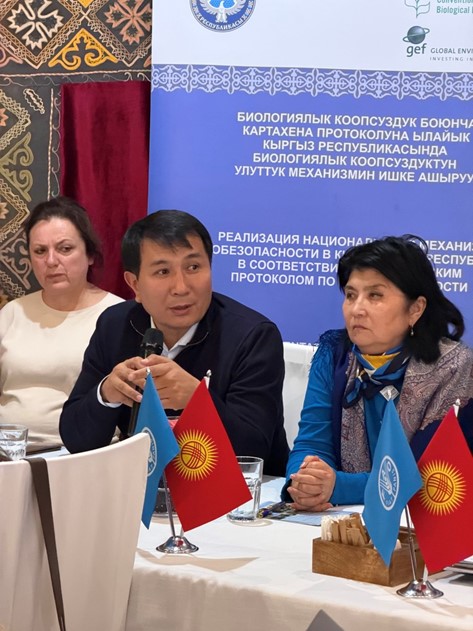
Interagency working group of the project “Implementation of the National Biosafety Mechanism in the Kyrgyz Republic in accordance with the Cartagena Protocol on Biosafety” discussed progress and plans for implementing national biosafety mechanism.
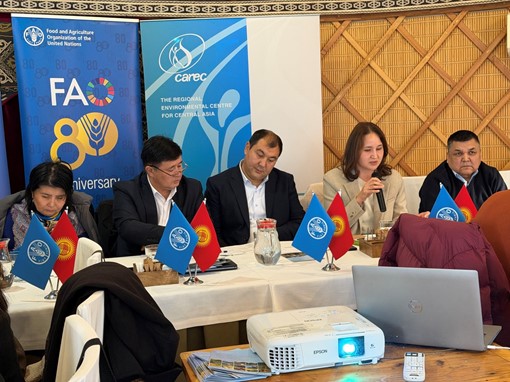
As noted, strengthening the regulatory framework, developing the capacity of specialists, and increasing transparency in the handling of GMOs remain key priorities for Kyrgyzstan.
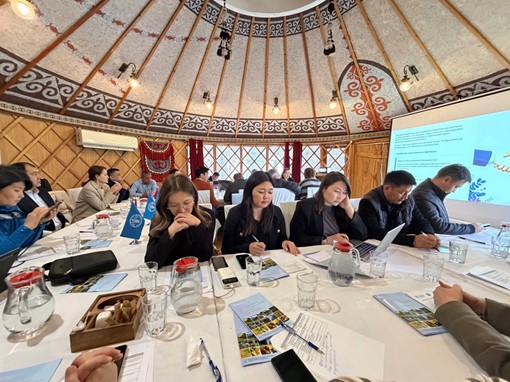
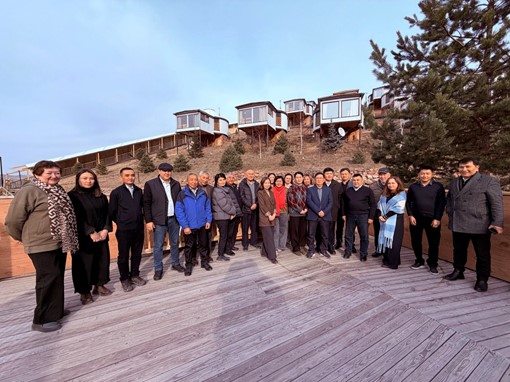
On 4-5 December 2025, two meetings were held in Supara Ethno Complex: one of the interdepartmental working group, and one of the project's supervisory committee.
“The meetings provided an effective platform for discussing key biosafety issues under the Cartagena Protocol to the UN Convention on Biological Diversity and agreeing on further steps to implement the project “Implementation of the National Biosafety Mechanism in the Kyrgyz Republic in accordance with the Cartagena Protocol on Biosafety,” said Kuban Matraimov, Director of the branch of the Regional Environmental Centre for Central Asia (CAREC) branch in Kyrgyzstan.
The meeting brought together representatives of key government agencies, including the Office of the President of the Kyrgyz Republic, the Ministry of Health, the Ministry of Economy and Commerce, the Ministry of Water Resources, the Ministry of Agriculture and Processing Industry, the Ministry of Emergency Situations, the Customs Service of the Kyrgyz Republic, Kyrgyzstandart, and the Academy of Biotechnology of the National Academy of Sciences of the Kyrgyz Republic.
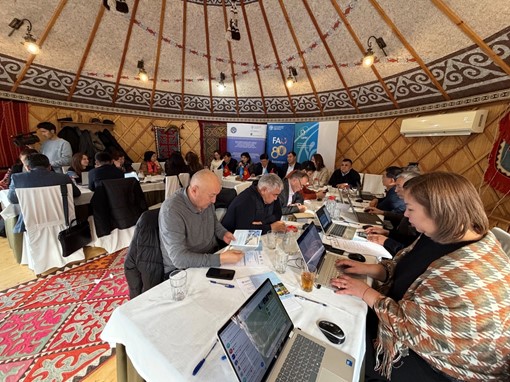
“Significant work has been done during the implementation of the project. Today, we are summarizing the results of 2025 and determining further steps for 2026. Despite the complexity of the tasks, the project working group has successfully coped with the measures being implemented,” said Almaz Musaev, Deputy Minister of Natural Resources, Ecology, and Technical Supervision of the Kyrgyz Republic.
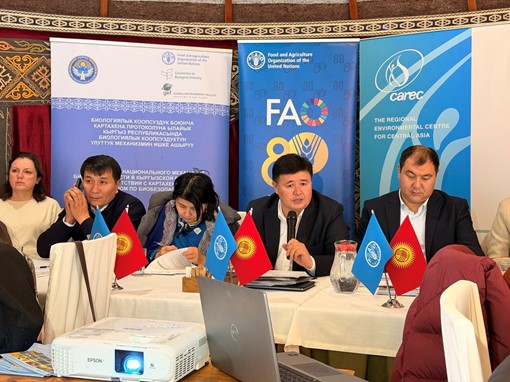
He emphasized that the project helps to remove key barriers in the field of biosafety—the lack of a coordinated regulatory framework, insufficient human resources, and limited access to information about the possible consequences of using GMOs. According to him, the project contributes to strengthening the national biosafety system, improving interagency coordination, creating the necessary administrative mechanisms, including laboratories for detecting GMOs, and improving the competence of specialists. He paid particular attention to the need to complete the development of regulatory and legal acts ensuring the implementation of the Law “On Biological Safety in the Kyrgyz Republic.”
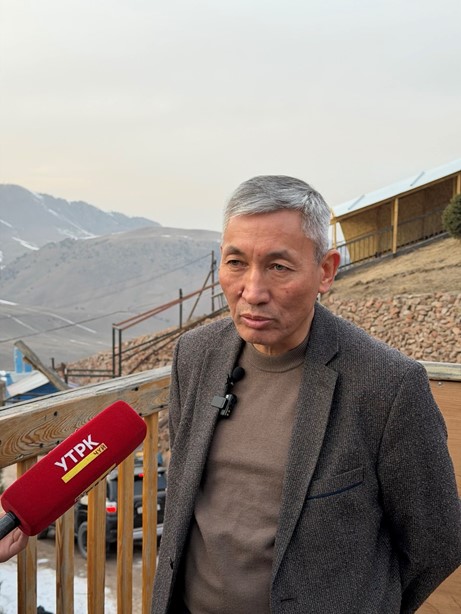
Kuban Matraimov, Director of the CAREC branch in Kyrgyzstan, presented detailed information on the work carried out under the project.
Key results include:
• Regular meetings of the Interdepartmental Working Group and the Project Supervisory Committee;
• Development of methodological guidelines for risk assessment and identification and labeling of GMOs/LIVs in collaboration with Kyrgyzstandart;
• Support was provided to the Ministry of Natural Resources and Environmental Protection in developing draft regulations on the functions of authorized state bodies and organizations in the field of biosafety and GMO management.
• The technical capacity of laboratories and specialists was strengthened.
• A national website on biosafety was created.
“This work contributes to the consistent formation of a national biosafety mechanism, the development of effective interagency coordination, and the improvement of legal and technical support in this area,” said Kuban Matraimov.
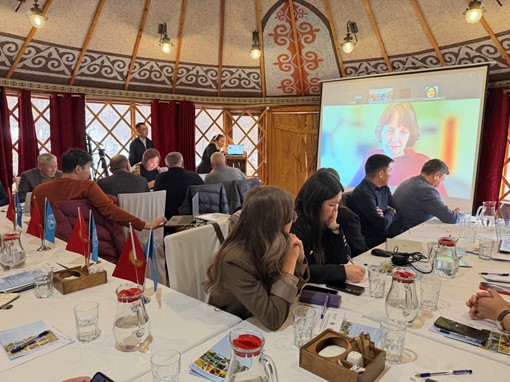
Carolina Starr, FAO Project Coordinator, and Juan Lopez Villar, international expert on GMOs, joined the online meeting. They presented their recommendations for optimizing measures and the results of a review of cooperation between government agencies in regulating GMOs in the Kyrgyz Republic.
During the discussions, particular attention was paid to the development and updating of regulatory acts governing the circulation of GMOs and living modified organisms (LMO) in the country. This work is shaping a modern, coordinated, and transparent biosafety system, strengthening interagency cooperation, and contributing to the fulfillment of Kyrgyzstan's international obligations.”
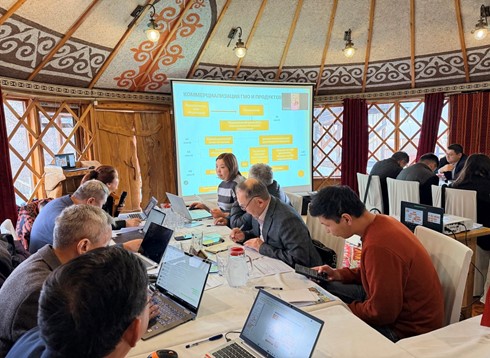
Following the meeting, participants approved the plan of key project activities for 2026. Next year, it is planned to complete the development and approval of regulatory and legal acts ensuring the implementation of the Cartagena Protocol, as well as to provide support to the Ministry of Natural Resources, Ecology, and Technical Supervision in the preparation of subordinate acts for the implementation of the Law “On Biosafety in the Kyrgyz Republic.”
There are also plans to further develop and improve the national biosafety website, which will become a key platform for the exchange of scientific, technical, and legal information on GMOs and LMO.
The decisions taken and the action plan approved for 2026 confirm Kyrgyzstan's commitment to strengthening its national biosafety mechanism and fulfilling its international obligations in this area.
Additional information:
Kuban Matraimov - Director of the CAREC branch in Kyrgyzstan, kyrgyzstan@carececo.org