

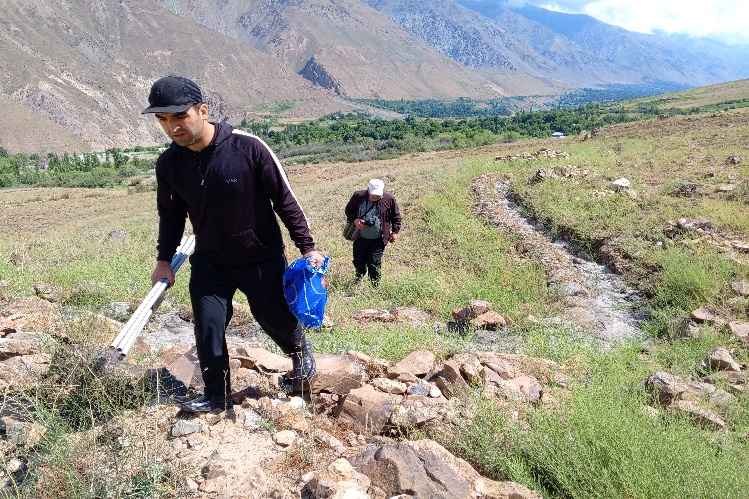
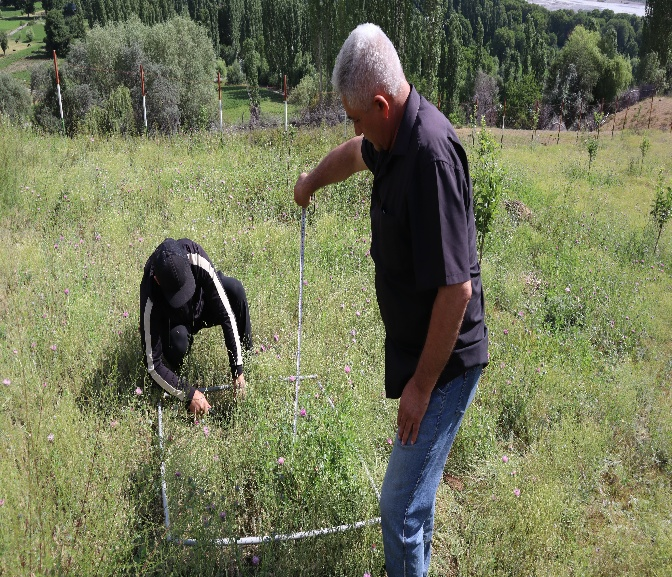
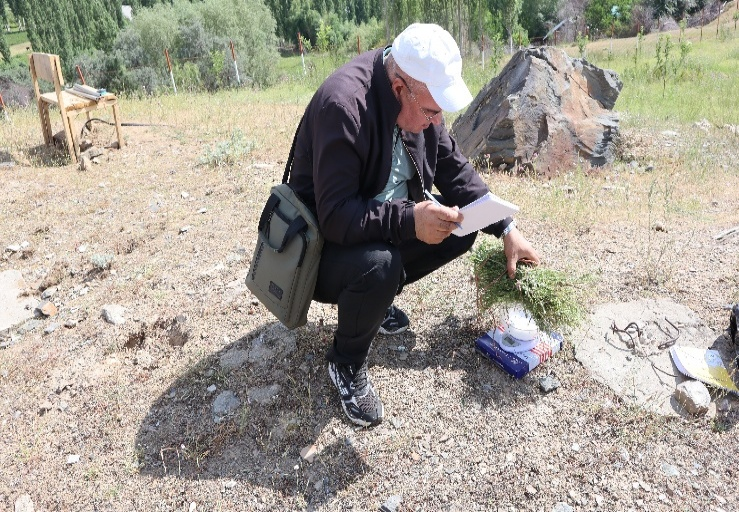
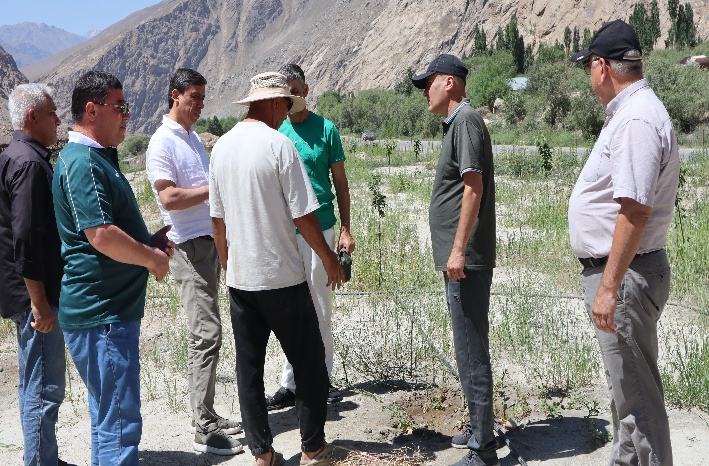
From 13 to 17 July 2026, within the framework of the “Restoration of Resilient Landscapes in the Republic of Tajikistan” (RESILAND Tajikistan) Project, a working group conducted monitoring of the condition and productivity of pastures, as well as the results of restoration measures in the Vanj, Rushon and Shughnon districts of the Gorno-Badakhshan Autonomous Region (GBAO).
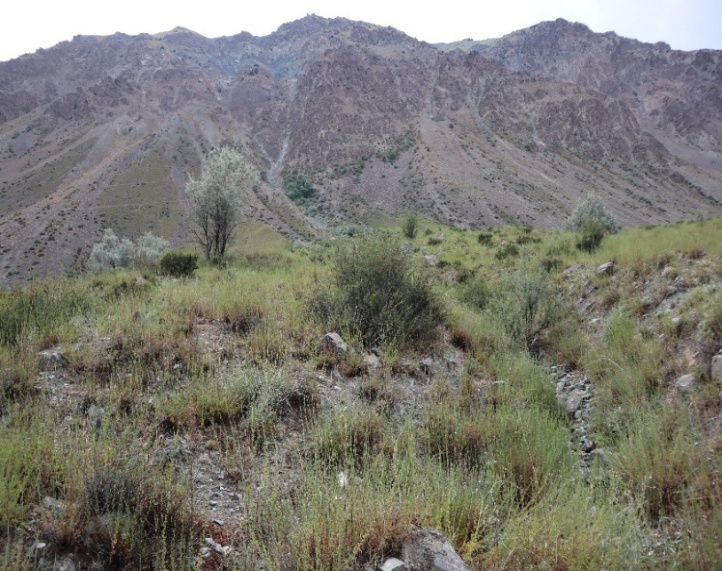
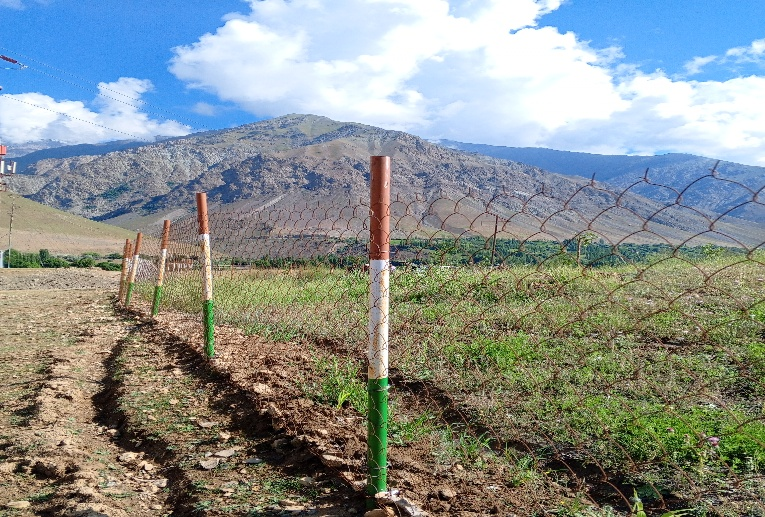
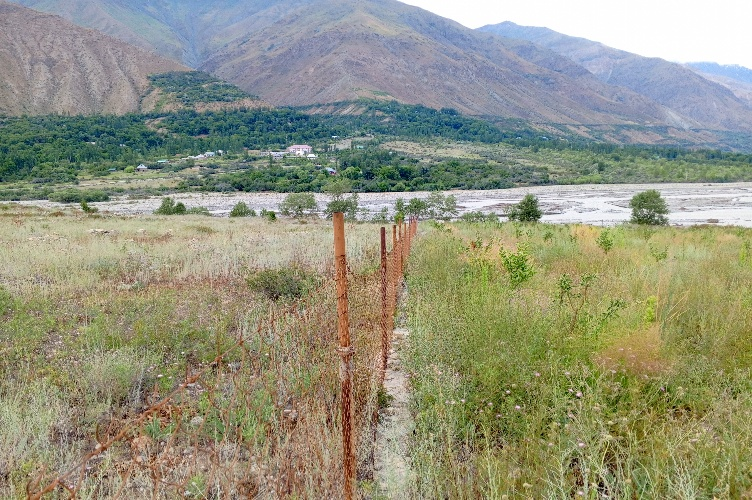
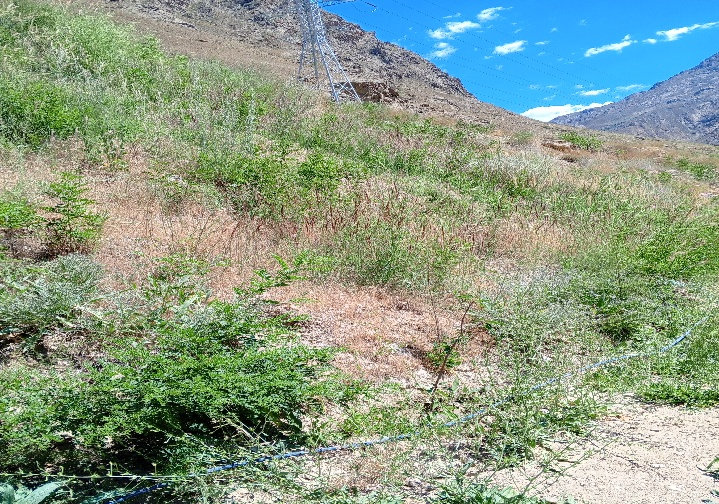
The monitoring focused primarily on the effectiveness of rotational grazing, temporary fencing of pasture areas, improved water supply, and restoration of vegetation cover.
Vanj: 20–30% increase in pasture productivity
Six Pasture User Associations (PUAs) operate in the district. The total area of pastures allocated to these associations is 368 hectares, of which 296 hectares have already been improved through rotational grazing and fencing of selected areas.
Particularly notable results were recorded at the 4-hectare demonstration site of the “Rovand” PUA. Following the restriction of grazing, vegetation height reached 55–65 cm, while total vegetation cover reached 70–80%. The productivity of herbaceous vegetation reached 167–170 centners per hectare of green biomass.
Overall, pasture productivity among the PUAs in Vanj District increased by an average of 20–30%.
Rushon: pasture restoration and new orchards
In Rushon District, 2,344 hectares of pastureland are managed by four PUAs, of which 1,895 hectares have been improved through rotational grazing and fencing.
Productivity on the fenced areas reached 20–26 centners per hectare of green biomass, or 6.7–8.7 centners per hectare of dry biomass, significantly higher than on open pastures.
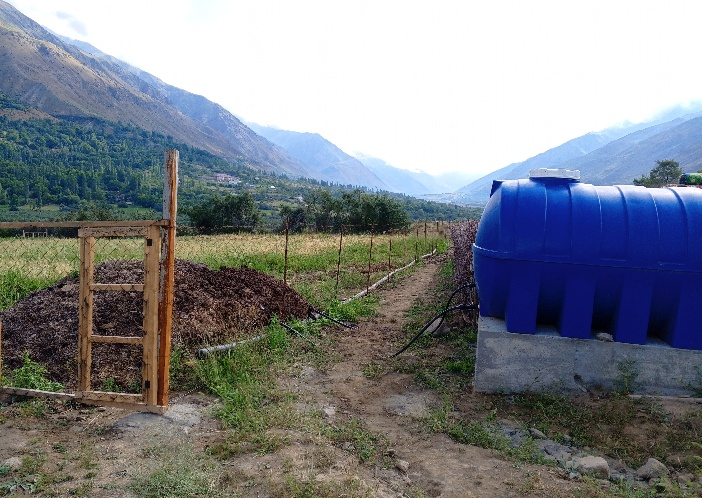
At the same time, the project supports the development of horticulture. At the demonstration site of the “Barakat” PUA, 500 fruit trees were planted, of which around 480 are in good condition.
Water storage tanks with a capacity of 5,000 litres and drip irrigation equipment have also been installed.
Shughnon: pastures as a basis for new sources of income
In Shughnon District, four PUAs manage 793 hectares of pastureland, of which 638 hectares have been improved. Pasture productivity has increased by 20–25%.
At the “Sajar” PUA site, productivity of the fenced pastures reached 27 centners per hectare of green biomass, or approximately 9 centners per hectare of dry biomass.
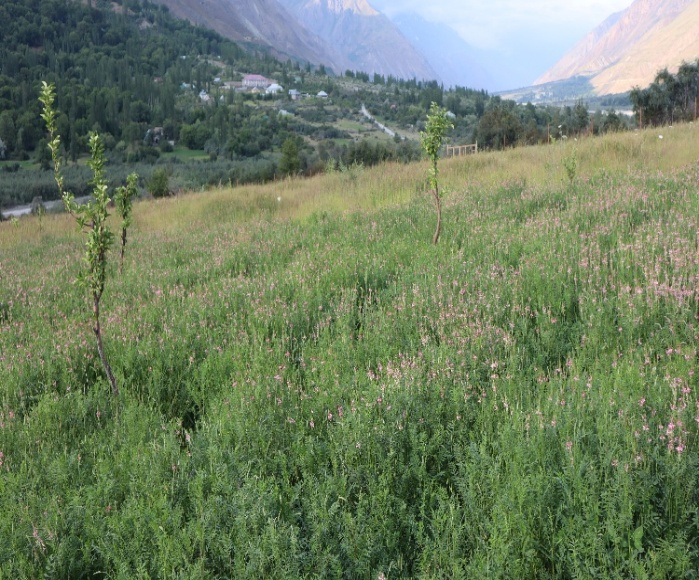
At the same time, fruit orchards are being established on fenced areas and drip irrigation systems introduced. At the “Darmarakht” PUA, a valuable fodder crop — bulbous barley (Hordeum bulbosum) — is being cultivated between the rows of trees. In the future, this crop can be used to strengthen the livestock feed base and support the restoration of other pasture areas.
10 hectares of new orchards
One of the project's most practical results is the establishment of 10 hectares of fruit orchards in Vanj, Rushon and Shughnon districts, with apple and cherry trees and drip irrigation systems.
The survival rate of the planted seedlings is 95–97%.
The use of spaces between tree rows for growing vegetables and fodder crops will enable local residents to generate additional income even before the young orchards reach full fruit-bearing capacity.
What has changed in practice?
The monitoring results demonstrate that proper pasture management produces tangible results:
- 20–30% — average increase in pasture productivity;
- 4,943 hectares of pastureland improved in Vanj, Rushon and Shughnon within the PUAs covered by the monitoring;
- 10 hectares of new fruit orchards established with drip irrigation;
- 95–97% — survival rate of planted seedlings;
- fencing enables pastures to recover and reduces the risk of overgrazing and soil erosion;
- improved fodder availability creates conditions for livestock development and increased incomes for rural communities.
The project is also supporting the development of essential infrastructure, including livestock shelters, water reservoirs and irrigation systems, livestock crossings and on-farm canals, while PUAs are being provided with agricultural machinery and equipment.
Thus, RESILAND Tajikistan is demonstrating in practice that pasture restoration is not only about conserving natural resources. It also contributes to improving the livestock feed base, developing livestock production and horticulture, creating additional income opportunities, and strengthening the resilience of rural communities.
-----------------------------------
The Tajikistan Resilient Landscapes Restoration Project (RESILAND Tajikistan) is part of the World Bank’s RESILAND CA+ program, aimed at strengthening landscape resilience across Central Asian countries. Similar national and regional activities are also being implemented in Kyrgyzstan and Uzbekistan.
The Regional Environmental Centre for Central Asia (CAREC) implements the regional component of the Tajikistan Resilient Landscape Restoration Project.
Additional Information:
Solijon Mirzoev — RESILAND Tajikistan Project Manager, Center for the Implementation of Investment Projects under the Committee for Environmental Protection of the Government of the Republic of Tajikistan.
Dilovarsho Dustzoda — Deputy Team Leader of the Project Implementation Group for “Sustainable Landscape Restoration in the Republic of Tajikistan: Regional Component”, CAREC