

Glacier retreat is already becoming one of the major challenges facing Central Asia. The condition of the region's cryosphere directly affects water resources, public safety, and economic resilience. According to World Bank projections, glacier area could decline by approximately one-third by 2050, increasing the risk of hazardous glacial lakes, mudflows, and floods.
Against this backdrop, it is increasingly important not only to monitor climate change but also to prepare a new generation of specialists equipped to use modern monitoring technologies.
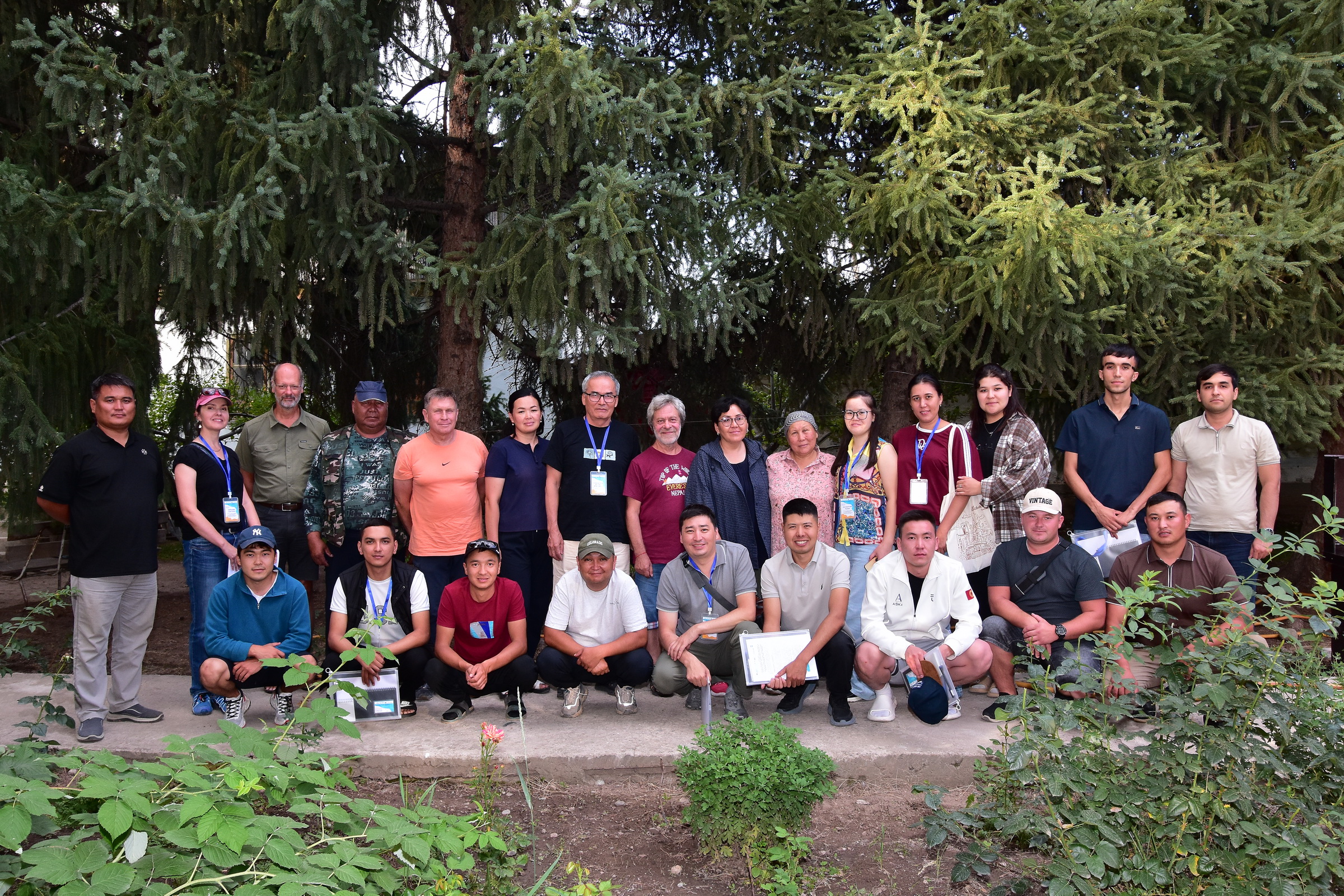
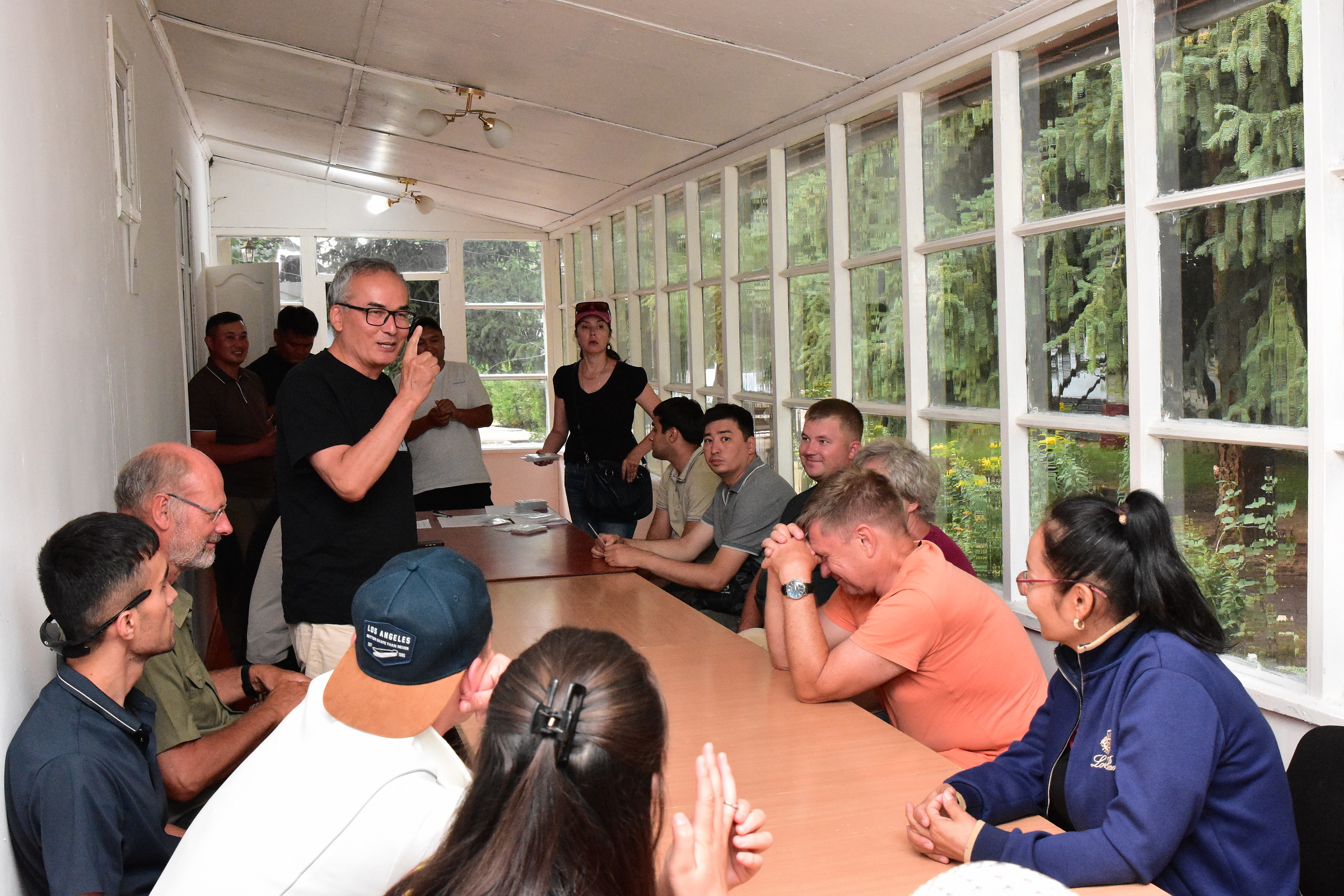
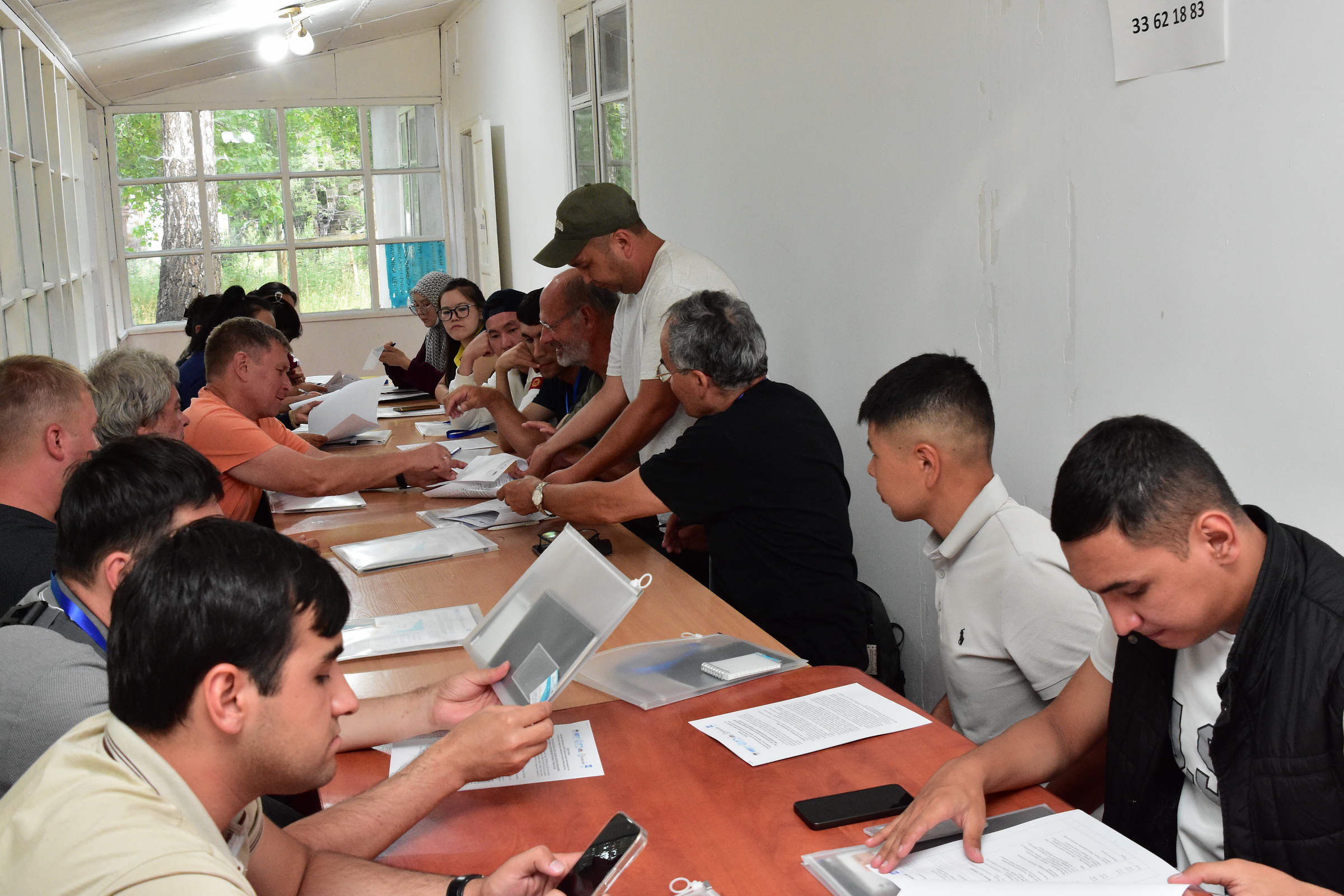
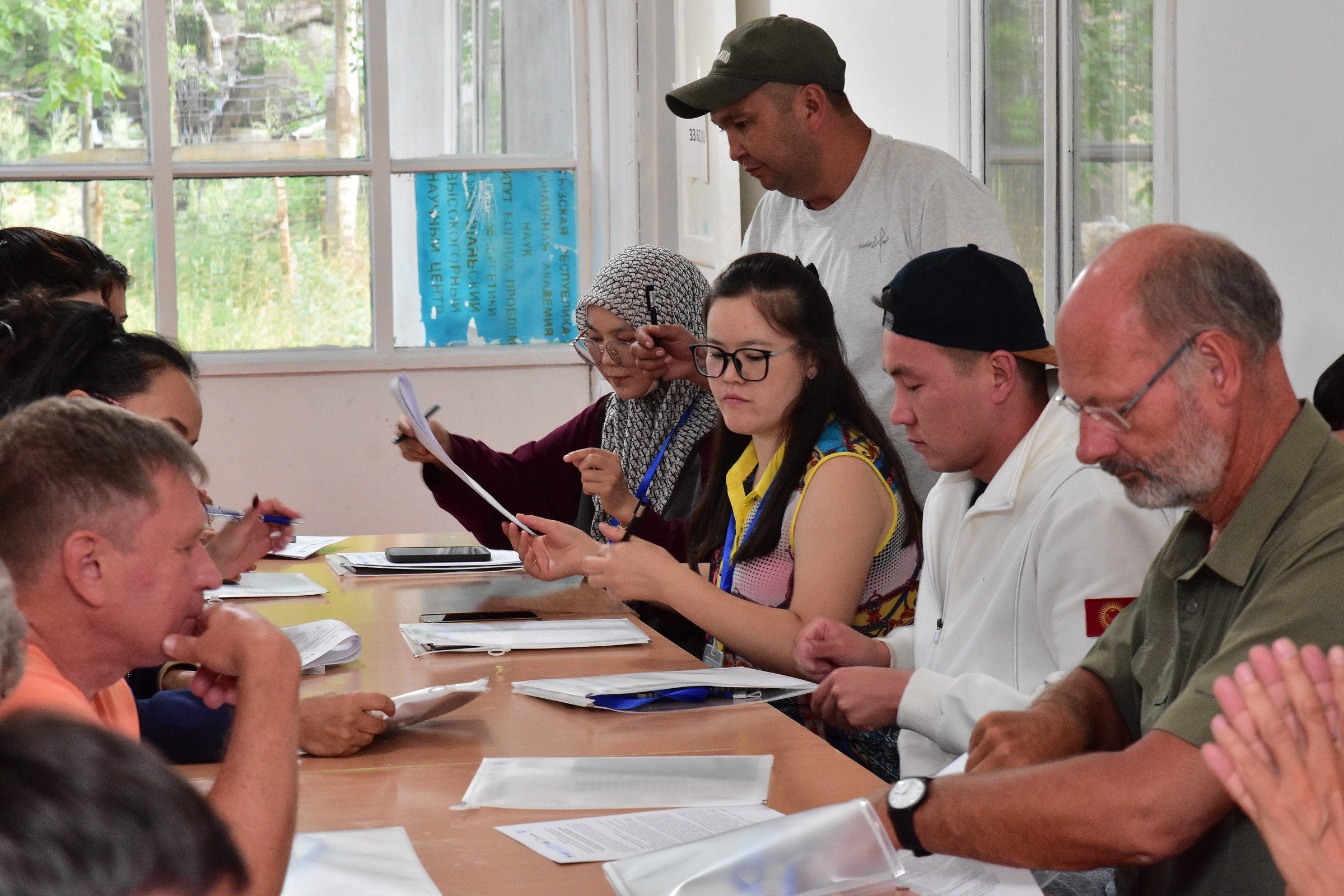
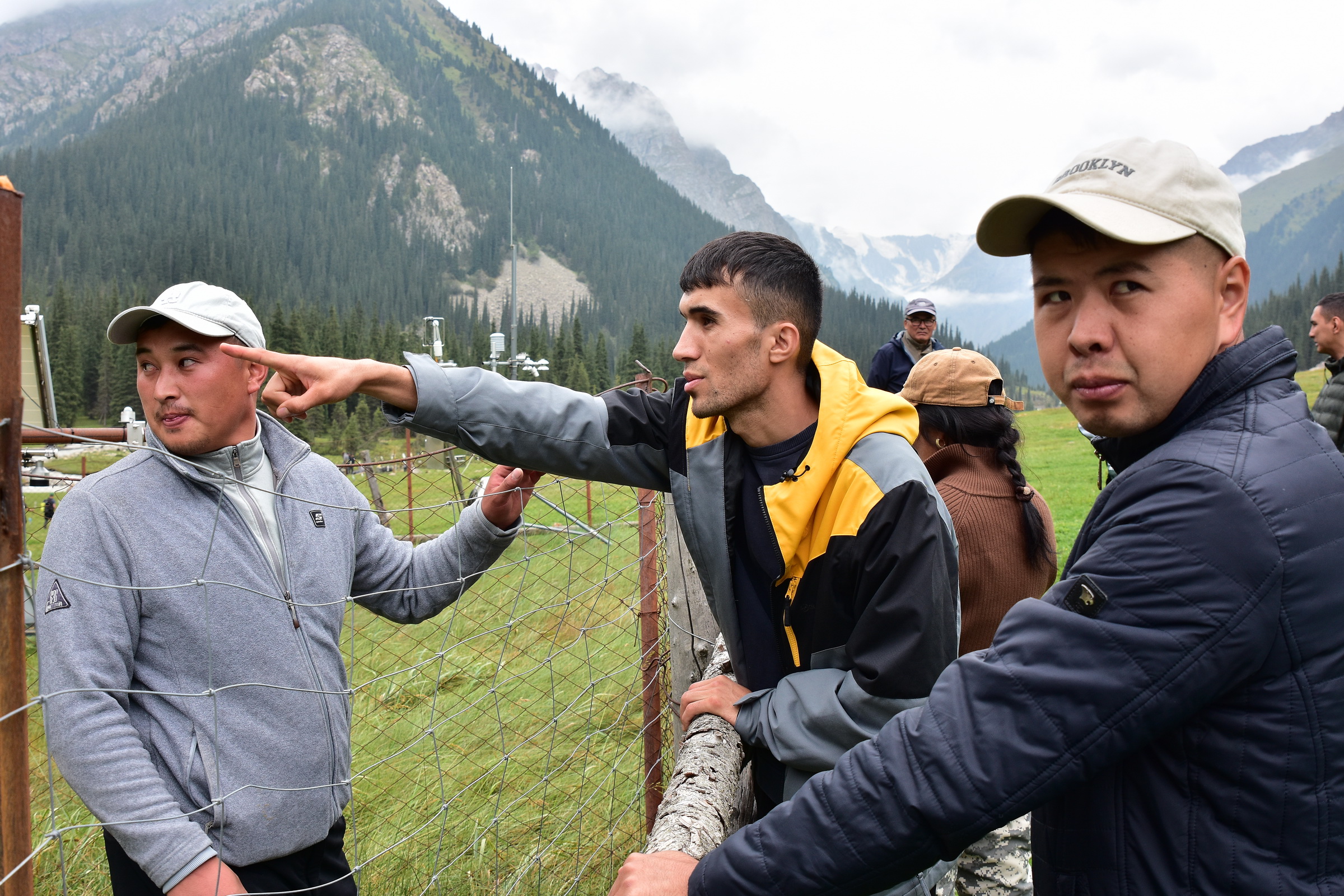
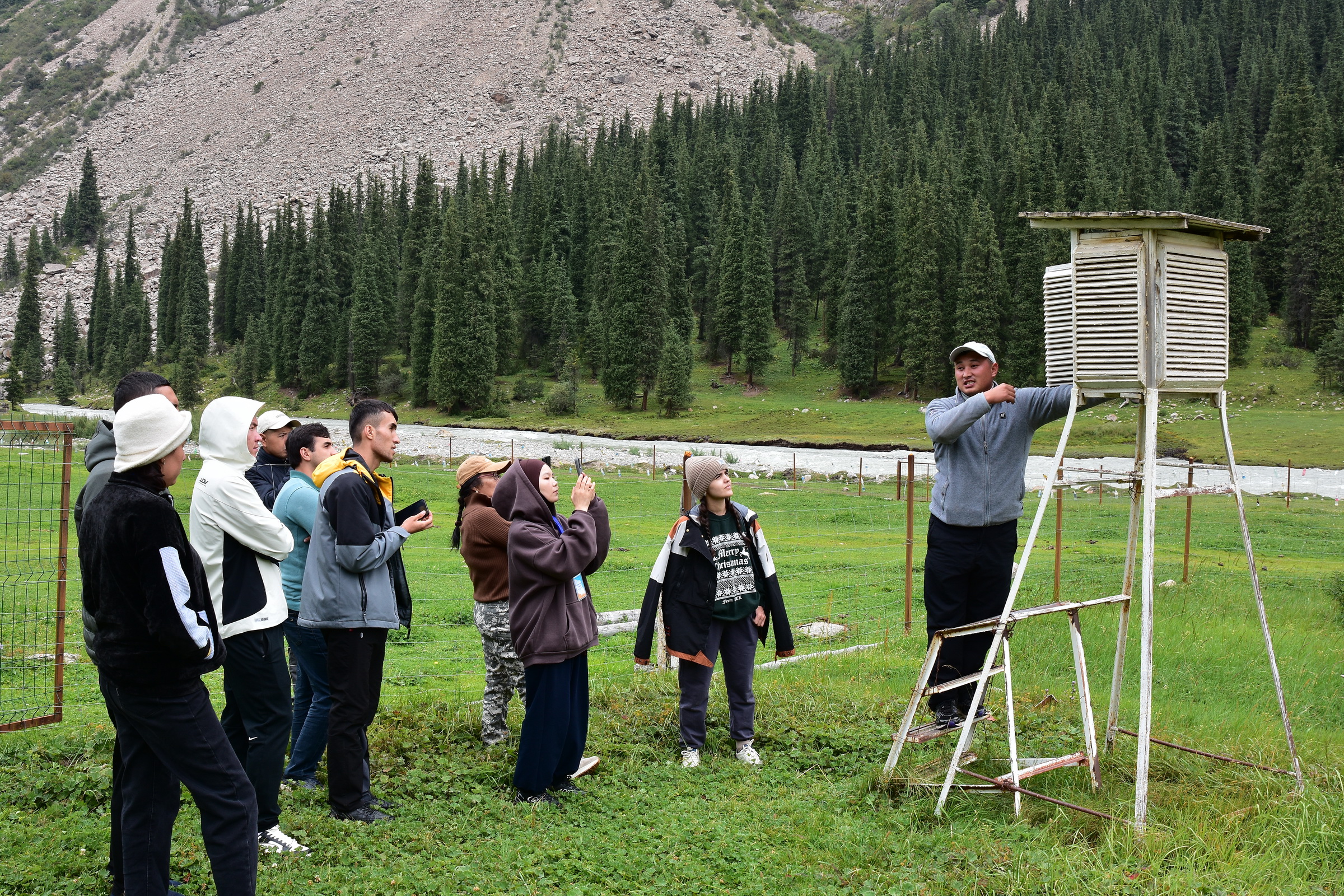
From 3 to 8 August, the International Summer School "Knowledge Transfer and Data Exchange" is being held at Issyk-Kul. The programme focuses on methodologies for data collection to support modelling of glacier evolution in the Inner Tien Shan. The Summer School brings together early-career professionals in hydrology, meteorology, glaciology, and ecology from Kazakhstan, Kyrgyzstan, Tajikistan, Turkmenistan, and Uzbekistan.
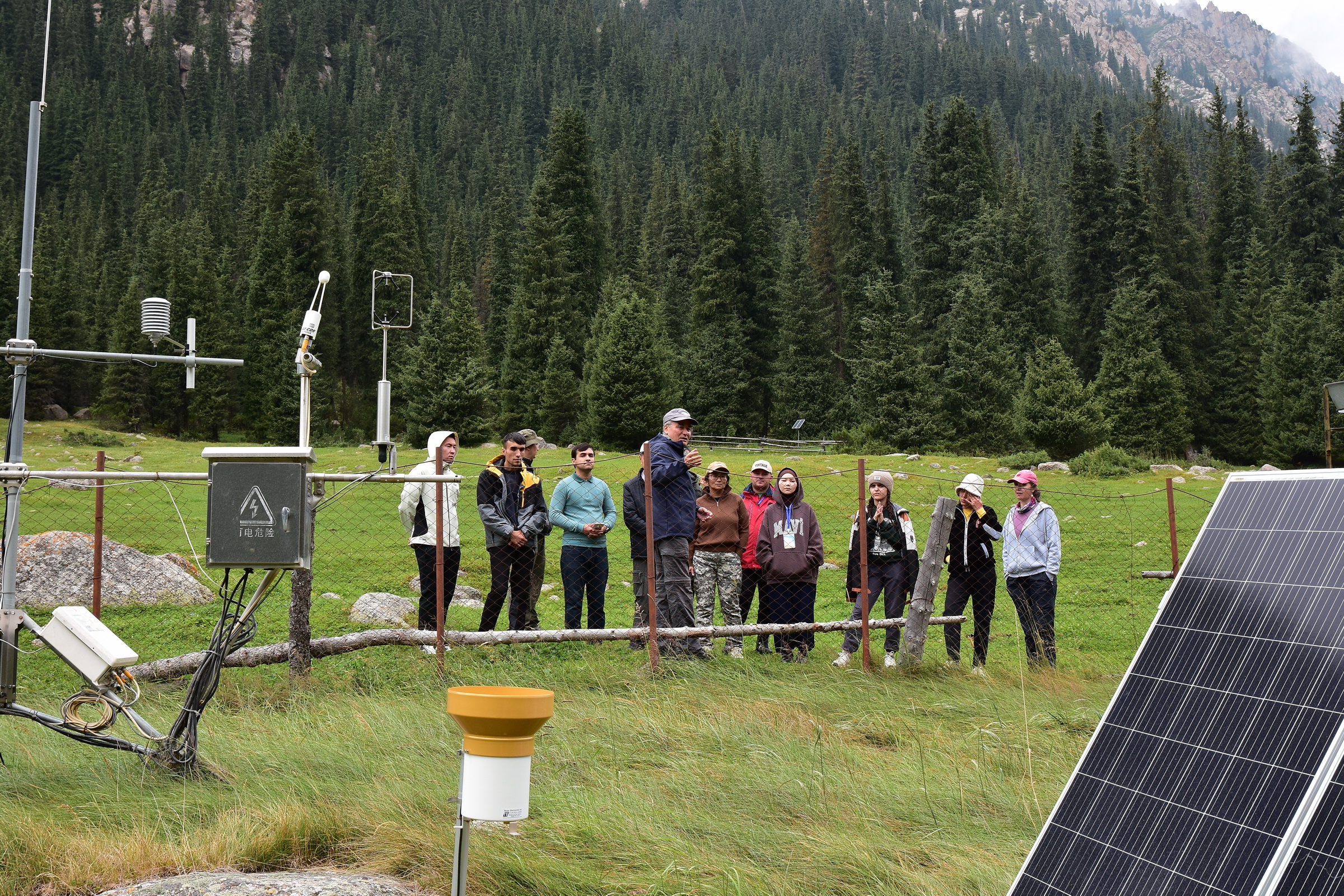
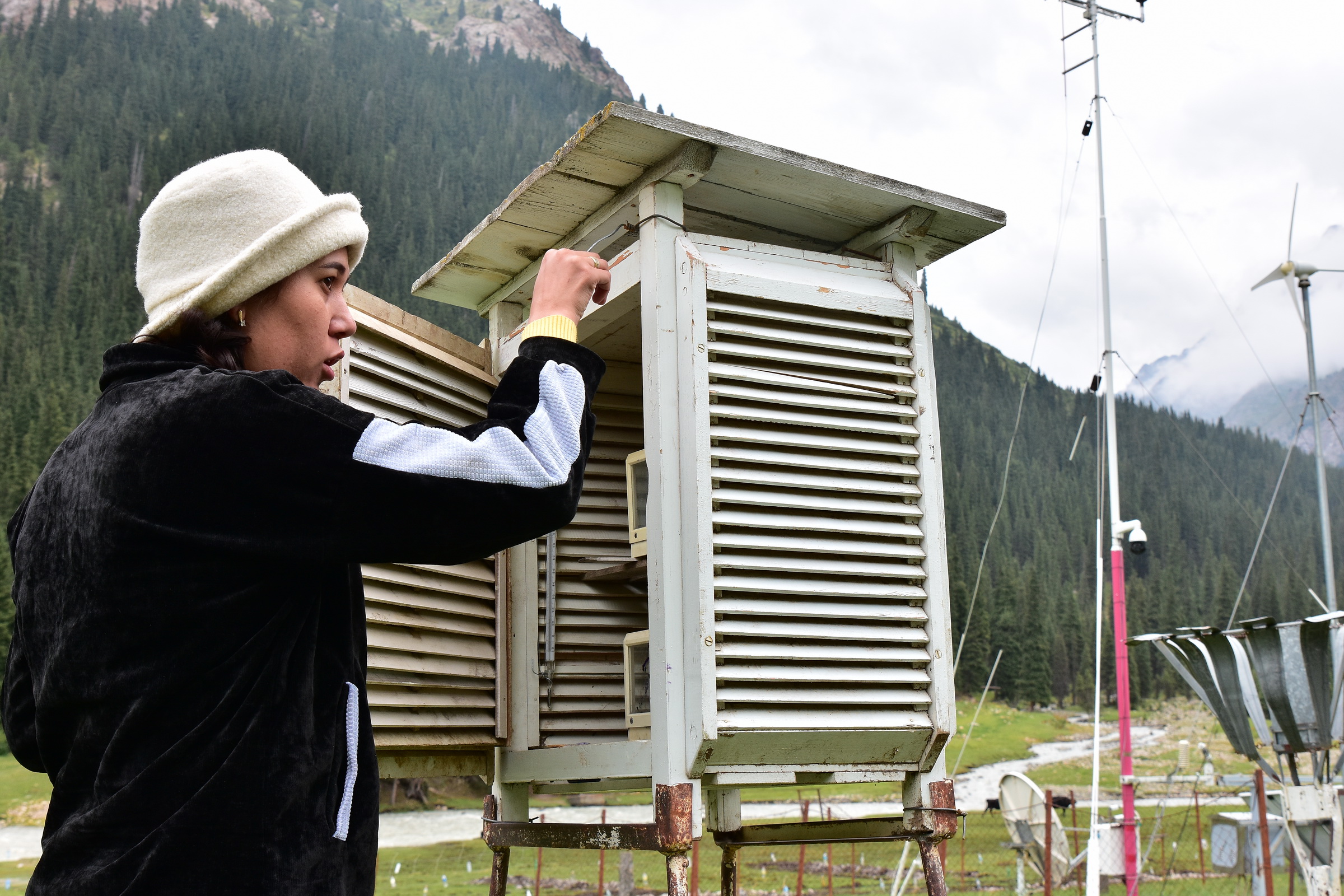
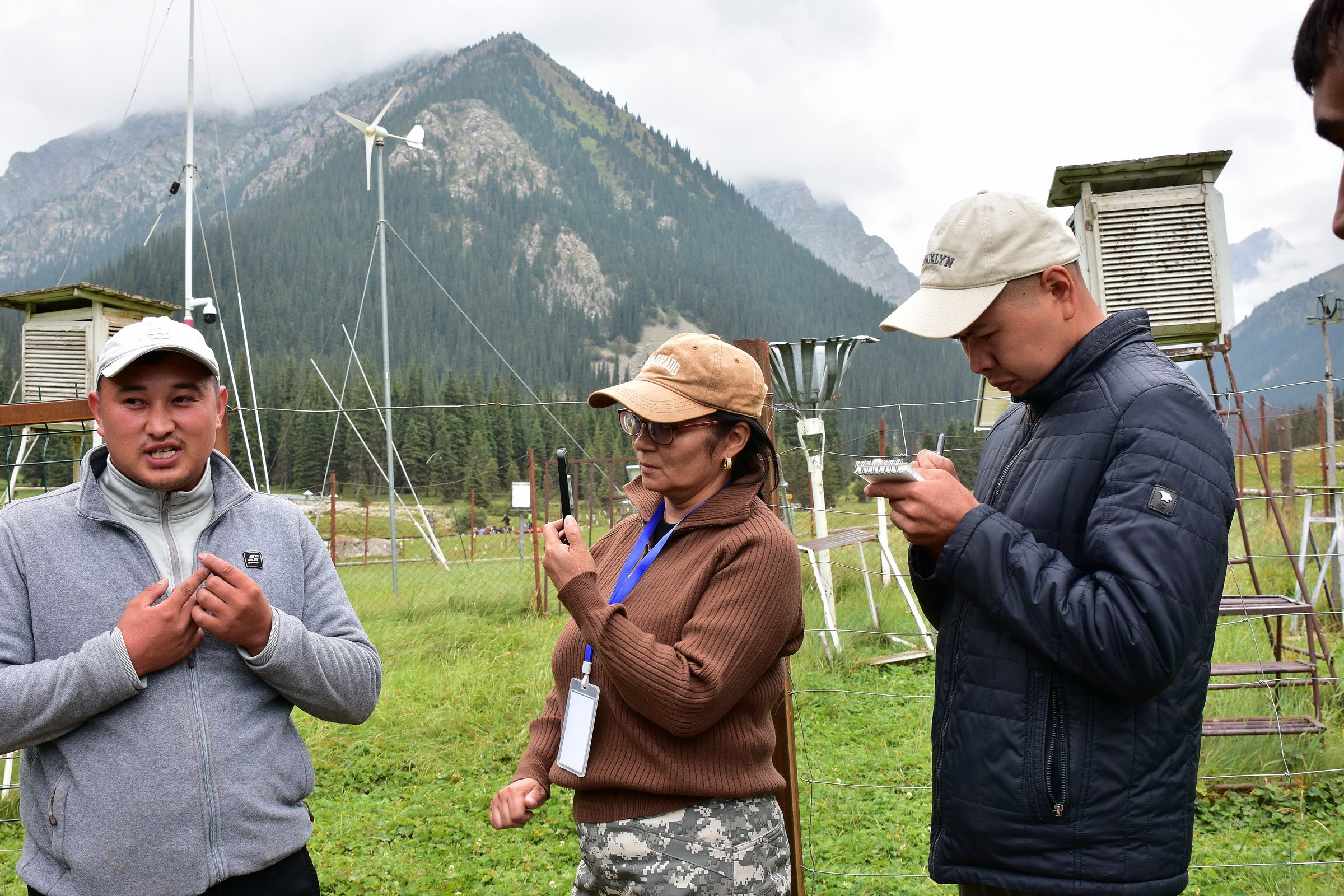
Practical training is taking place at the research facilities of the Tien Shan High Mountain Research Center, including the Chon-Kyzyl-Suu Hydrometeorological Station, the Kara-Batkak Glacier, and the Kara-Bulun Lake Research Station on the shore of Issyk-Kul.
Throughout the week, participants receive hands-on training in the operation of automatic weather stations, water level loggers, hydrological radars, and glacier ablation measurement equipment. They also conduct GPS surveys and carry out remote observations using unmanned aerial vehicles (UAVs).
The training is delivered by scientists and experts from Kyrgyzstan, Kazakhstan, Russia, Belgium, France, and Japan, combining international expertise with practical field experience in high-mountain environments.
Educational initiatives of this kind help strengthen scientific cooperation among Central Asian countries, promote knowledge exchange, and build the capacity of professionals who will contribute to the future monitoring of glaciers, water resources, and climate change.
The Summer School is organised by the Tien Shan High Mountain Research Center under the D. Mamatkanov Institute of Water Problems and Hydropower of the National Academy of Sciences of the Kyrgyz Republic, with the support of the Kyrgyz Republic Resilient Landscape Restoration Project (RESILAND Kyrgyzstan), implemented under the World Bank's regional Central Asia Resilient Landscapes Restoration Program (RESILAND CA+).
The development of modern cryosphere monitoring systems, the strengthening of hydrometeorological observations, the improvement of forecasting for mudflows and flood events, and the enhancement of the capacity of relevant government institutions are among the key areas of support provided by the RESILAND Kyrgyzstan Project.
-------------------------------------
The Kyrgyz Republic Resilient Landscape Restoration Project is part of the World Bank’s RESILAND CA+ program, aimed at strengthening landscape resilience across Central Asian countries. Similar national and regional activities are also being implemented in Tajikistan and Uzbekistan.
The Regional Environmental Centre for Central Asia (CAREC) implements the regional component of the Kyrgyz Republic Resilient Landscape Restoration Project.
Additional information:
Chinara Berbayeva - Deputy Director, Project Implementation Department under the Ministry of Emergency Situations of the Kyrgyz Republic / Project Manager, RESILAND Kyrgyzstan
Lyudmila Kiktenko - Deputy Team Leader, “The Kyrgyz Republic Resilient Landscape Restoration Project: Regional Component” Project, CAREC, lkiktenko@carececo.org