

“Methane is not only a potent short-lived climate pollutant; it is also the primary component of natural gas,” Hanling Yang, Associate Vice President of Energy Transition at the Environmental Defense Fund, stated at National Workshop on Strengthening Methane Emissions Monitoring and Assessment in Uzbekistan: National Workshop on Project Results, Lessons Learned, and Future Opportunities held in Tashkent.
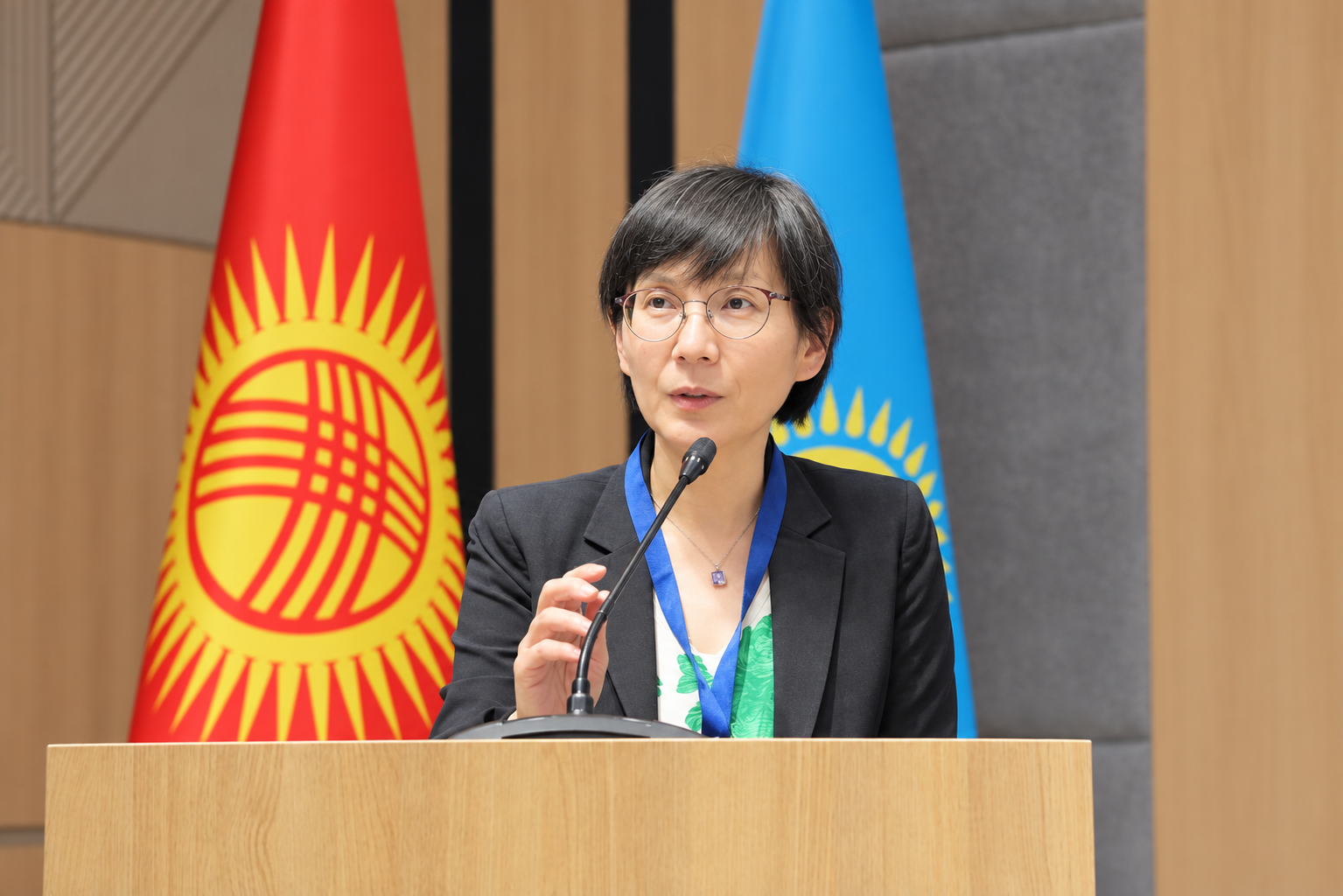
According to her, globally, an estimated 260 billion cubic meters of natural gas are wasted every year through venting, flaring, and leaks. “Capturing this wasted gas would equal double the volume of LNG currently passing through the Strait of Hormuz,” said Hanling Yang.
She believes that reducing methane emissions across the oil and gas sector is the single most cost-effective measure available to strengthen energy security while accelerating decarbonization.
“Here in Uzbekistan, data from the International Energy Agency shows that over 70% of the country’s oil and gas methane emissions can be mitigated using existing technologies. Crucially, more than 50% of these reductions can be achieved at net-zero cost—potentially generating $260 million in added revenue if the captured gas is brought to market. While these estimates can be refined further using direct empirical data, the core message remains unmistakable: by keeping methane in the pipeline, we turn wasted resource into economic value,” said Hanling Yang.
“Over the past few weeks, I have had the privilege of participating in climate and energy conferences across China, Japan, and Thailand. Throughout these forums, a clear consensus emerged: energy security, economic resilience, and decarbonization are not mutually exclusive. They complement and reinforce one another—and methane mitigation stands out as a clear win-win solution,” Hanling Yang noted.
The national seminar “Improving Methane Emissions Monitoring and Assessment in Uzbekistan: Project Results, Recommendations and Next Steps” took place on 22 September 2026 in Tashkent. It brought together government representatives from the National Committee on Ecology and Climate Change of the Republic of Uzbekistan, representatives of the environmental ministries and relevant government agencies of the Central Asian countries — the Republic of Kazakhstan, the Kyrgyz Republic, the Republic of Tajikistan, and Turkmenistan — responsible for hydrometeorological observations, greenhouse gas monitoring, climate reporting, and the implementation of international commitments on climate change, national oil and gas companies of Uzbekistan and Turkmenistan, national inventory experts, research and academic institutions, and international partners.
The seminar was organized by the Regional Environmental Centre for Central Asia (CAREC) together with the Central Asian University of Environmental and Climate Change Studies (Green University), and Environmental Defense Fund (EDF).
Brief note:
Environmental Defense Fund (EDF) is a leading global environmental non-profit organization. For nearly 60 years, guided by science and economics, EDF has worked at the forefront of the world's most pressing environmental issues to deliver transformative, lasting solutions.
With more than 1,000 professionals and 3.5 million members, EDF operates across 30 countries, including four anchor regions: the U.S., the EU, China, and India. Asia is ofparticular importance to EDF, as the region plays a central role in shaping the global energy future. Moving forward, Asia will drive an outsized share of global energy demand to power its expanding economy, industrialization andurbanization. “ Ensuring energy is delivered sustainably is good for the region and for the planet.”
For further information:
Dilovarsho Dustzoda — Project Manager (recath_manager@carececo.org)
Arailym Shulgauova — Project Specialist (ashulgauova@carececo.org)