

The United Nations General Assembly has proclaimed July 12 as the International Day of Combating Sand and Dust Storms, emphasizing that this destructive natural phenomenon poses a global threat to sustainable development and negatively impacts public health, agriculture, and the climate.
In recent years, due to the drying of the Aral Sea, there has been an increase in sand and dust storms in Central Asia. These dust masses not only degrade air quality in the region but also negatively affect the climate by accelerating glacier melt, thereby worsening desertification and land degradation processes.
The RESILAND Tajikistan project aims to restore forests and degraded lands, thus contributing to addressing this issue.
The project covers 10 regions of Tajikistan, including Khatlon, Sughd, and the Gorno-Badakhshan Autonomous Region. In each area, efforts are underway to restore forests, rehabilitate pastures, and develop sustainable agriculture.
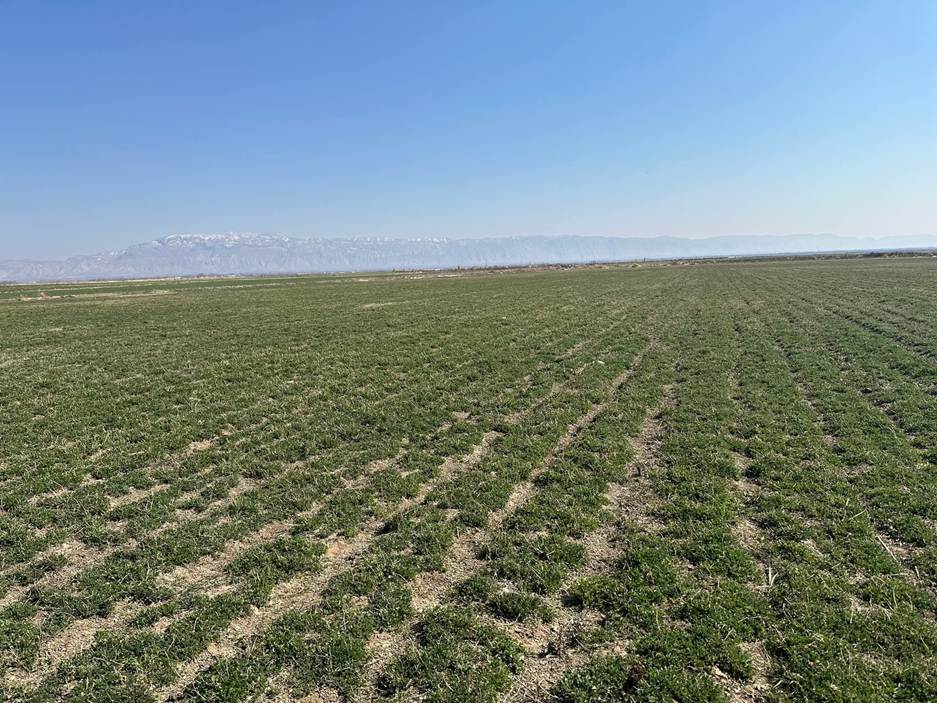
Landscape restoration will help create more productive land, improve the living conditions of local communities, prevent further soil degradation, and enhance food security.
“Rural communities participating in the project gain access to new technologies and farming practices that help them adapt to changing climate conditions. Women and youth play a key role in the project,” said Solijon Mirzoev, coordinator of the RESILAND Tajikistan project.
According to Solijon Mirzoev, pasture restoration is one of the project's key elements. They carry out inventories of pastures, assess their conditions, and develop restoration plans. Modern technologies, including “smart land inventory”, are being used.
“Farmers are provided with equipment for fodder preparation, livestock are vaccinated, and measures to rehabilitate degraded areas are supported.
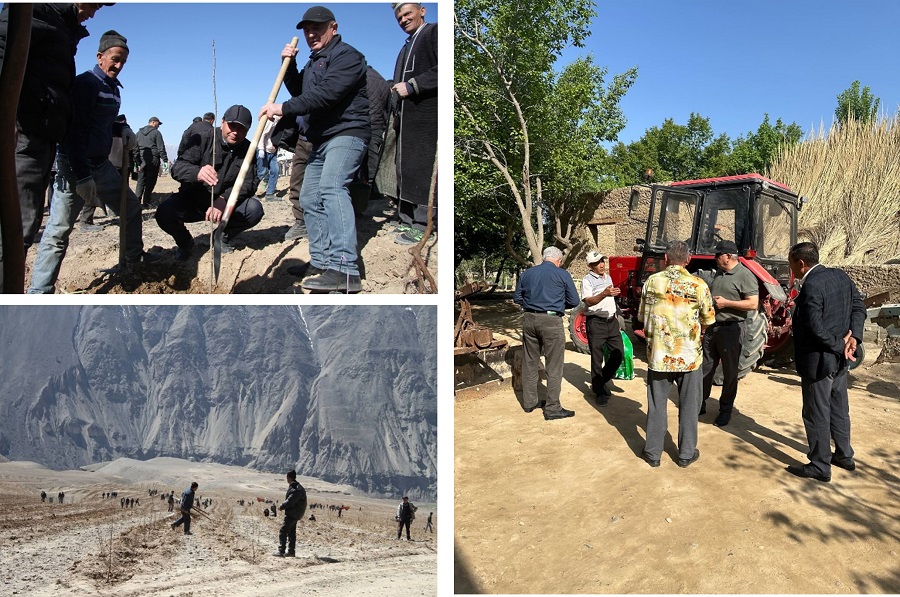
Farmers improve their pastures and forage lands; we plant shelterbelts of saxauls and elms. It contributes to the microclimate on arable lands, increases yields, and facilitates climate change adaptation.
All of this creates conditions for the sustainable development of livestock farming and to improve food security in the region,” Solijon Mirzoev emphasized.
|
Recall, the Regional Environmental Centre for Central Asia (CAREC) provides advisory support to strengthen regional cooperation within the RESILAND Tajikistan project. CAREC offers a regional platform for exchanging information under the landscape restoration program to address shared land degradation challenges in the region.
Contact information:
Dilovarsho Dustzoda – CAREC Climate Change and Sustainable Energy Program Manager, RESILAND Project Manager, recath_manager@carececo.org