

|
The Regional One Health Scientific Day in Bishkek highlighted how research can help Central Asia move from reacting to threats toward preventing them through evidence, cross-sector collaboration and practical solutions. |
Bishkek • 15 September 2026 • Regional One Health Scientific Day
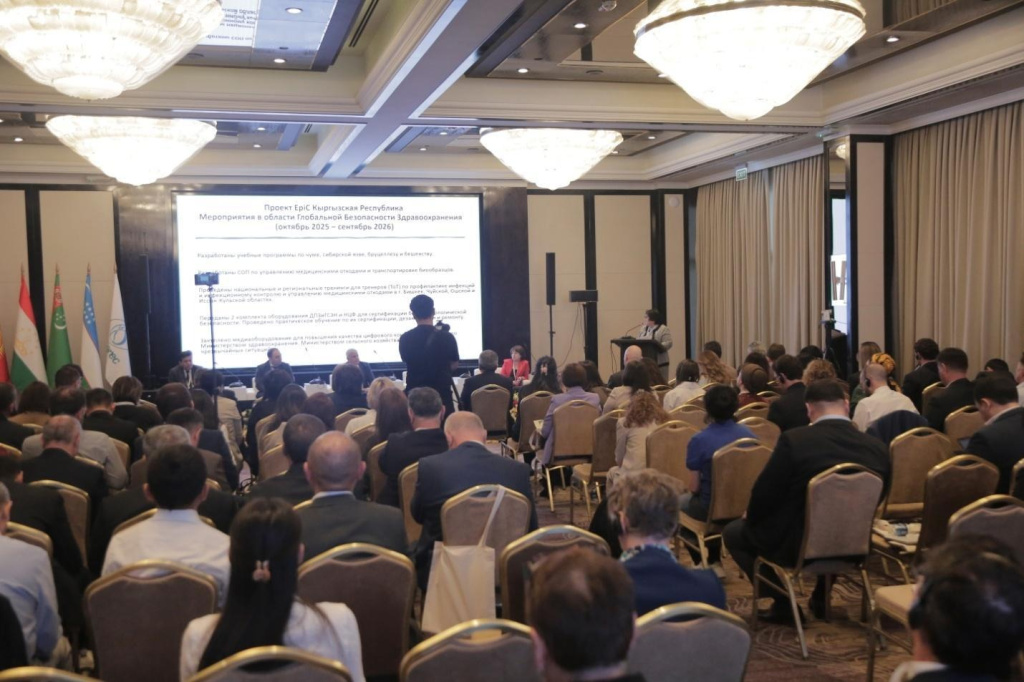
Regional One Health Scientific Day in Bishkek. Photo: CAREC.
Science as a tool for prevention
When biological and climate threats demand rapid action, research can appear to be the slower route. Yet good evidence is what allows decision-makers to identify where risk is highest, which interventions work, and how limited resources can be used more effectively. This was one of the central messages of the Regional One Health Scientific Day held in Bishkek as part of the Second Regional Conference of the One Health programme.
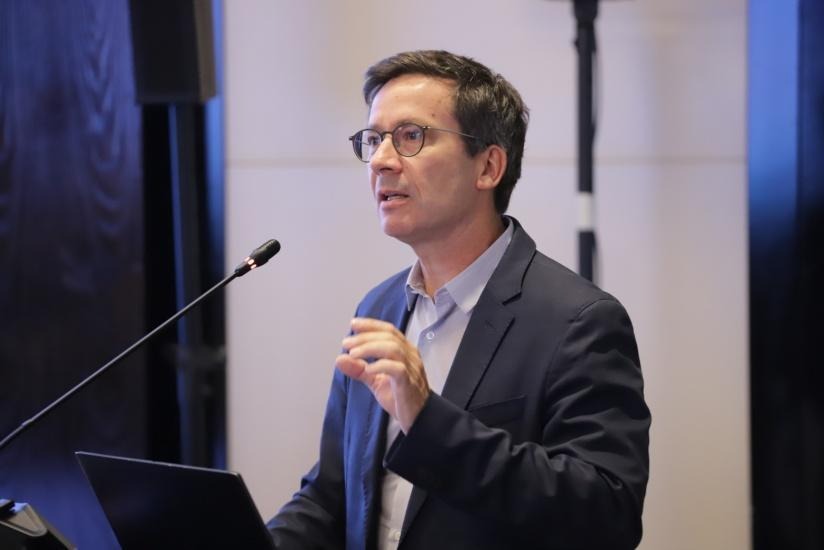
Opening the scientific programme, Pierre Gerber, Senior Agricultural Economist at the World Bank, underscored the practical value of both fundamental and applied research. This is particularly relevant in Central Asia, where human health, veterinary services and environmental systems face shared risks, while solutions must reflect transboundary ecosystems, pastoral livestock production, water scarcity and a changing climate.
|
Pierre Gerber. Photo: CAREC. |
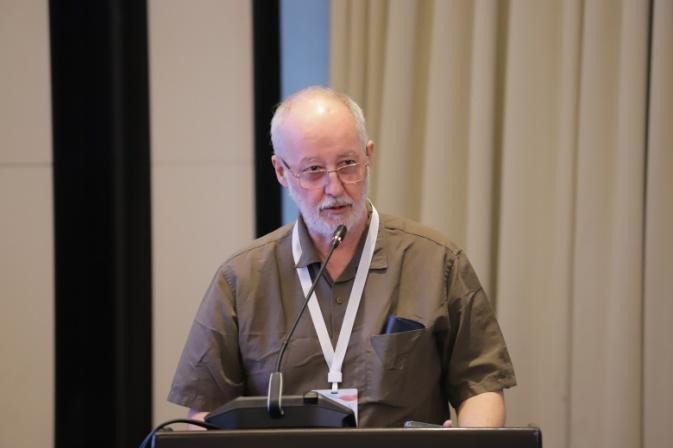
Serge Morand. Photo: CAREC. |
The programme ranged from extreme heat and climate-related risks to metagenomic wastewater surveillance, antimicrobial resistance, brucellosis, echinococcosis and highly pathogenic avian influenza. Across these topics, the same principle emerged: human health cannot be addressed in isolation from animal health and the environment.
From climate to laboratories: three practical examples
Serge Morand, Director of the HealthDEEP laboratory, OHHLEP member and CNRS representative to PREZODE, explained why climate change should be considered not only an environmental issue but also a public-health concern. Temperature extremes, ecosystem degradation and changing interactions among wildlife, livestock and people can create conditions that facilitate pathogen circulation. Among the risk-reduction approaches he highlighted were nature-based solutions, including biodiversity conservation, sustainable pasture management and ecosystem restoration.
Tatiana Kovalchuk of Tajikistan’s National Reference Laboratory presented an assessment of intersectoral laboratory cooperation for zoonotic disease surveillance. According to the data presented, coordination on antimicrobial resistance reached 85%, while joint laboratory surveillance of zoonoses was assessed at around 30%. The contrast illustrates the importance of formal information-sharing protocols, joint exercises and interoperable digital tools for earlier warning and response.
A third example came from Kubanychbek Abdykerimov of the Kyrgyz Research Institute of Veterinary Medicine named after A. Duysheev and the Institute of Parasitology at the University of Zurich. The study analysed more than 9,000 environmental samples for contamination with Echinococcus and Taenia spp. eggs. The findings highlighted that echinococcosis risk is shaped by a combination of environmental and behavioural factors, meaning that veterinary measures alone are insufficient and should be complemented by integrated environmental and sanitary surveillance.
From field studies to decisions and publications
The poster programme complemented the keynote presentations with practical examples from across the region. Early-career researchers presented work on joint training for epidemiology, veterinary and environmental specialists, digital monitoring of water bodies during extreme heat, water-saving technologies, and surveillance of vector-borne and parasitic threats in high-mountain ecosystems. Importantly, many of these projects were designed not only to generate data but also to provide tools that practitioners and decision-makers can use.
Scientific writing and international visibility were another focus. The training session was moderated by Kairat Tabynov, CAREC Consultant on the Veterinary Sector for the One Health in Central Asia programme and Responsible Guest Editor of the Science in One Health Special Issue “Advancing Knowledge on One Health in Central Asia”. The keynote training lecture was delivered by Professor Xiao-Nong Zhou, Editor-in-Chief of Science in One Health. Participants discussed how to articulate novelty more clearly, structure manuscripts effectively and present regional evidence so that it can contribute to the international scientific conversation.
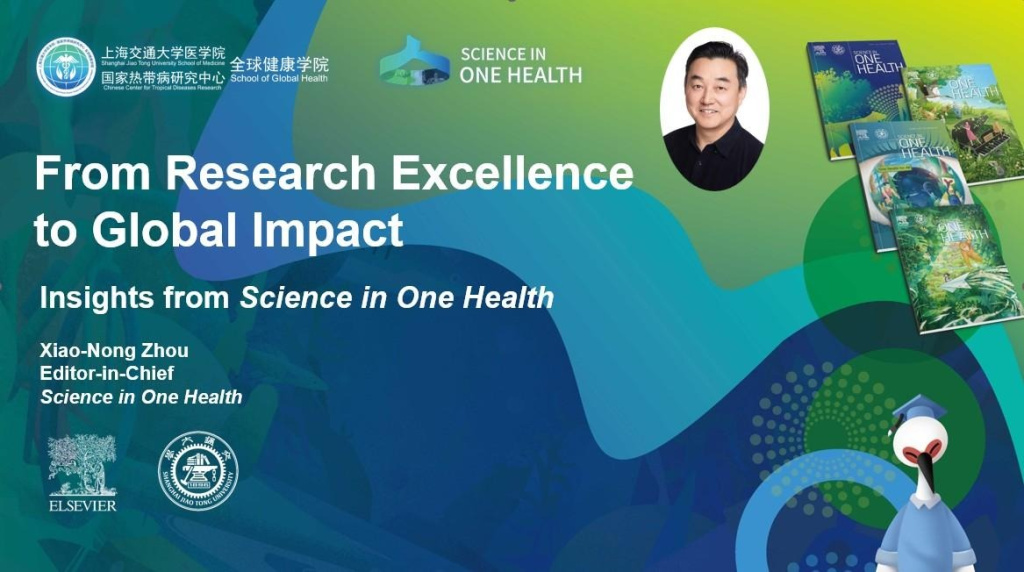
Slide from Professor Xiao-Nong Zhou’s presentation, “From Research Excellence to Global Impact: Insights from Science in One Health.”
The day’s practical orientation was reinforced by experience with all-hazards simulation exercises (SimEx) presented by experts from Uzbekistan. Such exercises help test preparedness before a real crisis, identify coordination gaps and translate analytical findings into operational response protocols.
A regional evidence base as a shared asset
The Regional Scientific Day demonstrated that a strong research agenda in Central Asia is not an academic add-on but part of the region’s practical resilience infrastructure. It can help detect risks earlier, connect evidence across sectors and countries, test the effectiveness of interventions and support decisions grounded in data.
One Health is most persuasive when research brings people, animals and ecosystems into the same analytical frame. For Central Asia, a stronger shared evidence base can support action across a wide range of priorities, from zoonotic disease prevention and antimicrobial resistance to climate adaptation and more effective emergency preparedness.
The scientific conference was held within the framework of the project implemented by CAREC with financial support from the World Bank and the Pandemic Fund (HEPR)
Kairat Tabynov
DVM, PhD, Veterinary Sector Consultant
Central Asia One Health Program