

Sepsis accounts for 20% of all deaths worldwide. It is a life-threatening condition caused by an acute immune system response to an infection, leading to damage to the body’s own tissues and organ dysfunction. According to the World Health Organization (WHO), 48.9 million cases of sepsis are recorded globally each year, resulting in 11 million deaths. Healthcare-associated (nosocomial) sepsis is of particular concern to clinicians: the WHO estimates that it develops in an average of 15 out of every 1,000 hospitalized patients. Moreover, these infections are frequently caused by pathogens with antimicrobial resistance (AMR), which drastically reduces treatment efficacy and increases the risk of a fatal outcome.
Healthcare-associated sepsis can stem from numerous factors—ranging from the underlying condition of patients and medical interventions to the organization of epidemiological and sanitary control. Among all these factors, however, the development of antibiotic resistance warrants special attention, as it renders standard therapies ineffective and sharply complicates the course of the infection.
Elvira Maksatova, a bacteriologist with over 25 years of experience at the laboratory of City Clinical Hospital No. 7 in Almaty, explained how bacteria "learn" to evade modern medications and why treating complicated infections costs patients and the healthcare system several times more.
A Laboratory on the Frontlines of Epidemiological Surveillance
The bacteriological laboratory at Almaty’s city Clinical Hospital No. 7 not only performs routine inpatient diagnostics to determine pathogen susceptibility to antibiotics, but also serves as a sentinel laboratory for the metropolis. Since 2019, the institution has participated in the Central Asian and European Surveillance of Antimicrobial Resistance network (CAESAR).
According to Elvira Maksatova, long-term observations point to a troubling trend: the share of hospital-acquired infections caused by multidrug-resistant bacterial strains is rising.
"These are very concerning results. However, we work in close coordination with the infection control service and the reference laboratory to contain the spread of resistance," the specialist notes.
What Is AMR in Simple Terms?
Antimicrobial resistance is a natural process of microbial adaptation that is accelerated many times over by the misuse and overuse of antimicrobial drugs in medicine, veterinary practice, and agriculture.
The use of antibiotics in livestock farming and agriculture, along with the release of drug residues and resistant microorganisms into the environment, can facilitate the spread of resistance through food chains and water bodies, creating additional risks for humans.
Explaining the mechanism without complex medical jargon, Elvira Maksatova compares bacteria to living organisms building a defense:
"Resistant bacteria acquire properties that make them difficult to destroy with our standard medications. When antibiotics are used inappropriately—without a doctor’s prescription, without clinical indication, or when a course is cut short—bacteria essentially defend themselves and develop resistance to the drugs."
Bloodstream Infections and the Cost of Delay
According to Elvira Maksatova, bloodstream and cerebrospinal fluid infections remain the most challenging to treat in the clinical practice of City Clinical Hospital No. 7. When bacteria enter the body's sterile internal environment, they trigger a cascade of severe reactions, leading to sepsis.
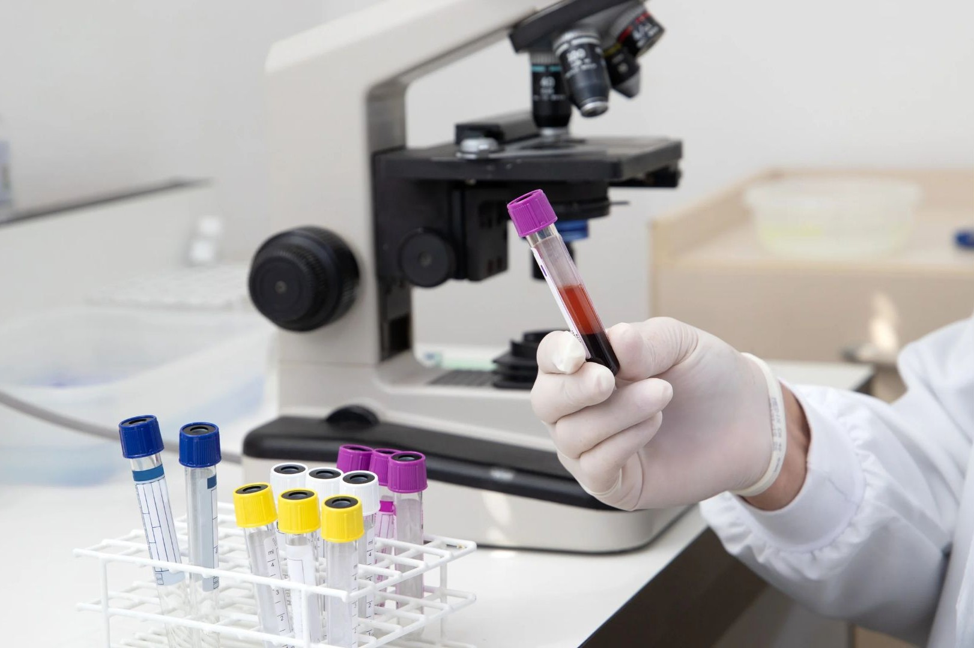
According to the International Guidelines for Management of Sepsis and Septic Shock, sepsis occurs when the body’s defensive response to an infection spirals out of control: instead of fighting only the pathogen, the immune system begins destroying its own tissues and organs. Typical clinical manifestations include a sharp spike in temperature, tachycardia, rapid breathing, confusion, and skin rashes; as the condition progresses, blood pressure drops critically, leading to septic shock.
Time remains the decisive factor for survival in septic shock: according to the Surviving Sepsis Campaign (2026) clinical guidelines, antibacterial therapy must be initiated immediately—within the first hour of sepsis recognition—as any delay sharply increases mortality risk.
Alongside the timely initiation of therapy, it is critical to identify the causative pathogen and its drug susceptibility as quickly as possible in order to tailor treatment and avoid ineffective antibiotic use.
However, due to AMR, standard treatment regimens are failing. Physicians are forced to turn to "Reserve" group antibiotics from the updated 24th WHO Model List of Essential Medicines and the AWaRe classification (2025)—last-resort drugs intended exclusively for the most severe cases caused by multidrug-resistant bacteria.
"Situations arise where a patient cannot be pulled out of a critical state with a single standard antibiotic—we have to prescribe a combination of two or three stronger drugs," explains Elvira Maksatova. "This prolongs the patient's hospital stay and creates a serious economic burden: the cost of treating such complicated cases increases two- to threefold compared to standard therapy."
How to Break the Chain: Recommendations from Clinicians and the WHO
According to the World Health Organization, prevention and the responsible use of antimicrobials remain the primary tools in combating sepsis and resistant infections. To prevent a common infection from escalating to intensive care, experts highlight two levels of action:
For every individual:
● No self-medication with antibiotics. They must be taken strictly as prescribed by a physician, adhering to the dosage and completing the full course—even if symptoms disappear after a couple of days. Antibiotics do not work against viruses (such as the flu or acute respiratory viral infections), and their uncontrolled use only "trains" bacteria.
● Basic infection prevention. Timely vaccination, proper personal hygiene, safe food preparation, and treating even minor wounds reduce the risk of infection.
● Attention to warning signs. For any infection accompanied by high fever, chills, rapid pulse and breathing, severe weakness, or confusion, immediate medical attention is essential.
For the healthcare system (infection control):
● In hospitals, strict infection control, sanitary safety, regular microbiological monitoring, and collecting diagnostic samples (blood cultures) prior to starting antibacterial therapy play a key role, enabling targeted rather than empirical ("blind") prescribing.
● Equally important is ensuring that patients receive clear discharge instructions regarding prescribed medications and the prevention of secondary infections, as an interrupted or self-altered treatment course fuels the growth of resistance.
Regional Context: The "One Health" Approach
Containing AMR and healthcare-associated infections requires coordination not only at the level of individual clinics, but across the entire region. In Central Asia, this work is being carried out under the regional program "One Health for Pandemic Prevention, Food Systems Resilience and Ecosystem Health in Central Asia," implemented by the five countries of the region and the Regional Environmental Centre for Central Asia (CAREC) with financial support from the World Bank, the Pandemic Fund, and the Health Emergency Preparedness and Response (HEPR) Program. Uniting the efforts of medical professionals, veterinarians, and environmental specialists makes it possible to track the circulation of resistant pathogens and preserve the effectiveness of antibiotics for future generations.
Shoira Toirova — Communications Specialist, One Health Program shoira.tajikistan@gmail.com
For further information:
Oksana Kravtsova — Regional Manager of the One Health Program, CAREC okravtsova@carececo.org