

Turkmenistan shared its experience on forest restoration and combat desertification at the Regional Dialogue on the Restoration of Landscapes in Central Asia in Tashkent, Uzbekistan.
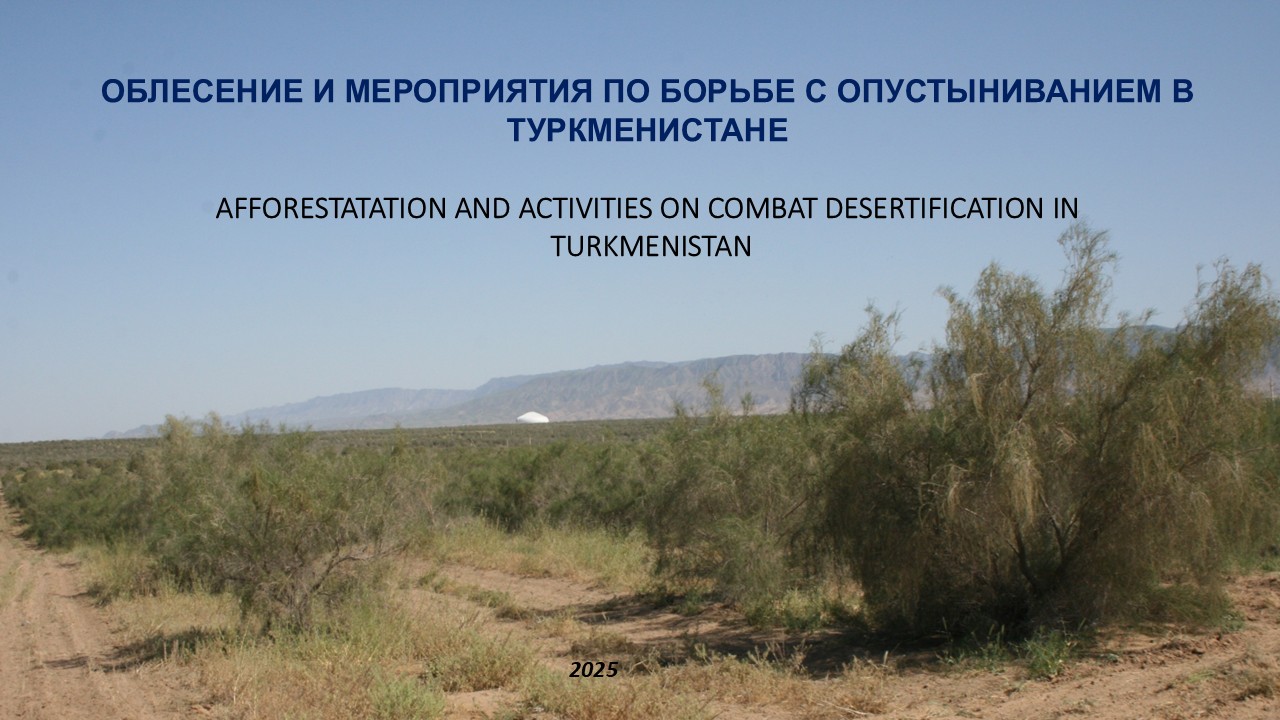
The aim of 2021-2025 National Forestry Program of Turkmenistan is to create ecologically wellbeing conditions, restore forest and biodiversity conservation, ensure sustainable forest management, support scientific and investigation works, and strengthen legislative base and international cooperation.
The National Forestry Program of Turkmenistan includes such activities as creation of forest-park zones and protection forest zones, afforestation in Aral Sea Region, forest inventory and monitoring.
Reportedly, the country plants 3 million of trees every year, including coniferous, deciduous tree, fruit, and desert species.
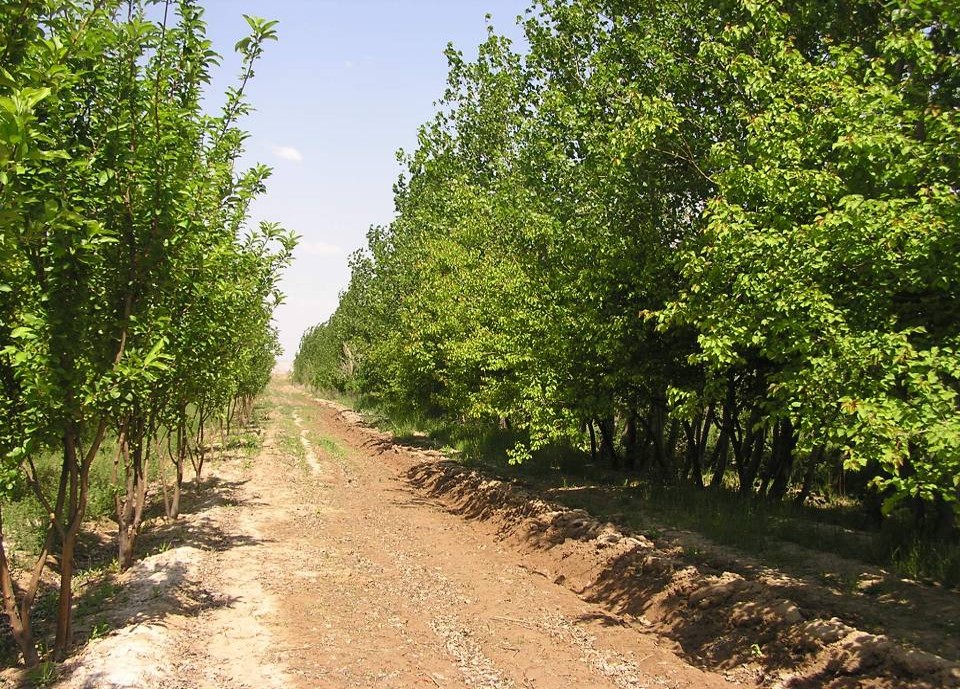
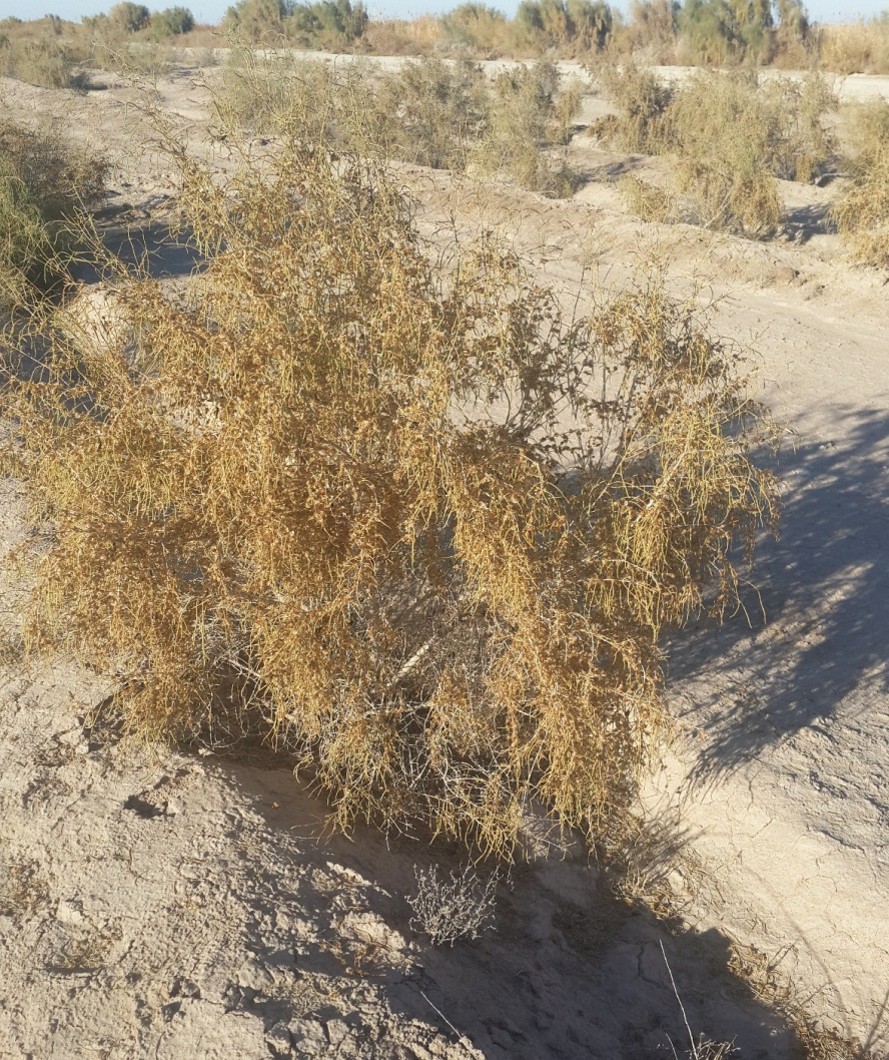
Turkmenistan creates Forest-Park zones in the foothills of Kopetdag mountain and around settlements the area for (1998-2024) under the National Forestry Program. Over 140 million seedlings planted on around 150 thousand ha. 254 thousand of trees on 636 ha were planted in National tourist zone “Avaza”. Shelterbelt forest is restored on about 30 thousand ha. Around 50 thousand of mulberry trees were planted along Garagum River on about 122 ha. About 20 thousand ha were forested with saxaul in Aral Sea zone for 2013-2020.
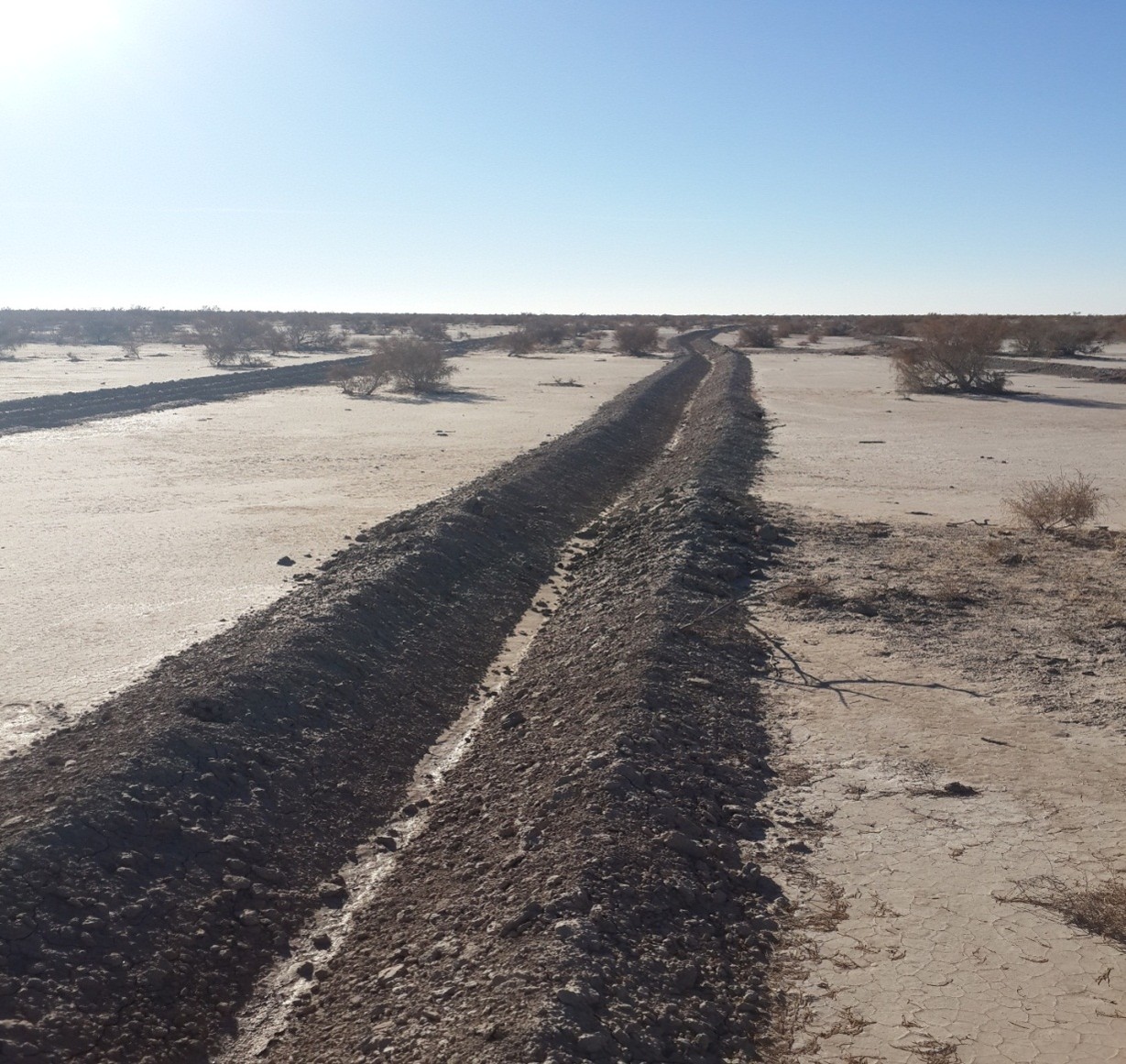
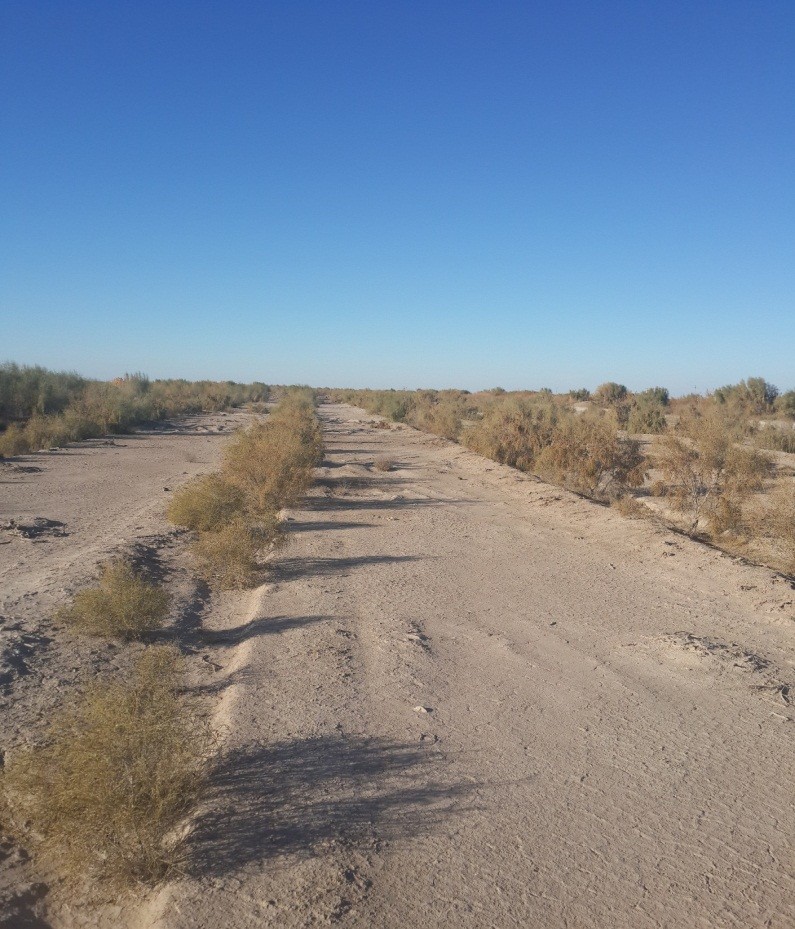
Afforestation activities in Aral Sea zone
It is recalled that the Agency for Increasing Forests and Green Areas and Combating Desertification under the National Committee on Ecology and Climate Change of Uzbekistan hosted the Regional Dialogue on the Restoration of Landscapes in Central Asia on 9–10 December 2025 in Tashkent.
Government officials from Kazakhstan, the Kyrgyz Republic, Tajikistan, Turkmenistan, and Uzbekistan, together with international experts, discussed enhancing regional cooperation in forest management and transboundary landscape restoration. The event was held under the World Bank–funded Central Asia Resilient Landscapes Restoration Program (RESILAND CA+), the largest ecosystem restoration initiative in the region, which supports climate resilience across all five Central Asian countries through projects implemented by national authorities.
The Program is aimed at strengthening climate resilience in urban and rural areas of Kazakhstan, the Kyrgyz Republic, Tajikistan, Turkmenistan, and Uzbekistan.
The Regional Environmental Centre for Central Asia (CAREC) is implementing the regional component of the RESILAND Kyrgyz Republic, RESILAND Tajikistan, and RESILAND Uzbekistan projects.
Additional information:
Azamat Kauazov - Deputy Team Leader of Uzbekistan Resilient Landscape Restoration project: regional component, CAREC
Dilovarsho Dustzoda — Deputy Team Leader of the Project Implementation Group for “Sustainable Landscape Restoration in the Republic of Tajikistan: Regional Component”, CAREC
Lyudmila Kiktenko – Deputy Team Leader, “Restoration of Sustainable Landscapes in Kyrgyzstan: Regional Component” Project, CAREC