
.jpeg)
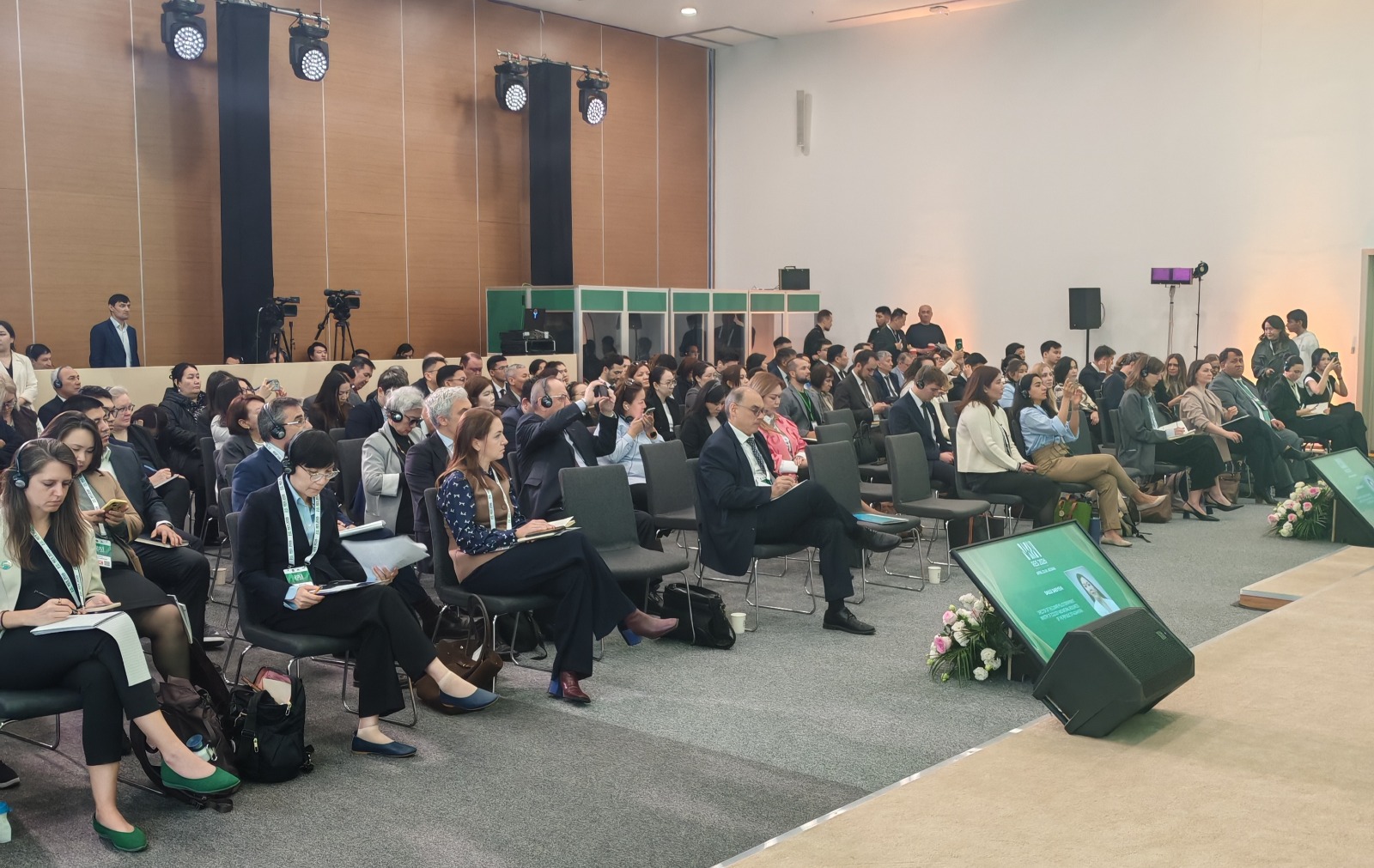
Astana, April 23, 2026 — During a session titled "Strengthening Regional Actions to Reduce Methane Emissions in Central Asia" at the Central Asia Climate Change Conference (CACCC-2026) in Astana, five Central Asian states – Kazakhstan, Kyrgyzstan, Tajikistan, Turkmenistan, and Uzbekistan – reaffirmed the high importance of efforts to reduce methane emissions.
The session, held within the framework of the Regional Ecological Summit (RES-2026), fostered regional cooperation and developed practical solutions for mitigating methane emissions—one of the key drivers of accelerated climate change.
The joint statement by Central Asian countries on methane emissions reduction is currently under active development. In the coming period, further consultations will be organized to incorporate national inputs and achieve a mutually balanced approach.
Central Asian countries aim to enhance coordinated measures to reduce methane emissions in the energy sector, reinforcing this priority at the regional level. This reflects their willingness to deepen cooperation among governments, national companies, international partners, and the donor community.
For a region where a significant portion of emissions comes from the oil and gas sector and the coal industry, such a coordinated approach opens up new opportunities: from improving energy efficiency to strengthening positions in low-methane international markets.
“We are seeing real momentum as countries move from measuring methane to reducing it. Through strong partnerships coordinated by CAREC and evidence-based advocacy, data is now shaping policies and practices. EDF looks forward to working with CAREC and other partners, to advance progress on the ground,” said Hanling Yang, Associate Vice President of Energy Transition, Environmental Defense Fund.
The session convened ministers, representatives of national oil and gas companies including Kazenergy and KazMunayGas, international organizations, and experts, who discussed how the region's countries can move faster and more cohesively in reducing methane emissions in the energy sector. The international partners included United Nations Economic Commission for Europe (UNECE), United Nations Environment Programme (UNEP) / the International Methane Emissions Observatory (IMEO), the Clean Air Task Force (CATF), Carbon Limits, Carbon Mapper, and the EU-funded project “EU for a Green Turkmenistan: Policy Dialogue and Climate Action 2024–2029,” implemented by the Deutsche Gesellschaft für Internationale Zusammenarbeit (GIZ).
Another critical element of the discussion was the need for harmonized "rules of the game," including comparable data and unified reporting approaches. Without these tactics, it will be difficult for countries to integrate into global markets where heightened requirements, such as the EU Methane Regulation for emission transparency, are becoming the norm.
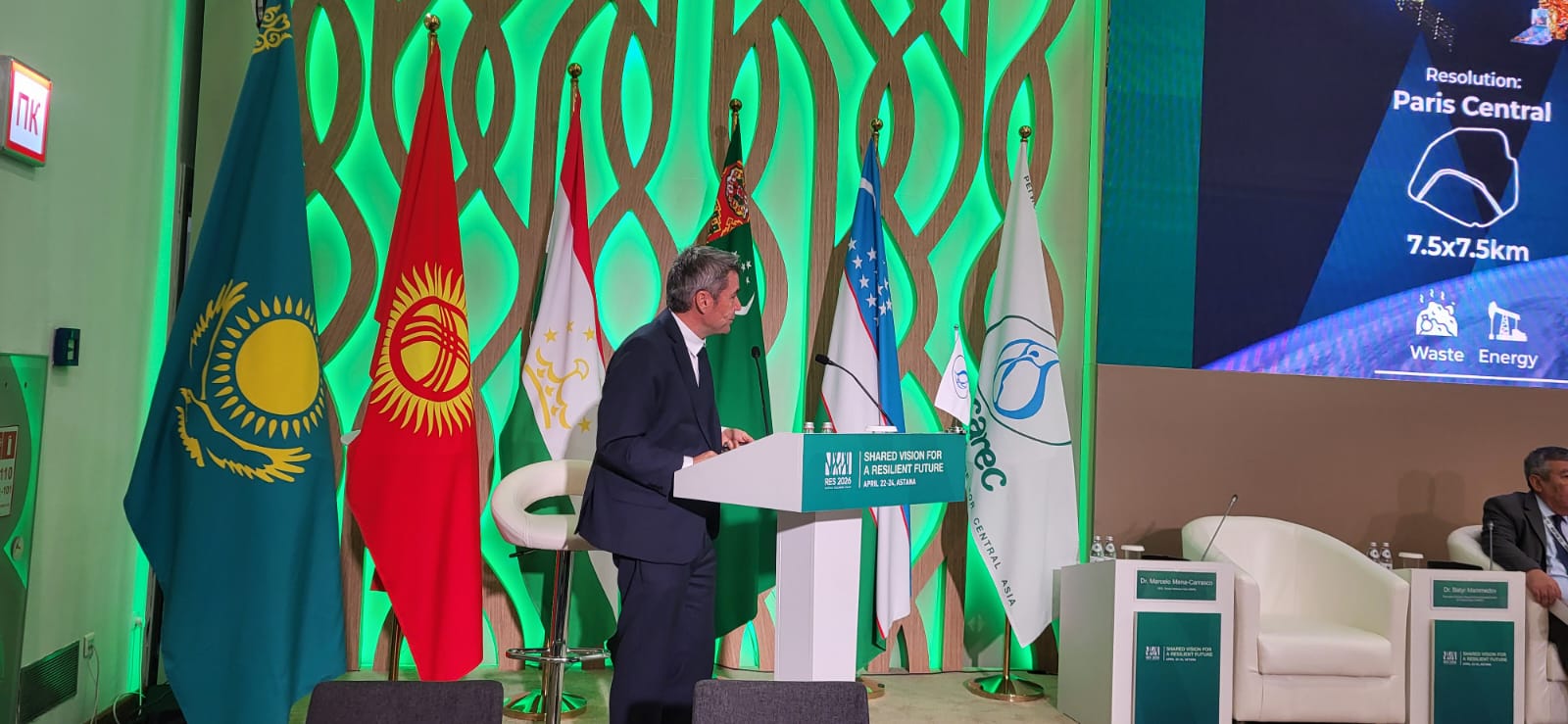
"The Regional Environmental Centre for Central Asia (CAREC) serves as a platform that unites the countries of the region, international partners, and experts to develop coordinated solutions. Reducing methane emissions is not only a climate objective but also a matter of economic resilience and competitiveness for Central Asia," emphasized Dr. Batyr Mammedov, Executive Director of the Regional Environmental Centre for Central Asia (CAREC).
The session addressed not only the risks of inaction but also practical solutions ranging from the implementation of emission monitoring systems to the development of investment projects for gas capture. Special attention was given to the question of how to transform methane reduction from an environmental challenge into an economic opportunity.
At the center of these processes is the CAREC, which effectively acts as an "integrator" of regional efforts, uniting the efforts of countries, experts, and partners. The organization helps countries transition from rough estimates to precise data, introduce innovative tools, develops monitoring and reporting systems and trains specialists, and forms a portfolio of projects capable of attracting international finance.
The prospective signing of a Joint Statement on methane emissions reduction by Central Asian countries within the framework of regional dialogue processes is expected to further strengthen the region’s contribution to the global climate agenda. In accordance with its regional mandate, CAREC will continue to provide dialogue platforms and negotiation forums, supporting countries in developing coordinated approaches to methane mitigation and fostering enhanced regional cooperation.
“By committing to infrastructure improvements and oil, gas and coal methane emission data transparency, Central Asian countries have signaled that they are ready for low-methane international markets and accelerating their domestic energy security. This regional cooperation comes at a critical moment for the global community. Fossil fuel exporters like Central Asia have the opportunity to responsibly respond to the recent energy crisis, while investing in resilient systems and increasing the region's competitiveness in global markets. We commend the Central Asian countries on their bold climate leadership. Through our ongoing collaboration and technical partnerships on the ground, the Global Methane Hub and its partners stand ready to support Central Asia’s commitment to the global climate agenda,” said CEO of the Global Methane Hub Marcelo Mena.
The session was organized by the Regional Environmental Centre for Central Asia (CAREC) under the CA CBMER project, with the support of the Global Methane Hub (GMH) and in partnership with leading international organizations, including the Environmental Defense Fund (EDF) and the Climate and Clean Air Coalition (CCAC).
Central Asia Climate Change Conference 2026 is taking place in Astana from April 22 to 24, 2026, bringing together representatives of government agencies, international organizations, business, academia, and civil society to develop joint solutions for climate resilience in Central Asia.
CA CBMER project manager
Dilovarsho Dustzoda ddustzoda@carececo.org
.jpeg)
.jpeg)
.jpeg)